
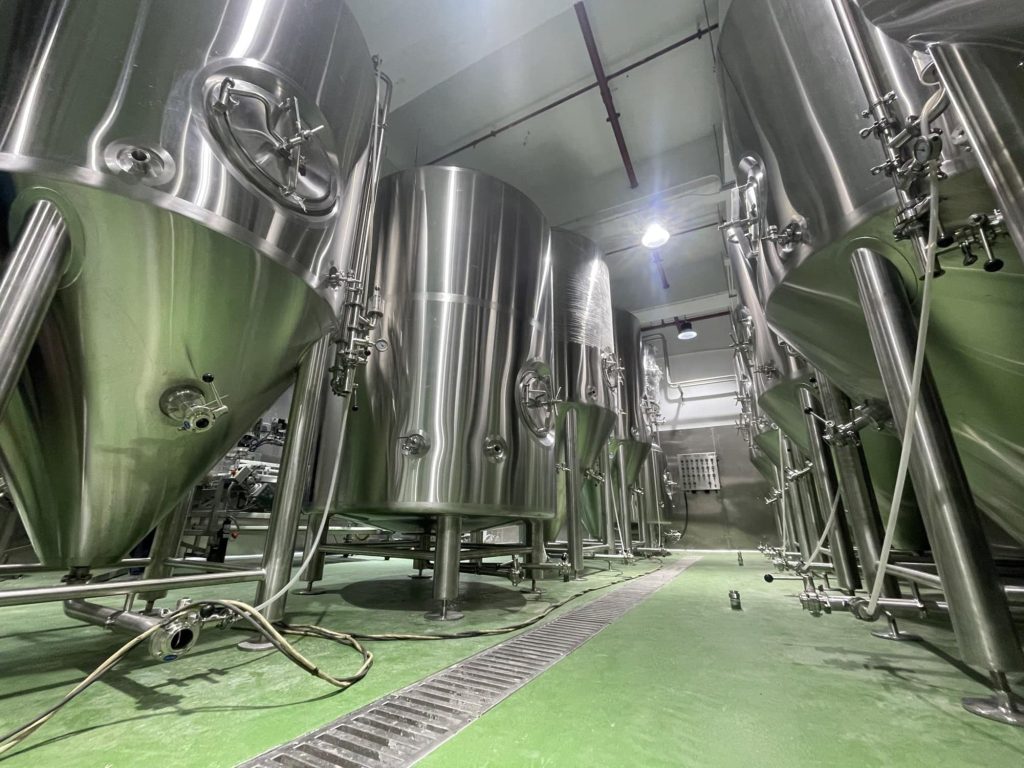
What Is a Beer Tank? Understanding the Core of Brewing Equipment
A beer tank is a specialized vessel designed to hold, ferment, mature, or store beer at every stage of the brewing process. Unlike generic storage tanks, beer tanks are engineered to meet the unique demands of beer production—maintaining precise temperature control, preventing contamination, and facilitating the chemical reactions that turn wort into beer. From the initial fermentation to final conditioning, beer tanks are indispensable tools for brewers worldwide.
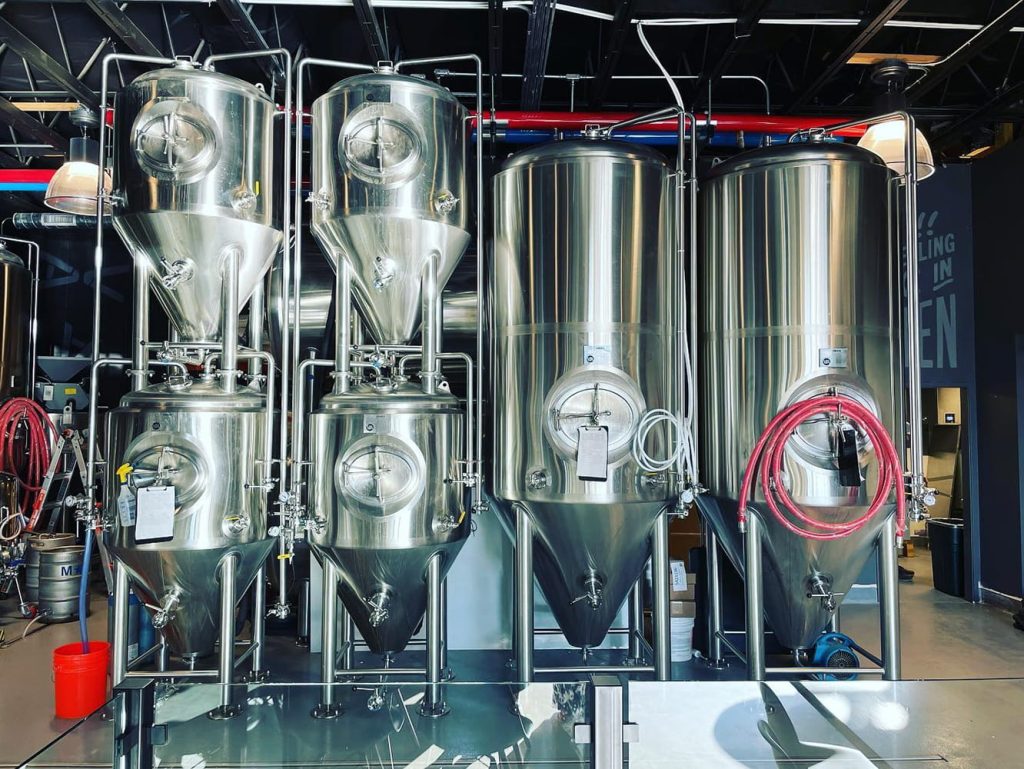
While the term “beer tank” is broad, it encompasses several specialized types, each serving a distinct purpose. The most common variants include fermentation tanks (where yeast converts sugars to alcohol and CO2), stainless steel fermenters (the industry’s preferred material for durability and hygiene), and beer brewing tanks (a collective term for all tanks used in the brewing process). Each type is designed with specific features to optimize its role in creating high-quality beer.
Key Types of Beer Tanks: Fermentation Tanks, Stainless Steel Fermenters, and More
Beer tanks come in a variety of types, each designed for a specific stage of the brewing process. Understanding the differences between these types is critical for choosing the right equipment for your brewery. Below, we break down the most essential beer tank types, including their functions, features, and why they matter for your brew.
1. Fermentation Tanks: Where the Magic Happens
Fermentation tanks are the workhorses of the brewing process. This is where wort— the sugary liquid extracted from malted grains— is transformed into beer through the action of yeast. Yeast consumes the sugars in the wort, producing alcohol, carbon dioxide, and the flavor compounds that define the beer’s character. Fermentation tanks must provide a controlled environment to ensure yeast thrives and produces consistent, high-quality results.
Modern fermentation tanks are equipped with features like temperature control jackets, pressure relief valves, and sampling ports to monitor and adjust the fermentation process. They come in various shapes and sizes, from small 500L tanks for microbreweries to large 50,000L tanks for commercial operations. The design of a fermentation tank directly impacts the speed of fermentation, the clarity of the beer, and the consistency of each batch.
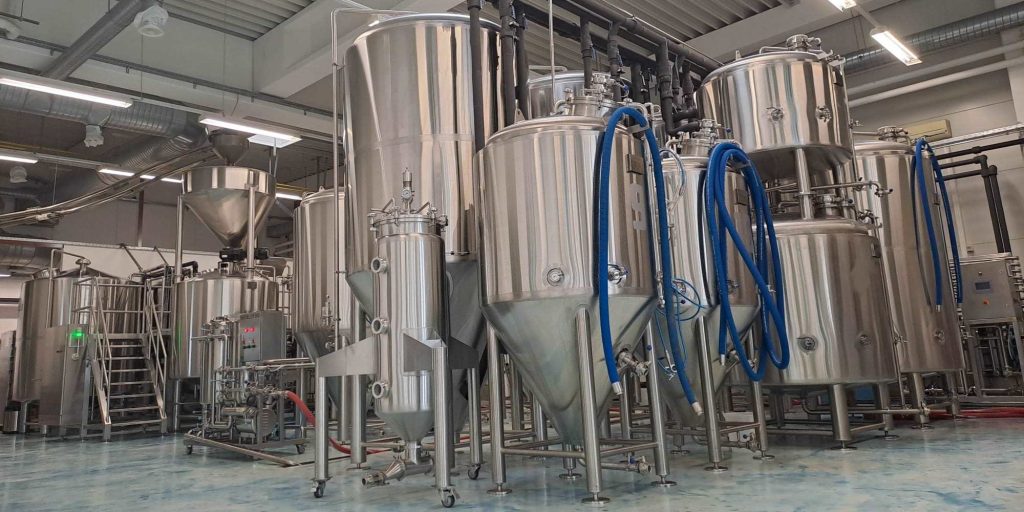
2. Stainless Steel Fermenters: The Industry Standard
When it comes to fermentation tanks, stainless steel is the material of choice for professional brewers—and for good reason. Stainless steel fermenters offer unmatched durability, hygiene, and versatility, making them ideal for both small and large-scale brewing operations. Unlike other materials (such as plastic or glass), stainless steel does not react with the acidic wort or beer, ensuring no off-flavors are introduced during fermentation.
SKE’s stainless steel fermenters are crafted from high-grade ss304 or ss316L stainless steel, which provides excellent corrosion resistance and easy cleaning. 304 stainless steel is ideal for most brewing applications, while 316L is recommended for brewers working with sour beers or high-acid worts, as it offers superior resistance to corrosion. Our stainless steel fermenters are also polished to a smooth finish, eliminating crevices where bacteria or yeast can accumulate, thus reducing the risk of contamination.
3. Beer Brewing Tanks: A Comprehensive System
Beer brewing tanks refer to the complete set of vessels used throughout the brewing process, beyond just fermentation. This includes mash tuns (for converting starches to sugars), lauter tuns (for separating wort from grain), brew kettles (for boiling wort and adding hops), whirlpool tanks (for clarifying wort), and bright tanks (for conditioning and carbonating beer before packaging). Each of these tanks plays a critical role in creating a high-quality final product.
SKE offers a full range of beer brewing tanks, designed to work seamlessly together as a complete system. Our tanks are engineered to optimize efficiency, reduce waste, and ensure consistency across every batch. Whether you need a standalone stainless steel fermenter or a complete set of beer brewing tanks, we can customize a solution that fits your brewery’s size, budget, and brewing style.
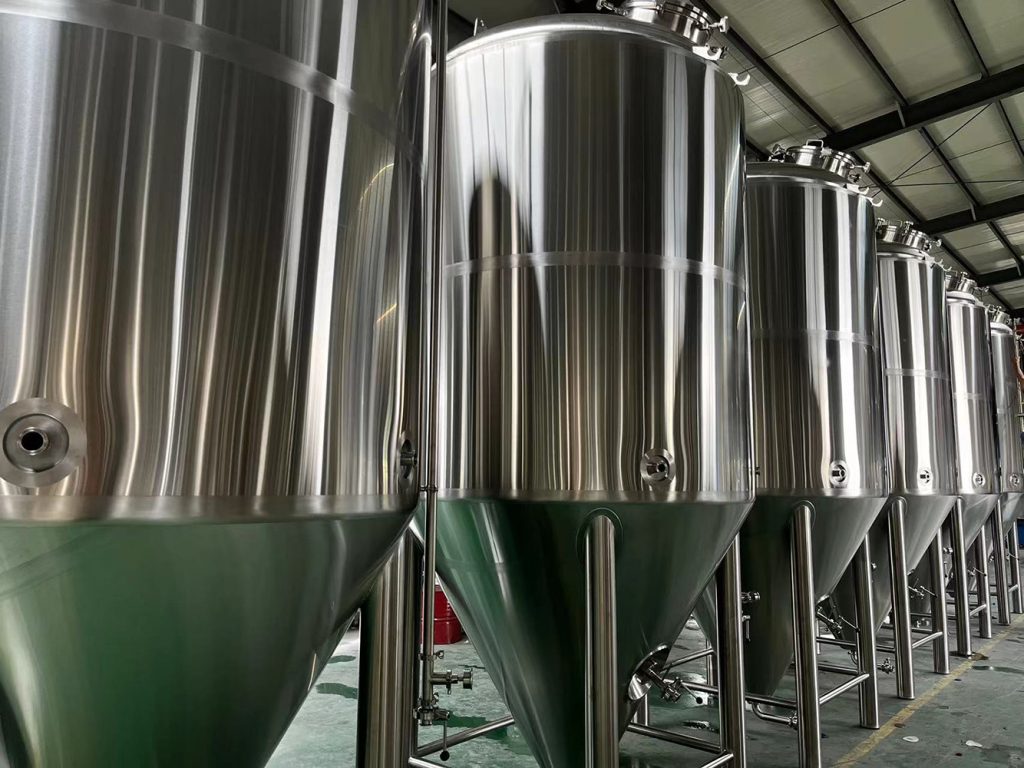
Beer Tank Materials: Why Stainless Steel Reigns Supreme
The material of your beer tank is one of the most important decisions you’ll make as a brewer. It directly impacts the quality of your beer, the lifespan of your equipment, and the cost of maintenance. While there are several materials available (including plastic, glass, and copper), stainless steel stands out as the best choice for professional beer tanks—especially for stainless steel fermenters and beer brewing tanks.
Below is a comparison of common beer tank materials, highlighting their advantages and disadvantages, to help you understand why stainless steel is the industry standard:
|
Material
|
Advantages
|
Disadvantages
|
Best For
|
|---|---|---|---|
|
Stainless Steel (304/316L)
|
Durable, corrosion-resistant, non-reactive, easy to clean, long lifespan (20+ years), customizable, hygienic
|
Higher initial cost compared to plastic
|
Commercial breweries, craft breweries, microbreweries—all scales of professional brewing
|
|
Plastic (Food-Grade)
|
Low initial cost, lightweight, easy to transport
|
Prone to scratches (harboring bacteria), less durable, can absorb flavors over time, limited temperature control
|
Homebrewers, small hobby batches, temporary storage
|
|
Glass
|
Non-reactive, transparent (easy to monitor fermentation), affordable for small sizes
|
Fragile, heavy, not suitable for large volumes, poor insulation
|
Homebrewers, small-scale fermentation, experimental batches
|
|
Copper
|
Aesthetic appeal, excellent heat conductivity, traditional look
|
Expensive, prone to corrosion, requires regular maintenance, can react with acidic worts
|
Traditional breweries, decorative purposes, small-scale brewing
|
Key Features of High-Quality Beer Tanks
Not all beer tanks are created equal. The best beer tanks—whether they’re fermentation tanks, stainless steel fermenters, or beer brewing tanks—are engineered with features that optimize the brewing process, ensure consistency, and simplify operation.
1. Temperature Control Systems
Temperature is one of the most critical factors in fermentation. Yeast performs best within a specific temperature range (typically 4°C to 21°C, depending on the yeast strain), and even small fluctuations can lead to off-flavors or inconsistent results. High-quality beer tanks are equipped with temperature control systems, such as glycol cooling jackets or electric heating elements, to maintain precise temperatures throughout the fermentation process.
2. Hygienic Design
Contamination is a brewer’s worst enemy. Even small amounts of bacteria or wild yeast can ruin an entire batch of beer. High-quality beer tanks are designed with hygiene in mind, featuring smooth, seamless interiors, no dead corners, and easy-to-clean surfaces. Stainless steel is ideal for this, as it can be thoroughly sanitized without harboring bacteria.
3. Pressure Control
Fermentation produces carbon dioxide, which builds up pressure inside the tank. Too much pressure can damage the tank or cause off-flavors, while too little pressure can lead to under-carbonated beer. High-quality beer tanks are equipped with pressure relief valves, pressure gauges, and spunding valves to control and monitor pressure throughout fermentation.
4. Customization Options
Every brewery has unique needs, and a one-size-fits-all beer tank won’t work for everyone. SKE offers customization options to tailor tanks to your specific brewing style, batch size, and space constraints. This includes custom sizes, shapes, and additional features like sampling ports, dry hop additions, or integrated CIP systems.
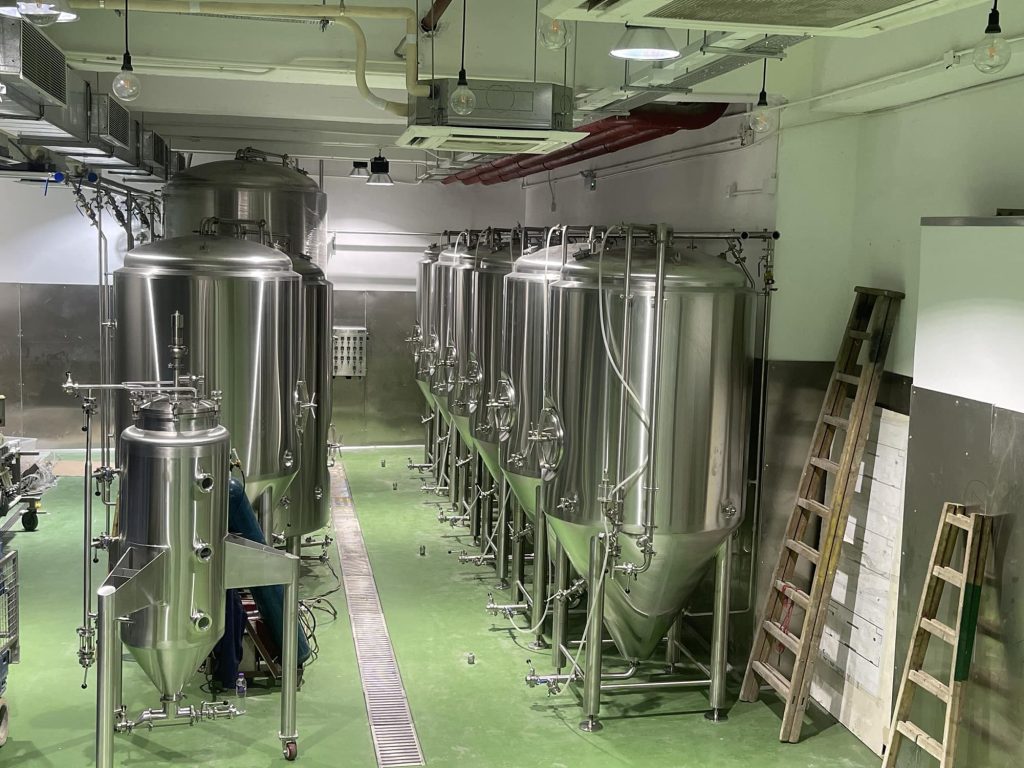
How to Choose the Right Beer Tank for Your Brewery
Choosing the right beer tank is a critical decision that will impact your brewery’s efficiency, beer quality, and long-term success. With so many options available—from fermentation tanks to stainless steel fermenters to complete beer brewing tank systems—it’s important to consider your specific needs before making a purchase. Below are the key factors to consider when choosing beer tanks for your brewery.
1. Batch Size and Production Scale
The first thing to consider is your batch size and production scale. If you’re a microbrewery producing 5-10 barrels per week, you’ll need smaller beer tanks (5-10HL) that are easy to handle and fit in a compact space. If you’re a commercial brewery producing hundreds of barrels per week, you’ll need larger tanks (50HL+) that can handle high volumes and integrate with automated brewing systems.
2. Beer Style
Different beer styles require different fermentation conditions, which can impact the type of beer tank you need. For example, lagers require cold fermentation (4°C to 10°C), so you’ll need a beer tank with a robust cooling system. Sours and wild ales require longer fermentation times and may benefit from tanks with additional ports for dry hopping or yeast additions.
3. Space and Layout
The space available in your brewery will also impact your beer tank choice. Tall, narrow tanks are ideal for breweries with limited floor space but high ceiling clearance, while shorter, wider tanks are better for spaces with low ceilings. You’ll also need to consider the layout of your brewing system, ensuring that tanks are positioned for easy transfer of wort and beer between stages.
4. Budget and Long-Term Investment
While it’s tempting to choose the cheapest beer tank option, it’s important to consider the long-term investment. High-quality beer tanks—like SKE’s stainless steel fermenters—may have a higher initial cost, but they offer a longer lifespan (20+ years), lower maintenance costs, and better performance, making them a more cost-effective choice in the long run.
Beer Tank Maintenance: Tips to Extend the Life of Your Equipment
Proper maintenance is key to extending the life of your beer tanks, whether they’re stainless steel fermenters, fermentation tanks, or beer brewing tanks. Regular maintenance not only prolongs the lifespan of your equipment but also ensures that it continues to perform at its best, producing consistent, high-quality beer. Below are some essential maintenance tips from SKE’s experts.
1. Regular Cleaning and Sanitization
Cleaning and sanitization are the most important aspects of beer tank maintenance. After each batch, thoroughly clean the tank with a food-grade cleaner to remove any residue, then sanitize it to kill any bacteria or yeast that may be present. SKE’s beer tanks are equipped with CIP systems, which make cleaning and sanitization quick and easy, but it’s still important to inspect the tank regularly for any missed spots.
2. Inspect for Corrosion and Damage
Stainless steel is highly corrosion-resistant, but it’s still important to inspect your beer tanks regularly for any signs of corrosion, scratches, or damage. Scratches can harbor bacteria, while corrosion can weaken the tank over time. If you notice any damage, contact SKE’s service team immediately to have it repaired.
3. Check Temperature and Pressure Systems
Regularly check the temperature and pressure control systems of your beer tanks to ensure they’re working properly. Test the cooling jackets, heating elements, pressure relief valves, and gauges to make sure they’re calibrated correctly. This will help prevent temperature fluctuations and pressure issues that can affect beer quality.
4. Lubricate Moving Parts
If your beer tanks have moving parts (such as valves or agitators), lubricate them regularly to prevent wear and tear. Use a food-grade lubricant to ensure that no contaminants are introduced into the tank.
5. Schedule Professional Maintenance
While regular in-house maintenance is important, it’s also a good idea to schedule professional maintenance with SKE at least once a year. Our team of experts will inspect your beer tanks, perform any necessary repairs, and ensure that your equipment is operating at its best.
FAQ: Common Questions About Beer Tanks, Stainless Steel Fermenters, and Beer Brewing Tanks
Q1: How long do stainless steel fermenters last?
A: With proper maintenance, stainless steel fermenters can last 20+ years. SKE’s stainless steel fermenters are made from high-grade 304/316L stainless steel, which is highly corrosion-resistant and durable. Regular cleaning, sanitization, and inspections will help extend the lifespan of your fermenter even further.
Q2: What size beer tank do I need for my brewery?
A: The size of the beer tank you need depends on your batch size and production scale. For microbreweries producing 5-10 barrels per week, a 5-10HL tank is ideal. For commercial breweries producing larger volumes, 50HL+ tanks are recommended. SKE’s team can help you determine the right size based on your current production and future growth plans.
Q3: Can SKE customize beer tanks to fit my specific needs?
A: Yes! SKE specializes in custom beer tanks, including stainless steel fermenters, fermentation tanks, and beer brewing tanks. We can customize the size, shape, features, and design of your tanks to fit your brewery’s unique needs, whether you have space constraints, specific beer style requirements, or unique production processes.
Q4: How do I maintain the temperature of my beer tank?
A: SKE’s beer tanks are equipped with advanced temperature control systems, such as glycol cooling jackets and electric heating elements. These systems allow you to set and monitor the temperature remotely, ensuring that it remains within the optimal range for fermentation. Regularly check the temperature sensors and cooling/heating elements to ensure they’re working properly.
Q5: Are SKE’s beer tanks suitable for both craft and commercial breweries?
A: Yes! SKE offers beer tanks for breweries of all scales, from small craft microbreweries to large commercial operations. Our tanks are available in sizes from 1HL to 500HL, with customizable features to fit the unique needs of each brewery. Whether you’re producing small batches of craft beer or large-scale commercial brews, SKE has the right beer tank for you.
Contact Us
If you have any further questions, feel free to reach out!
- Facebook: SKE Equipment Facebook
- Email: info@skeequipment.com
For more personalized assistance, please fill out the contact form at the bottom of this page. We look forward to helping you with your brewing needs!