
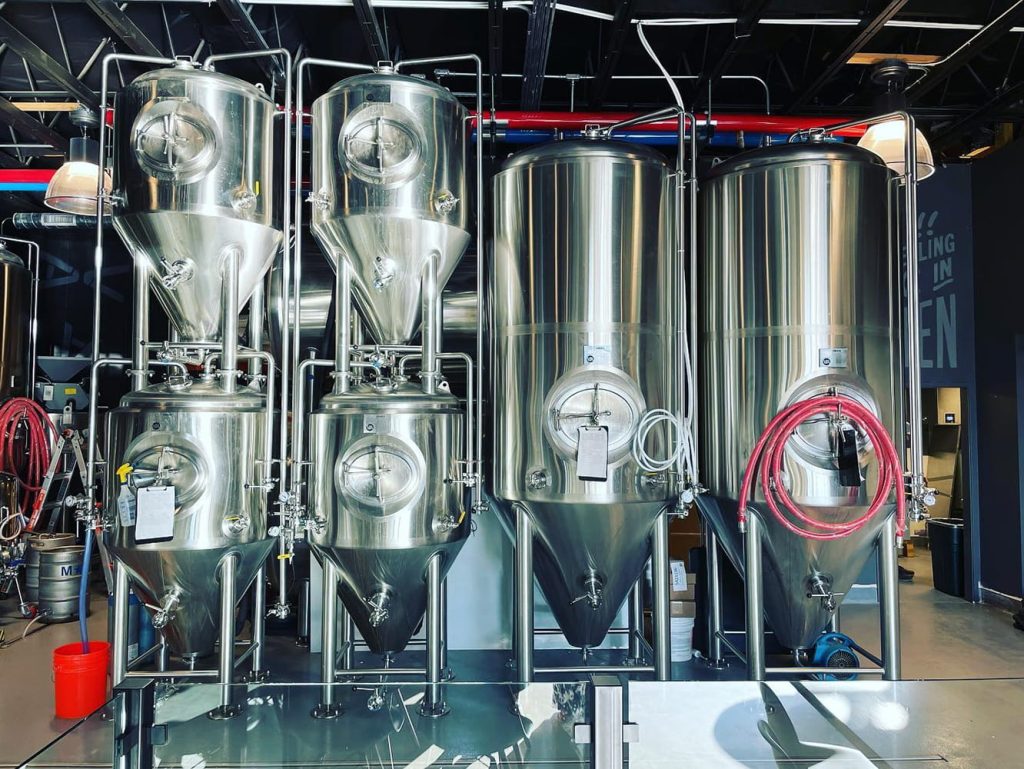
Looking for the right brew fermenter? We compare the classic ferment bucket vs. a professional stainless steel conical fermenter. Learn how to fermenter beer like a pro with SKE’s expert guide.
For any brewer—whether a hobbyist crafting in the garage or a microbrewery owner scaling up production—the brew fermenter is where the magic happens. It is the vessel where simple wort transforms into the complex, delicious beer we all love. Choosing the right fermentation vessel is arguably the most critical equipment decision you will make, as it directly impacts your beer’s flavor, clarity, and consistency.
If you have been researching options, you have likely encountered two primary categories: the simple, accessible ferment bucket, and the sophisticated, high-performance stainless steel conical fermenter. While a bucket might get you started, understanding the advantages of professional-grade equipment is essential if you aim to fermenter beer at a commercial level or simply want the best possible results.
In this comprehensive guide, brought to you by SKE, a leader in brewery equipment manufacturing, we will break down the differences, benefits, and best-use cases for each type of fermenter. We will explore why serious brewers eventually make the switch and how the right equipment can elevate your brewing to new heights.
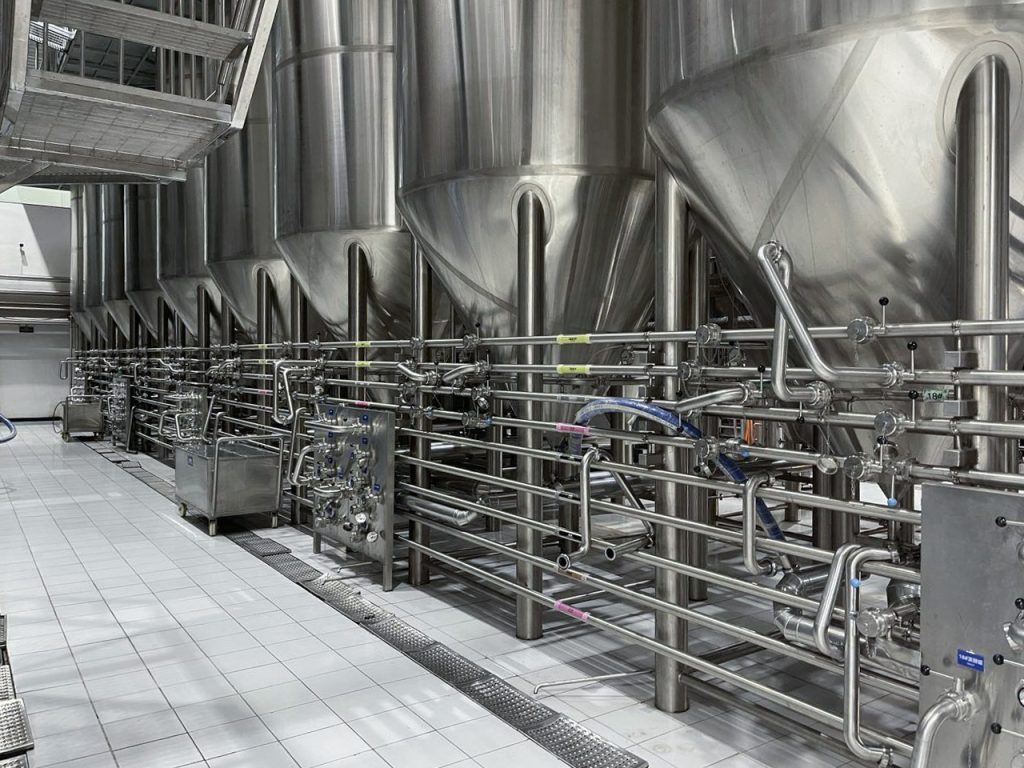
What is a Brew Fermenter and Why Does It Matter?
A brew fermenter is a vessel designed to hold wort after boiling, providing a controlled environment for yeast to work its magic. During fermentation, yeast consumes sugars, producing alcohol and carbon dioxide, along with a host of flavor compounds that define your beer’s character .
The fermenter’s role is to protect this process. It must be sanitizable to prevent infection, durable to withstand pressure and cleaning, and designed to manage the byproducts of fermentation, such as trub (sediment) and krausen (foam). The choice of fermenter influences everything from temperature stability to the ease of harvesting yeast for your next batch.
The Entry-Level Choice: The Ferment Bucket
For many homebrewers, the journey begins with the humble ferment bucket. Typically made from food-grade HDPE plastic, these are the most common and affordable vessels available .
Pros of the Ferment Bucket
-
Affordability: With prices ranging from $15 to $30, they are incredibly budget-friendly, making them the go-to choice for beginners .
-
Lightweight and Portable: An empty bucket is easy to carry, fill, and move around.
-
Ease of Cleaning: Their wide opening makes it easy to reach inside for cleaning (though caution is needed to avoid scratching).
Cons of the Ferment Bucket
-
Scratching and Sanitation: Plastic is soft and scratches easily. These microscopic scratches can harbor bacteria and wild yeast, leading to recurring contamination and off-flavors. As noted by experienced brewers, once a scratch is made, sanitizers may not be able to penetrate and sterilize it effectively .
-
Oxygen Permeability: Over time, plastic can allow tiny amounts of oxygen to seep in, which can stale the beer and shorten its shelf life.
-
Limited Lifespan: Due to wear and tear, plastic buckets typically need to be replaced every 1-3 years or after 10-15 batches .
-
Poor Temperature Control: Plastic is an insulator, making it difficult to precisely control fermentation temperatures without a dedicated chamber.
-
No Pressure Capability: Standard buckets cannot handle pressure, ruling out techniques like pressure fermentation or closed transfers.
A ferment bucket is a great tool for learning, but its limitations often lead brewers to seek a more permanent and reliable solution.
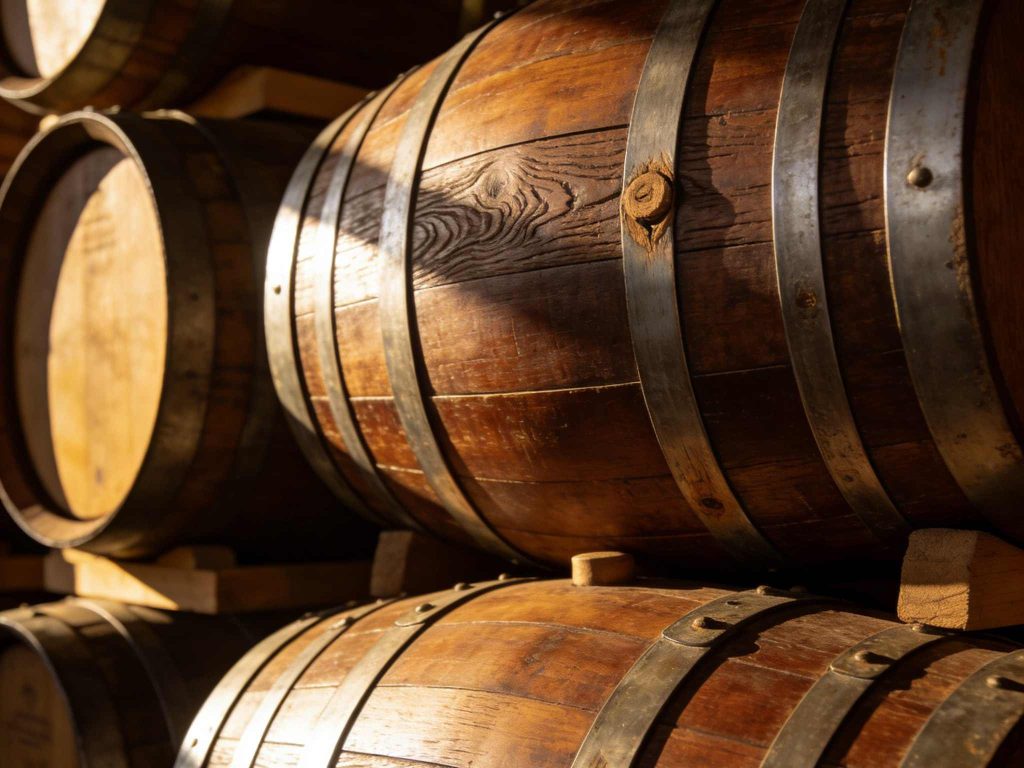
The Professional’s Choice: Stainless Steel Conical Fermenter
When brewers are ready to take control of their process, they turn to the stainless steel conical fermenter. This is the industry standard for commercial breweries and serious homebrewers for a multitude of reasons .
The Power of Stainless Steel
High-quality stainless steel, such as AISI 304 (commonly used by SKE), is non-porous, non-reactive, and incredibly durable . It won’t scratch like plastic, ensuring a sanitary environment batch after batch. It cleans and sanitizes easily and can last a lifetime with proper care.
The Genius of the Conical Shape
The defining feature of a stainless steel conical fermenter is its shape. Unlike a flat-bottomed bucket, the cone directs trub, hop debris, and dead yeast cells to the bottom point .
-
Easy Sediment Removal: A valve at the tip of the cone allows you to dump this sediment without moving the beer. This is crucial for harvesting clean yeast for reuse and improving beer clarity.
-
Reduced Oxidation Risk: Because you don’t need to rack (siphon) the beer to a secondary vessel to separate it from the trub, you drastically reduce the risk of oxygen exposure, a primary enemy of fresh beer flavor .
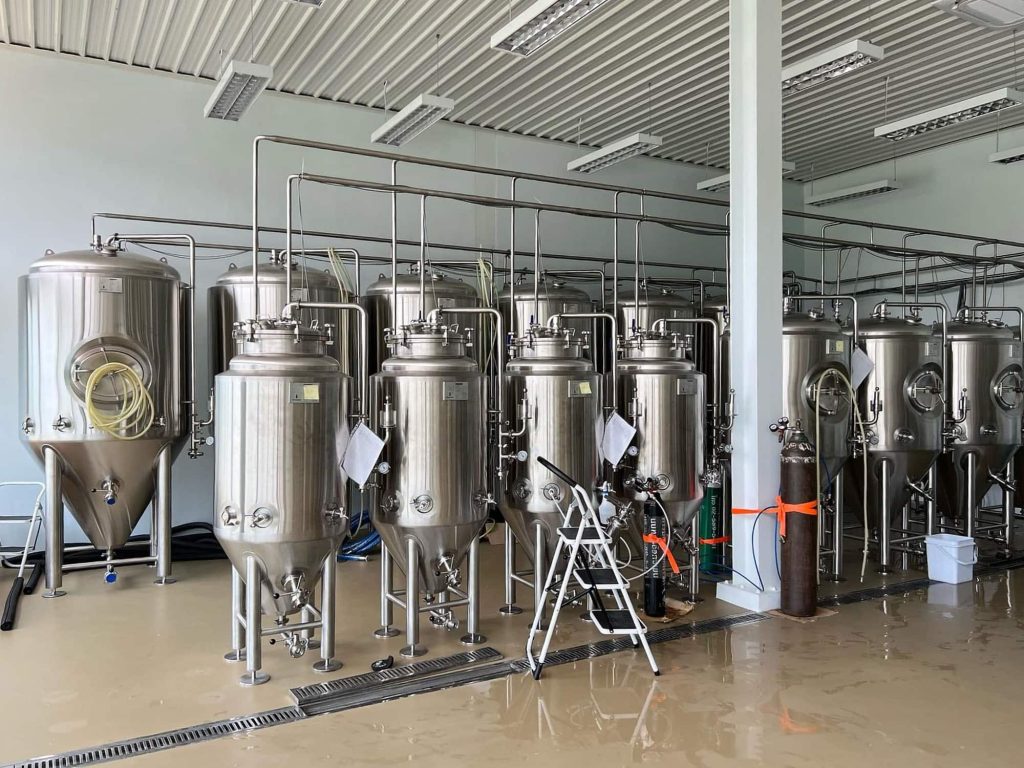
Advanced Features for Better Beer
A professional stainless steel conical fermenter is more than just a bucket and a cone; it is a precision tool.
-
Temperature Control: Many commercial conicals, like those from SKE, feature dimple jackets or cooling jackets. These allow glycol or cold water to circulate around the tank, giving you absolute control over fermentation temperature, which is essential for consistent results .
-
Pressure Fermentation (Unitanks): Many modern conical fermenters are designed as “Unitanks.” This means they can withstand pressure (e.g., 1.5 – 3.0 bar), allowing you to ferment under pressure to create cleaner flavor profiles (especially for lagers) and naturally carbonate the beer in the same vessel .
-
Clean-in-Place (CIP): For commercial models, cleaning is automated with CIP systems—spray balls inside the tank that circulate cleaning solutions, eliminating the need for manual scrubbing .
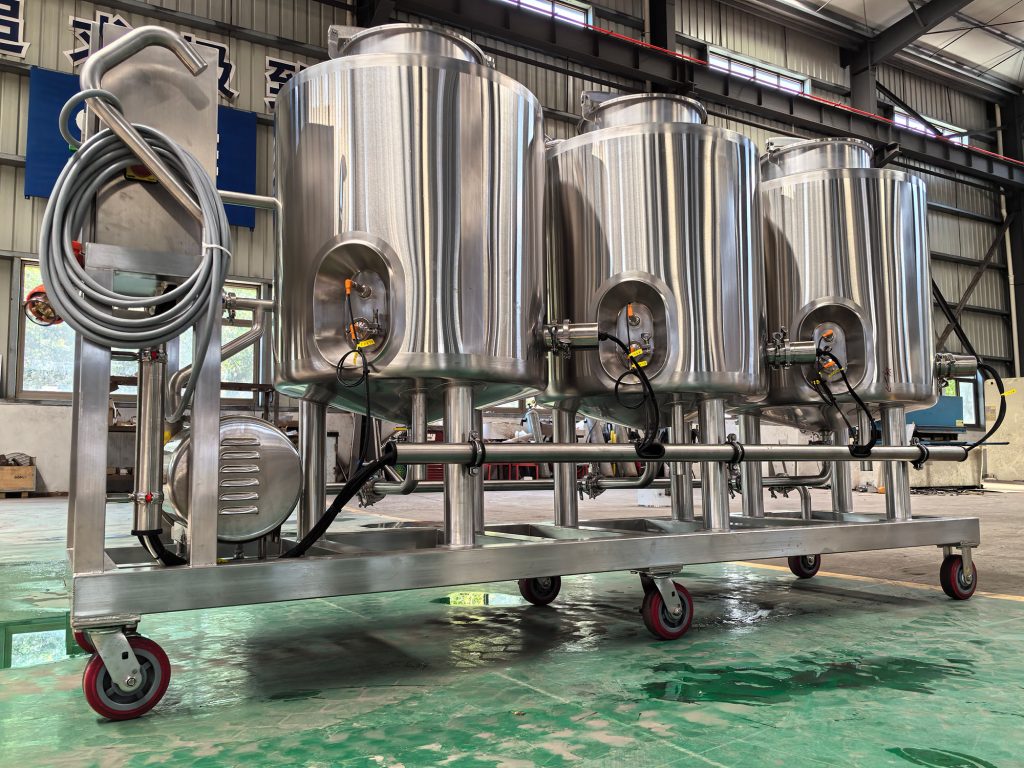
Brew Fermenter Comparison: Ferment Bucket vs. Stainless Steel Conical
To help you visualize the key differences at a glance, here is a detailed comparison table:
| Feature | Ferment Bucket (Plastic) | Stainless Steel Conical Fermenter |
|---|---|---|
| Material | HDPE Plastic | AISI 304 Stainless Steel |
| Durability | Low (scratches easily, 1-3 years lifespan) | Very High (can last 15-20+ years) |
| Sanitation | Can harbor bacteria in scratches | Non-porous, hygienic, easy to sanitize |
| Sediment Control | Trub mixes with beer; requires siphoning | Cone collects sediment; easy to dump from bottom valve |
| Yeast Harvesting | Difficult and messy | Simple and sanitary |
| Temperature Control | Passive (requires fermentation chamber) | Active (via glycol jackets) |
| Oxygen Exposure | High (during transfers) | Low (closed system, pressurized transfers) |
| Pressure Capable | No | Yes (Unitank design allows spunding and serving) |
| Cleaning | Manual, risk of scratching | Automated CIP or simple, no-scratch cleaning |
| Best For | Beginners, small test batches | Serious homebrewers, microbreweries, commercial production |
How to Properly Fermenter Beer: Best Practices
Owning a great brew fermenter is only half the battle; you must also master the process. Whether you use a bucket or a conical, these steps are vital for producing high-quality beer.
1. Sanitize Everything
This is the number one rule of brewing. Any surface that touches the wort after the boil must be sanitized. Use a no-rinse sanitizer like Star San. For stainless steel fermenters, a CIP cycle with caustic and acid cleaners will remove organic matter and beer stone, ensuring a perfectly clean surface .
2. Control Your Temperature
Yeast is sensitive. A few degrees can mean the difference between a clean ale and a solvent-like off-flavor.
-
Ales: Typically ferment between 65-70°F (18-21°C).
-
Lagers: Require much colder temperatures, usually 45-55°F (7-13°C) .
A stainless steel conical fermenter with a glycol jacket makes hitting and holding these temperatures effortless.
3. Manage Sediment
In a ferment bucket, the sediment sits at the bottom, and you must carefully siphon the beer off the top, hoping not to disturb it. In a conical, simply open the bottom valve slightly to drain the trub once fermentation is complete. This is also the perfect way to harvest healthy yeast for your next batch .
4. Consider Pressure Fermentation
If your stainless steel conical fermenter is pressure-rated (a Unitank), try fermenting under a few PSI of pressure. This can reduce the production of esters and fusel alcohols, resulting in a cleaner, more lager-like character even at higher temperatures. It also naturally carbonates the beer, saving time and CO2.
FAQ: Your Brew Fermenter Questions Answered
Q: What size brew fermenter do I need?
A: Choose a fermenter with a total volume about 20-30% larger than your batch size to allow room for krausen. For a 5-gallon batch, you need at least a 6.5-gallon vessel . For commercial breweries, SKE offers a wide range of sizes to match your production goals.
Q: Can I use a plastic ferment bucket for long-term aging?
A: It is not recommended. Plastic is slightly oxygen-permeable, which can lead to oxidation and stale flavors over time. A stainless steel conical fermenter provides an impermeable barrier, making it ideal for lagering and long-term aging .
Q: What is the advantage of a jacketed stainless steel conical fermenter?
A: A jacketed fermenter allows for precise temperature control without needing to put the entire tank in a cold room. By circulating glycol through the jacket, you can perfectly manage fermentation exotherms, cold crash to clarify beer, and ensure consistency batch after batch .
Q: How do I clean a stainless steel conical fermenter?
A: For smaller models, manual cleaning with a soft cloth and PBW is effective. For larger commercial tanks, a Clean-in-Place (CIP) system is essential. A spray ball inside the tank sprays cleaning solutions to cover every interior surface, making cleaning automated and thorough .
Q: Is it worth upgrading from a ferment bucket to a stainless steel conical?
A: If you are serious about beer quality, consistency, and expanding your brewing capabilities, absolutely. The investment in a stainless steel conical fermenter pays off in better-tasting beer, reduced risk of infection, the ability to reuse yeast, and the efficiency of a closed system. It is a step-change in brewing professionalism .
Conclusion: Invest in Quality with SKE
While a simple ferment bucket can help you brew your first batch of beer, a stainless steel conical fermenter is a long-term investment in quality and control. It empowers you to fermenter beer with the same tools and techniques as professional craft breweries, leading to cleaner, more consistent, and ultimately more enjoyable results.
At SKE, we understand the science and art of brewing. With over two decades of experience in manufacturing high-end brewery equipment, we design and engineer stainless steel conical fermenters that meet the highest international standards . Our vessels are crafted from premium raw materials, feature advanced automation options, and are built to last, helping you turn your brewing vision into reality.
Whether you are a nano-brewery looking to upgrade or an established regional player expanding your capacity, SKE has the expertise and equipment to support your journey.
- Facebook: SKE Equipment Facebook
- Email: info@skeequipment.com
For more personalized assistance, please fill out the contact form at the bottom of this page. We look forward to helping you with your brewing needs!