
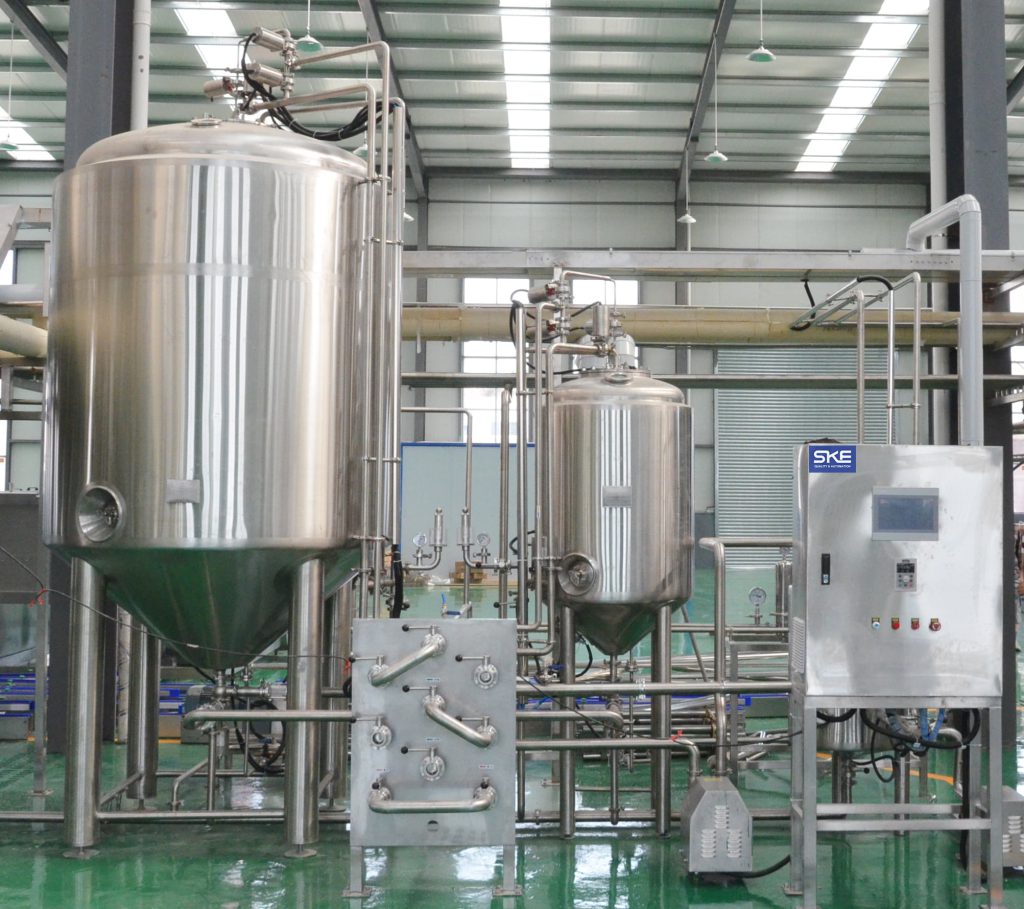
Yeast is the unsung hero of beer brewing, responsible for transforming sugary wort into the rich, flavorful beverage enjoyed by millions worldwide. While yeast fermentation is often the focus of brewing discussions, the importance of proper yeast storage is frequently overlooked. As a leading beer equipment manufacturer, SKE understands that high-quality brewing starts with well-preserved yeast—because the condition of your yeast directly impacts yeast in fermentation, yeast fermentation efficiency, and ultimately, the taste and consistency of your final product.
Yeast storage is not just about keeping yeast viable; it’s about maintaining its optimal health and performance so that when it’s time to initiate yeast fermentation, the yeast can efficiently convert sugars into alcohol, carbon dioxide, and the complex flavor compounds that define great beer. Poor storage practices can lead to reduced yeast viability, slow or stuck fermentation, off-flavors, and wasted batches—costly mistakes for both home brewers and commercial breweries alike.
In this comprehensive guide, we’ll dive deep into yeast storage, exploring its critical role in yeast and fermentation, the different types of yeast and their storage requirements, best practices for short-term and long-term storage, and how SKE’s brewing equipment can support optimal yeast preservation and fermentation. We’ll also include a detailed table of yeast storage parameters and a FAQ section to address common questions brewers have about yeast storage and its impact on yeast fermentation.
Understanding Yeast: The Foundation of Yeast Fermentation
Before delving into yeast storage, it’s essential to understand the role of yeast in fermentation and why its health matters. Yeast is a single-celled fungus that feeds on the sugars present in wort (the liquid extracted from malted grains) during yeast fermentation. This process, known as alcoholic fermentation, converts glucose and other sugars into ethanol (alcohol) and carbon dioxide (CO2)—the two primary components that make beer alcoholic and carbonated.
But yeast does more than just produce alcohol and CO2. During yeast in fermentation, it also generates a range of secondary metabolites, including esters, phenols, and higher alcohols, which contribute to the unique flavor, aroma, and mouthfeel of different beer styles. For example, ale yeasts (Saccharomyces cerevisiae) produce fruity esters at warmer fermentation temperatures, while lager yeasts (Saccharomyces pastorianus) produce cleaner, crisper flavors at cooler temperatures.
The key to consistent, high-quality yeast fermentation is using viable, healthy yeast. Yeast viability refers to the percentage of live yeast cells in a culture—higher viability means more active cells available to ferment sugars. When yeast is improperly stored, its viability drops, leading to slower fermentation, incomplete sugar conversion, and an increased risk of contamination by unwanted bacteria or wild yeast.


Types of Yeast and Their Storage Requirements
Not all yeast is the same, and different types of yeast have unique storage needs. The two most common types of yeast used in beer brewing are dry yeast and liquid yeast, each with distinct characteristics that affect how they should be stored to maintain viability and support successful yeast fermentation. Understanding these differences is crucial for any brewer looking to optimize their process.
Dry yeast is the most popular choice for home brewers and many commercial breweries due to its convenience and long shelf life. It is produced by dehydrating yeast cells, which puts them in a dormant state. This dormancy allows dry yeast to be stored at room temperature for extended periods, making it easy to handle and transport. However, even dry yeast has specific storage requirements to ensure it remains viable when rehydrated.
Liquid yeast, on the other hand, is a live culture suspended in a liquid medium (usually wort or a nutrient solution). It is often preferred by craft breweries and advanced brewers because it offers a wider variety of strains, each capable of producing unique flavors during yeast fermentation. Liquid yeast is more perishable than dry yeast, as it requires refrigeration to keep the yeast cells active but not overactive.
|
Yeast Type
|
Storage Temperature
|
Shelf Life (Unopened)
|
Shelf Life (Opened)
|
Storage Tips
|
Impact on Yeast Fermentation
|
|---|---|---|---|---|---|
|
Dry Yeast
|
Room temperature (15-25°C / 59-77°F); refrigeration (2-4°C / 35-39°F) extends shelf life
|
2-4 years at room temperature; up to 10 years if refrigerated
|
3-6 months at room temperature; refrigeration recommended
|
Store in a cool, dry, dark place; avoid humidity and temperature fluctuations; keep sealed in an airtight container after opening
|
High viability when properly stored; fast fermentation start; consistent flavor profile
|
|
Liquid Yeast (Slant/Vial)
|
Refrigeration (2-4°C / 35-39°F); do not freeze
|
4-6 months at room temperature; up to 1 year if refrigerated
|
2-4 weeks if refrigerated; use immediately after opening
|
Store upright to prevent leakage; avoid temperature swings; do not expose to light; check for signs of spoilage (off-odors, mold)
|
Requires rehydration/propagation; diverse flavor options; sensitive to storage conditions—poor storage leads to low viability
|
|
Liquid Yeast (Slurry)
|
Refrigeration (0-4°C / 32-39°F); can be frozen for long-term storage
|
7-14 days if refrigerated; up to 1 year if frozen
|
Use within 3-5 days of opening; do not refreeze after thawing
|
Store in sanitized, airtight containers; purge with CO2 to prevent oxidation; stir gently before use
|
High cell count; fast fermentation; ideal for commercial breweries; requires careful handling to avoid contamination
|
The Science of Yeast Storage: How Temperature and Environment Affect Viability
Temperature is the most critical factor in yeast storage, as it directly impacts the metabolic rate of yeast cells. Yeast cells are living organisms, and their activity slows down at lower temperatures, which helps preserve their viability. However, extreme temperatures—either too high or too low—can damage or kill yeast cells, rendering them ineffective for yeast fermentation.
For dry yeast, storing at room temperature (15-25°C / 59-77°F) is acceptable for short to medium-term storage. However, refrigeration (2-4°C / 35-39°F) significantly extends its shelf life by further slowing down metabolic activity. Freezing dry yeast is possible and can extend its shelf life indefinitely, though it may slightly reduce viability when thawed. It’s important to thaw frozen dry yeast gradually to avoid shocking the cells.
Liquid yeast is more sensitive to temperature. Storing liquid yeast at room temperature for extended periods can cause the yeast cells to become overactive, consuming nutrients and dying off quickly. Refrigeration at 2-4°C / 35-39°F keeps the yeast in a semi-dormant state, maintaining viability without allowing excessive growth. Freezing liquid yeast (except for slurry) is not recommended, as it can damage the cell structure and reduce viability drastically.
Other environmental factors also play a role in yeast storage. Humidity can cause dry yeast to clump and absorb moisture, leading to premature activation and reduced viability. Light, especially UV light, can damage yeast DNA, affecting its ability to ferment. Oxygen exposure is another critical factor—oxidation can damage yeast cells, so it’s important to store yeast in airtight containers, especially liquid yeast and slurry.
Best Practices for Yeast Storage: Short-Term and Long-Term
Whether you’re storing yeast for a few days (short-term) or several months (long-term), following best practices is essential to maintain viability and ensure successful yeast fermentation. The following guidelines apply to both home brewers and commercial breweries, with additional insights for large-scale operations from SKE’s expertise in beer equipment manufacturing.
Short-term yeast storage (1-2 weeks) is common for brewers who brew regularly. For dry yeast, simply keep it in its original packaging or an airtight container in a cool, dry, dark place. If opened, seal it tightly and refrigerate to extend its viability. For liquid yeast, refrigerate it immediately upon receipt and use it within 2-4 weeks of opening. Avoid opening the container unnecessarily to prevent oxygen exposure and contamination.
Long-term yeast storage (1 month or more) requires more careful handling. For dry yeast, refrigeration or freezing is recommended. If freezing, divide the yeast into small portions to avoid thawing and refreezing, which can damage cells. For liquid yeast, freezing is only suitable for slurry—store slurry in sanitized, airtight containers, purge with CO2 to remove oxygen, and freeze at -20°C / -4°F. Thaw frozen slurry gradually in the refrigerator before use.
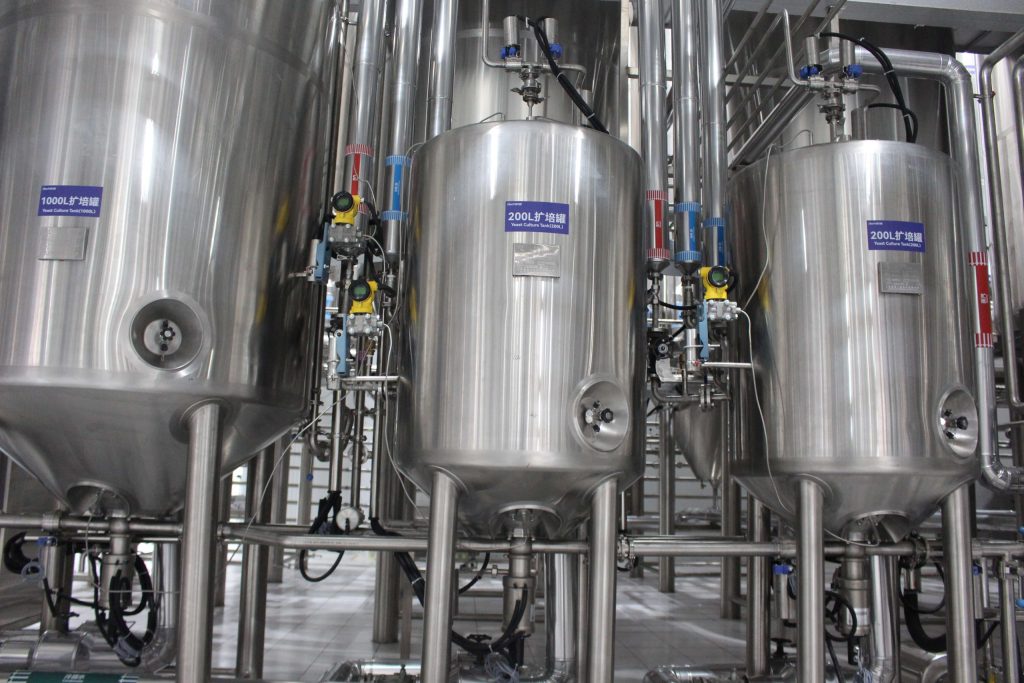
For commercial breweries, yeast propagation and storage are critical for consistency. SKE’s cylindro-conical fermentation tanks are designed to support yeast harvesting and storage, with temperature control systems that maintain optimal conditions for yeast slurry. These tanks allow brewers to harvest yeast from one batch and store it for use in subsequent batches, reducing costs and ensuring consistent yeast fermentation.
Yeast Storage and Yeast Fermentation: The Direct Connection
The link between yeast storage and yeast fermentation is undeniable—poor storage leads to poor fermentation, while proper storage ensures efficient, consistent results. When yeast is stored correctly, it retains high viability, meaning more live cells are available to convert sugars into alcohol and flavor compounds. This leads to faster fermentation, complete sugar conversion, and a cleaner, more consistent flavor profile.
Conversely, improperly stored yeast has low viability, leading to slow or stuck fermentation. Stuck fermentation occurs when yeast is unable to convert all the sugars in the wort, resulting in a beer that is too sweet, has low alcohol content, and may develop off-flavors. Additionally, low-viability yeast is more susceptible to contamination by bacteria or wild yeast, which can ruin an entire batch.
Yeast in fermentation also relies on the yeast’s health, which is maintained through proper storage. Healthy yeast cells are better able to produce the desired secondary metabolites, such as esters and phenols, that define different beer styles. For example, a well-stored ale yeast will produce the fruity esters characteristic of IPAs and stouts, while a properly stored lager yeast will produce the clean, crisp flavors of pilsners and lagers.
SKE’s brewing equipment is designed to support this connection, with temperature-controlled fermentation tanks and yeast storage systems that ensure yeast remains healthy and viable throughout the brewing process. Our equipment helps brewers maintain consistent yeast fermentation, batch after batch, by providing optimal conditions for yeast storage and activity.

Common Yeast Storage Mistakes to Avoid
Even experienced brewers can make mistakes when storing yeast, which can impact yeast fermentation and beer quality. By avoiding these common pitfalls, you can ensure your yeast remains viable and your beer turns out as intended.
One of the most common mistakes is storing liquid yeast at room temperature for too long. Liquid yeast is a live culture, and room temperature causes it to grow and consume nutrients, leading to reduced viability. Always refrigerate liquid yeast immediately upon receipt and use it within the recommended shelf life.
Another mistake is exposing yeast to light, especially UV light. UV light can damage yeast DNA, reducing its ability to ferment. Store yeast in a dark place, such as a cabinet or refrigerator, and avoid leaving it in direct sunlight. For commercial breweries, SKE’s fermentation tanks are equipped with opaque materials or covers to protect yeast from light exposure.
Oxygen exposure is also a common issue, especially with liquid yeast and slurry. Oxygen can oxidize yeast cells, leading to reduced viability and off-flavors in the final beer. Always store yeast in airtight containers, and purge liquid yeast and slurry with CO2 to remove oxygen. SKE’s equipment includes CO2 purging systems to help brewers maintain optimal conditions for yeast storage.
Finally, using expired yeast is a costly mistake. Always check the expiration date on yeast packaging, and discard any yeast that is past its expiration date. Expired yeast has low viability and is likely to cause slow or stuck fermentation, leading to wasted time and ingredients.
SKE’s Solution: Brewing Equipment for Optimal Yeast Storage and Fermentation
As a leading beer equipment manufacturer, SKE understands the critical role of yeast storage in successful yeast fermentation. Our brewing equipment is designed to help brewers of all sizes maintain optimal yeast health, from small home brewing setups to large commercial breweries.
For commercial breweries, SKE’s cylindro-conical fermentation tanks are equipped with advanced temperature control systems that allow brewers to maintain precise temperatures for yeast storage and fermentation. These tanks are designed to facilitate yeast harvesting, allowing brewers to collect and store yeast slurry for future batches, reducing costs and ensuring consistency.
SKE also offers yeast propagation systems that help brewers grow healthy yeast cultures from dry or liquid yeast. These systems provide controlled conditions for yeast growth, ensuring high viability and consistent performance during yeast fermentation. Our equipment is made from high-quality, food-grade materials that prevent contamination and ensure the purity of your yeast culture.
For home brewers, SKE offers compact fermentation tanks and yeast storage containers that are easy to use and maintain. Our equipment is designed to help home brewers achieve professional-quality results by providing optimal conditions for yeast storage and yeast fermentation, even on a small scale.
FAQ: Yeast Storage and Its Impact on Yeast Fermentation
Q1: How long can I store dry yeast, and does refrigeration help?
A: Unopened dry yeast can be stored at room temperature (15-25°C / 59-77°F) for 2-4 years. Refrigeration (2-4°C / 35-39°F) extends its shelf life to up to 10 years. Once opened, dry yeast should be stored in an airtight container in the refrigerator and used within 3-6 months. Freezing dry yeast is also an option and can extend its shelf life indefinitely, though it may slightly reduce viability when thawed.
Q2: Can I freeze liquid yeast, and if so, how?
A: Freezing liquid yeast (vials or slants) is not recommended, as it can damage the cell structure and reduce viability drastically. However, yeast slurry (harvested from fermentation) can be frozen for long-term storage. To freeze yeast slurry, store it in sanitized, airtight containers, purge with CO2 to remove oxygen, and freeze at -20°C / -4°F. Thaw the slurry gradually in the refrigerator before use, and do not refreeze after thawing.
Q3: How do I know if my yeast is still viable for fermentation?
A: There are several ways to test yeast viability. For dry yeast, rehydrate a small amount in warm (35-40°C / 95-104°F) water with a pinch of sugar. If the mixture becomes frothy within 10-15 minutes, the yeast is viable. For liquid yeast, check for signs of activity: a vial or pouch that is swollen (indicating CO2 production) is likely viable. You can also perform a cell count using a hemocytometer to measure the percentage of live yeast cells. Additionally, signs of spoilage (clumping, discoloration, off-odors, or mold) indicate the yeast is no longer viable.
Q4: Does yeast storage affect the flavor of the beer?
A: Yes, yeast storage directly affects the flavor of the beer. Properly stored yeast is healthy and produces the desired secondary metabolites (esters, phenols, etc.) during yeast fermentation, leading to a consistent, high-quality flavor. Improperly stored yeast has low viability, which can lead to slow fermentation, incomplete sugar conversion, and off-flavors such as sourness, bitterness, or fruitiness that is not characteristic of the beer style. Contaminated yeast can also introduce unwanted flavors.
Q5: What equipment does SKE offer to help with yeast storage and fermentation?
A: SKE offers a range of brewing equipment designed to support optimal yeast storage and yeast fermentation. For commercial breweries, our cylindro-conical fermentation tanks feature advanced temperature control systems to maintain optimal conditions for yeast storage and fermentation. We also offer yeast propagation systems to help brewers grow healthy yeast cultures. For home brewers, we provide compact fermentation tanks and yeast storage containers that are easy to use. All SKE equipment is made from high-quality, food-grade materials to prevent contamination and ensure consistent results.
Contact Us
If you have any further questions, feel free to reach out!
- Facebook: SKE Equipment Facebook
- Email: info@skeequipment.com
For more personalized assistance, please fill out the contact form at the bottom of this page. We look forward to helping you with your brewing needs!