Introduction: Why Stainless Steel is King for Milk Storage
In the expansive and meticulously regulated world of dairy farming and processing, the integrity of milk from cow to consumer is paramount. At the heart of this preservation chain stands one critical piece of equipment: the stainless milk tank. More than just a container, a high-quality stainless milk tank is a sophisticated storage solution designed to maintain milk’s freshness, nutritional value, and hygiene. The choice of material for milk storage is not arbitrary; it’s a decision dictated by strict food safety standards, economic efficiency, and the chemical properties of milk itself. Stainless steel has emerged as the unequivocal champion for this role, offering a combination of durability, sanitation, and thermal efficiency that no other material can match. From small farm operations needing to store milk quickly after milking, to large-scale processing plants requiring vast capacities, the principles remain the same: preserve purity and quality. Understanding the science behind why stainless steel excels in this application is key to appreciating its value in the dairy industry. The robust construction and smooth, non-reactive surface of a well-fabricated stainless milk tank significantly reduce the risk of bacterial contamination and flavor alteration, ensuring that the milk reaching the market is of the highest possible standard. Trusting in a superior stainless steel solution provides peace of mind and guarantees a quality product. Whether it’s for cooling, blending, or temporary storage, the operational efficiency afforded by a thoughtfully designed stainless milk tank directly impacts profitability and product reputation. This essential piece of equipment forms the backbone of hygienic milk handling, preserving the dairy’s value and preventing spoilage through its inherent properties and advanced design features.
The Unparalleled Advantages of Stainless Steel for a Milk Tank
The selection of stainless steel as the primary material for a stainless milk tank is rooted in its exceptional physical and chemical properties, making it uniquely suited for food-grade liquid storage, especially milk. Firstly, its unparalleled resistance to corrosion is a critical factor. Milk, with its varying pH levels and fat content, can be quite reactive. Stainless steel, particularly grades like 304 or 316, forms a passive chromium oxide layer on its surface when exposed to air, which makes it highly resistant to rust and corrosion. This inertness ensures that no metallic off-flavors are imparted to the milk, a common issue with lesser materials. Secondly, hygiene is a non-negotiable aspect of milk handling. Stainless steel offers a non-porous, incredibly smooth surface that harbors no microscopic crevices where bacteria can hide and multiply. This not only makes cleaning and sanitization remarkably effective but also drastically reduces the potential for bacterial film formation, or “”biofilm,”” a persistent challenge in other tank materials. Regular cleaning cycles readily remove any residues, ensuring that each batch of milk is stored in a pristine environment. Thirdly, stainless steel boasts exceptional durability and longevity. A well-constructed stainless milk tank can withstand years, if not decades, of rigorous daily use, including repeated thermal cycles from cooling to cleaning, and the mechanical stresses of filling and emptying. This long lifespan represents a significant return on investment for dairy businesses, minimizing the need for frequent replacements and associated capital expenditures. Furthermore, its thermal conductivity, while not as high as some other metals, is suitable for maintaining stable temperatures when combined with efficient insulation, a standard feature in many modern tanks. For instance, SKE provides robust solutions that leverage these material advantages, ensuring each tank meets the highest operational standards. The inherent strength of stainless steel also means it can be fabricated into various sizes and shapes, meeting diverse capacity requirements from a small farm’s needs to large industrial setups. Choosing a supplier like SKE, which specializes in high-quality stainless steel processing equipment, guarantees that these material advantages are maximized through superior manufacturing and design. The impact of these benefits extends beyond just storage; they contribute directly to the sensory quality and safety of the final dairy products, underscoring why stainless steel is not just a choice, but a necessity for any reputable milk handling operation. This commitment to material excellence is what separates good dairy practices from exceptional ones, ensuring every drop stored in a stainless milk tank maintains its desirable characteristics.
Key Design Features of an Optimal Stainless Milk Tank
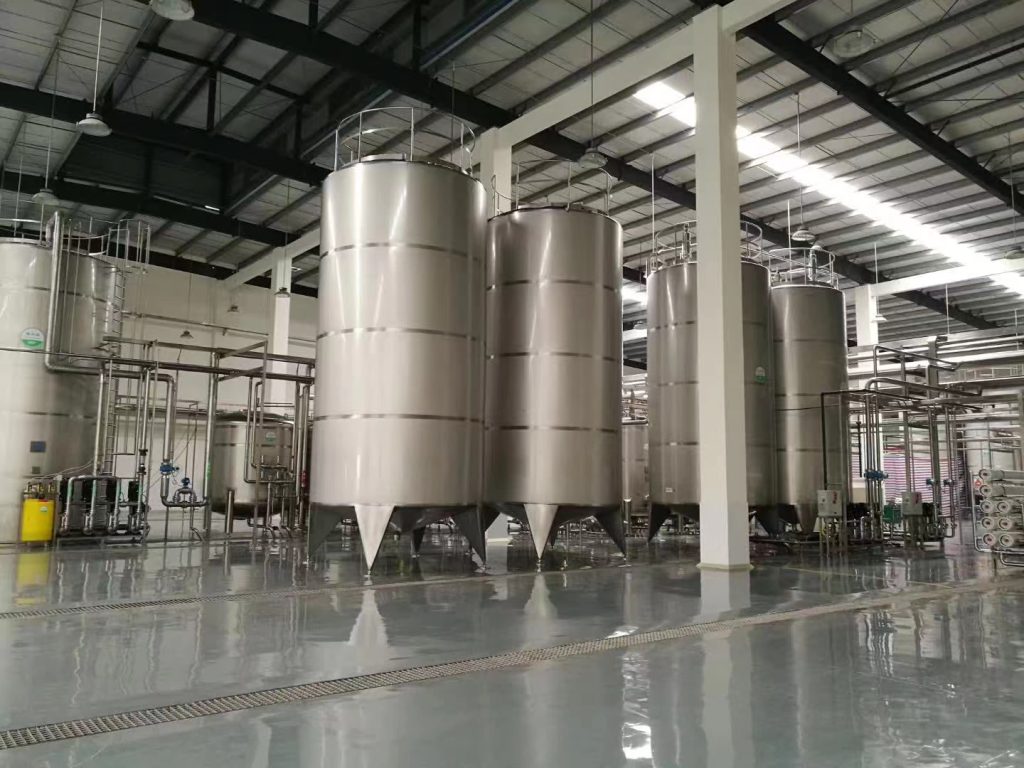
An optimal stainless milk tank isn’t just about the material; it’s also about a confluence of intelligent design features that enhance its functionality, hygiene, and operational efficiency. One of the most critical features is the insulation system. Most modern milk tanks are double-walled, with an insulating layer, typically polyurethane foam, sandwiched between the inner stainless steel shell and the outer casing. This insulation is crucial for maintaining the milk’s temperature, whether it’s rapidly cooled after milking or needs to be kept at a consistent chill during storage or transport. Effective insulation minimizes energy consumption for cooling and prevents temperature fluctuations that can compromise milk quality. Another indispensable design element is the cooling system. Depending on capacity and application, a stainless milk tank will incorporate either direct expansion cooling, using refrigerants circulated through plates welded to the inner tank, or an ice-bank cooling system, which uses chilled water. These systems are designed for rapid and uniform cooling of the milk to inhibit bacterial growth effectively. Agitation is also paramount. Milk needs gentle, continuous stirring to prevent fat separation and ensure an even temperature throughout the tank. Modern tanks feature slow-speed agitators with specially designed blades to achieve this without damaging the milk’s delicate structure. Access for cleaning and inspection is also a primary concern. Tanks are typically equipped with manholes, CIP (Clean-In-Place) spray balls, and sloping bottoms to ensure complete drainage and thorough cleaning. The internal surfaces should be polished to a high finish to further deter bacterial adherence and facilitate comprehensive sanitation. SKE engineers its fermentation tank solutions, which share many design commonalities with milk tanks, to similarly prioritize hygiene and operational integrity through thoughtful design. For specialized needs, such as a vacuum pasteurization system, tank design becomes even more critical to maintain specific processing conditions. Furthermore, modern stainless milk tank designs often include advanced monitoring and control systems. These can track temperature, agitation speed, milk volume, and even integrate with farm management software, providing real-time data and alerts. Features such as sturdy adjustable legs, anti-vortex outlets for optimal drainage, and vents to prevent vacuum formation further contribute to the tank’s overall functionality and safety. The holistic design of these tanks ensures that every aspect of milk storage is optimized for safety, efficiency, and quality, making them more than just simple containers but rather sophisticated dairy management tools. A well-designed stainless milk tank is truly a marvel of engineering, combining practicality with precision to ensure milk arrives at its next destination in perfect condition.
Sizing and Capacity: Choosing the Right Stainless Milk Tank
Selecting the appropriate size and capacity for a stainless milk tank is a critical decision that directly impacts operational efficiency, cost-effectiveness, and overall dairy management. The ideal tank size is not merely about current production volume but also considers future growth, milking frequency, collection schedules, and available space. For small to medium-sized dairy farms, a tank’s capacity must accommodate at least 2 to 3 days’ worth of milk production, allowing for buffer capacity in case of unexpected delays in collection or increased yield. This helps optimize collection frequency and reduce transportation costs. Farms often calculate their daily milk output, then factor in a growth margin and collection cycle to arrive at an approximate required volume. A common range for farm tanks might be from 1,000 to 20,000 liters, though custom solutions are readily available. For example, a reliable batch pasteurizer often requires a specific volume capacity, and the upstream milk tank must be sized accordingly to ensure seamless operation. On the other hand, large-scale dairy processors or aggregation centers might require significantly larger industrial stainless milk tank units, often exceeding 50,000 or even 100,000 liters. These massive tanks play a crucial role in consolidating milk from multiple sources before it undergoes further processing like pasteurization or homogenization. The physical footprint of the tank is also a key consideration. While horizontal tanks are common due to their lower height and easier access, vertical tanks offer a smaller footprint for the same volume, making them suitable for spaces with height but limited floor area. The choice between horizontal and vertical designs often depends on existing infrastructure and future expansion plans. SKE offers a diverse range of tanks, including those suitable for storing ingredients prior to processes like milk pasteurizer operations, helping clients choose optimal solutions. Furthermore, the number of tanks might be as important as their individual capacity. Having multiple smaller tanks can provide greater flexibility in milk segregation (e.g., organic vs. conventional, or different fat content batches) and allows for maintenance on one tank without shutting down the entire operation. This modularity can be particularly beneficial for operations that process various types of dairy products or have fluctuating production volumes. Consulting with equipment specialists who understand the intricacies of dairy processing and have experience with various stainless milk tank configurations is crucial. They can provide insights into optimal sizing, placement, and integration into existing systems, ensuring that the investment supports long-term operational goals and maximizes efficiency. Proper sizing prevents over-cooling inefficiently or, conversely, running out of storage, both of which can lead to significant economic losses and quality compromises. Therefore, a careful assessment of current and projected needs is essential when investing in a stainless milk tank.
Maintenance and Longevity of Your Stainless Milk Tank Investment
Investing in a high-quality stainless milk tank is a significant capital expenditure for any dairy operation, making its longevity and consistent performance paramount. Proper maintenance is not just about extending the life of the tank; it’s about ensuring continuous hygiene, operational efficiency, and adherence to stringent food safety regulations. The cornerstone of maintenance for a stainless milk tank is regular, thorough cleaning and sanitization. Most modern tanks are equipped with CIP (Clean-In-Place) systems, which automate the cleaning process using a combination of water, detergents, and sanitizers circulated through spray balls. It’s crucial to follow the manufacturer’s recommended CIP protocol, including correct chemical concentrations, temperatures, and circulation times, to effectively remove milk residues and eliminate microbial contaminants. Neglecting this step can lead to biofilm buildup, which compromises milk quality and tank integrity. Beyond daily cleaning, regular inspection of the tank is vital. This includes checking for any signs of corrosion, pitting, or hairline cracks on the interior and exterior surfaces. While stainless steel is highly resistant, aggressive cleaning chemicals, improper welding, or mechanical damage can sometimes compromise its passivation layer. Any detected damage should be promptly addressed by qualified technicians to prevent further deterioration and potential contamination. Another key area of maintenance involves the components external to the main tank body. The agitator motor, gearboxes, cooling unit (compressor, condenser, evaporator), and associated pumps and valves all require periodic checks and servicing. Bearings may need lubrication, seals might need replacement, and refrigeration lines should be inspected for leaks. Electrical connections and control panels also need to be checked for wear and proper functioning. SKE’s expertise in processing equipment extends to providing guidance on maintaining complex systems like a CIP cleaning system, which is integral to tank hygiene. Furthermore, it is prudent to establish a preventative maintenance schedule that goes beyond routine checks. This might involve annual professional inspections, calibration of temperature sensors and probes, and testing of safety valves. Keeping detailed records of maintenance activities helps track the tank’s history, identify recurring issues, and predict potential failures, allowing for proactive interventions rather than reactive repairs. A well-maintained stainless milk tank not only functions optimally, but it also supports the overall quality assurance program of the dairy facility. It demonstrates a commitment to product safety and regulatory compliance, reinforcing the brand’s reputation. By adhering to a diligent maintenance regimen, dairy producers can expect their stainless milk tank investment to deliver reliable performance for many years, helping to sustain profitable and hygienic operations for a long time.
SKE’s Commitment to Quality Stainless Milk Tank Solutions
At SKE, we understand that a stainless milk tank is more than just a piece of equipment; it’s a cornerstone of dairy processing integrity and efficiency. Our commitment to quality is embedded in every stage of design, manufacturing, and support for our stainless steel storage solutions. We leverage years of expertise in the food and beverage industry to produce tanks that meet the most rigorous international standards for hygiene, performance, and durability. Using only premium food-grade stainless steel, primarily AISI 304 and 316, we ensure that our tanks are resistant to corrosion, easy to clean, and non-reactive with milk, preserving its natural taste and properties. Our manufacturing processes incorporate advanced welding techniques and meticulous surface finishing to create seamless, ultra-smooth interiors that eliminate potential microbial harborage points. Every SKE stainless milk tank is engineered with precision, incorporating state-of-the-art insulation and highly efficient cooling systems to maintain optimal temperatures, minimizing energy consumption and ensuring rapid milk cooling. Whether you require a vertical or horizontal storage tank, a buffer tank, or a specialized mixing tank, SKE offers customized solutions tailored to your specific operational needs and capacity requirements. Our tanks are designed for ease of integration into existing dairy lines and are equipped with features like robust agitators for gentle stirring, accurate temperature sensors, and easily accessible manholes for inspection and maintenance. We also provide comprehensive after-sales support, including installation guidance, operational training, and spare parts availability, ensuring that your SKE stainless milk tank delivers consistent, reliable performance throughout its long service life. Our expertise extends beyond individual tanks to complete dairy processing lines, including UHT sterilizer systems, for which proper upstream and downstream tankage is crucial. Choosing an SKE stainless milk tank means investing in a solution that combines innovative engineering, superior materials, and an unwavering dedication to customer success. We pride ourselves on building equipment that not only meets but exceeds expectations, contributing significantly to the safety, quality, and profitability of your dairy operations. Our philosophy is to empower dairy producers with the best possible tools, ensuring every liter of milk handled maintains its premium quality from farm to table. We view ourselves as partners in our clients’ success, striving to provide durable and efficient solutions that stand the test of time and support sustainable growth.
Future Trends and Innovations in Stainless Milk Tank Technology
The dairy industry is constantly evolving, driven by demands for increased efficiency, sustainability, and enhanced product safety. Consequently, the stainless milk tank, while a mature technology, is also undergoing continuous innovation. One significant trend is the integration of advanced smart technologies. Future tanks will feature more sophisticated sensors, not just for temperature and fill level, but also for milk quality parameters like pH, fat content, and even early detection of bacterial growth. These sensors will feed data into centralized monitoring systems, allowing for real-time analysis, predictive maintenance, and automated alerts, enabling dairy operators to intervene proactively. The Internet of Things (IoT) will play a crucial role, with tanks communicating seamlessly with other farm equipment and processing machinery, creating a truly interconnected dairy ecosystem. Another area of innovation focuses on energy efficiency and environmental sustainability. While current stainless milk tank designs are already energy-conscious, future models will likely incorporate even more advanced insulation materials, optimized cooling circuits, and potentially utilize renewable energy sources for powering their pumps and agitators. Heat recovery systems, which capture waste heat from the cooling process to pre-warm water for cleaning or other farm uses, will become more prevalent, further reducing operational costs and carbon footprint. Automation is also set to advance further. While CIP systems are highly automated, areas like milk sampling, precise ingredient dosing (for mixing tanks), and integrated cleaning verification systems could see greater automation. This reduces manual labor, minimizes human error, and ensures consistent quality control. For specialized applications such as those handling sensitive products, advanced flow meters and control valves will ensure precise handling. The design of the stainless milk tank itself might also see subtle changes. Engineers are always looking for ways to improve internal flow dynamics to enhance cleaning efficiency and reduce milk adherence, perhaps through new baffling designs or even smoother inner surface finishes achieved through novel polishing techniques. Modularity and scalability will also be key, allowing tanks to be easily expanded or reconfigured to meet changing production demands without requiring entirely new installations. Furthermore, as traceability becomes increasingly important for consumers, future tanks might incorporate blockchain-enabled tracking systems, offering an immutable record of milk’s journey from cow to tank. This level of transparency will bolster consumer trust and meet evolving regulatory requirements. Companies like SKE are at the forefront of these innovations, continually researching and developing solutions that keep pace with industry demands, ensuring that the stainless milk tank remains an indispensable, cutting-edge component of the modern dairy supply chain. By embracing these future trends, the dairy industry can look forward to even safer, more efficient, and more sustainable milk production and storage.
What are the primary benefits of using a stainless milk tank over other materials?
The primary benefits of a stainless milk tank include superior hygiene due to its non-porous, smooth surface that prevents bacterial growth and is easy to clean. It offers excellent corrosion resistance, preventing metallic off-flavors and ensuring milk purity. Additionally, stainless steel provides exceptional durability and longevity, making it a cost-effective long-term investment. Its thermal properties, coupled with insulation, maintain optimal milk temperatures effectively.
How often should a stainless milk tank be cleaned and sanitized?
A stainless milk tank should be cleaned and sanitized after every emptying. For dairy farms, this typically means after each milk collection. High-quality tanks are usually equipped with automatic Clean-In-Place (CIP) systems that facilitate thorough and consistent cleaning within minutes, ensuring optimal hygiene and preventing bacterial buildup.
What capacity stainless milk tank is suitable for a small to medium-sized dairy farm?
For a small to medium-sized dairy farm, the ideal stainless milk tank capacity typically ranges from 1,000 to 20,000 liters. The precise size depends on the farm’s daily milk production, the frequency of milk collection (usually every 2-3 days), and desired buffer capacity for future growth or unforeseen delays. It’s crucial to factor in enough capacity to store at least 2-3 days production comfortably.
Does SKE offer custom-designed stainless milk tank solutions?
Yes, SKE specializes in providing custom-designed stainless milk tank solutions. We understand that each dairy operation has unique requirements regarding capacity, footprint, and specific functionalities. Our team works closely with clients to engineer tanks that precisely meet their operational needs, ensuring optimal integration and performance within their existing or new processing lines.
Ready to Elevate Your Dairy Operations with a Premium Stainless Milk Tank?
SKE is dedicated to providing cutting-edge solutions for the dairy industry. If you have questions or want to discuss your specific stainless steel tank needs, our experts are here to help.
Connect with us:
Facebook |
Email: info@skeequipment.com
Or, simply fill out the contact form below and one of our specialists will get back to you promptly!