What Is a Brewery Canning Line?
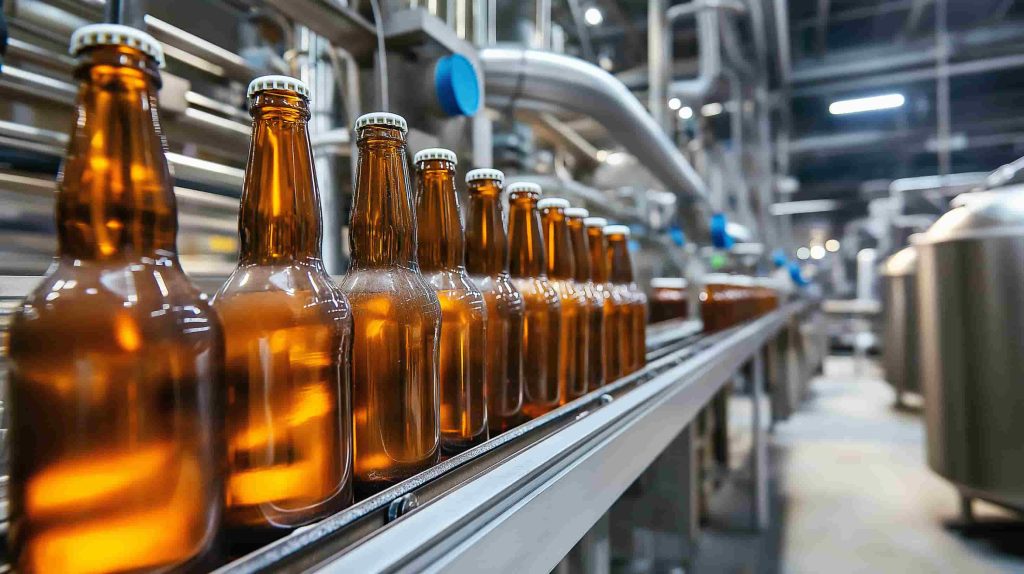
A brewery canning line is an integrated system of specialized machinery designed to automate the entire process of packaging beer into cans—from cleaning empty cans to labeling and packaging the final product. Unlike manual or semi-manual packaging methods, a modern brewery canning line streamlines operations, reduces human error, and ensures consistent quality across every can.
At its core, a brewery canning line revolves around the beer can filling machine, the heart of the system that accurately dispenses beer into cans while minimizing oxygen exposure—a critical factor in preserving beer flavor and shelf life. While the term “brewery canning line” specifically refers to beer packaging, it shares similarities with a drink canning line, which is designed for a broader range of beverages (e.g., soda, juice, energy drinks).
For breweries of all sizes, the right canning line transforms production capabilities. Small craft breweries might opt for compact, semi-automatic lines, while the biggest breweries in US and the biggest brewery in the world rely on high-speed, fully automatic systems that handle thousands of cans per hour.
Key Components of a Brewery Canning Line
A fully functional brewery canning line consists of several interconnected components, each playing a vital role in the packaging process. Understanding these components is essential for choosing the right canning line for sale and optimizing its performance. Below is a breakdown of the core parts, with a focus on the beer can filling machine and its integration with other systems:
-
Depalletizer: This machine automates the process of unloading empty cans from pallets, feeding them into the line at a consistent rate. It eliminates manual lifting, reduces labor costs, and ensures a steady flow of cans to the next stage. For high-volume operations (like the biggest breweries in US), depalletizers are fully automatic, while small breweries may use semi-automatic or manual versions.
-
Can Rinser/Cleaner: Before filling, empty cans must be thoroughly cleaned to remove dust, debris, or any contaminants that could affect beer quality. Can rinsers use high-pressure water, air, or a combination of both to sanitize the interior of cans, ensuring a sterile environment for the beer.
-
Beer Can Filling Machine: As the centerpiece of the brewery canning line, the beer can filling machine dispenses precise volumes of beer into each can. Advanced models use counter-pressure filling technology to minimize oxygen pickup, which can cause beer to oxidize and lose flavor. SKE’s beer can filling machines are designed with precision nozzles and adjustable filling speeds, accommodating different can sizes (12oz, 16oz, 32oz) and beer styles (lagers, IPAs, stouts).
-
Seamer: After filling, cans are sealed with a lid to prevent leakage and oxygen exposure. The seamer uses pressure to crimp the lid onto the can’s rim, creating an airtight seal. High-quality seamers are critical—even a minor defect can lead to spoilage or product loss. SKE’s seamers are rigorously tested to ensure consistent, reliable seals every time.
-
Labeler: Once sealed, cans move to the labeler, which applies adhesive labels or shrink sleeves to the can’s exterior. Labelers can be customized to handle different label sizes and materials, allowing breweries to showcase their brand identity. For large-scale operations, automatic labelers can apply hundreds of labels per minute.
-
Packaging Machine: The final step in the brewery canning line is packaging the labeled cans into cases, six-packs, or other retail-ready formats. Packaging machines automate this process, reducing labor and ensuring consistent packaging quality. Some systems also include palletizers to stack cases for storage and shipping.
Types of Brewery Canning Lines (By Automation & Scale)
Brewery canning lines are available in three main types, each tailored to different production volumes and budget constraints. When searching for a canning line for sale, it’s critical to match the line’s capabilities to your brewery’s size and growth goals. Below is a detailed comparison, including use cases for each type:
| Type of Canning Line | Automation Level | Production Capacity | Ideal For | Key Features |
| Manual Canning Line | Low (Manual labor for most steps) | 50-200 cans per hour | Microbreweries, home breweries, or startups with limited budget | Compact design, low upfront cost, easy to operate, minimal space required |
| Semi-Automatic Canning Line | Medium (Automated filling/seaming; manual feeding/packaging) | 200-1,000 cans per hour | Small to medium craft breweries with growing production | Balanced cost-efficiency, adjustable speed, compatible with multiple can sizes, reduces labor |
| Fully Automatic Canning Line | High (Full automation from depalletizing to packaging) | 1,000+ cans per hour (up to 10,000+ for industrial lines) | Large craft breweries, regional breweries, and the biggest breweries in US/world | High-speed production, minimal labor, integrated quality control, scalable for growth |
Why Breweries Choose Canning Lines Over Bottling
In recent years, canning has become the preferred packaging method for breweries of all sizes, surpassing bottling in many markets. This shift is driven by several key advantages that a brewery canning line offers, especially when paired with a high-quality beer can filling machine. Below are the top reasons breweries are investing in canning lines:
First, cans provide superior protection for beer. Unlike glass bottles, cans are opaque, blocking UV light that can degrade beer flavor and cause “skunking.” Cans also create an airtight seal, reducing oxygen exposure far more effectively than bottle caps. This extends the shelf life of beer, making it ideal for distribution to distant markets— a key factor for the biggest breweries in US and the biggest brewery in the world.
Second, canning lines are more efficient and cost-effective than bottling lines. Cans are lighter and more compact, reducing shipping costs and storage space. They also require less material to produce than glass bottles, making them more environmentally friendly—a growing priority for consumers and breweries alike.
Third, cans are more convenient for consumers. They are portable, unbreakable, and easy to recycle, making them perfect for outdoor events, sports games, and on-the-go consumption. This convenience has driven demand for canned beer, prompting breweries to invest in canning lines to meet market needs. Even small craft breweries are seeing increased sales after switching to cans, thanks to their appeal to modern consumers.
Deep Dive: Canning Line for Sale, Drink Canning Line
1. Canning Line for Sale: What to Look For
When searching for a canning line for sale, breweries must consider several critical factors to ensure they get the right equipment for their needs. First, production capacity—match the line’s speed to your current and future production goals. A small brewery may start with a semi-automatic line but should choose a system that can be upgraded as they grow.
Second, quality and reliability. The beer can filling machine and seamer are the most critical components—look for machines made from food-grade stainless steel, with easy-to-clean designs and robust construction.
Third, customization options. Every brewery is unique, so a canning line for sale should be customizable to accommodate different can sizes, beer styles, and packaging formats.
2. Drink Canning Line vs. Brewery Canning Line
While a drink canning line and a brewery canning line share similar components, there are key differences that make brewery lines specialized for beer. Beer is a carbonated beverage with specific viscosity and oxygen sensitivity, so brewery canning lines (and their beer can filling machines) are designed with counter-pressure filling to prevent carbonation loss and oxidation.
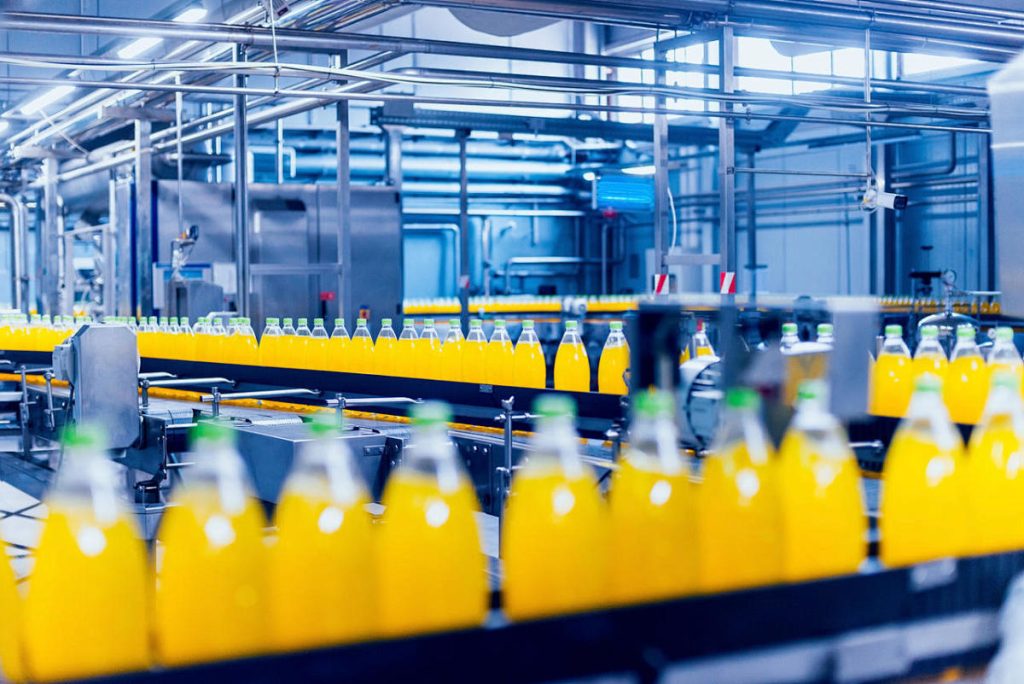
Drink canning lines, on the other hand, may be designed for non-carbonated beverages (e.g., juice, iced tea) or carbonated drinks with lower carbonation levels (e.g., soda). They may use gravity filling instead of counter-pressure filling, which is not suitable for beer. When choosing a line, breweries should avoid generic drink canning lines and opt for systems specifically engineered for beer.
3. Beer Can Filling Machine: The Heart of the Brewery Canning Line
The beer can filling machine is the most critical component of any brewery canning line. Its performance directly impacts beer quality, consistency, and production efficiency.
Key features of a high-quality beer can filling machine include precision filling (to ensure consistent volume per can), counter-pressure technology (to minimize oxygen pickup), and easy cleaning (to maintain sanitation). Advanced models also include sensors to detect underfilled or overfilled cans, reducing waste and ensuring quality control.
4. Biggest Breweries in US: How They Use Canning Lines
The biggest breweries in US rely on state-of-the-art brewery canning lines to meet their massive production demands. These breweries use fully automatic lines with high-speed beer can filling machines that can handle 10,000+ cans per hour, ensuring consistent quality across millions of cans annually.
For example, Anheuser-Busch’s facilities feature integrated canning lines that handle everything from depalletizing to packaging, with advanced quality control systems to ensure every can meets their standards. These lines are designed to scale with demand, allowing the brewery to produce popular brands like Budweiser, Coors Light, and Michelob Ultra efficiently.
Even large craft breweries in the US, like Boston Beer Company (Sam Adams), use semi-automatic or fully automatic canning lines to balance quality and production volume. Their lines are often customized to handle seasonal releases and limited-edition beers, showcasing the versatility of modern brewery canning lines.
FAQ: Common Questions About Brewery Canning Lines
Below are answers to the most frequently asked questions about brewery canning lines, beer can filling machines, canning line for sale, and related topics. These questions are designed to address the needs of brewers at all stages, from startups to large-scale operations.
Q1: How do the biggest breweries in US optimize their canning lines?
The biggest breweries in US use fully automatic canning lines with high-speed beer can filling machines, integrated quality control systems, and data analytics to optimize production. They also invest in sustainable practices, such as lightweight cans and energy-efficient equipment, to reduce costs and environmental impact. Many also use automated packaging and palletizing to minimize labor and increase efficiency.
Q2: What’s the difference between a beer can filling machine and a drink can filling machine?
A beer can filling machine is specialized for carbonated beer, using counter-pressure filling to minimize oxygen pickup and preserve carbonation. Drink can filling machines, by contrast, are designed for a broader range of beverages (soda, juice, etc.) and may use gravity filling (for non-carbonated drinks) or low-pressure filling (for lightly carbonated drinks). SKE’s beer can filling machines are optimized for beer, ensuring optimal flavor and shelf life.
Q3: How do I choose the right canning line for my brewery?
Start by assessing your production volume (current and future), budget, and space constraints. Small breweries (50–500 cans per hour) should consider manual or semi-automatic lines, while larger breweries (1,000+ cans per hour) need fully automatic systems. Also, consider customization needs (can sizes, packaging formats) and long-term scalability. SKE’s team can help you evaluate your needs and recommend the perfect line.
Q4: What maintenance is required for a brewery canning line?
Regular maintenance includes cleaning the beer can filling machine, seamer, and rinser to prevent contamination; inspecting and replacing worn parts (e.g., gaskets, nozzles); and calibrating filling volumes to ensure consistency. SKE provides maintenance guides and ongoing support to help breweries keep their lines running smoothly. Routine maintenance extends the life of the equipment and ensures consistent performance.
Q5: Can a brewery canning line handle different can sizes?
Yes, most modern brewery canning lines (including SKE’s) are customizable to handle different can sizes, from 12oz cans to 32oz tallboys. The beer can filling machine, seamer, and labeler can be adjusted to accommodate different diameters and heights, making it easy for breweries to offer a variety of packaging options without investing in multiple lines.
Contact Us
If you have any further questions, feel free to reach out!
- Facebook: SKE Equipment Facebook
- Email: info@skeequipment.com
For more personalized assistance, please fill out the contact form at the bottom of this page. We look forward to helping you with your brewing needs!