Kombucha fermentation is the biological process that transforms sweetened tea into a tangy, effervescent, probiotic-rich beverage, driven by a symbiotic culture of bacteria and yeast (SCOBY).For beverage producers, mastering kombucha fermentation is not just about crafting a drink; it’s about tapping into a fast-growing functional beverage market while ensuring consistency, safety, and scalability. This article breaks down the science of kombucha fermentation, profiles the industry’s leading players, and explains how SKE’s brewing equipment elevates kombucha production for businesses of all sizes.
What Is Kombucha Fermentation? A Scientific Deep Dive
Kombucha fermentation is a two-stage microbial process that converts sugar and tea into a complex, healthful beverage. At its core is the SCOBY—a gelatinous biofilm composed of yeast (e.g., Saccharomyces, Brettanomyces), acetic acid bacteria (e.g., Acetobacter, Gluconobacter), and small amounts of lactic acid bacteria. These microorganisms work in symbiosis to drive fermentation, with each playing a distinct role in shaping the final product’s flavor, acidity, and probiotic content.
The first stage of fermentation is alcoholic fermentation, where yeast consumes sucrose (the primary sugar source) and converts it into ethanol and carbon dioxide (CO₂). This step typically lasts 3–7 days, depending on temperature and SCOBY health, and produces the initial effervescence and mild alcohol content. The second stage is acetic acid fermentation, where acetic acid bacteria oxidize the ethanol into acetic acid, gluconic acid, and other organic acids. This lowers the beverage’s pH from an initial 4.5 to a final 2.5–3.5, creating kombucha’s signature tartness and inhibiting harmful pathogens. Lactic acid bacteria contribute subtle, smooth acidity and enhance the probiotic profile, adding depth to the flavor and health benefits.
Key parameters govern successful kombucha fermentation: temperature (20–28°C/68–82°F is optimal—too cold slows fermentation, too hot kills beneficial bacteria), sugar concentration (5–15% w/v sucrose), tea type (black, green, or oolong tea, with black tea being the most common substrate), and oxygen exposure (the SCOBY requires surface oxygen for acetic acid production). Controlling these variables ensures consistent flavor, safe alcohol levels (typically <0.5% ABV for non-alcoholic kombucha), and a stable, shelf-stable product. For commercial brewers, precision in these parameters is non-negotiable to meet regulatory standards and consumer expectations.
The Global Kombucha Market: Growth and Key Drivers
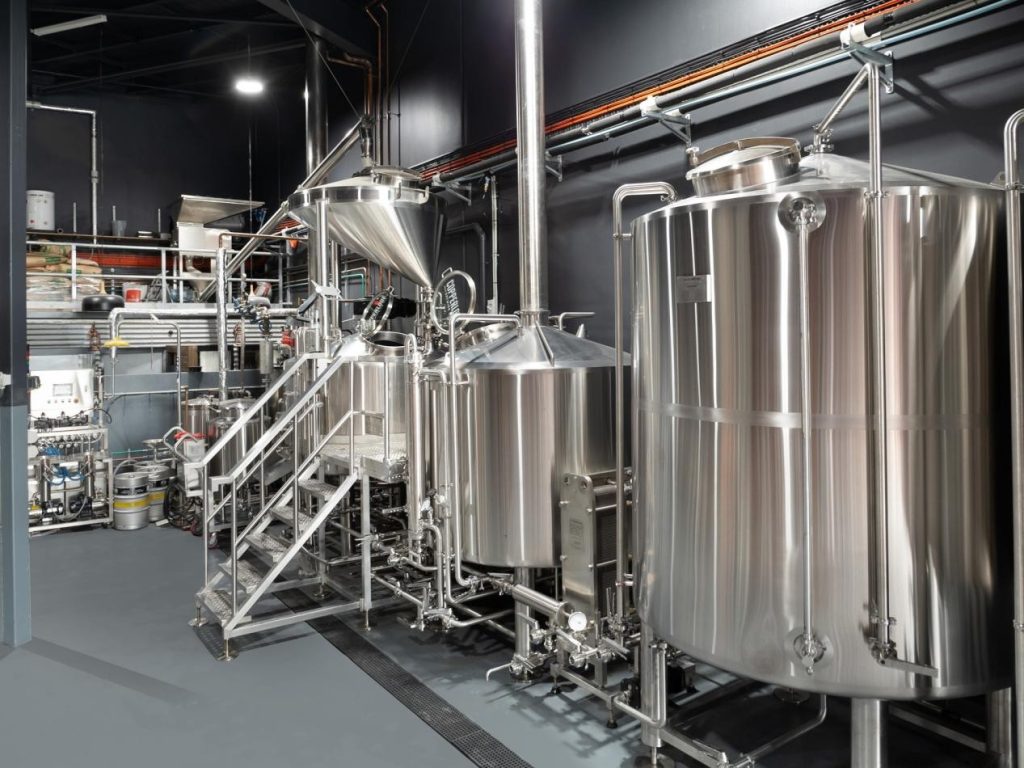
The fermented tea kombucha industry has evolved from a niche home-brewed tonic to a mainstream functional beverage sector, driven by shifting consumer preferences toward health, wellness, and natural products.
Several factors fuel this growth. First, consumers are increasingly ditching high-sugar sodas and artificial energy drinks for functional beverages that offer health benefits beyond hydration. Kombucha’s probiotic content, organic acids, and enzymes are linked to improved gut health, digestion, and immune support—key selling points for health-conscious buyers. Second, flavor innovation has expanded kombucha’s appeal: brands now offer fruit-infused, herbal, and functional blends (e.g., adaptogen-infused kombucha) to cater to diverse taste preferences. Third, mainstream distribution—from health food stores to supermarkets, cafes, and online platforms—has made kombucha accessible to a broader audience.
For commercial brewers, this growth presents significant opportunities but also challenges: scaling production while maintaining quality, complying with food safety regulations, and competing with established global brands. Investing in professional brewing equipment is a strategic solution to address these challenges, as it enables precise control over fermentation parameters, consistent batch production, and efficient scaling.
Largest Kombucha Brewers in the World: Industry Leaders and Their Strategies
The global kombucha market is led by a handful of established brands that dominate production, distribution, and innovation. These largest brewers in the world have built their success through quality ingredients, flavor diversity, scalable production, and strong brand identity. Below is a table profiling the top kombucha brewers, their key metrics, and market strategies:
| Brewer Name | Headquarters | Annual Production/Market Share | Key Products | Core Strategy |
|---|---|---|---|---|
| GT’s Living Foods | United States | ~40% U.S. market share; 550–600M USD annual revenue | Original, fruit-flavored, hard kombucha | Organic ingredients, retail penetration, probiotic focus |
| Health-Ade | United States | Top 3 U.S. brand; 200+M USD revenue | Cold-pressed juice-infused kombucha | Premium quality, local sourcing, sustainability |
| KeVita (PepsiCo) | United States | Acquired by PepsiCo (2016); global distribution | Sparkling probiotic kombucha, low-sugar variants | Mass-market distribution, beverage giant backing |
| Remedy Drinks | Australia | Leading APAC brand; 150+M USD revenue | Organic, raw kombucha, low-sugar options | APAC expansion, clean label, functional blends |
| Brew Dr. Kombucha | United States | Top 5 U.S. brand; craft-focused | Small-batch, herbal kombucha | Artisanal quality, flavor innovation, sustainability |
| Humm Kombucha | United States | Fast-growing U.S. brand; 100+M USD revenue | Zero-sugar, probiotic kombucha | Health-focused marketing, retail partnerships |
GT’s Living Foods, founded by GT Dave, is the undisputed global leader, with a dominant U.S. market share and distribution across North America, Europe, and Asia-Pacific. The brand’s success stems from its early entry into the market, commitment to organic ingredients, and wide retail presence in grocery stores and supermarkets. Health-Ade differentiates itself with cold-pressed juice infusions and a focus on premium, locally sourced ingredients, appealing to consumers seeking high-quality, artisanal products.
KeVita, backed by PepsiCo, leverages the beverage giant’s global distribution network to reach mass markets, offering low-sugar and sparkling probiotic kombucha variants. Remedy Drinks leads the Asia-Pacific market, focusing on organic, raw kombucha and expanding into emerging markets like China and Japan. Craft-focused brands like Brew Dr. Kombucha and Humm Kombucha carve out niches with artisanal quality, unique flavors, and health-centric messaging, competing with larger players on quality and authenticity.
These leaders share common strategies: investing in R&D for flavor and formulation innovation, prioritizing clean labels and organic ingredients, and scaling production with professional brewing equipment to meet growing demand. For smaller and mid-sized brewers, studying these strategies—especially their focus on quality control and scalability—provides a roadmap for competing in the global market.
Kombucha Fermentation Equipment: The Role of Professional Brewing Systems
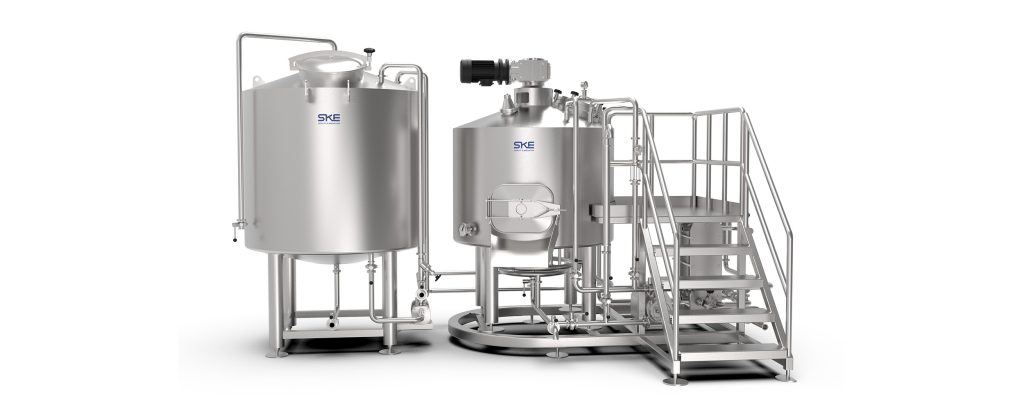
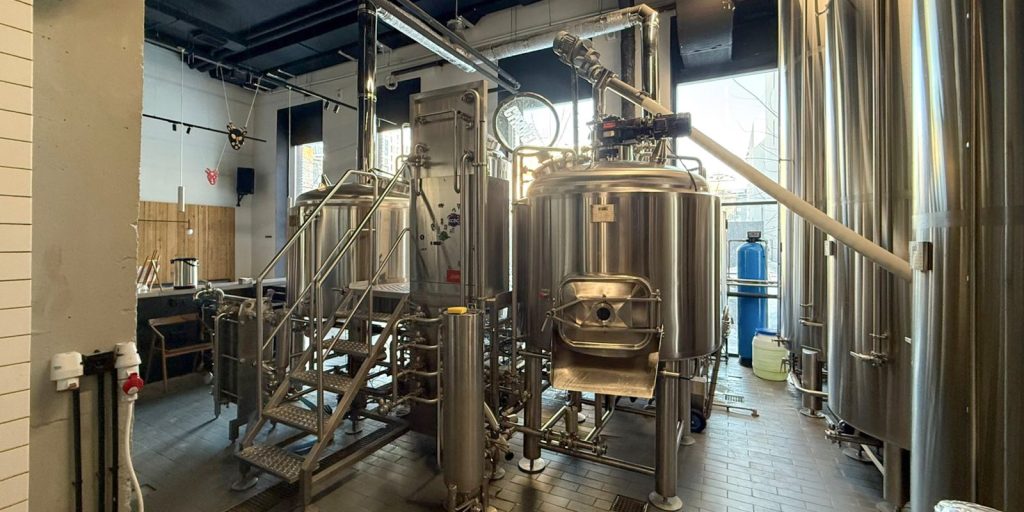
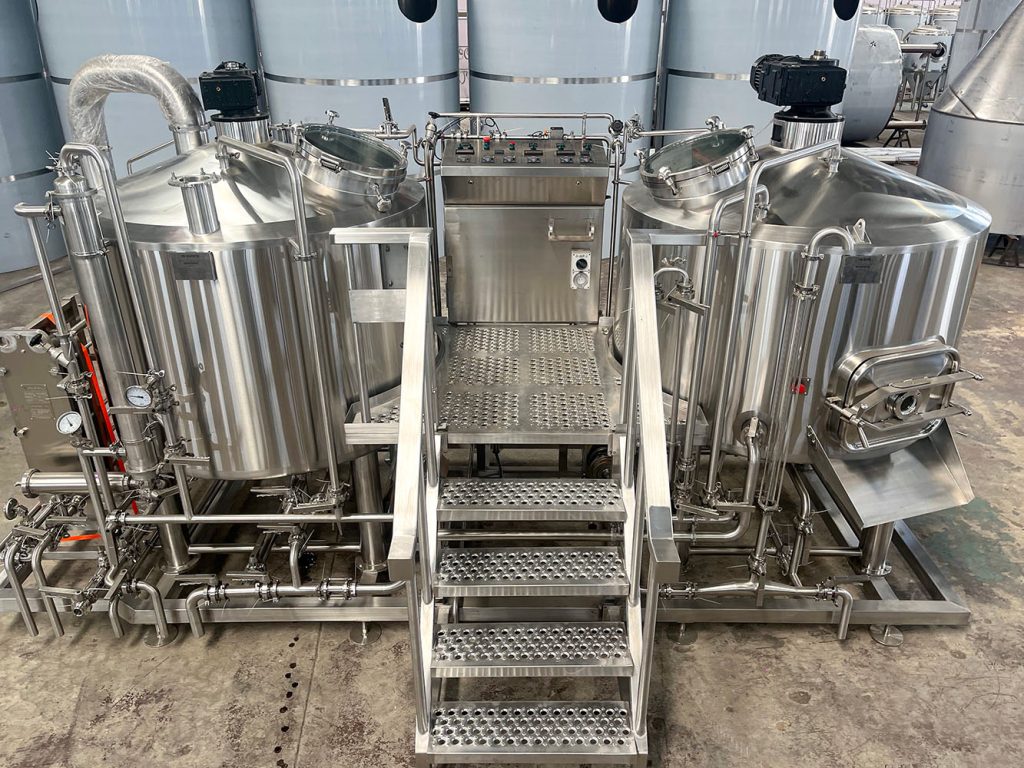
Commercial kombucha production requires specialized equipment to replicate the precision of small-batch fermentation at scale. Unlike home brewing, which relies on basic containers, commercial brewing demands systems that control temperature, pH, oxygen exposure, and sanitation—critical for consistent, safe, and high-quality kombucha. SKE, a leading beer and fermented beverage equipment manufacturer, designs and builds kombucha brewing systems tailored to the unique needs of kombucha producers, from craft startups to large-scale facilities.
SKE’s kombucha equipment integrates the core principles of kombucha fermentation science, offering features that optimize every stage of production. Key equipment includes:
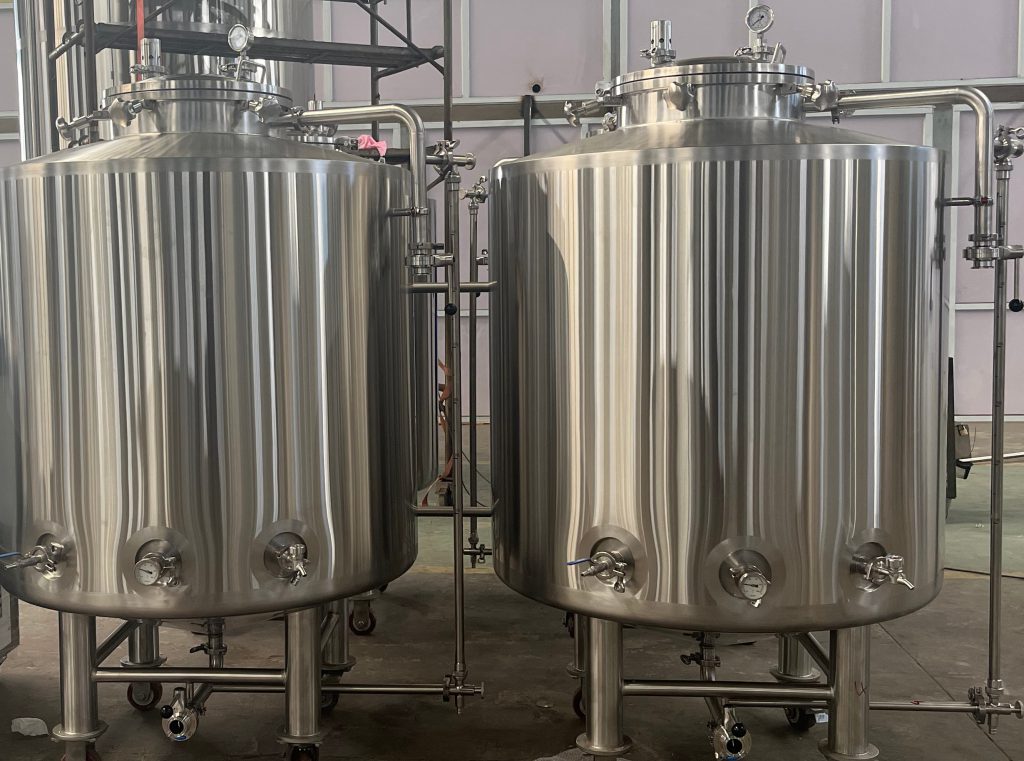
- Stainless Steel Fermenters: Jacketed, sanitary fermenters with precise temperature control (20–28°C) to maintain optimal fermentation conditions. These fermenters are designed to accommodate SCOBY growth, with surface aeration systems to support acetic acid bacteria activity.
- SCOBY Management Systems: Specialized vessels for culturing and maintaining healthy SCOBYs, ensuring a consistent microbial culture for every batch. SKE’s systems minimize contamination risk and extend SCOBY lifespan, reducing production costs.
- pH and Alcohol Monitoring Tools: Integrated sensors that track pH levels (2.5–3.5) and alcohol content in real time, allowing brewers to halt fermentation at the desired stage for consistent flavor and regulatory compliance.
- Carbonation and Bottling Lines: Automated systems for secondary fermentation (to enhance effervescence) and aseptic bottling, ensuring shelf stability and product safety.
- CIP (Clean-in-Place) Systems: Fully automated sanitation systems that meet food safety standards (e.g., FDA, EU food hygiene regulations), eliminating manual cleaning and reducing contamination risk.
Kombucha Fermentation Best Practices for Commercial Producers
Even with top-tier equipment, successful kombucha production relies on adherence to best practices. These practices ensure optimal fermentation, product safety, and long-term sustainability:
- SCOBY Health Management: Use only healthy, active SCOBYs; avoid contaminated cultures and maintain proper storage conditions (20–24°C) when not in use. SKE’s SCOBY management systems simplify this by providing a controlled environment for culture growth.
- Raw Material Quality: Use high-quality, organic tea (black, green, or oolong) and non-chlorinated water—chlorine can kill beneficial microbes. Source sucrose from reputable suppliers to ensure consistent fermentation.
- Sanitation Protocols: Implement strict sanitation for all equipment, surfaces, and tools. SKE’s CIP systems automate this process, ensuring compliance with food safety standards and eliminating human error.
- Fermentation Parameter Control: Monitor temperature, pH, and sugar levels daily. Use SKE’s integrated sensors to track these metrics in real time and adjust conditions as needed.
- Secondary Fermentation Control: For carbonated kombucha, conduct secondary fermentation in sealed bottles with a small sugar addition (1–2% w/v) to build effervescence. Control time and temperature to avoid over-carbonation or excess alcohol production.
- Quality Testing: Regularly test for alcohol content, pH, and microbial safety to meet regulatory requirements. SKE’s equipment includes built-in testing ports for easy sample collection.
Future Trends in Kombucha Fermentation and Production
The kombucha industry is evolving rapidly, with several trends shaping the future of fermentation and production:
- Hard Kombucha Growth: Hard kombucha (alcohol content 3–6% ABV) is the fastest-growing segment, with a projected CAGR of 18.0% through 2030. This trend demands equipment that can control alcohol production and meet alcoholic beverage regulations—an area where SKE’s flexible brewing systems excel.
- Functional Kombucha: Brands are adding adaptogens, vitamins, and plant-based ingredients to kombucha to enhance its health benefits. SKE’s equipment supports custom formulation, allowing brewers to experiment with functional ingredients while maintaining fermentation stability.
- Sustainable Production: Consumers and regulators are prioritizing eco-friendly practices, from energy-efficient equipment to sustainable packaging. SKE’s brewing systems are designed with energy-saving features (e.g., insulated jackets, low-power sensors) to reduce carbon footprint.
- Regional Flavor Innovation: As the market expands globally, brewers are incorporating local ingredients (e.g., tropical fruits in Asia, herbal blends in Europe) to cater to regional tastes. SKE’s modular equipment allows for flexible batch production, making it easy to test and scale regional flavors.
These trends present new opportunities for kombucha producers, but they also require investment in adaptable, innovative equipment. SKE is at the forefront of developing brewing systems that meet these evolving needs, with R&D focused on hard kombucha production, functional beverage formulation, and sustainable manufacturing.
Frequently Asked Questions (FAQ)
1. What is the ideal temperature for kombucha fermentation?
The optimal temperature for kombucha fermentation is 20–28°C (68–82°F). Temperatures below 20°C slow fermentation and increase contamination risk, while temperatures above 28°C can kill beneficial bacteria and yeast, leading to off-flavors or failed batches. SKE’s jacketed fermenters maintain precise temperature control within this range for consistent results.
2. How long does kombucha fermentation take commercially?
Commercial kombucha primary fermentation typically takes 5–10 days, depending on desired acidity and flavor. Secondary fermentation (for carbonation) adds 2–5 days in sealed bottles. SKE’s equipment allows brewers to adjust fermentation time via real-time monitoring, ensuring the perfect balance of tartness and effervescence.
3. What is the safe pH range for kombucha?
Finished kombucha must have a pH of 2.5–3.5 to inhibit harmful pathogens (e.g., E. coli, mold) and ensure food safety. SKE’s integrated pH sensors track acidity throughout fermentation, allowing brewers to halt the process once the target pH is reached.
4. Can kombucha fermentation produce alcohol?
Yes, kombucha naturally produces small amounts of alcohol (ethanol) during yeast fermentation. Commercial non-alcoholic kombucha typically contains <0.5% ABV, which is regulated as a non-alcoholic beverage in most countries. SKE’s alcohol monitoring tools help brewers control and maintain safe alcohol levels.
5. Why is SCOBY important for kombucha fermentation?
The SCOBY is the living microbial culture that drives kombucha fermentation. It contains yeast and bacteria that convert sugar and tea into organic acids, probiotics, and effervescence. A healthy SCOBY ensures consistent fermentation, flavor, and safety—SKE’s SCOBY management systems are designed to preserve and grow healthy cultures for repeated use.
Contact Us
If you have any further questions, feel free to reach out!
- Facebook: SKE Equipment Facebook
- Email: info@skeequipment.com
For more personalized assistance, please fill out the contact form at the bottom of this page. We look forward to helping you with your brewing needs!