
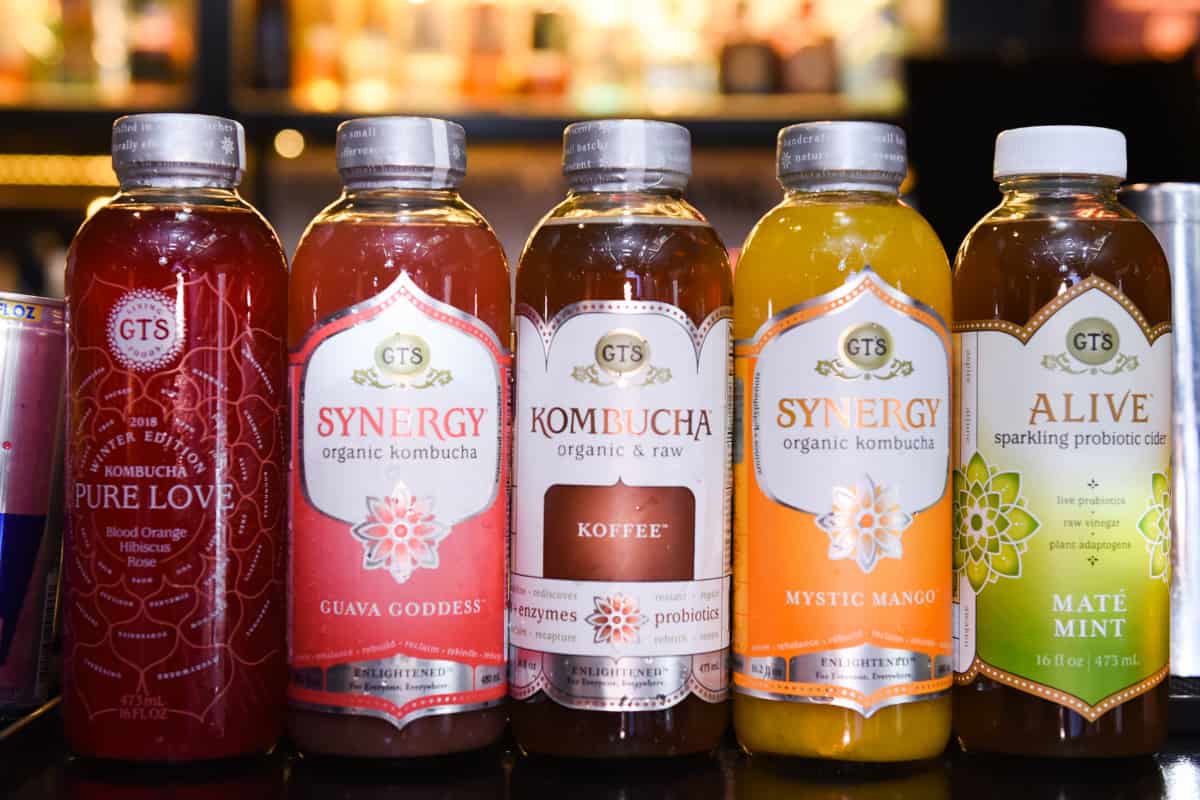
In the world of functional beverages, few stories are as compelling as the rise of kombucha the drink. What was once a closely guarded secret in ancient East Asia has become a global phenomenon. If you visit any supermarket now, you will see many bright, fizzy drinks. They say they are good for your stomach and give you energy in a natural way.
At SKE, we specialize in turning passion projects into professional realities. Whether you are using a glass jar on your kitchen counter or a 5000-liter stainless steel tank, the biology remains the same. Let’s dive into the art, science, and business of brewing the world’s healthiest tea.
What Exactly is Kombucha?
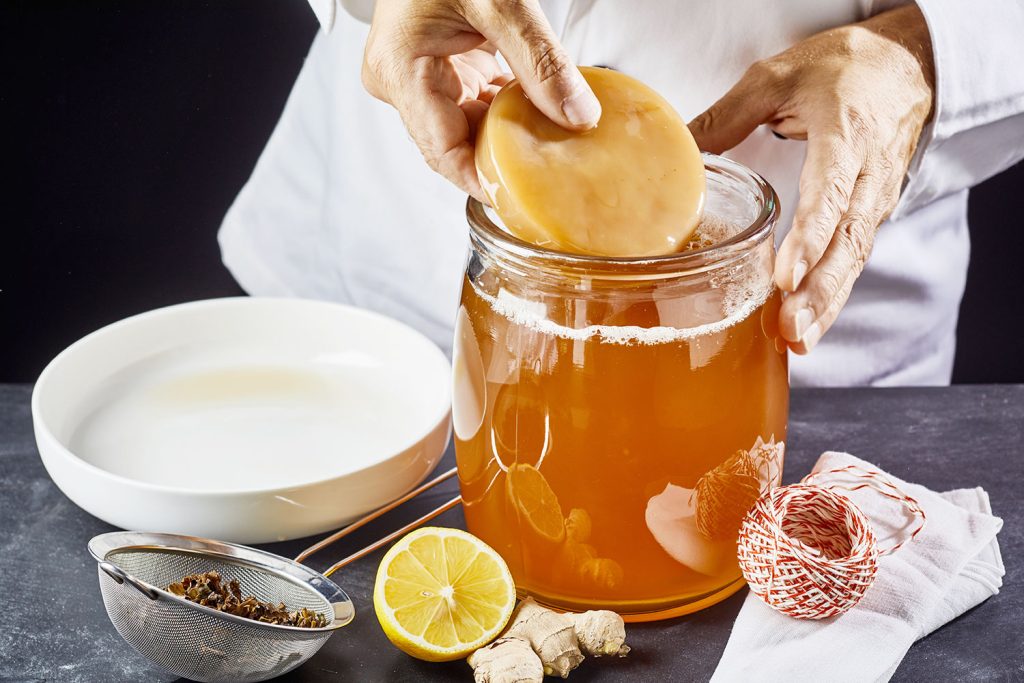
Before we discuss equipment, we need to understand the organism that makes it all happen. Contrary to what many think, kombucha isn’t just iced tea with extra fizz. It is a fermented beverage produced by a Symbiotic Culture Of Bacteria and Yeast, famously known as the SCOBY.
The Essential “Kombucha Starter Kit” Components
If you want to begin your journey, you need more than just a bottle from the store. You need a kombucha starter kit.
Here is the breakdown of what every starter kit must include:
The SCOBY and Starter Liquid:This is the mother culture. You can grow one from a store-bought bottle, but it is much easier to buy a live SCOBY from a trusted source. The starter liquid is crucial—it is highly acidic (pH < 4.5) and immediately drops the pH of the sweet tea, preventing bad mold from taking hold.
The Vessel:You need a large glass jar (1-2 gallons). Never use ceramic or crystal, as the lead can leach into the acidic brew.
The Tea:Classic black tea (Camelia sinensis) is best. The SCOBY needs the nitrogen and tannins found in real tea leaves. Herbal teas lack the necessary nutrients for long-term health.
The Sugar:Plain white cane sugar is the standard. Don’t panic about the sugar content—the SCOBY eats almost all of it during fermentation.
| Component | Function | Substitution Guidelines |
|---|---|---|
| SCOBY | The living culture that ferments the tea | Must be healthy; store in starter tea if not used |
| Tea | Provides nitrogen, tannins, and flavor | Black or Green tea only; avoid flavored teas |
| Sugar | Food for the yeast and bacteria | Standard white sugar preferred; honey can be used (requires strong culture) |
| Starter Liquid | Lowers pH to prevent mold | Use leftover from previous batch or distilled vinegar |
How to Brew Kombucha: The Step-by-Step Process
Now, we get to the core question: How to brew kombucha successfully without growing a science experiment? The process takes about 7 to 10 days and requires patience.
Step 1: The Sweet Tea Base
Boil one gallon of water. Add 8-10 bags of black tea and steep for 10 minutes. Remove the tea bags and stir in 1 cup of white sugar until dissolved. This is non-negotiable—the yeast needs that sugar to produce the good stuff.
Step 2: Cool Down
Allow the sweet tea to cool to room temperature (68-85°F). If you add the SCOBY to hot liquid, you will kill it instantly. This is the most common rookie mistake.
Step 3: The Mating Ritual
Pour the cooled tea into your glass jar. Gently slide the SCOBY on top of the liquid. Pour in 2 cups of the starter liquid (or strong vinegar). The low pH of the starter acts as a shield, protecting the brew from airborne contaminants.
Step 4: The Fermentation
Cover the jar with a tight-weave cloth or a coffee filter secured with a rubber band. Do not use an airlock like beer brewing. Kombucha needs airflow for the bacteria to work, but needs protection from fruit flies. Place the jar somewhere warm (75-85°F is ideal), out of direct sunlight.
Step 5: Taste Testing
After day 7, slide a straw down the side of the jar to taste it. It should be tangy but slightly sweet. The longer it sits, the more vinegar-like it becomes.
Step 6: The Bottling
Once you love the taste, remove the SCOBY and reserve 2 cups of liquid for the next batch. Pour the remaining liquid into airtight bottles. Add a teaspoon of fruit juice, a slice of ginger, or mashed berries. Seal the bottles and let them sit at room temperature for 2-3 days. This is the secondary fermentation, which creates the natural carbonation.
Scaling Up: Why SKE Makes Kombucha Brewing Equipment
The journey from jar to jar is magical, but what if you want to sell your brew? This is where the tea party ends and the engineering begins. While home brewers use cloth and rubber bands, commercial brewers use open-top stainless steel fermenters.
Big beer companies like Molson Coors and Heineken have aggressively entered the market, acquiring kombucha startups to diversify beyond declining alcohol sales. This industrial interest has driven the need for professional-grade kombucha starter kit equipment—scaled up a thousand times.
At SKE, we design the bridge between your kitchen recipe and a commercial reality. Here is why commercial kombucha requires specialized gear rather than repurposed beer tanks:
Open-Top Design
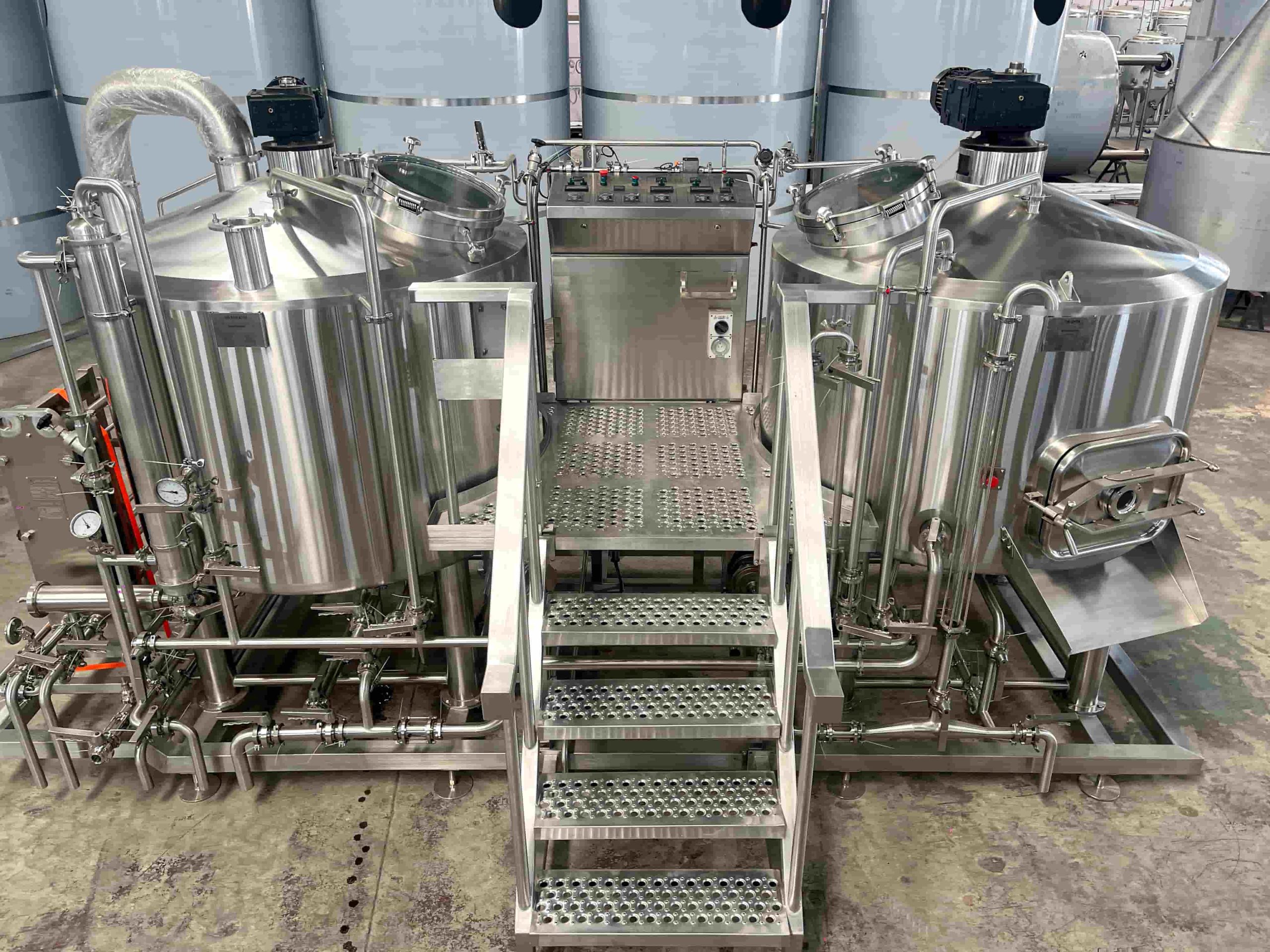
Unlike beer (which is brewed anaerobically), kombucha needs oxygen to form the cellulose SCOBY mat. Our fermenters feature open-top manways, allowing operators to safely remove and divide SCOBYs for the next batch.
Material Matters
Kombucha is highly acidic (pH 2.5-3.5). Standard plastic can leach, and inferior metals will corrode. SKE uses premium AISI 304 or 316 stainless steel, ensuring the acidic “kombucha the drink” remains pure and uncontaminated.
Temperature Control
Heat is the enemy of good booch. Fermentation generates heat internally, but ambient temperatures fluctuate. Our dimple jackets and glycol cooling systems integrate with thermoprobes to keep your 20BBL tank at a steady 78°F, ensuring consistency batch after batch.
The Industrial Kombucha Starter Kit
If you are looking to move beyond 5-gallon batches, you need a system. A true commercial kombucha starter kit from SKE includes more than just a tank.
We provide a complete brewhouse solution: a Steeping Tank for the tea leaves, a Heat Exchanger to rapidly cool the sweet tea (to prevent “cooking” the SCOBY), and the Open-Top Fermenters. We even offer bright tanks for aging flavored varieties.
Using professional equipment removes the variables. You eliminate the risk of mold, increase the speed of fermentation through precise inoculation, and protect your product from oxygen damage once it is bottled.
What is the “Kombucha the Drink” Market Like?
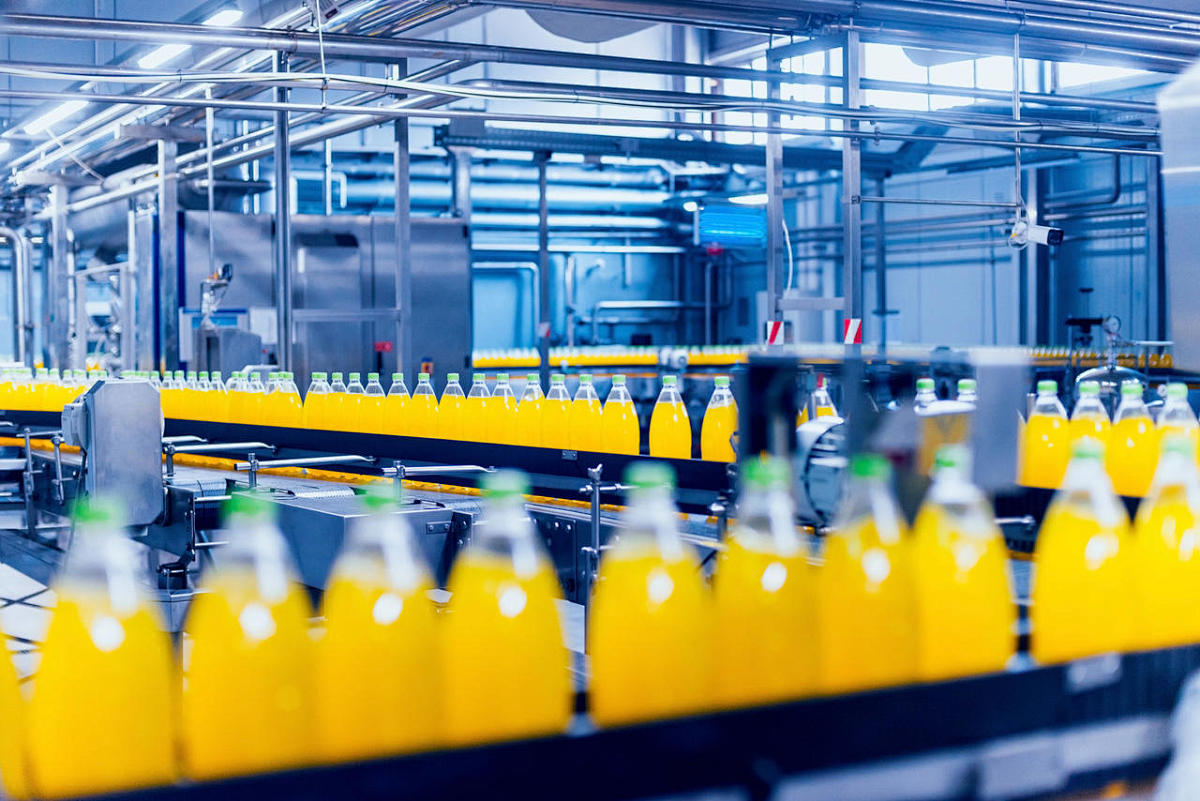
Is it worth scaling up? Absolutely. The functional beverage market is exploding. Data indicates that the global functional foods market is projected to approach significant figures, with an annual growth rate of around 8%.
Consumers are swapping afternoon sodas for kombucha because of the lower sugar content and the presence of organic acids and probiotics. Unlike the niche status of craft beer in the 1990s, kombucha benefits from the “health halo” of the 2020s. It fits keto diets, vegan lifestyles, and the sober-curious movement.
Even the big beer companies are struggling to keep up with demand. Giants like AB InBev and Constellation Brands are pivoting toward non-alcoholic and functional beverages to offset flat beer sales. They are not just buying kombucha brands; they are looking for reliable co-packers and equipment suppliers—where SKE comes in.
The Fermentation Schedule
To help visualize the transformation, here is a typical timeline for a standard batch brewed at 78°F.
| Day | Activity | Taste Profile | What’s Happening |
|---|---|---|---|
| Day 0 | Brewing | Very Sweet | Yeast wakes up; no acidity yet. |
| Day 2 | pH Drop | Slightly Sweet | Yeast begins consuming sugar; CO₂ production starts. |
| Day 4 | Baby SCOBY forms | Young, slightly tart | Bacteria convert ethanol to acids. |
| Day 7 | First Taste | Balanced sweet/tangy | Ideal for those who dislike strong vinegar. |
| Day 10 | Bottling Day | Tangy, minimal sweet | Peak carbonation potential; ready for flavoring. |
| Day 14+ | SCOBY resting | Strong Vinegar | Best used as starter for next batch, not for drinking. |
Frequently Asked Questions (FAQ)
Q: Do I need a SCOBY from a specific place?
A: No. A healthy SCOBY is universal. However, never use one that is black, fuzzy (mold), or smells like rotting cheese. It should smell like vinegar or fresh yeast.
Q: Can big beer companies produce real kombucha?
A: They do, but they face challenges because real kombucha continues to ferment and contains alcohol (usually <0.5%). Many large-scale operations use pasteurization or filtration to stop fermentation, which can kill the probiotics that drinkers want. Craft producers prefer raw, living kombucha.
Q: Why does my first batch taste like vinegar?
A: You let it ferment too long (over 14 days) or your kitchen is very warm. Vinegar taste is fine for cooking, but for drinking, reduce your fermentation time to 7 days.
Q: What equipment does SKE offer for kombucha?
A: Everything from 100L pilot systems to 5000L industrial fermenters. We focus on open-top designs, sanitary welding, and precise temperature control units specifically optimized for the delicate fermentation cycle of kombucha the drink.
Q: Can I use beer equipment to make kombucha?
A: Not ideally. Beer is fermented in sealed, pressurized conicals. Kombucha needs an open top to breathe. While some big beer companies have retrofitted their plants, it is inefficient. Dedicated SKE kombucha tanks feature shallow designs and wide openings for easy SCOBY handling.
Conclusion
Brewing kombucha connects old traditional skills with modern healthy living. You can make small batches at home with simple tools, or build a full commercial drink brand with professional support. The key rules never change: protect your SCOBY, control temperature well and keep all liquids clean.
The fast growth of kombucha will not slow down. Major drink brands prove that healthy fermented drinks have long-term market value.
SKE supports every brewer from small home projects to large factory production. Our strong steel equipment and professional engineering help you make safe, high-quality kombucha for years.
If you have any further questions, feel free to reach out!
- Facebook: SKE Equipment Facebook
- Email: info@skeequipment.com
For more personalized assistance, please fill out the contact form at the bottom of this page. We look forward to helping you with your brewing needs!