For decades, the biggest names in the beverage industry have fought for shelf space with beer and spirits. But the tide is turning. Consumers are no longer just looking for a drink; they are looking for functional hydration and gut health.
Enter Kombucha.What was once a funky homebrew is now a multi-billion dollar industry. While the largest alcohol companies scramble to acquire or develop “better-for-you” alternatives, savvy commercial brewers are realizing a lucrative truth: beer equipment makes the best Kombucha.
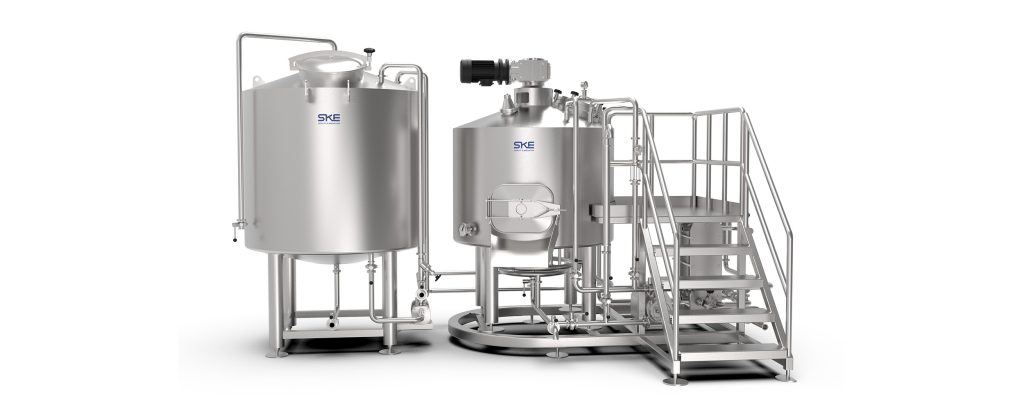
At SKE, we’ve spent years engineering stainless steel solutions for breweries. Today, we are channeling that expertise into the fermented tea revolution. Whether you are a craft brewer looking to diversify or an entrepreneur ready to scale, this guide covers the kombucha brewing equipment you need to dominate the organic kombucha market.
Why Big Alcohol is Watching Kombucha
To understand the value of commercial kombucha equipment, you must first look at the market forces. The largest alcohol companies—such as Anheuser-Busch InBev,Diageo, and Pernod Ricard—face a unique challenge:
Millennials and Gen Z are drinking less alcohol. According to recent industry analyses, while spirits remain strong, volume sales in traditional beer are flatlining. To maintain growth, these giants are pivoting to “functional” beverages.
The Acquisition Spree
You might recognize these names: Pernod Ricard and Diageo are investing heavily in low-and-no-alcohol beverages. In 2016, PepsiCo acquired Kevita, a kombucha maker, for a reported $200 million+.
Why? Because organic kombucha offers the complexity of craft beer (sour, tart, funky) with the health halo of probiotics. For a brewer, this means you don’t have to learn an entirely new business model. You just need the right kombucha brewing equipment.
The Essential Kombucha Brewing Equipment (Commercial Scale)
You can brew kombucha in a bathtub. You cannot sell it legally or consistently from one. Scaling up requires stainless steel. At SKE, we advocate for 304 stainless steel—it is resistant to the acidic nature of kombucha (pH 2.5-3.5), unlike plastic or poor-grade metals.
Here are the three pillars of professional kombucha production:
1. The Tea Steeping & Liquor System
Beer brewers will feel right at home here. Instead of mashing grains, we steep tea.
-
Hot Liquor Tank (HLT): Used to heat large volumes of water.
-
Steeping Tank: A jacketed tank with a filtration system. You add loose-leaf tea or large “tea socks” here. Unlike beer, you don’t want tea leaves circulating, so filtration is critical.
2. The Coolship & Fermenter (The Heart of Kombucha)
This is where beer brewing diverges from kombucha. Traditional beer ferments in closed, anaerobic (airtight) vessels.
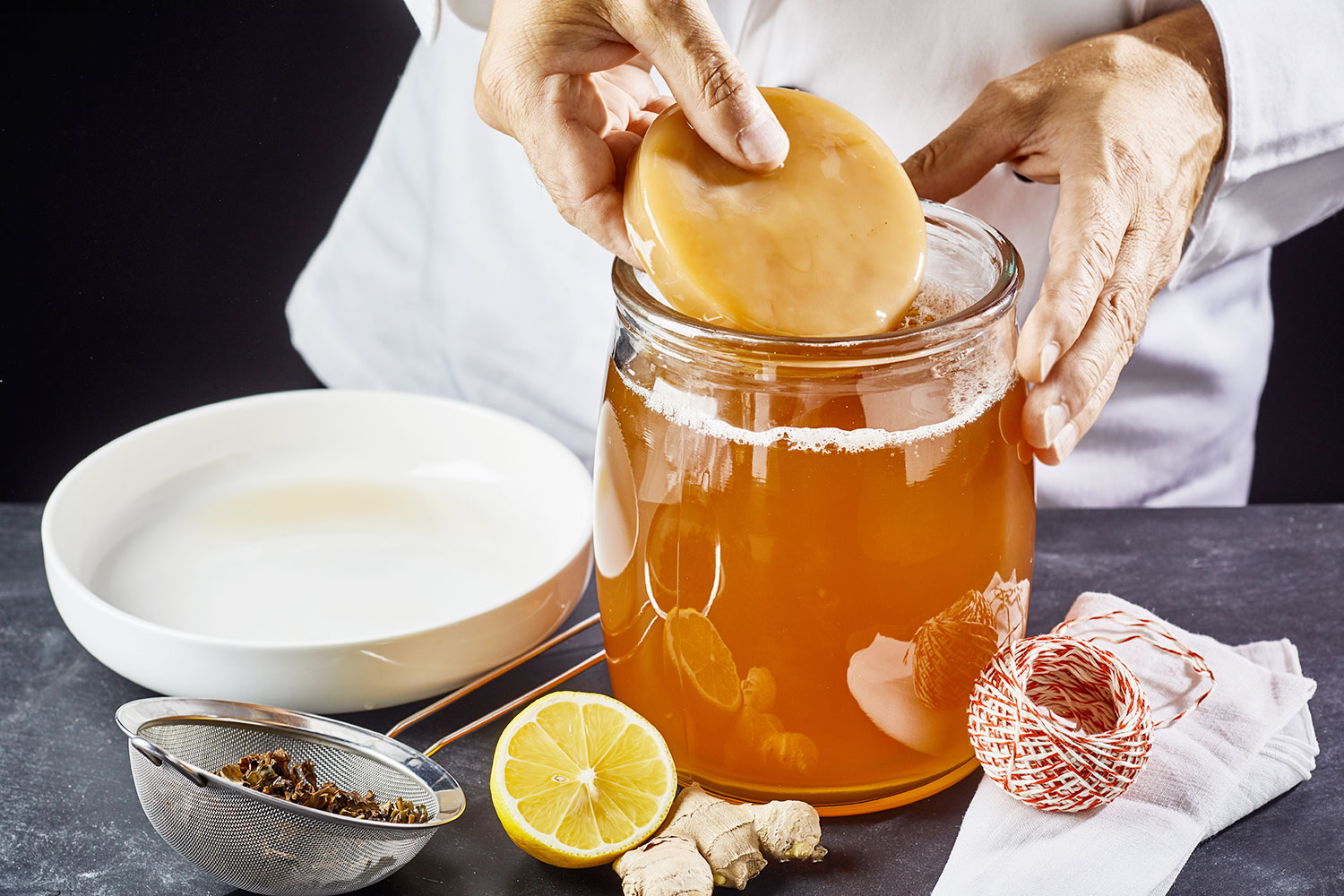
Kombucha is aerobic. The SCOBY (Symbiotic Culture Of Bacteria and Yeast) needs oxygen.
-
The Open-Top Design: SKE’s kombucha fermentation tanks feature wide, open tops. This maximizes the surface area, allowing the SCOBY to breathe and form a healthy cellulose mat.
-
Coolship Technology: Originally used for Lambic beer, coolships are shallow, open vessels. We have adapted these for kombucha to reduce primary fermentation time by up to 50% compared to homebrew jars.
| Parameter | Traditional Closed Fermenters | SKE Open-Top Kombucha Fermenter |
|---|---|---|
| Oxygen Exposure | Limited (Anaerobic) | Maximized (Aerobic) |
| Fermentation Speed | 14 – 30 days | 5 – 10 days |
| SCOBY Health | Prone to sinking/stress | Rapid, uniform growth |
| Cleaning | Complex (CIP required) | Easy Access (Open Manway) |
| Risk of Alcohol | High (Yeast dominates) | Controlled (Acetic Acid dominates) |
3. Finishing & Carbonation (Brite Tanks)
Primary fermentation produces a slightly tart tea. Secondary fermentation adds flavor (fruit juices, herbs) and carbonation.
-
Pressure Relief: When you add fruit juice, fermentation restarts, creating CO2. You need pressure-rated tanks (like SKE’s Brite Tanks) to handle the fizz without exploding.
-
Forced Carbonation: For consistent product, many commercial brewers skip natural carbonation and use forced carbonation via a stone in a chilled brite tank. This gives you crystal clear control over the fizz level.
The Organic Imperative
Our LSI keyword, organic kombucha, isn’t just marketing fluff—it is a consumer demand.
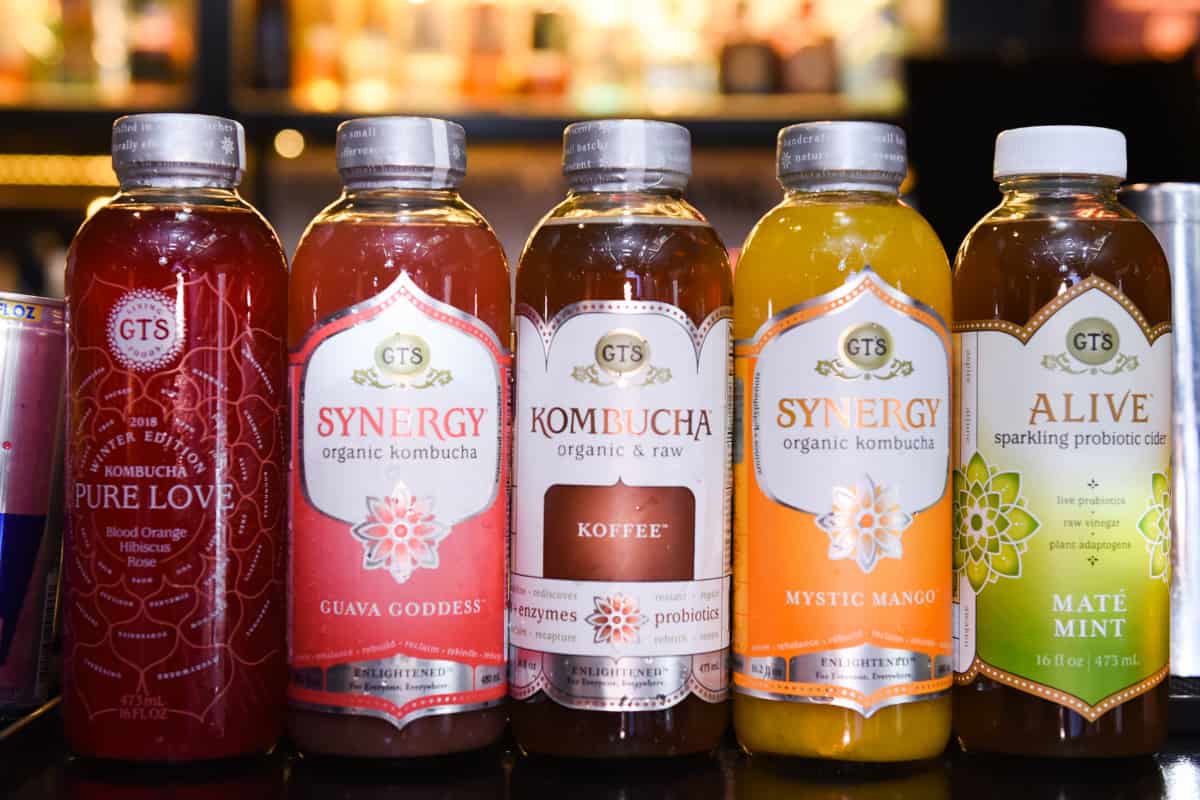
Products like Publix GreenWise Organic Kombucha and GUTsy Captain are dominating shelves specifically because they carry the USDA Organic seal.
Why Equipment Matters for Organic Production
To be certified organic, your equipment must not introduce contaminants. This means:
-
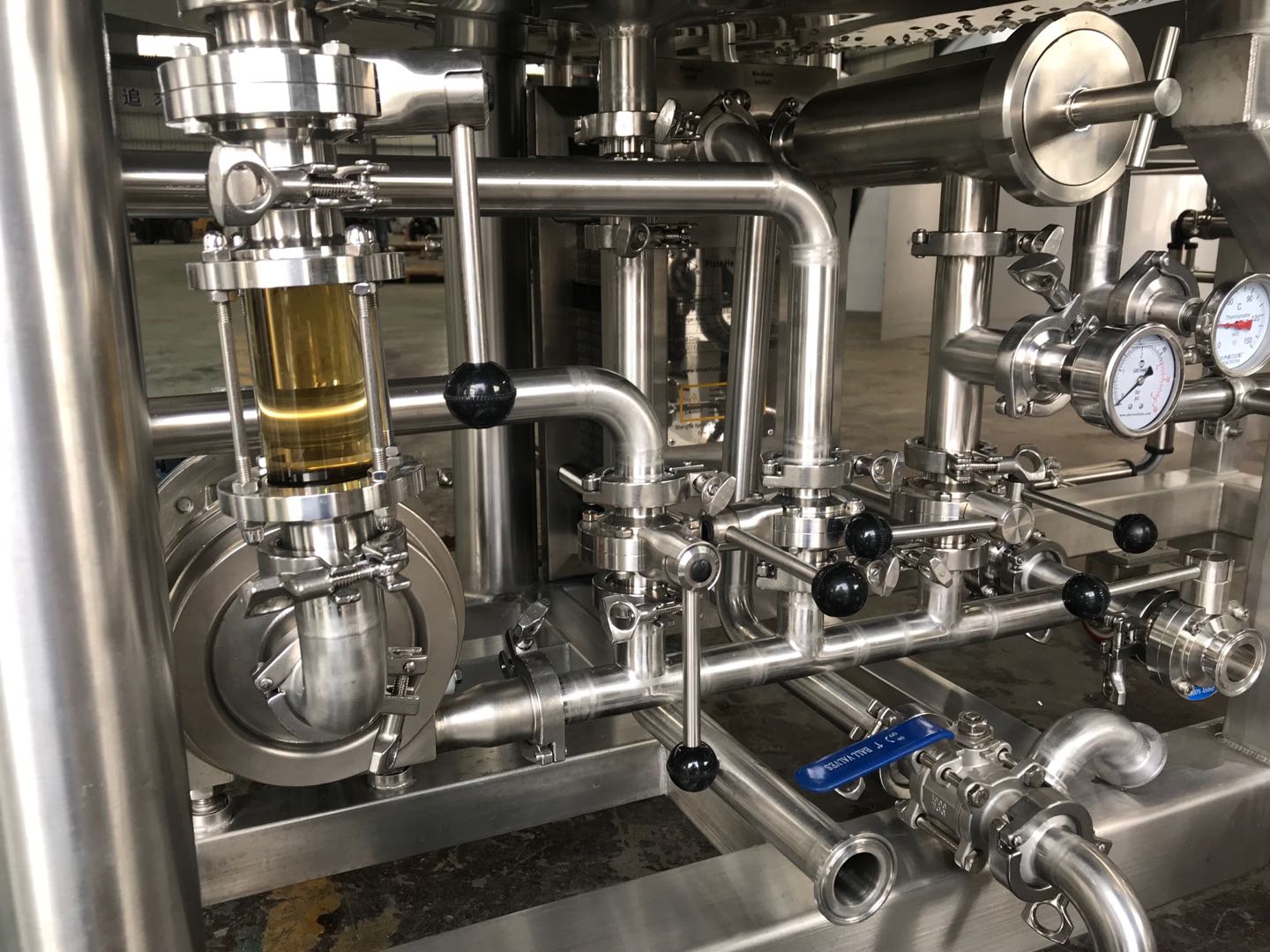
Weldless Designs: No crevices for bacteria (bad bacteria) to hide.
-
Glass or 304 Steel: No porous surfaces.
-
Dedicated Lines: If you produce both beer and kombucha, cross-contamination of hops into kombucha is a disaster (hops have antibacterial properties that kill SCOBY).
At SKE, our vessels are passivated and polished to a #4 finish inside. This means the surface is smooth, easy to clean, and won’t trap old batches of organic tea, ensuring your next batch remains 100% organic.
Turning a Profit in the Functional Era
The largest alcohol companies are facing “hangover” stocks. Pernod Ricard India, for example, posted strong sales (~₹27,445 crore), but the growth is in premiumization, not volume.
For you, the craft producer, this is the golden window. Big Beer is slow. They are tied to hops and barley.
The Economic Advantage of Kombucha
-
Raw Material Cost: Sugar and tea are significantly cheaper than malted barley and imported hops.
-
Production Speed: With SKE’s coolship technology, you can turn over a batch of kombucha in 7 days versus 21 days for a lager.
-
Byproduct Revenue: The SCOBY (cellulose) can be sold to bakeries or turned into vegan leather. The excess yeast can be sold as supplements. Zero waste.
By purchasing kombucha brewing equipment from SKE, you are not buying a “health food toy.” You are buying heavy-duty, brewery-grade hardware designed for 24/7 production.
FAQ: Your Kombucha Equipment Questions Answered
Q: Can I use my existing beer fermenters to brew Kombucha?
A: Technically, yes, but we advise against it. Beer fermenters are sealed (anaerobic). Kombucha requires oxygen. Using a uni-tank for beer produces alcohol; using it for kombucha risks over-alcohol production and stalled fermentation. SKE’s open-top kombucha fermenters are specifically designed to vent CO2 while letting oxygen in.
Q: How do I control the alcohol content in commercial Kombucha?
A: Alcohol is created by yeast (anaerobic). To keep it under 0.5% (non-alcoholic status), you need high oxygen flow (to feed the bacteria, which eat the alcohol) and precise temperature control. SKE tanks come with adjustable cooling jackets to keep temps stable, preventing yeast stress.
Q: What is the difference between a “Coolship” and a standard tank?
A: A standard tank is tall and round. A coolship is wide and shallow. For kombucha, width is everything. The wider the surface area, the healthier the SCOBY mat and the faster the fermentation.
Q: Is stainless steel safe for the SCOBY?
A: Yes, but only 304 or 316 stainless steel. Lower grades will corrode from the acidity of the tea. SKE uses 100% 304 stainless, ensuring your SCOBY stays happy and your liquid stays pure.
Q: How do I scale from homebrew to commercial?
A: Jumping from a 1-gallon jar to a 1,000-liter tank is a biological shock for the SCOBY. We recommend a phased approach: start with SKE’s 200L pilot system to develop your recipe, then scale to our 5,000L or 20,000L kombucha brewing equipment systems. We provide the engineering data so your culture survives the move.
Conclusion: The Future is Fermented (And Metal)
The data is clear. The largest alcohol companies are diversifying because the consumer wants organic kombucha and functional wellness . For the independent brewer or beverage entrepreneur, this is your chance to step into the void left by the slow-moving giants.
You don’t need to reinvent the wheel. You need kombucha equipment built by people who understand fermentation physics.
SKE is not just a tank manufacturer. We are a brewery solutions provider. Whether you need a coolship for that authentic wild ferment, a pressure-rated Brite tank for carbonated goodness, or a full turnkey production line, SKE has the engineering and the certifications (ASME, PED) to get you to market.
If you have any further questions, feel free to reach out!
- Facebook: SKE Equipment Facebook
- Email: info@skeequipment.com
For more personalized assistance, please fill out the contact form at the bottom of this page. We look forward to helping you with your brewing needs!