Kombucha drink, a centuries-old fermented tea beverage, has evolved from a traditional home-brewed tonic to a global health phenomenon. Renowned for its tangy flavor, effervescent texture, and purported health benefits, this probiotic-rich drink has captured the attention of health-conscious consumers and beverage enthusiasts alike. As demand for kombucha continues to soar—especially in the United States—understanding its origins, production process, key players like Health-Ade Kombucha, and the role of specialized brewing equipment becomes essential for anyone looking to dive into the world of this fermented super drink.
At its core, kombucha is a simple yet intricate beverage made from four primary ingredients: tea (typically black, green, or oolong), sugar, water, and a SCOBY (Symbiotic Culture of Bacteria and Yeast). The SCOBY is the “engine” of the fermentation process, a rubbery, disk-like colony that houses the microorganisms responsible for transforming sweet tea into a probiotic powerhouse. This symbiotic relationship between bacteria and yeast is what gives kombucha its unique flavor profile and health-promoting properties, setting it apart from other fermented beverages like kefir or kimchi.
What Is Kombucha Drink? A Scientific Breakdown
To truly appreciate kombucha drink, it’s important to understand the science behind its fermentation process. The SCOBY, which is often referred to as the “kombucha mushroom” (though it’s not a mushroom at all), consists of two main types of microorganisms: acetic acid bacteria (AAB) and yeast. These microbes work together in a symbiotic relationship to break down the sugar in the tea, producing a range of beneficial compounds.
During fermentation, yeast first converts the sugar into ethanol and carbon dioxide. The acetic acid bacteria then convert the ethanol into acetic acid, which gives kombucha its characteristic tangy flavor and helps preserve the beverage. Additionally, the fermentation process produces probiotics (live beneficial bacteria), organic acids (such as gluconic acid and lactic acid), antioxidants, and B vitamins. These compounds are what make kombucha a sought-after functional beverage, as they support gut health, boost immunity, and reduce inflammation.
Unlike many commercially produced beverages, kombucha is typically low in sugar (depending on the brewing time) and free of artificial flavors, colors, and preservatives—especially when brewed with high-quality ingredients. This natural profile aligns with the growing consumer trend toward clean, functional foods and beverages, further driving the popularity of kombucha drink in the United States and beyond.
Health Benefits of Kombucha Drink: Separating Fact from Fiction
Kombucha drink is often hailed as a “superfood” for its purported health benefits, but it’s important to separate scientific fact from marketing hype. The most well-supported benefit of kombucha is its positive impact on gut health. The probiotics found in kombucha—including strains like Lactobacillus and Acetobacter—help balance the gut microbiome, which plays a critical role in digestion, immune function, and even mental health. A healthy gut microbiome can reduce symptoms of bloating, constipation, and irritable bowel syndrome (IBS).
Another key benefit of kombucha drink is its antioxidant content. Tea, the base of kombucha, is rich in polyphenols—antioxidant compounds that help neutralize free radicals in the body, reducing oxidative stress and lowering the risk of chronic diseases like heart disease and cancer. The fermentation process also enhances the bioavailability of these antioxidants, making them easier for the body to absorb.
Additionally, kombucha contains organic acids that support liver detoxification. Gluconic acid, for example, helps bind to toxins in the liver, aiding in their elimination from the body. Some studies also suggest that kombucha may help regulate blood sugar levels, thanks to its low glycemic index and the presence of probiotics, which can improve insulin sensitivity. However, more research is needed to confirm these effects in humans.
It’s important to note that while kombucha drink offers many potential benefits, it’s not a cure-all. Individuals with compromised immune systems, pregnant or breastfeeding women, and those with alcohol sensitivities should exercise caution, as kombucha contains trace amounts of alcohol (usually less than 0.5% ABV, but higher in some home-brewed batches). Additionally, excessive consumption can lead to digestive discomfort, such as bloating or diarrhea, due to its high probiotic content.
Largest Kombucha Breweries in the US: Industry Leaders Shaping the Market
The United States is the largest kombucha market in the world, accounting for a significant portion of global sales. As demand for kombucha drink continues to grow, several large breweries have emerged as industry leaders, each bringing unique approaches to production, flavor, and innovation. These breweries not only meet the growing consumer demand but also set the standard for quality and sustainability in the kombucha industry.
Below is a detailed table highlighting the largest kombucha breweries in the US, including their founding year, headquarters, key products, and market impact. This table provides a comprehensive overview of the top players shaping the US kombucha market, including Health-Ade Kombucha and other industry giants.
| Brewery Name | Founding Year | Key Products | Market Impact |
| GT’s Living Foods | 1995 | Synergy Trilogy, Synergy Gingerade, GT’s Original Kombucha (raw, unpasteurized, glass-bottled) | Pioneered kombucha in the US; first to put kombucha on store shelves; holds 40% of the US kombucha market share; company value exceeds $1 billion; 30+ years of brewing experience. |
| Health-Ade Kombucha | 2012 | Organic kombucha (Pink Lady Apple, Pineapple Ginger), Sun Sip gut-healthy soda | Leader in gut health space; known for clean, organic ingredients; popular at farmers’ markets and major retailers; acquired by First Bev in 2021; strong focus on consumer education. |
| Humm Kombucha | 2009 | Low/zero-sugar kombucha, probiotic seltzers, Whole30® approved kombucha (Mango Passion Fruit is a bestseller) | Pioneer in low/zero-sugar kombucha; first US company to offer shelf-stable zero-sugar kombucha; produced 100 million bottles by 2024; owns a dedicated manufacturing facility in Bend. |
| Ensign Beverage (Sister Company of First Street Brewing) | 2016 | Balanced, low-acid kombucha, hard kombucha (Blood Orange, Coconut Lime), kombucha-based cocktails | Largest kombucha brewer in Nebraska; started as a non-beer offering for gluten-free consumers; expanding focus on kombucha with new flavors and hard kombucha options. |
| Flying Embers | 2017 | Hard kombucha (5% ABV), non-alcoholic kombucha, CBD-infused kombucha | Leading hard kombucha brand in the US; innovator in flavor combinations and functional additives (CBD); uses proprietary technologies to extend shelf life; popular in off-trade channels. |
The Role of Brewing Equipment in Crafting High-Quality Kombucha Drink
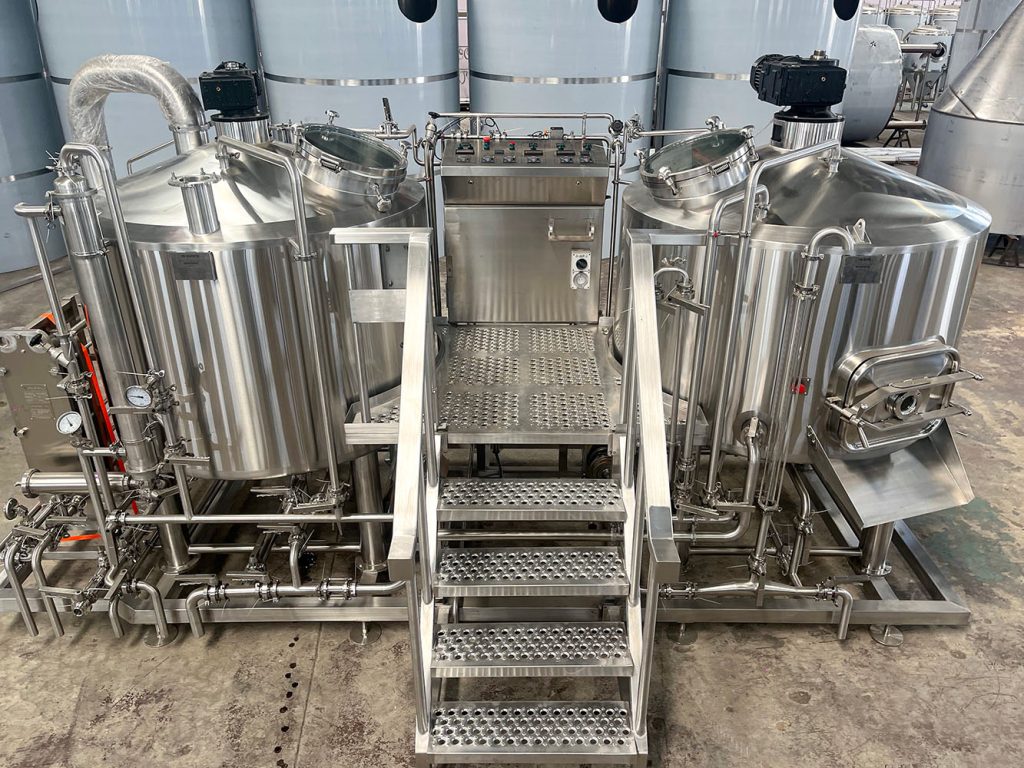
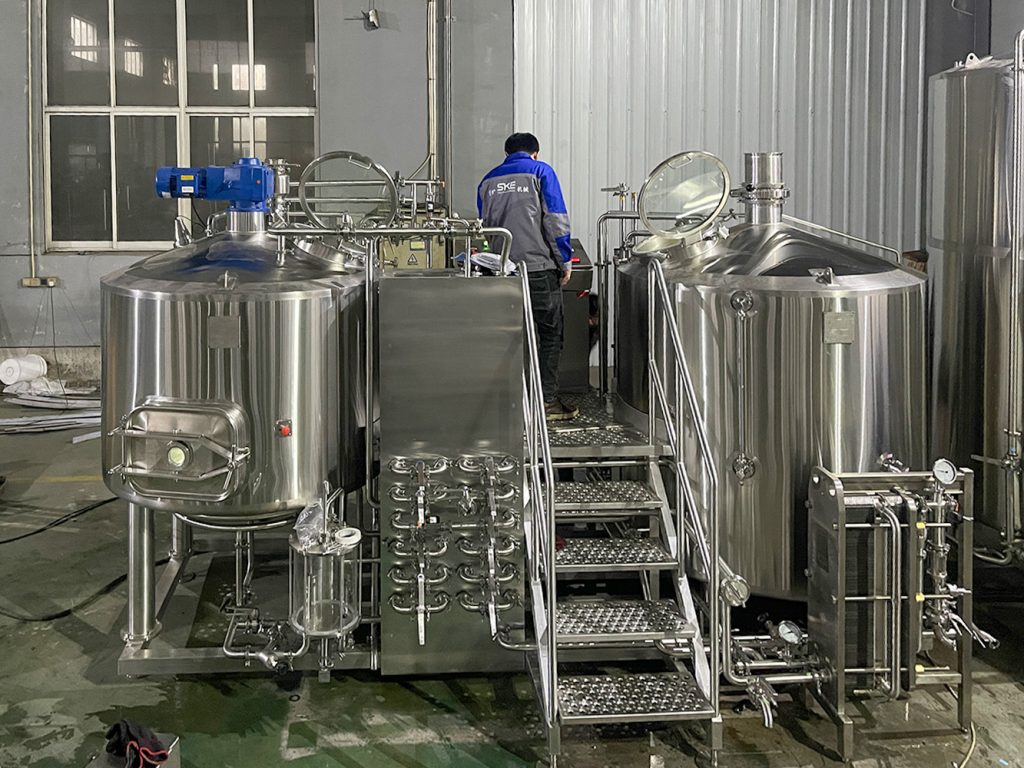
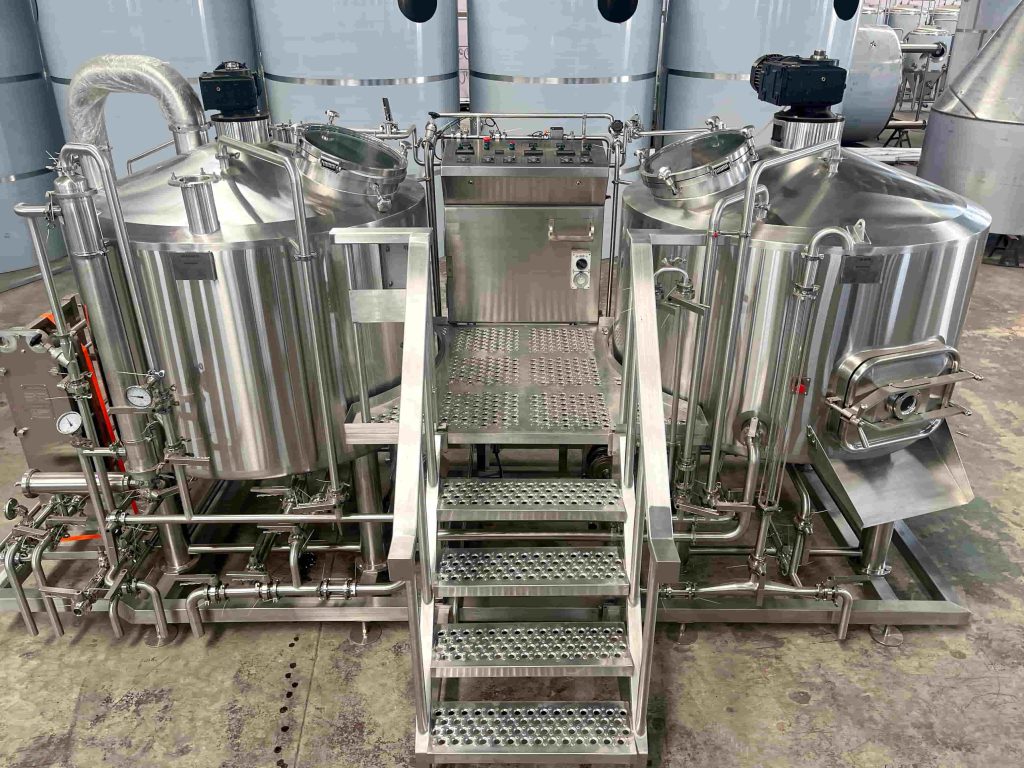
While the ingredients and SCOBY are critical to making great kombucha, the brewing equipment plays an equally important role—especially for commercial breweries looking to scale production while maintaining quality. Kombucha brewing requires precise temperature control, sterile conditions, and specialized equipment to ensure consistency, safety, and efficiency.
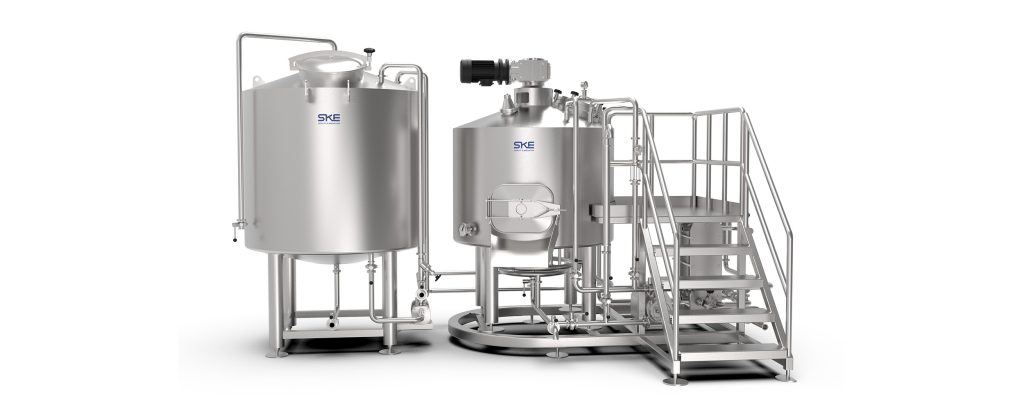
SKE understands that kombucha brewing has unique requirements compared to beer brewing, though there are similarities in equipment needs. The key equipment components for commercial kombucha production include brewing tanks, fermentation vessels, filtration systems, carbonation equipment, filling lines, and CIP (Clean-in-Place) systems. Each of these components is designed to support the delicate fermentation process of kombucha, ensuring that the SCOBY thrives and the final product meets the highest quality standards.
Brewing tanks are used to steep the tea and dissolve the sugar, creating the base for kombucha. These tanks must be made of food-grade materials (such as stainless steel) to prevent contamination and ensure durability. SKE’s brewing tanks are designed with precise temperature control features, allowing brewers to maintain the ideal temperature (typically 75–85°F) for steeping tea and initiating fermentation. This temperature control is critical, as variations can affect the flavor and quality of the final product.
Fermentation vessels are perhaps the most important piece of equipment for kombucha production. These vessels must be large enough to accommodate the SCOBY and the fermenting tea, while also allowing for proper aeration and temperature control. SKE’s fermentation vessels are equipped with airtight lids, pressure relief valves, and temperature monitoring systems, ensuring that the fermentation process is controlled and consistent. For large-scale breweries like GT’s Living Foods and Health-Ade, SKE’s industrial-grade fermentation vessels enable efficient production of thousands of gallons of kombucha per batch.
Filtration systems are another essential component, used to remove the SCOBY and any sediment from the finished kombucha. This ensures a clear, smooth beverage while retaining the beneficial probiotics. SKE offers a range of filtration solutions, from basic mesh filters for small breweries to advanced membrane filters for large-scale operations, allowing brewers to tailor the filtration process to their specific needs. Additionally, carbonation equipment is used to enhance the effervescence of kombucha, either through natural carbonation (from the fermentation process) or forced carbonation, depending on the brewery’s preferences.
Filling lines are critical for scaling production and ensuring consistency in bottle sizes and fill levels. SKE’s filling lines are designed to handle glass or plastic bottles, with adjustable speed and precision to meet the needs of small, medium, and large breweries. These lines are also equipped with cleaning and sanitizing features to prevent contamination, a key concern in kombucha production. Finally, CIP systems are used to clean and sanitize all equipment, ensuring that each batch of kombucha is produced in a sterile environment, free from harmful bacteria.
SKE’s expertise in beer equipment manufacturing translates seamlessly to kombucha production, as many of the core equipment components are similar. However, SKE also offers custom modifications to meet the unique needs of kombucha brewers, such as specialized fermentation vessels with larger openings for SCOBY handling and temperature control systems optimized for the slower fermentation process of kombucha. Whether you’re a small startup brewery or a large-scale operation like the largest kombucha breweries in the US, SKE has the equipment and expertise to help you craft high-quality kombucha drink consistently.
Kombucha Drink FAQ: Answers to Common Questions
As kombucha drink continues to grow in popularity, many consumers and aspiring brewers have questions about its production, health benefits, and more. Below are answers to the most frequently asked questions about kombucha, designed to provide clarity and help you make informed decisions about drinking or brewing kombucha.
1. Is kombucha drink alcoholic?
Kombucha contains trace amounts of alcohol, as a byproduct of the fermentation process. Most commercially produced kombucha has less than 0.5% ABV (alcohol by volume), which is below the legal limit for non-alcoholic beverages in the United States. However, home-brewed kombucha can have higher alcohol levels (up to 3% ABV) if fermented for too long or in warm temperatures. Individuals with alcohol sensitivities, pregnant or breastfeeding women, and those under the legal drinking age should exercise caution.
3. Can I brew kombucha drink at home?
Yes, kombucha can be brewed at home with basic equipment: a glass jar, tea, sugar, water, and a SCOBY. Home brewing is relatively simple and affordable, but it requires patience (fermentation takes 7–14 days) and sterile conditions to prevent contamination. It’s important to use food-grade materials and follow a trusted recipe to ensure the safety and quality of your home-brewed kombucha. For those looking to scale up, SKE offers small-scale brewing equipment ideal for home-based or startup breweries.
4. What are the largest kombucha breweries in the US, and what makes them unique?
The largest kombucha breweries in the US include GT’s Living Foods (pioneer of US kombucha, 40% market share), Health-Ade Kombucha (focus on gut health education), Humm Kombucha (zero-sugar innovator), Ensign Beverage (Nebraska’s largest brewer), and Flying Embers (leading hard kombucha brand). Each brand is unique in its approach: GT’s is known for raw, glass-bottled kombucha; Humm for zero-sugar options; and Ensign for balanced, low-acid kombucha and hard kombucha varieties.
5. How does brewing equipment affect the quality of kombucha drink?
Brewing equipment plays a critical role in ensuring consistency, safety, and quality. Temperature control in brewing and fermentation tanks ensures the SCOBY thrives and produces the right balance of flavors and probiotics. Sterile equipment (maintained via CIP systems) prevents contamination, while filtration systems remove sediment without losing beneficial probiotics. SKE’s specialized equipment is designed to meet these needs, helping breweries of all sizes produce high-quality kombucha consistently.
6. Is kombucha drink safe for everyone to consume?
While kombucha is safe for most healthy adults, there are some groups that should exercise caution. Pregnant or breastfeeding women, individuals with compromised immune systems, and those with alcohol sensitivities should avoid kombucha or consult a healthcare provider before consuming it. Additionally, excessive consumption can lead to digestive discomfort (bloating, diarrhea) due to its high probiotic content. It’s best to start with small amounts (4–8 ounces per day) to see how your body reacts.
Conclusion
Kombucha drink is more than just a trendy beverage—it’s a centuries-old fermented tonic with proven health benefits and a growing global following. From its origins in ancient Manchuria to its current status as a staple in US health food stores, kombucha has evolved into a diverse and innovative beverage category, led by brands like Health-Ade Kombucha and the largest kombucha breweries in the US.
Understanding the science behind kombucha, its health benefits, and the role of specialized brewing equipment is essential for anyone looking to engage with this dynamic industry. Whether you’re a consumer looking to make informed choices about the kombucha you drink or an aspiring brewer looking to launch your own brand, SKE is here to support you with high-quality brewing equipment and expertise.
As the kombucha market continues to grow and innovate, one thing is clear: this fermented super beverage is here to stay. With its unique flavor, health benefits, and versatility, kombucha drink is poised to remain a top choice for health-conscious consumers for years to come—and SKE will continue to play a key role in helping breweries craft the highest-quality kombucha possible.
If you have any further questions, feel free to reach out!
- Facebook: SKE Equipment Facebook
- Email: info@skeequipment.com
For more personalized assistance, please fill out the contact form at the bottom of this page. We look forward to helping you with your brewing needs!