
What is Kombucha Fermentation?
Kombucha fermentation is a two-stage, aerobic-anaerobic process that converts simple sugars (from tea and added sugar) into organic acids, probiotics, trace amounts of alcohol, and carbon dioxide (CO2). Unlike alcoholic ferment, which is primarily driven by yeast to produce ethanol, kombucha fermentation relies on a symbiotic relationship between yeast and bacteria—known as the SCOBY (Symbiotic Culture of Bacteria and Yeast). This symbiosis is what makes kombucha unique, as the bacteria and yeast work together to create a balanced, tangy beverage.
The SCOBY itself is a rubbery, pancake-like disc that floats on the surface of the fermenting tea. It is a living matrix of cellulose, produced by the bacteria as a byproduct of fermentation, which houses colonies of yeast and bacteria. Contrary to common misconception, the SCOBY disc is not the most critical component—rather, the starter liquid (a small amount of already fermented kombucha) is what kickstarts the process, as it contains active microbes and lowers the pH to inhibit harmful bacteria. This starter liquid, along with the SCOBY, forms the foundation of successful kombucha fermentation.
Fermentos, in the context of kombucha, refer to the SCOBY and starter liquid—the living agents that drive the fermentation process. Just as fermentos are essential for kombucha, they are also critical in other fermentation processes, including beer and wine production. For example, in beer brewing, yeast acts as the primary fermento, while in winemaking, yeast (and sometimes bacteria) serves as the fermento for ferment grapes.
Key Components of Kombucha Fermentation
To understand the kombucha fermentation process, it’s first important to identify the key components that drive it. Each component plays a vital role in ensuring the fermentation proceeds smoothly and produces a high-quality end product. Below is a breakdown of the essential elements, along with their functions:
|
Component
|
Function
|
Relevance to Fermentation
|
|---|---|---|
|
SCOBY (Symbiotic Culture of Bacteria and Yeast)
|
Houses yeast (Saccharomyces, Zygosaccharomyces) and bacteria (Acetobacter, Lactobacillus) that drive fermentation; produces a cellulose matrix for protection.
|
The core fermento of kombucha, enabling the symbiotic relationship that converts sugar into organic acids and probiotics.
|
|
Starter Liquid
|
A small volume of previously fermented kombucha, rich in active microbes and with a low pH (2.5-3.5).
|
Inhibits harmful bacteria, introduces active fermentos, and kickstarts the fermentation process—critical even more so than the SCOBY disc itself.
|
|
Sweetened Tea (Black, Green, or Oolong)
|
Provides the sugar (glucose, fructose) that feeds the SCOBY; tea polyphenols and caffeine support microbial growth.
|
The primary substrate for fermentation, similar to how malted grains provide sugar for beer or grapes provide sugar for wine.
|
|
Water
|
Dilutes the tea, provides a medium for microbial activity, and ensures the correct consistency for fermentation.
|
Essential for all fermentation processes, including kombucha, beer, and wine, as microbes require water to thrive.
|
|
Fermentation Vessel
|
Provides a controlled environment for the SCOBY to grow and ferment; must be non-reactive (glass, food-grade stainless steel) and well-ventilated.
|
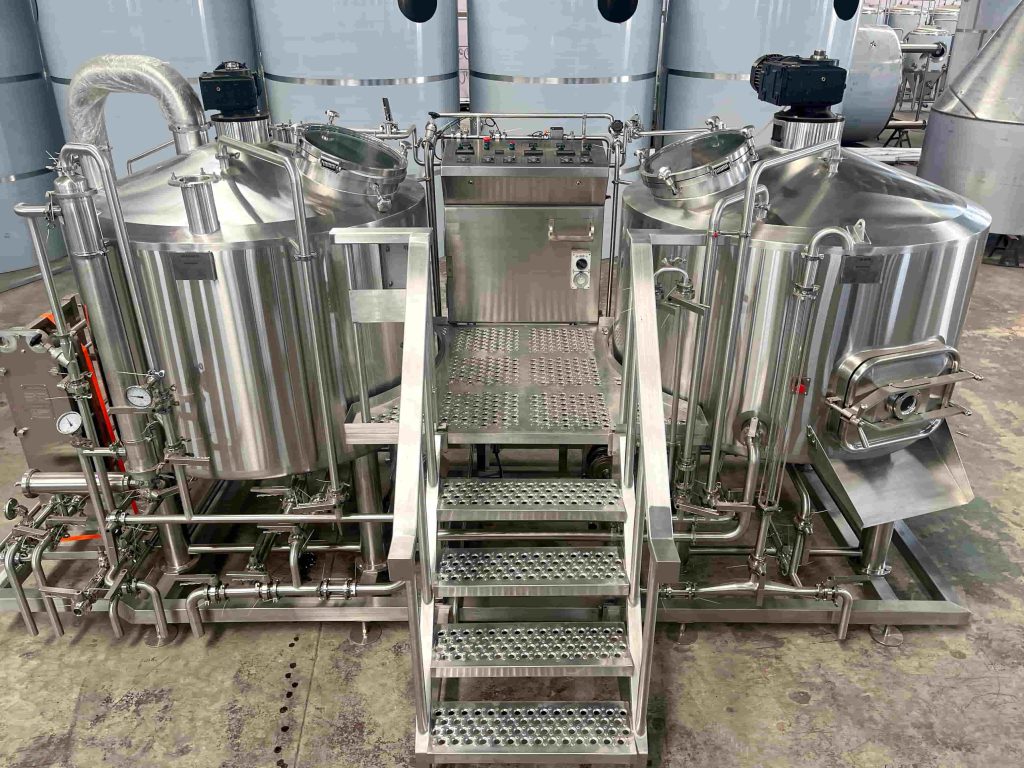
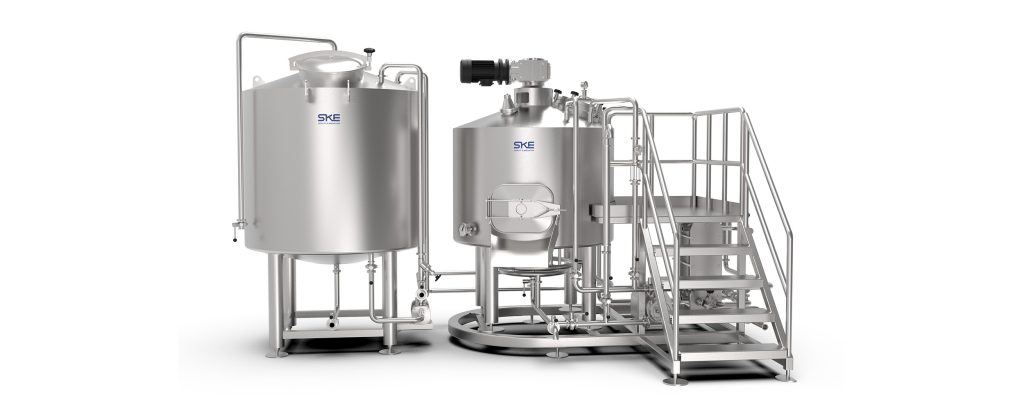
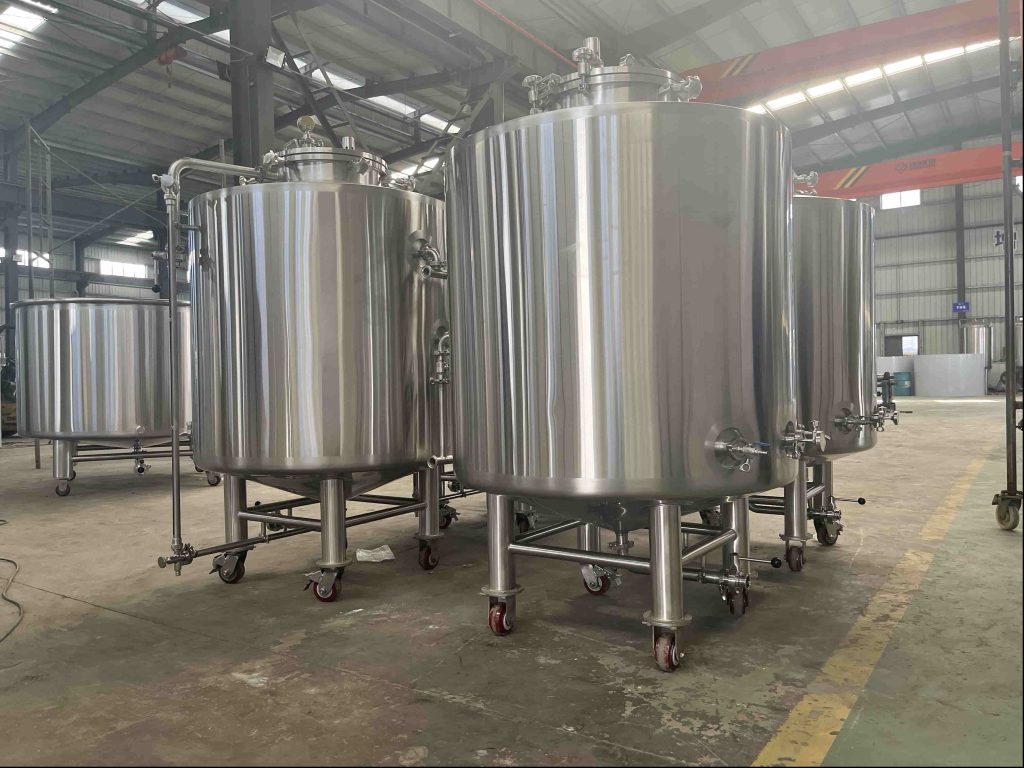
Prevents contamination and maintains stable conditions—SKE’s stainless steel fermentation tanks are ideal for this purpose, as they are easy to clean and regulate.
|
The Two Stages of Kombucha Fermentation Process
Kombucha fermentation occurs in two distinct stages: Primary Fermentation (F1) and Secondary Fermentation (F2). Each stage has a specific purpose, and understanding the differences between them is key to mastering kombucha production. Both stages rely on fermentos, but their roles and outcomes vary significantly.
Stage 1: Primary Fermentation (F1) – The Foundation
Primary fermentation is the initial stage of the kombucha fermentation process, lasting 7-14 days at room temperature (20-25°C/68-77°F). This stage is aerobic, meaning it requires oxygen to support the growth of the SCOBY and the initial microbial activity. The goal of F1 is to convert the sugar in the sweetened tea into organic acids, probiotics, and trace amounts of alcohol, while allowing the SCOBY to grow and form a new layer.
The process begins when the SCOBY and starter liquid are added to the cooled, sweetened tea. The yeast in the SCOBY first breaks down the sugar into glucose and fructose, then converts these simple sugars into ethanol (alcohol) and CO2—a process known as alcoholic ferment. This is the same alcoholic ferment that occurs in beer and wine production, though the amount of ethanol produced in kombucha is much lower (typically 0.5-1.5% ABV) compared to beer (4-6% ABV) or wine (11-15% ABV).
Next, the bacteria in the SCOBY (primarily Acetobacter) convert the ethanol produced by the yeast into acetic acid—the same acid found in vinegar—along with other organic acids like gluconic acid and lactic acid (produced by Lactobacillus). This conversion of ethanol to acetic acid is what gives kombucha its characteristic tangy flavor and lowers the pH of the beverage, making it shelf-stable and inhibiting harmful bacteria.
During F1, the SCOBY grows and forms a new layer on the surface of the tea. This new layer is a sign that the fermentation is proceeding correctly, as it indicates the microbes are active and producing cellulose. The starter liquid, meanwhile, ensures that the pH remains low enough to prevent contamination, even as the SCOBY grows.
Stage 2: Secondary Fermentation (F2) – Flavor and Carbonation
Secondary fermentation (F2) is the optional but highly recommended second stage of the kombucha fermentation process, lasting 2-7 days (or longer, depending on desired flavor and carbonation). This stage is anaerobic, meaning it occurs in a sealed container without oxygen, and focuses on enhancing flavor, increasing carbonation, and sometimes boosting the alcohol content slightly.
After F1 is complete, the kombucha (now called “raw kombucha”) is strained to remove the SCOBY and any sediment. It is then transferred to a sealed container, along with additional flavorings (fruits, herbs, spices, or even honey) if desired. The container is sealed tightly to trap the CO2 produced during fermentation, which creates natural carbonation—similar to how beer is carbonated during bottle conditioning.
During F2, the remaining yeast and bacteria (fermentos) continue to break down any residual sugar, producing more CO2 and small amounts of additional alcohol. The flavorings added during F2 infuse into the kombucha, creating unique flavor profiles—from fruity to herbal to spicy. For example, adding citrus fruits can enhance the tanginess, while herbs like mint can add a refreshing note.
It’s important to note that F2 can slightly increase the alcohol content of kombucha, though it still remains well below the threshold for alcoholic beverages in most regions (0.5% ABV) unless intentionally fermented for longer periods. This is in contrast to ferment grapes, where secondary fermentation (malolactic fermentation) converts malic acid to lactic acid, softening the wine’s flavor without significantly increasing alcohol content.
Kombucha Fermentation vs. Other Fermentation Processes
To better understand the kombucha fermentation process, it’s helpful to compare it to other common fermentation processes, including alcoholic ferment, ferment grapes (winemaking), and beer fermentation. While all these processes rely on fermentos to convert sugar into other compounds, they differ in their microbes, substrates, and outcomes. Below is a detailed comparison:
|
Fermentation Type
|
Primary Fermentos
|
Substrate
|
Primary Product
|
Alcohol Content
|
Key Equipment Needs
|
|---|---|---|---|---|---|
|
Kombucha Fermentation
|
SCOBY (yeast + bacteria: Saccharomyces, Acetobacter, Lactobacillus)
|
Sweetened tea (black, green, oolong)
|
Organic acids, probiotics, CO2, trace alcohol
|
0.5-1.5% ABV (typically <0.5% ABV)
|
Non-reactive fermentation tanks, strainers, sealed bottles, temperature control
|
|
Alcoholic Ferment (Beer)
|
Beer yeast (Saccharomyces cerevisiae, Saccharomyces pastorianus)
|
Malted grains (barley, wheat), water, hops
|
Ethanol, CO2, flavor compounds from hops
|
4-6% ABV (craft beer: 6-10% ABV)
|
Brewhouse, fermentation tanks, filtration equipment, carbonation systems (SKE specializes in this)
|
|
Ferment Grapes (Winemaking)
|
Wine yeast (Saccharomyces cerevisiae), sometimes bacteria (for malolactic fermentation)
|
Grape juice (sugar from grapes)
|
Ethanol, CO2, tannins, flavor compounds from grapes
|
11-15% ABV (fortified wine: 18-20% ABV)
|
Crushers, fermenters, aging barrels, bottling equipment
|
One of the key differences between kombucha fermentation and other processes is the symbiotic relationship between yeast and bacteria in the SCOBY. In beer and wine production, yeast is the primary fermento, and bacteria are often considered a contaminant (unless intentionally added for malolactic fermentation in wine). In kombucha, however, bacteria are essential for converting ethanol into organic acids, which gives the beverage its unique flavor and shelf stability.
Another difference is the substrate: kombucha uses tea, while beer uses malted grains and wine uses grapes. This difference in substrate leads to differences in flavor, nutrient content, and fermentation dynamics. For example, ferment grapes rely on the natural sugars in grapes, while kombucha and beer require added sugar (for kombucha) or malted grains (for beer) to provide enough food for the fermentos.
The largest brewers in the world, such as AB InBev, Heineken, and China Resources Snow Breweries, leverage advanced fermentation equipment to ensure consistency across their products.
Factors That Influence Kombucha Fermentation
The success of the kombucha fermentation process depends on several key factors, all of which must be carefully controlled to produce a consistent, high-quality product. These factors affect the activity of the fermentos (SCOBY and starter liquid) and ultimately determine the flavor, acidity, and probiotic content of the final kombucha. Below are the most critical factors:
1. Temperature
Temperature is one of the most important factors in kombucha fermentation, as it directly impacts the activity of the SCOBY’s microbes. The ideal temperature range for F1 is 20-25°C (68-77°F). Temperatures below 20°C will slow down fermentation, leading to a longer F1 period and a less tangy flavor. Temperatures above 25°C can speed up fermentation, but they also increase the risk of contamination and can cause the SCOBY to become stressed, leading to off-flavors.
For F2, the ideal temperature is slightly lower (18-22°C/64-72°F), as this allows for slower, more controlled carbonation and flavor development. SKE’s fermentation tanks are equipped with temperature control systems, allowing brewers to maintain a consistent temperature throughout both stages of fermentation—critical for commercial production where consistency is key.
2. pH Level
The pH level of the kombucha during fermentation is crucial for preventing contamination and ensuring the SCOBY thrives. The starter liquid has a pH of 2.5-3.5, which immediately lowers the pH of the sweetened tea when added, inhibiting harmful bacteria like mold and E. coli. During F1, the pH drops further (to 2.0-3.0) as the bacteria produce organic acids.
If the pH is too high (above 4.0) during fermentation, the risk of contamination increases significantly. If the pH is too low (below 2.0), the SCOBY may become stressed, and the kombucha may be overly acidic. Commercial brewers can monitor pH using digital pH meters, and SKE’s fermentation tanks can be equipped with pH monitoring systems to ensure real-time control.
3. Sugar Content
Sugar is the primary food source for the SCOBY’s microbes, so the amount of sugar in the sweetened tea directly impacts the fermentation process. The ideal sugar-to-tea ratio is 100-150 grams of sugar per liter of tea (10-15% sugar by volume). Too little sugar will starve the SCOBY, leading to slow fermentation and a weak flavor. Too much sugar can cause the fermentation to proceed too quickly, leading to excessive alcohol production and a overly sweet final product.
During F1, the SCOBY consumes most of the sugar, converting it into organic acids and probiotics. Any residual sugar is consumed during F2, contributing to carbonation and additional flavor. This is similar to how yeast consumes sugar during alcoholic ferment in beer and wine, though the end products are different.
4. Oxygen Exposure
Oxygen plays a critical role in the kombucha fermentation process, but its role varies between F1 and F2. F1 is aerobic, meaning it requires oxygen to support the growth of the SCOBY and the initial microbial activity. The fermentation vessel should be covered with a breathable material (like cheesecloth) to allow oxygen in while keeping out contaminants like fruit flies and dust.
F2, on the other hand, is anaerobic—oxygen must be excluded to trap CO2 and promote carbonation. The container used for F2 should be sealed tightly, with no air gaps. SKE’s bottling equipment ensures a tight seal, preventing oxygen from entering and preserving the carbonation and flavor of the kombucha.
5. Contamination Control
Contamination is one of the biggest risks in kombucha fermentation, as harmful bacteria or mold can ruin an entire batch. To prevent contamination, all equipment (fermentation vessels, strainers, bottles) must be thoroughly cleaned and sanitized before use. The SCOBY and starter liquid should also be sourced from a reliable supplier to ensure they are free of contaminants.
SKE’s brewing equipment is designed with easy cleaning in mind, featuring smooth surfaces and removable parts that can be sanitized quickly and efficiently. Our stainless steel fermentation tanks are resistant to corrosion and bacterial growth, making them ideal for kombucha production, where cleanliness is critical.

FAQ: Common Questions About Kombucha Fermentation Process
To help clarify any questions about the kombucha fermentation process, we’ve compiled a list of frequently asked questions (FAQ) from brewers and enthusiasts. These questions cover everything from the basics of the SCOBY to equipment needs and troubleshooting.
Q1: What is a SCOBY, and do I need one for kombucha fermentation?
A: A SCOBY (Symbiotic Culture of Bacteria and Yeast) is a living matrix of yeast and bacteria that drives the kombucha fermentation process. It appears as a rubbery, pancake-like disc that floats on the surface of the fermenting tea. While the SCOBY is important, the starter liquid (a small amount of already fermented kombucha) is even more critical—you can brew kombucha with starter liquid alone, but not with a SCOBY disc alone. The SCOBY helps house additional microbes and protect the fermentation from contaminants, but the starter liquid provides the active fermentos needed to kickstart the process.
Q2: How long does the kombucha fermentation process take?
A: The total fermentation time depends on the temperature, sugar content, and desired flavor. Primary fermentation (F1) typically takes 7-14 days at 20-25°C (68-77°F). Secondary fermentation (F2) takes 2-7 days, depending on how much carbonation and flavor you want. Cooler temperatures will slow down fermentation, while warmer temperatures will speed it up. For commercial production, SKE’s temperature-controlled tanks can help shorten fermentation time while maintaining consistency.
Q3: Is kombucha alcoholic? Does it undergo alcoholic ferment?
A: Kombucha does undergo alcoholic ferment during F1, where yeast converts sugar into ethanol (alcohol) and CO2. However, the alcohol content is typically very low—0.5-1.5% ABV—and often below 0.5% ABV, which is the threshold for non-alcoholic beverages in most regions. This is much lower than beer (4-6% ABV) or wine (11-15% ABV), which also undergo alcoholic ferment but produce more ethanol. During F2, the alcohol content may increase slightly, but it still remains well below the alcoholic beverage threshold unless intentionally fermented for longer periods.
Q4: Can I use beer brewing equipment for kombucha fermentation?
A: Yes! Beer brewing equipment, including fermentation tanks, strainers, and bottling lines, can be easily adapted for kombucha fermentation. The key requirements are non-reactive materials (like stainless steel), temperature control, and proper ventilation (for F1) or sealing (for F2). SKE’s beer brewing equipment is ideal for kombucha, as our fermentation tanks are insulated, temperature-controlled, and made of food-grade stainless steel. Many brewers are now using their existing beer equipment to produce kombucha, expanding their product lines with minimal additional investment.
Q5: How does ferment grapes compare to kombucha fermentation?
A: Ferment grapes (winemaking) and kombucha fermentation both rely on fermentos to convert sugar into other compounds, but they differ in several key ways. Winemaking uses grape juice as the substrate, yeast as the primary fermento, and produces ethanol as the primary product (11-15% ABV). Kombucha uses sweetened tea as the substrate, a SCOBY (yeast + bacteria) as the fermento, and produces organic acids and probiotics as the primary products (with trace alcohol). Additionally, winemaking often includes malolactic fermentation (a secondary fermentation that softens flavor), while kombucha’s F2 focuses on carbonation and flavor infusions.
Conclusion
The kombucha fermentation process is a fascinating, natural process that relies on the symbiotic relationship between yeast and bacteria (fermentos) to transform sweetened tea into a tangy, probiotic-rich beverage. Understanding the two stages of fermentation (F1 and F2), the key components, and the factors that influence the process is critical for brewers looking to produce consistent, high-quality kombucha.
If you have any further questions, feel free to reach out!
- Facebook: SKE Equipment Facebook
- Email: info@skeequipment.com
For more personalized assistance, please fill out the contact form at the bottom of this page. We look forward to helping you with your brewing needs!