Why Kombucha Deserves a Place in Your Life
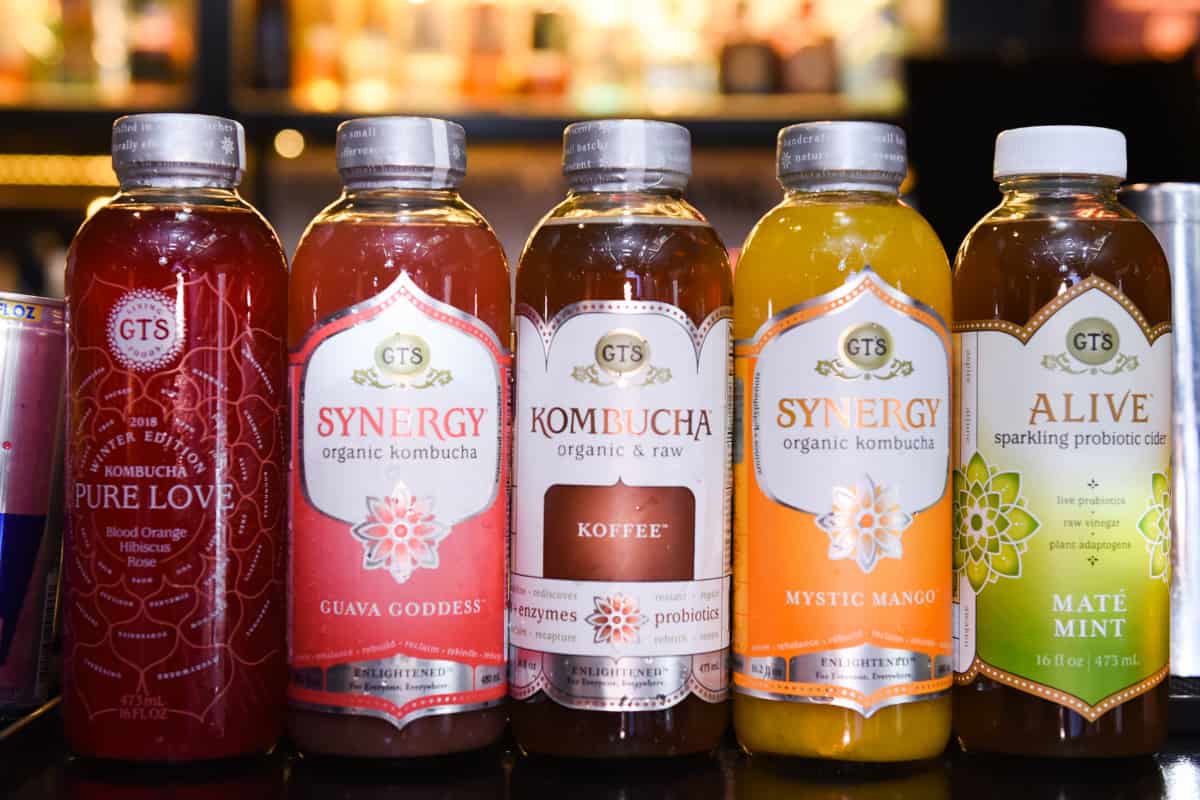
| Core Benefits and Characteristics of Kombucha | ||||
| Serial No. | Core Category | Core Ingredients/Features | Core Benefits | Additional Notes |
| 1 | Probiotics | Multiple active probiotics | Help maintain the health of the digestive system, enhance immunity, improve mood, and supplement daily energy | Few other beverages can provide the same probiotic benefits |
| 2 | Organic Acids | Acetic acid, glucuronic acid, lactic acid | Help the body eliminate toxins, improve skin condition, and reduce bodily inflammation | Regular drinkers generally report clearer skin and less inflammation |
| 3 | Healthy Alternative | Low sugar content, fermentation process | Replace high-sugar sodas, no excessive sugar burden, and have a refreshing taste | The fermentation process consumes most of the raw sugar, and the sugar content is much lower than that of regular soft drinks |
| 4 | B Vitamins | Vitamin B1, B2, B6, B12 | Provide energy for the body, maintain normal brain function, and promote red blood cell production | The vitamin B12 in it is especially valuable for vegetarians and vegans |
| 5 | Natural Carbonation | Gentle bubbles produced by natural fermentation | Can replace beer or artificially carbonated water, with good taste and no artificial additives | Only tea, sugar, water and SCOBY are needed to complete the fermentation, no additional artificial ingredients |
From Home Brew to Industrial Scale
Because of these benefits, kombucha production has grown quickly around the world. What started as a small hobby has become a multi-billion dollar industry. But making great kombucha needs more than just good intentions.
The equipment you use matters a lot. Whether you brew one gallon on your kitchen counter or produce thousands of liters every day, the same principles apply. However, the tools change a lot.
For home brewers, kombucha making equipment includes glass jars, cotton cloths, and rubber bands. This works fine for your own use. But when you want to sell your product or make more of it, glass jars will not work.
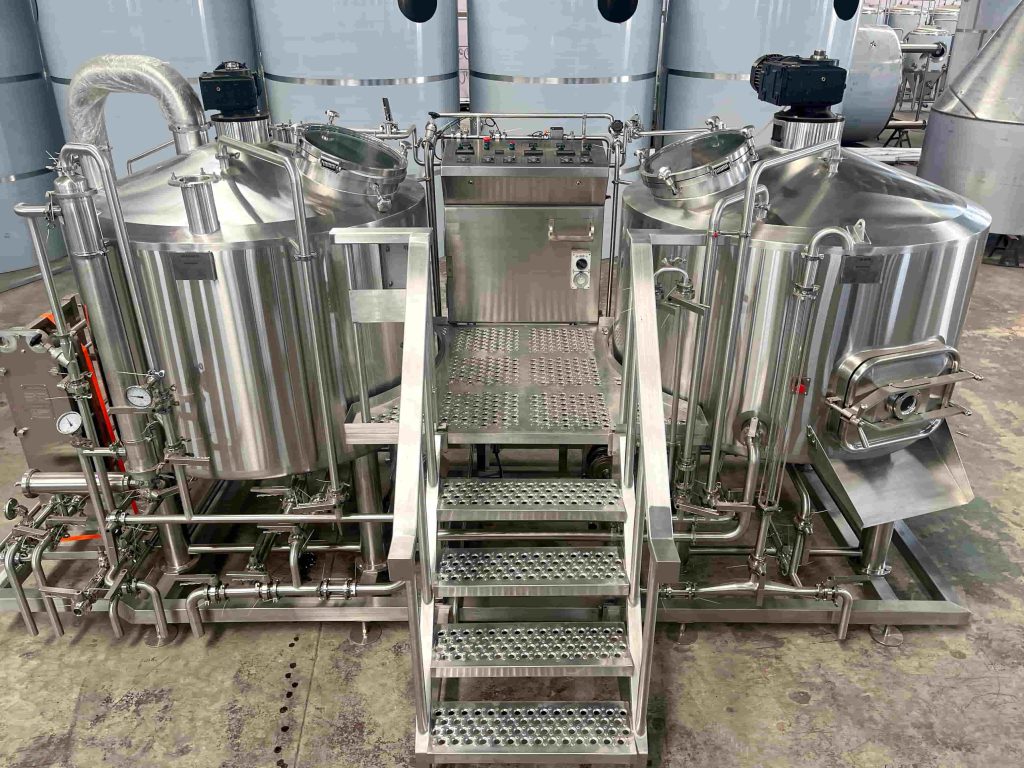
This is where professional kombucha brewing equipment becomes important. Commercial production needs stainless steel vessels, temperature control systems, and proper filtration. The difference between a hobbyist and a professional is often just the quality of their equipment.
At SKE, we have made fermentation equipment for years. We mostly serve beer breweries. But we quickly learned that kombucha producers need the same level of quality. In fact, kombucha often damages equipment more than beer because it is very acidic.
Why Commercial Brewing Needs Professional Equipment
Commercial kombucha production has unique challenges. Understanding these challenges helps you see why professional kombucha brewing equipment is necessary for serious producers.
The first challenge is acidity. Kombucha usually reaches a pH of 2.5 to 3.5 during fermentation. This is very acidic. Cheap metals corrode quickly. Plastic vessels can release chemicals into your product. Only high-grade stainless steel, especially 304 or 316 grade, can handle this environment for many years.
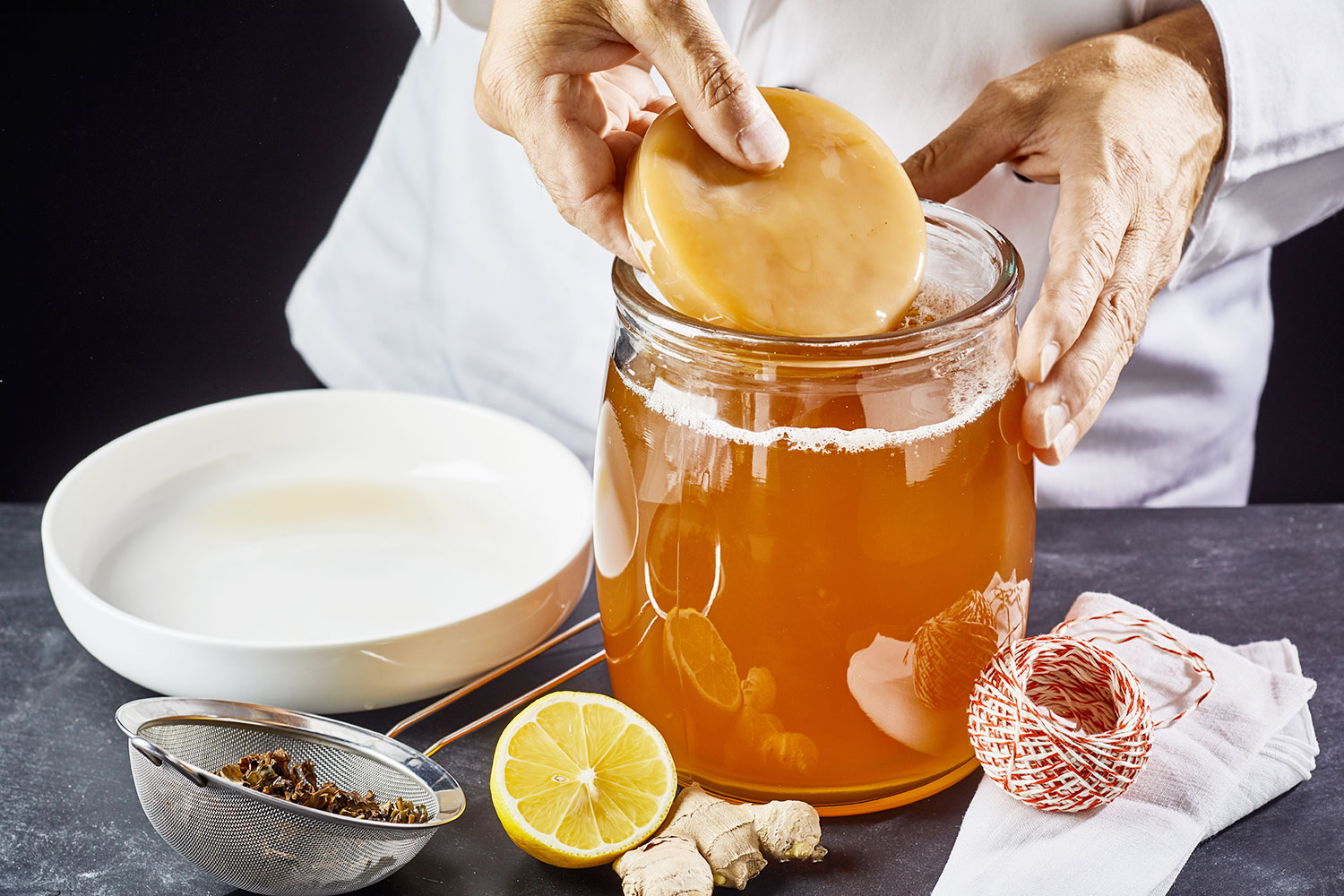
The second challenge is temperature control. The SCOBY is a living organism. It works best between 75°F and 85°F (24°C to 29°C). If temperatures drop too low, fermentation slows down a lot. If temperatures rise too high, you can kill your culture or create bad flavors. Professional equipment includes jacketed tanks that move heated or cooled water around the vessel.
The third challenge is oxygen management. Kombucha needs oxygen during primary fermentation. This is different from beer or wine production, which usually keeps oxygen out. Your equipment must allow controlled oxygen exposure while stopping contamination.
The fourth challenge is cleaning. Kombucha leaves behind residues that can hold unwanted bacteria. Proper cleaning needs special systems. Our equipment includes Clean-In-Place (CIP) capabilities. This allows you to sanitize thoroughly without taking apart your tanks.
SKE equipment meets every one of these challenges. We make our tanks from certified 316 stainless steel. Our jacketed fermentation vessels keep precise temperatures automatically. Our designs work for both aerobic and anaerobic fermentation phases. And our CIP systems ensure perfect sanitation every time.
The Hard Kombucha Revolution
The largest alcohol companies have noticed kombucha. Why? Because hard kombucha is changing the beverage market in a big way.
Hard kombucha is simply regular kombucha that goes through an extra fermentation step. By adding specific yeasts and more fermentable sugars, producers can raise the alcohol content from below 0.5% up to 7% or even higher.
This creates a product that competes directly with hard seltzer, light beer, and ready-to-drink cocktails. But hard kombucha offers something those products cannot claim: gut health benefits. People can enjoy an alcoholic drink while still feeling good about their choice.
Major companies have entered this space. Companies like Pernod Ricard and Diageo have bought or invested in kombucha brands. Smaller craft producers are also doing well. The market is growing quickly, and analysts expect continued growth for years.
SKE is proud to serve many of these companies. We provide the same high-quality fermentation equipment to large alcohol producers and to craft kombucha startups. Our systems grow with you, work reliably, and last a long time.
Whether you make a non-alcoholic kombucha tea drink or a 7% ABV hard kombucha, our equipment gives you consistent results. Batch after batch. Year after year.
Essential Kombucha Brewing Equipment Comparison
Choosing the right equipment depends on your production goals. The table below compares different options at different scales.
| Equipment Type | Home Brew | Small Commercial (up to 1000L) | Industrial (1000L+) | Key Features |
|---|---|---|---|---|
| Fermentation Vessel | Glass jar (1-2 gallon) | Stainless steel tank (100-1000L) | SKE jacketed tank (1000L-50000L) | Temperature control, resists corrosion |
| Cover/Lid | Cotton cloth + rubber band | Hinged lid with airlock | Sealed manway with pressure control | Stops contamination |
| Temperature Control | Heating wrap or mat | Single zone jacket | Multi-zone jacket with automation | Precise fermentation management |
| Filtration System | Fine mesh strainer | Plate and frame filter | SKE crossflow filtration system | Removes yeast, improves clarity |
| Bottling Line | Hand filling with siphon | Semi-automatic filler | SKE fully automated bottling line | Fast, consistent, reduces oxygen |
| Cleaning System | Hand wash with soap | Portable CIP cart | SKE integrated CIP system | Sanitation, saves labor |
| pH Monitoring | Test strips | Handheld meter | Inline pH probe with automation | Safety, quality control |
This table shows a clear progression. As you make more product, your equipment needs become more advanced. SKE offers solutions at every stage beyond home brewing.
How SKE Equipment Does Better Than Industry Standards
When you invest in kombucha brewing equipment, you make a long-term commitment. The quality of that equipment directly affects your product quality, production efficiency, and profit.
SKE equipment has several advantages over standard offerings.
- we source our stainless steel from certified mills. Every tank comes with material certifications. You can check the exact composition of your equipment. This traceability is essential for food safety compliance.
- we grind and polish our welds. Rough welds create crevices where bacteria can hide. Smooth welds remove these hiding spots. Your cleaning routines work better, and your risk of contamination drops a lot.
- our tanks have professional insulation. Stable temperatures are critical for consistent kombucha production. Our insulation cuts energy loss and reduces condensation on outside surfaces.
- we design our automation systems to be user-friendly. You do not need an engineering degree to run SKE equipment. Our touchscreen guides you through every process. Temperature control, pump operation, and data logging all work together.
- we offer complete support. Our team helps with installation, training, and ongoing maintenance. When you have questions, we answer them quickly. This partnership approach sets SKE apart from equipment sellers who disappear after the sale.
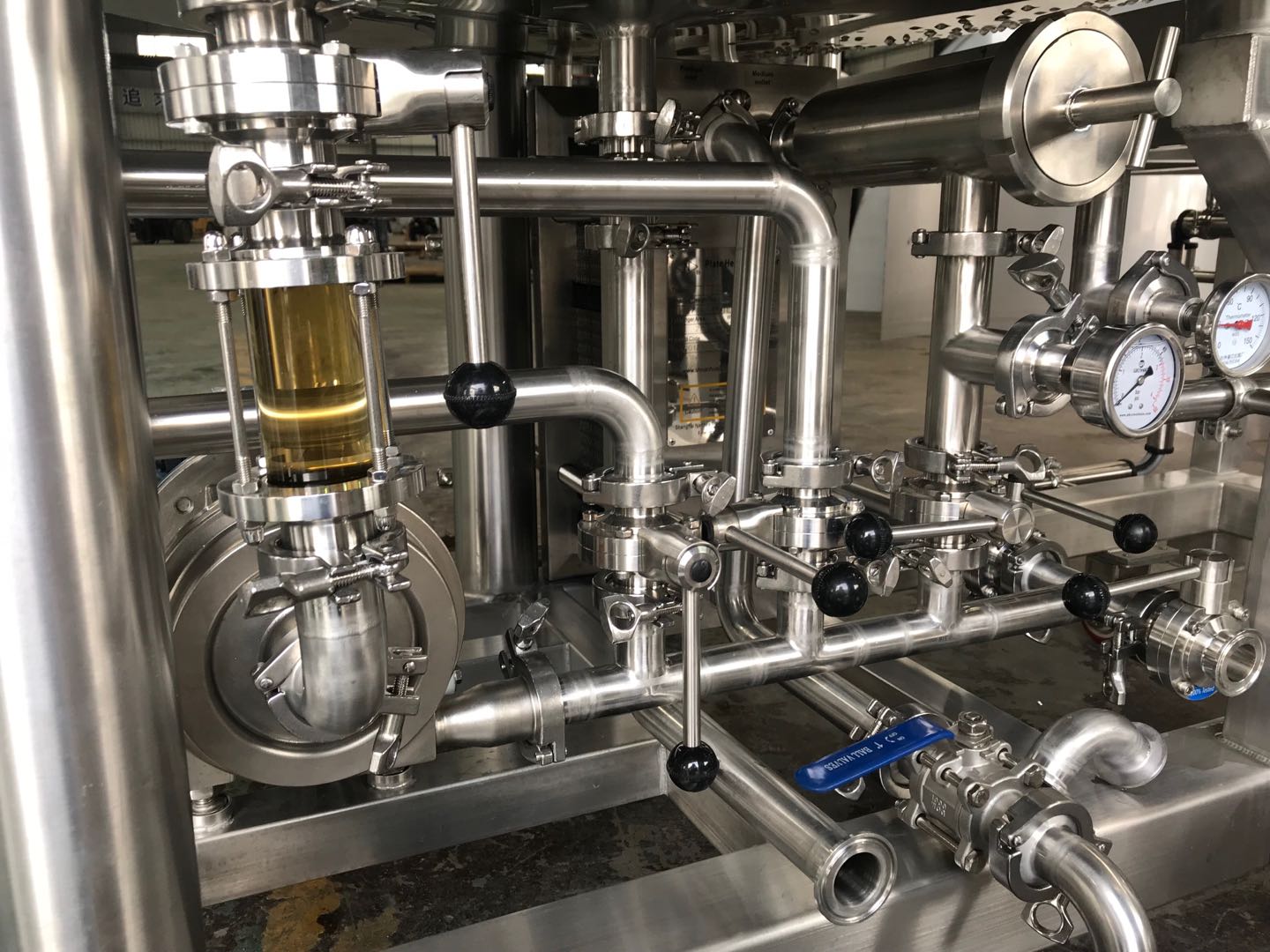
Creating Perfect Fermentation Conditions
Successful kombucha production depends on creating the right environment. Your kombucha brewing equipment must support these conditions reliably.
Temperature is your first priority. The SCOBY grows best between 75°F and 85°F. Below this range, fermentation slows. Above this range, bad flavors develop. SKE jacketed tanks keep your set temperature automatically, no matter the outside conditions.
Time is your second variable. Primary fermentation usually takes 7 to 14 days. Secondary fermentation for hard kombucha adds another 7 to 14 days. We design our tanks for batch production. This lets you plan your fermentation schedule efficiently.
Tea quality affects your final product a lot. Black tea is traditional, but green tea and blends work well too. Organic teas often produce cleaner flavors. Whatever tea you choose, consistency matters. Our brew kettles give you uniform extraction every time.
Sugar feeds the SCOBY. White cane sugar is standard, but you can use alternatives too. The fermentation process uses up most of the sugar, so the final sugar content is low. Precise sugar measurement is essential for predictable results.
Oxygen is necessary during primary fermentation. Unlike beer fermenters that seal tightly, kombucha needs air exchange. SKE vessels can allow controlled air flow while keeping contamination out.
Cleanliness is very important. Any unwanted microorganism can ruin a batch. Our CIP systems make proper sanitation simple and repeatable. You will never skip cleaning steps again.
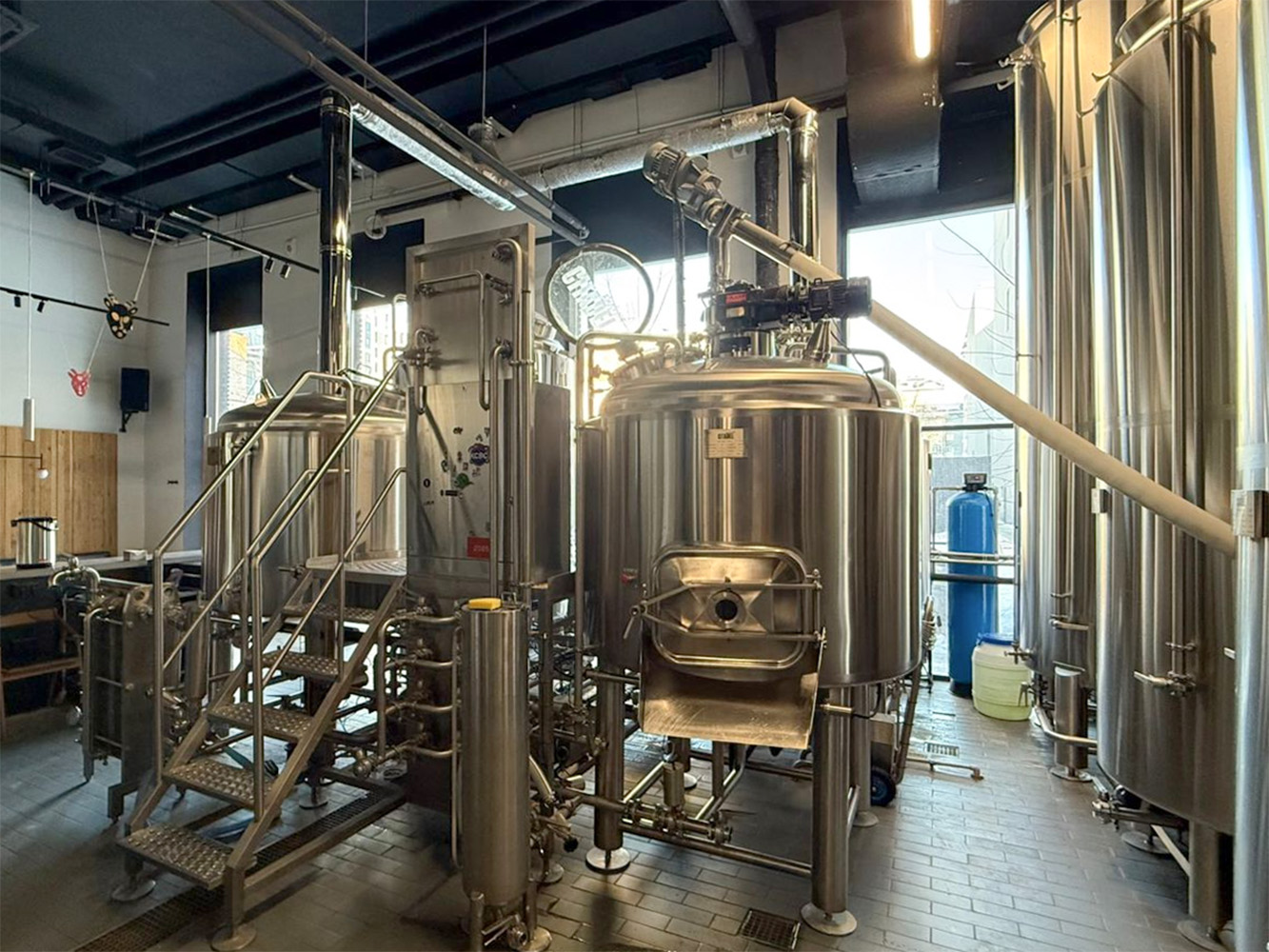
Frequently Asked Questions About Kombucha Brewing Equipment
Q: Can I use my existing beer brewing equipment to make kombucha?
A: Yes, but with important caveats. Stainless steel equipment like SKE tanks works perfectly for both beer and kombucha. However, do not use plastic buckets or hoses from beer for kombucha. The high acidity of kombucha can break down plastic over time. Also, scratches in plastic hold bacteria that will contaminate future batches of both drinks.
Q: What size kombucha brewing equipment should I start with?
A: For commercial production, SKE usually recommends starting with 500L to 2000L tanks. This size gives you good production volume while keeping your investment manageable. As you grow, you can add more tanks instead of replacing small ones. Many successful kombucha brands began with two or three 1000L tanks.
Q: How do the largest alcohol companies produce hard kombucha at scale?
A: The largest alcohol companies use fully automated systems from manufacturers like SKE. These systems include temperature-controlled jacketed fermenters, automated yeast handling, inline carbonation, and high-speed bottling lines. Integrated sensors monitor pH, dissolved oxygen, and alcohol content in real time for quality control.
Q: Do I need special equipment for hard kombucha versus non-alcoholic kombucha?
A: Yes. Hard kombucha needs an anaerobic (oxygen-free) fermentation phase to make alcohol. Standard kombucha production uses aerobic fermentation. SKE equipment can work for both. For hard kombucha, you will need sealed tanks, pressure relief valves, and often a method for capturing carbon dioxide.
Q: How often should I clean kombucha brewing equipment?
A: Clean your tanks after every batch. SKE recommends a standard CIP cycle: a pre-rinse with warm water, a caustic wash to remove organic residues, an intermediate rinse, an acid wash to remove mineral deposits, and a final sanitizing rinse. Our automated CIP systems complete this cycle in under 90 minutes with little operator involvement.
Conclusion: Your Path to Professional Kombucha Production
The kombucha market continues to grow. People want healthier drink options. Kombucha tea drinks offer probiotics, organic acids, and refreshing taste in one package. The rise of hard kombucha has brought the largest alcohol companies into this space. This shows that kombucha is now a mainstream choice for consumers.
Whether you are a home brewer planning your first commercial batch or an established producer looking to expand, the right kombucha brewing equipment makes all the difference. SKE brings years of fermentation experience to your project. Our stainless steel tanks, jacketed fermenters, and CIP systems meet the highest standards.
If you have any further questions, feel free to reach out!
- Facebook: SKE Equipment Facebook
- Email: info@skeequipment.com
For more personalized assistance, please fill out the contact form at the bottom of this page. We look forward to helping you with your brewing needs!