
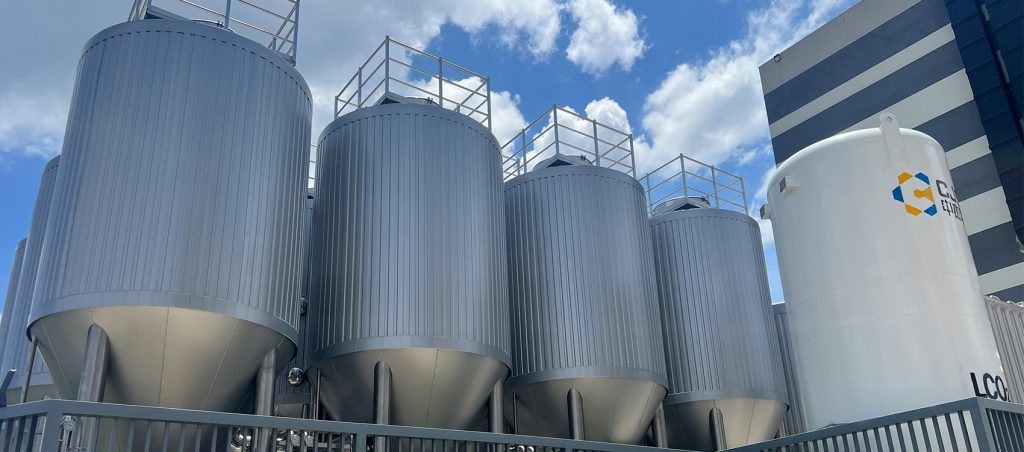
When people talk about the world’s best breweries, they often think about taste and aroma. But have you ever wondered what makes these breweries so special? Behind every great beer is great equipment.
The heart of any brewery is the fermentation process. Without the right tools, even the best recipe can fail. That is why professional brewers pay close attention to their brew fermenter systems.
In this article, we will explore how stainless fermenters help create world-class beer. We will also share useful knowledge for anyone interested in beer making. Whether you are a home brewer or planning to start a small brewery, this guide is for you.
Fermentation is a natural process where yeast turns sugar into alcohol and carbon dioxide. This sounds simple, but controlling this process is hard. Temperature, pressure, and cleanliness all affect the final product.
The world’s best breweries control these factors very carefully. They use advanced tools to monitor every change. A good brew fermenter helps maintain stable conditions.
Why Stainless Steel is the Top Choice for Fermenters
Stainless steel has changed the beer industry. Before stainless steel, brewers used wood or copper. Wood is hard to clean and can hold bacteria, while copper reacts with some chemicals in beer.
Stainless steel solves both problems. It does not react with beer and is very easy to clean. It also lasts for many years.
The world’s best breweries use stainless fermenters because they offer perfect hygiene. Bacteria cannot hide in small cracks on a smooth stainless steel surface. This reduces the risk of bad flavors.
Another benefit is temperature control. Stainless steel conducts heat well, so brewers can attach cooling jackets to the outside of the tank. This helps keep the beer at the right temperature during fermentation.
A stainless fermenter is also very strong and can hold pressure inside. This is important for making certain beer styles, such as when brewers carbonate the beer inside the fermenter. This saves time and equipment.
Pressure also helps stop bacteria from entering the tank. If the tank has positive pressure, air cannot go in. Only clean gas can be added, creating a safe environment for the yeast.
The world’s best breweries know that consistency is key. Customers expect the same taste every time they buy a beer. With a stainless fermenter, you can repeat the same process again and again.
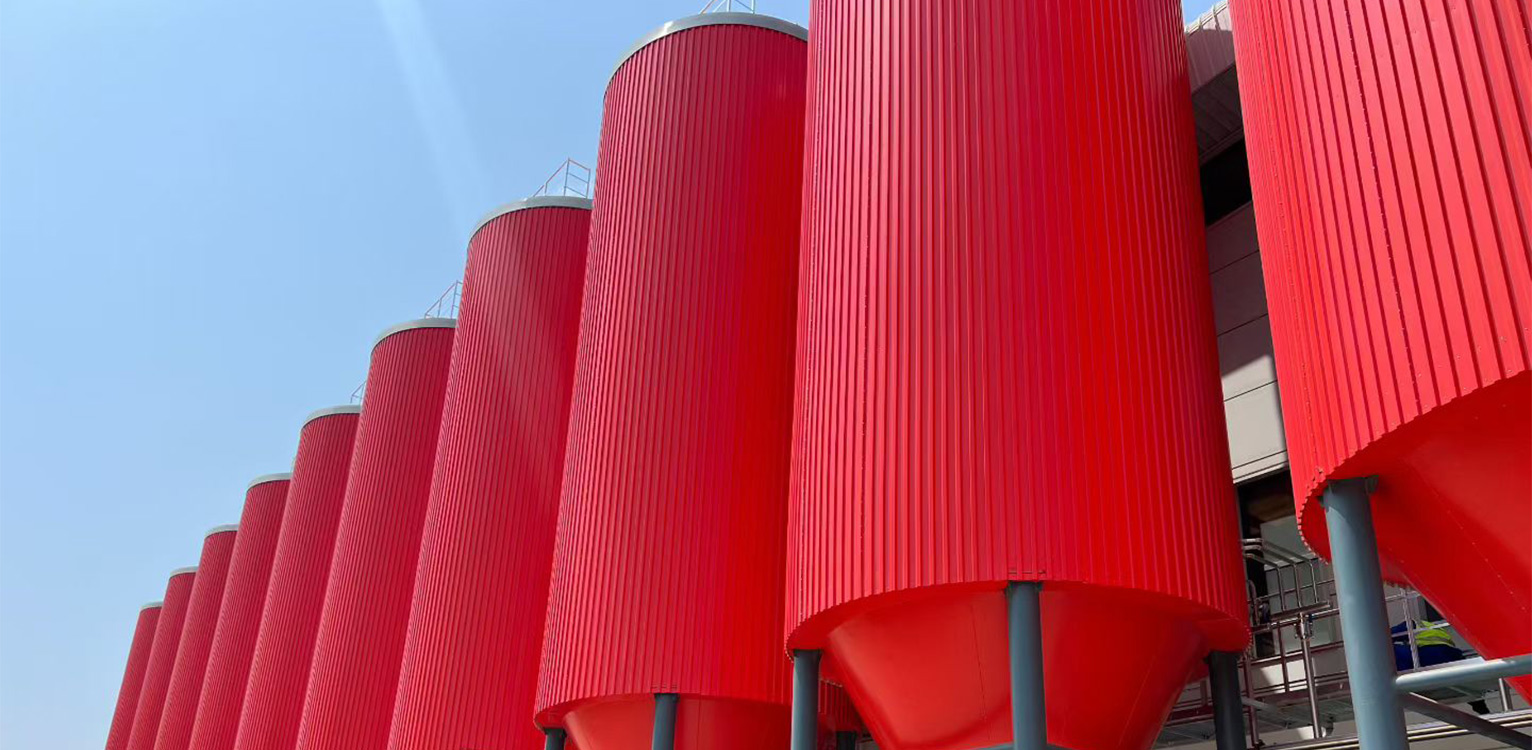
How a Brew Fermenter Works: Step by Step
Let us look at how a typical brew fermenter works. First, the brewer prepares the wort, which is the liquid made from malted grains and water. Wort contains sugar, which the yeast will eat.
The brewer cools the wort and moves it into the fermenter. Then, yeast is added in a step called pitching. The fermenter must be clean and sanitized before this.
After pitching, the lid is closed and the fermenter should be airtight. Inside the tank, yeast starts eating the sugar. This produces alcohol, CO2, and heat.
The temperature will rise during fermentation. Without cooling, the beer could get too hot, which would kill the yeast or create bad flavors. The cooling jacket on the stainless fermenter removes extra heat and keeps the temperature stable.
Most fermenters also have a valve at the top. This lets CO2 escape without letting air in. Some modern fermenters can even capture this CO2 for later use.
The fermentation time depends on the beer style. A simple ale may take one to two weeks, while a strong lager may take several weeks or months. During this time, the brewer checks the gravity regularly.
Gravity tells how much sugar is left in the beer. When the gravity stops changing, fermentation is done. At this point, the beer is called “green” and needs more time to mature.
The Role of a Stainless Fermenter in Quality Control
Quality control is very important in brewing. Even a small problem can ruin a large batch, costing time and money. A stainless fermenter helps in many ways to prevent these problems.
- First, it allows brewers to take samples without opening the tank. Most stainless fermenters have a sample valve for this purpose. The brewer can take a small amount of beer to test taste, smell, and gravity.
- Second, the smooth surface of stainless steel stops bacteria from growing. Bacteria often grow in scratches or rough spots, but plastic fermenters get scratches easily and glass can break. Stainless steel stays smooth for decades.
- Third, a stainless fermenter can be heated or cooled quickly. This helps stop unwanted bacteria if they appear. For example, if a batch gets infected, the brewer can pasteurize it inside the tank.
Another quality factor is oxygen, which is the enemy of beer after fermentation. Oxygen makes beer taste like wet cardboard. A good stainless fermenter is airtight with special seals and gaskets.
These features stop oxygen from entering the tank. The world’s best breweries check their tanks for oxygen leaks regularly. They also use pressure gauges to monitor the inside, because a pressure drop may indicate a leak.
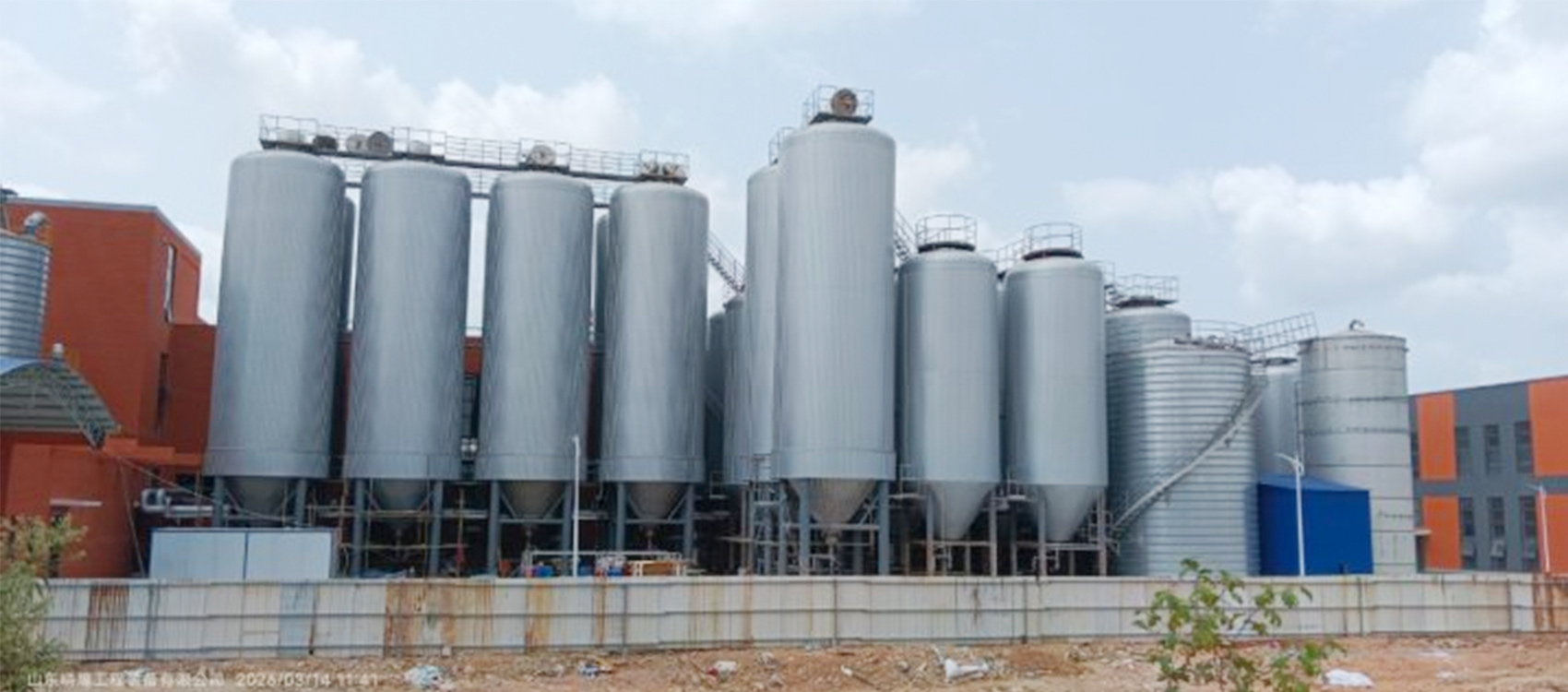
Comparison Table: Stainless Fermenter vs Other Materials
| Feature | Stainless Fermenter | Plastic Fermenter | Glass Fermenter |
|---|---|---|---|
| Durability | Very high. Lasts 20+ years. | Low. Scratches and cracks easily. | Medium. Breaks if dropped. |
| Cleaning | Very easy. Smooth surface. | Difficult. Scratches hide bacteria. | Easy but breakable. |
| Oxygen Protection | Excellent. Airtight seals. | Poor. Oxygen can pass through plastic. | Good but seals are weak. |
| Temperature Control | Excellent. Use cooling jackets. | Poor. No jacket option. | Poor. No jacket option. |
| Pressure Holding | Yes. Can carbonate inside. | No. Will burst under pressure. | Very low pressure only. |
| Taste Impact | None. Neutral material. | Can add plastic taste over time. | None, but risky. |
| Size Options | 50L to 5000L+ | Usually under 50L. | Usually under 30L. |
| Cost | Higher initial cost. | Low initial cost. | Medium initial cost. |
Maintenance Tips for Your Stainless Fermenter
Owning a stainless fermenter is a good investment, but you need to take care of it. Even stainless steel can fail if you ignore basic cleaning. The world’s best breweries have strict cleaning routines that you should follow.
- First, clean your fermenter right after emptying it. Do not let beer dry inside because dried beer is hard to remove. Rinse with warm water first to remove large solids.Then use a special brewery cleaner, typically a caustic solution that breaks down organic material. Circulate the cleaner through all valves and spray balls. A spray ball is a device that sprays cleaning solution in all directions.After caustic cleaning, rinse with clean water. Then use an acid cleaner to remove mineral deposits. Finally, sanitize before the next use to kill any remaining bacteria.
- Second, inspect your fermenter regularly. Look for scratches, dents, or rust. Real stainless steel should not rust, so rust may indicate low-quality material or chemical damage.Use only cleaners made for stainless steel. Never use bleach or strong acids for a long time, as these can damage the surface. Also, never use metal brushes that can scratch the steel.
- Third, check the gaskets and seals. Rubber parts wear out over time and should be replaced every year or two. A bad gasket can let in oxygen or cause leaks.
- Fourth, keep the outside clean too. Dirt on the outside can hide damage. Clean the cooling jacket and pipes regularly.
- Finally, keep good records. Write down when you cleaned and what products you used. This helps find problems later and keeps your maintenance consistent.
At SKE, we provide a maintenance guide with every fermenter. We want your equipment to work perfectly for many years. If you have questions, our team is ready to help.
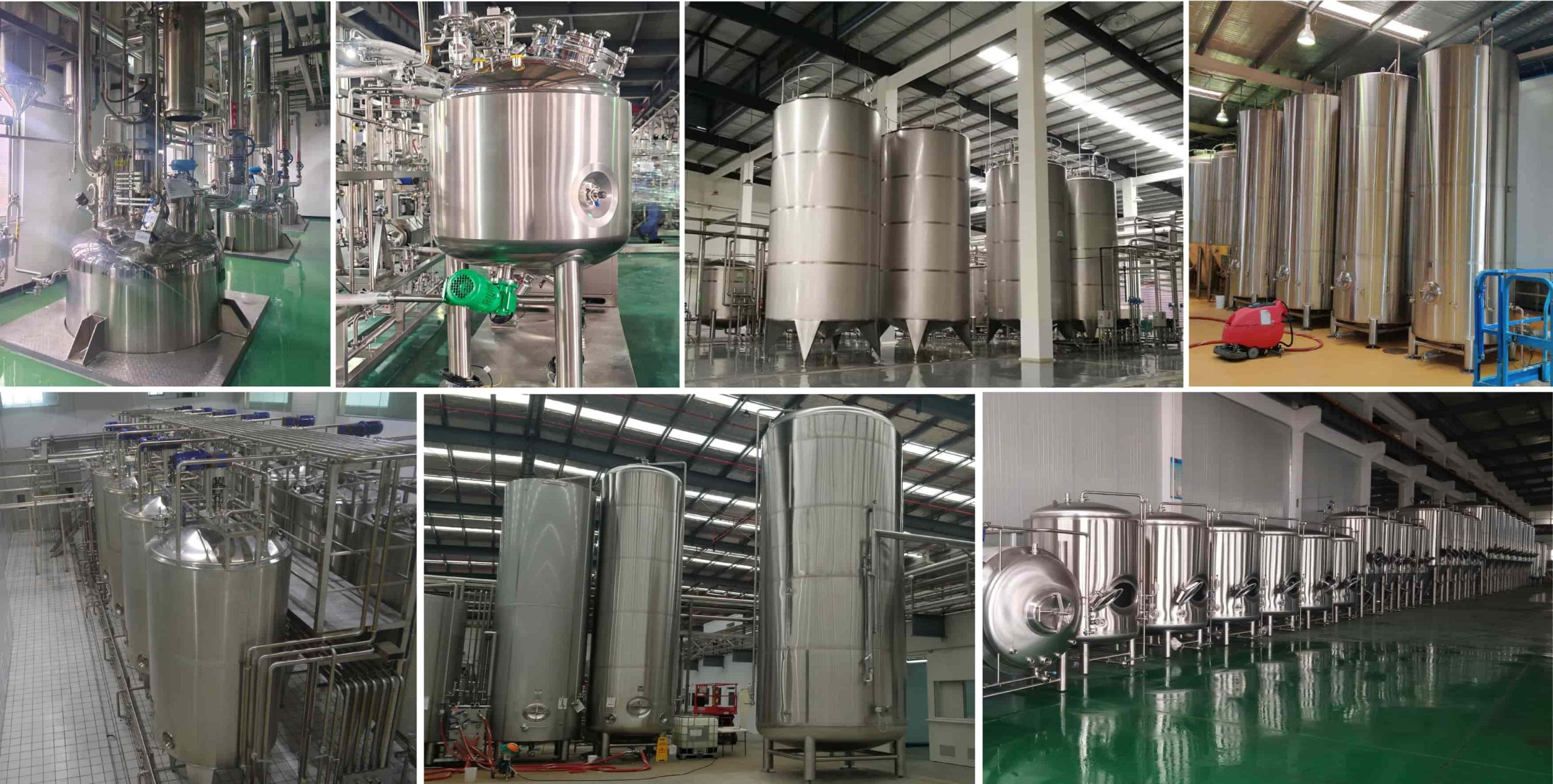
Frequently Asked Questions (FAQ)
Here are common questions about brew fermenters and stainless steel equipment. These answers come from our experience at SKE.
Q1: Why do the world’s best breweries use stainless steel fermenters?
A: They use stainless steel because it is clean, strong, and long-lasting. Stainless steel does not add bad tastes to beer and is easy to sanitize. It also allows good temperature control, which helps make high-quality beer every time.
Q2: Can I use a plastic fermenter for a small brewery?
A: You can, but we do not recommend it. Plastic scratches easily, and bacteria hide in those scratches. Plastic also lets in small amounts of oxygen, which hurts beer flavor, so stainless steel is the better choice.
Q3: How do I clean a stainless fermenter?
A: First rinse with warm water, then use a caustic cleaner and circulate it through all parts. Rinse again, then use an acid cleaner, rinse one more time, and finally sanitize just before use. Never use bleach or metal brushes.
Q4: What size brew fermenter do I need?
A: The size depends on your brewhouse. Your fermenter should be at least as big as your batch size, plus extra space for foam. SKE can help you choose the right size for your production goals.
Q5: How long does fermentation take in a stainless fermenter?
A: It depends on the beer style. An ale may take 1 to 2 weeks, while a lager may take 3 to 6 weeks. Strong beers or special styles can take months, but the stainless fermenter works well for all time periods.
Q6: What is the difference between a brew fermenter and a unitank?
A: A basic brew fermenter is only for fermentation. A unitank is a stainless fermenter that can also hold pressure, allowing you to carbonate and serve from the same tank. Unitanks save space but cost more.
Conclusion: Invest in Quality with SKE
The world’s best breweries did not become great by accident. They chose the right tools, learned the science of fermentation, and never cut corners on quality. A good brew fermenter is the heart of any brewery.
A stainless fermenter gives you cleanliness, control, and consistency. It protects your beer from oxygen and bacteria. It helps you repeat your best recipes every time.
Whether you are making a light lager or a dark stout, your fermenter matters. Do not trust your beer to weak materials. Choose stainless steel and choose a partner who understands your needs.
SKE is here to help. We manufacture high-quality stainless fermenters for breweries of all sizes, from small brewpubs to large production facilities. Our tanks are made from food-grade stainless steel that is easy to clean and built to last.
We also offer cooling jackets, pressure ratings, and custom sizes. Contact SKE today to learn more about our products. Let us help you brew better beer.
If you have any further questions, feel free to reach out!
- Facebook: SKE Equipment Facebook
- Email: info@skeequipment.com
For more personalized assistance, please fill out the contact form at the bottom of this page. We look forward to helping you with your brewing needs!