When we talk about major beer companies, we are referring to global giants like Anheuser-Busch InBev, Heineken, Carlsberg, and many others. These companies produce billions of liters of beer every year. But behind the marketing and distribution, there is a powerful natural process called alcoholic fermentation.
This process transforms simple ingredients into a complex fermented beverage that people have enjoyed for thousands of years. In this article, we will explain how alcoholic fermentation works, why major beer companies depend on it, and how professional brewing equipment supports consistent quality and high volume production.
What Is Alcoholic Fermentation?
Alcoholic fermentation is a natural biological process. Yeast, a type of fungus, consumes sugars and converts them into alcohol (ethanol) and carbon dioxide. This process happens without oxygen. In beer production, brewers create a sugary liquid called wort. The wort comes from malted grains like barley. When brewers add yeast to the wort, alcoholic fermentation begins. The yeast eats the sugars, and the liquid becomes a fermented beverage with alcohol, flavor, and carbonation.
Major beer companies rely on this process to make beer at a massive scale. They must control temperature, time, and yeast health carefully. If the fermentation happens too fast or too slow, the flavor can be bad. The alcohol level also changes based on how much sugar the yeast consumes. For example, a light lager has less sugar and lower alcohol. A strong ale has more sugar and higher alcohol. Understanding this balance is key for any brewer who wants to produce a consistent fermented beverage.
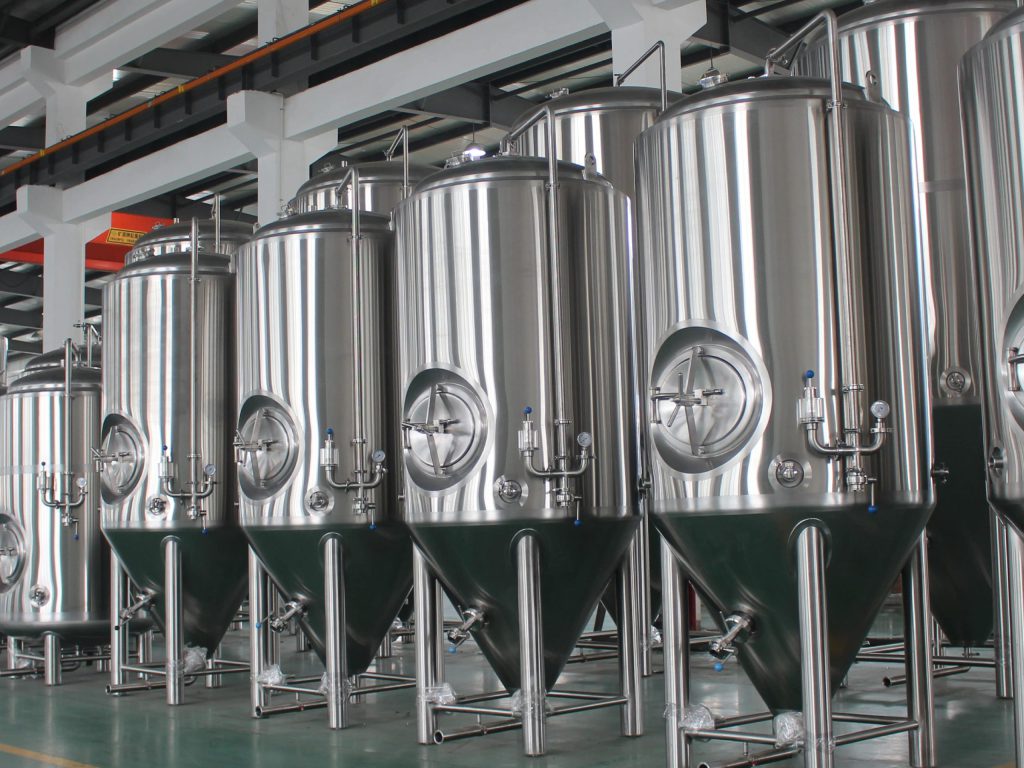
At SKE, we design equipment that helps brewers control alcoholic fermentation perfectly. Our fermentation tanks, cooling systems, and monitoring tools ensure that yeast works in the best conditions. This leads to better taste, fewer mistakes, and higher production efficiency. Whether you are a craft brewery or a large facility, controlling alcoholic fermentation is the heart of your business.
Role of Major Beer Companies
Major beer companies dominate the global market for fermented beverages. Beer is one of the oldest and most popular fermented drinks in the world. These companies produce many different brands, from affordable everyday lagers to premium craft-style beers. They invest millions of dollars in research and development to improve alcoholic fermentation.
Large breweries use advanced technology to monitor alcoholic fermentation in real time. Sensors measure temperature, pH, sugar levels, and alcohol content. Computers adjust conditions automatically. This level of control is necessary when you produce millions of liters per day. Major beer companies also manage their yeast strains carefully.These strains give each beer its unique flavor and aroma.
For smaller breweries, SKE offers similar technology but at a smaller scale. Our equipment helps local brewers compete by improving their alcoholic fermentation process. We believe that any brewery can make high-quality fermented beverages with the right tools. From mash tuns to bright beer tanks, every part of our equipment is designed for reliability and easy cleaning. Good equipment reduces contamination risks and improves fermentation results.
Ingredients Used
The four basic ingredients in beer are water, malted grain, hops, and yeast. Major beer companies source these ingredients from all over the world. The quality of each ingredient affects alcoholic fermentation. For example, barley malt provides the sugars that yeast needs. Different malts give different sugar profiles. Some sugars ferment completely, while others leave some sweetness in the final fermented beverage.
Hops do not directly feed yeast, but they play a big role in flavor and preservation. Hops add bitterness and aroma. They also have natural antibacterial properties. This helps protect the beer during alcoholic fermentation. Clean fermentation is very important. Major beer companies use strict hygiene protocols and high-quality hops to prevent contamination.
Controlling Fermentation Temperature
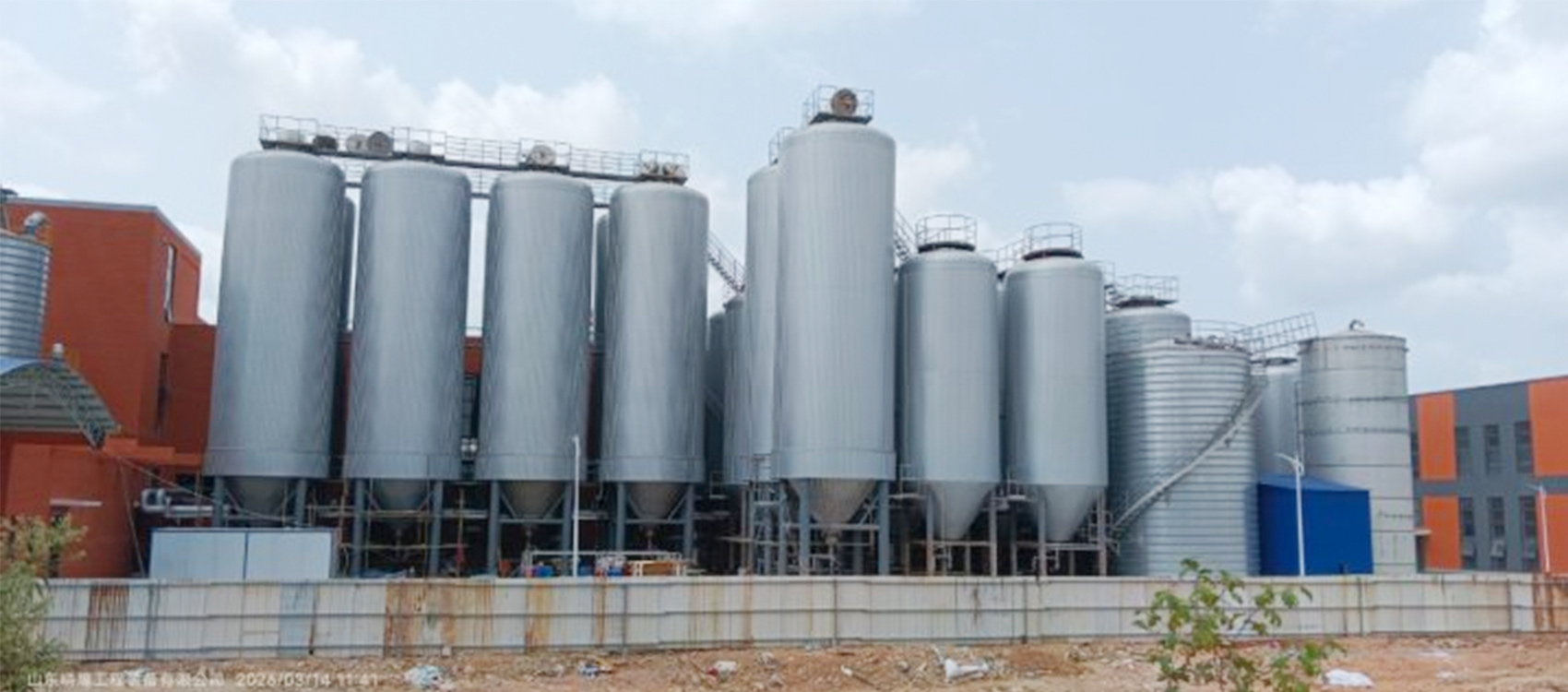
Temperature control is one of the most critical factors in alcoholic fermentation. Different beer styles need different fermentation temperatures. Major beer companies use large jacketed tanks with cooling systems. These tanks wrap around the fermentation vessel and circulate cold water or glycol. The temperature stays exactly where the brewer wants it, from 10°C to 25°C depending on the yeast type.
Lager yeast works best at colder temperatures, around 8°C to 13°C. This slow fermentation creates a clean, crisp fermented beverage. Ale yeast prefers warmer temperatures, from 18°C to 22°C. Warm fermentation produces more fruity and spicy flavors. Major beer companies sometimes use special temperature profiles. They start fermentation warm and then cool it down. This encourages the yeast to create specific aroma compounds.
If the temperature rises too high, yeast produces off-flavors like buttery diacetyl or harsh alcohols. If it stays too low, fermentation becomes very slow, and the yeast may stop working. SKE’s equipment includes precise temperature controllers and easy-to-use interfaces. Our tanks keep the temperature stable, even in large volumes. This helps brewers avoid common fermentation problems. Consistent temperature leads to consistent taste, which is the goal for any brewery serious about its fermented beverage products.
Timeline of Fermentation
Alcoholic fermentation does not happen instantly. It follows a timeline. Major beer companies plan their production schedules carefully. The timeline depends on the beer style, yeast strain, and desired alcohol level. Below is a typical timeline for lager beer, which is the most common fermented beverage made by major beer companies. Ale fermentation is faster.
| Fermentation Phase | Typical Duration | Temperature Range | What Happens |
|---|---|---|---|
| Lag Phase (Adaptation) | 0–6 hours | 8–22°C (varies) | Yeast wakes up and absorbs oxygen and nutrients. No alcohol yet. |
| Exponential Growth | 1–3 days | 8–22°C | Yeast multiplies quickly. Sugar consumption and alcohol production begin. |
| Stationary Phase | 2–6 days | 8–22°C | Most sugar is consumed. Alcohol and carbon dioxide levels peak. |
| Conditioning (Maturation) | 7–21 days | 0–4°C | Yeast settles. Flavors become smoother. Green beer becomes mature. |
Why Invest in Advanced Equipment
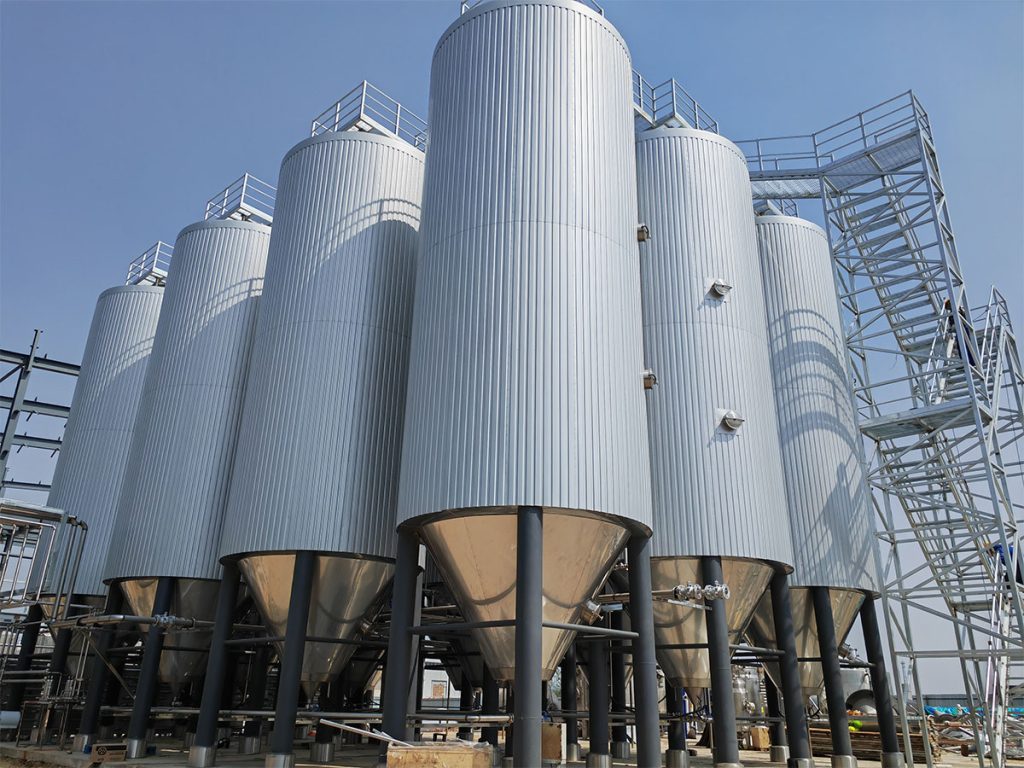
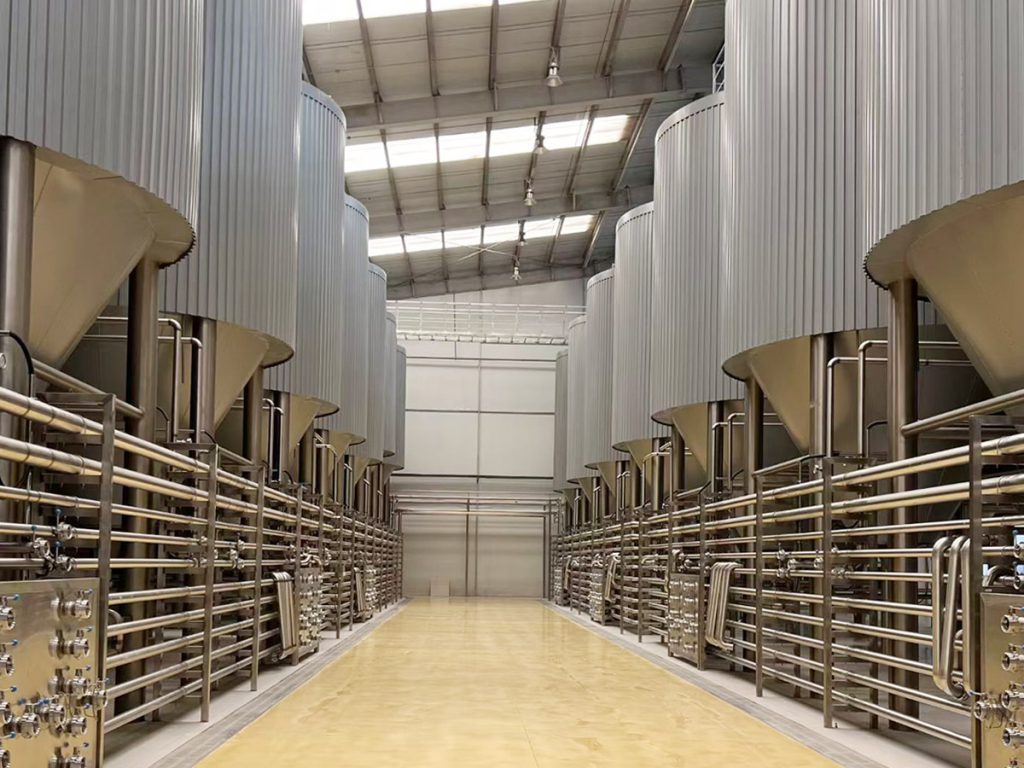
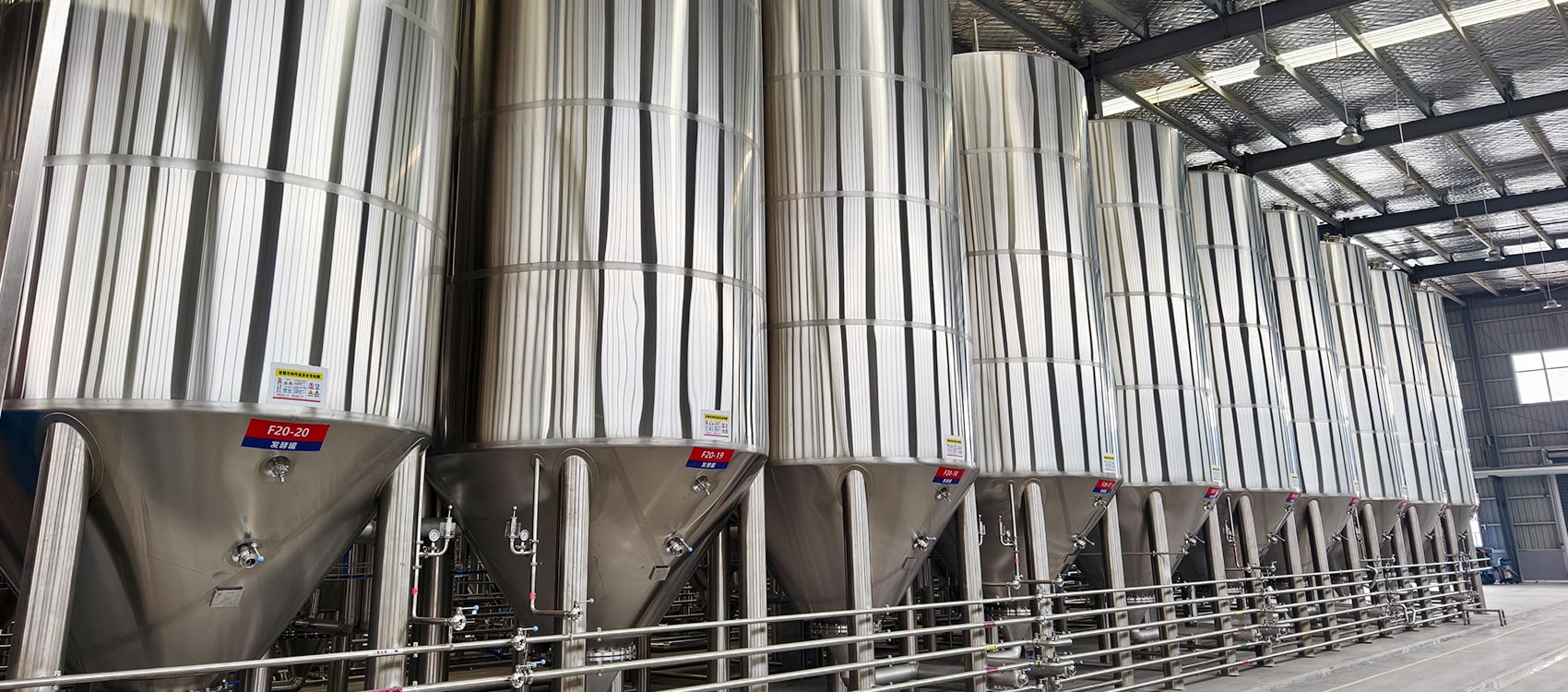
Major beer companies do not use simple buckets or basic barrels. They use industrial-scale fermentation vessels made from stainless steel. These tanks hold tens of thousands of liters. Some breweries have hundreds of tanks in one building. The reason is simple: volume, consistency, and safety. Alcoholic fermentation releases heat, carbon dioxide, and pressure. Advanced equipment manages all of these safely and efficiently.
Pressure is important. During fermentation, carbon dioxide builds up. Many large tanks are closed and allow pressure to rise slightly. This pressure helps control foam and reduces the risk of contamination. It also affects the final carbonation level of the fermented beverage. Major beer companies also use automated cleaning systems. After each batch, the tanks are cleaned with hot water and caustic solutions. This prevents old yeast or bacteria from spoiling the next batch.
Common Problems & Solutions
Even major beer companies face fermentation problems sometimes. The difference is that they catch them early using sensors and lab tests. Small breweries can also avoid problems by understanding common issues. Below is a simple table showing frequent fermentation problems, their causes, and solutions for making a clean fermented beverage.
| Problem | Possible Cause | Solution |
|---|---|---|
| Stuck fermentation (sugar remains, no alcohol increase) | Temperature too cold, old yeast, or lack of nutrients | Warm the tank slowly. Add fresh yeast or yeast nutrient. Rouse the yeast with CO₂. |
| Off-flavor (buttery, like popcorn) | Diacetyl produced during fermentation | Raise temperature for 2–3 days (diacetyl rest). Allow yeast to clean up the compound. |
| Too much foam (blow-off) | Very active fermentation, full tank | Leave more headspace. Use antifoam agents. Control temperature better. |
| Low alcohol level | Not enough sugar in wort or fermentation stopped early | Check original gravity. Ensure proper yeast pitching rate. Verify mash temperatures. |
| Contamination (sour or weird taste) | Bacteria or wild yeast entered the tank | Improve cleaning procedures. Sanitize all equipment. Check seals and gaskets. |
FAQ
Q1: What are the largest major beer companies in the world?
A1: The top three are Anheuser-Busch InBev (Belgium/Brazil), Heineken (Netherlands), and Carlsberg (Denmark). Together, they control more than 40% of the global beer market.
Q2: Is alcoholic fermentation only for beer?
A2: No. Alcoholic fermentation is also used for wine, cider, mead, and spirits. Any fermented beverage made from sugars and yeast uses this process. Beer uses grains, while wine uses fruit.
Q3: How do major beer companies stop fermentation?
A3: They cool the beer down to near freezing. This makes the yeast go dormant. They may also filter the yeast out or pasteurize the beer to kill any remaining yeast.
Q4: Can I make a fermented beverage without specialized equipment?
A4: Yes, people have done it for thousands of years using clay pots or wooden barrels. However, for consistent quality and safety, modern equipment like SKE’s stainless steel tanks is much better.
Q5: Why do major beer companies use lager yeast more than ale yeast?
A5: Lager yeast produces a cleaner, smoother taste that appeals to a larger number of consumers. It also stores and travels better. However, ale yeast is still used for many popular styles.
Q6: How does SKE equipment help with alcoholic fermentation?
A6: SKE manufactures jacketed fermentation tanks, glycol cooling systems, and control panels. These tools maintain perfect temperature and hygiene, reducing the risk of off-flavors or contamination.
Conclusion
Major beer companies succeed because they master alcoholic fermentation. They turn grains and water into a delicious fermented beverage millions of times per year. You can do the same at your scale by respecting the science and using the right tools. Fermentation is not magic—it is biology and engineering working together. When you control temperature, yeast health, and cleaning procedures, you control your beer’s quality.
If you have any further questions, feel free to reach out!
- Facebook: SKE Equipment Facebook
- Email: info@skeequipment.com
For more personalized assistance, please fill out the contact form at the bottom of this page. We look forward to helping you with your brewing needs!