Introduction to Dairy Production: From Farm to Table
The production of dairy products is a complex and highly specialized industry, vital to global nutrition and economy. It encompasses a vast array of processes, starting from the collection of raw milk to its transformation into a multitude of consumable goods such as fluid milk, yogurt, cheese, butter, and ice cream. This intricate journey demands precision at every step, ensuring safety, quality, and nutritional integrity. Dairy processing facilities must adhere to stringent standards, incorporating advanced technologies and rigorous quality control measures to deliver products that meet consumer expectations and regulatory requirements.
Understanding the fundamental principles and modern advancements in dairy production is crucial for producers aiming to enhance efficiency, reduce waste, and expand their product lines. The industry is constantly evolving, driven by consumer demand for healthier, more diverse, and sustainable options. From small-scale artisanal producers to large industrial operations, the core goal remains the same: to produce high-quality, safe, and nutritious dairy products. This guide will delve into the various stages of dairy production, highlighting key aspects, challenges, and solutions, with a focus on how reliable equipment and intelligent processes can optimize these operations. The successful production of dairy products hinges on a deep understanding of microbiology, chemistry, and engineering, coupled with a commitment to continuous improvement.
At the heart of efficient dairy operations lies the equipment. Modern dairy processing requires machinery that is not only robust and reliable but also designed for optimal hygiene and energy efficiency. For instance, when considering the flash pasteurization system, one must acknowledge its role in rapidly heating and cooling milk to eliminate pathogens while preserving flavor and nutritional value. This technology is a cornerstone in ensuring the safety of fluid milk and numerous other dairy products. SKE specializes in providing state-of-the-art solutions that empower dairy processors to achieve these demanding standards, ensuring that every batch of product meets the highest possible quality benchmarks.
Raw Milk Handling and Quality Assurance: The Foundation of Excellent Dairy Products
The journey of the production of dairy products begins with the raw milk itself. The quality of the final product is inherently linked to the quality of the raw material. Proper raw milk handling and rigorous quality assurance protocols are therefore paramount. Upon collection from the farm, milk must be rapidly cooled to inhibit bacterial growth and maintained at low temperatures (typically below 4°C) during transportation to the processing plant. Any delay or improper temperature control can significantly impact the microbiological quality of the milk, leading to reduced shelf life and potential safety concerns for the resulting dairy products.
At the processing facility, raw milk undergoes a series of initial quality checks. These tests typically include:
- Temperature checks: Verifying that the milk has been kept at optimal cooling temperatures.
- Antibiotic residue screening: Essential to ensure no antibiotics from animal treatment are present, which could hinder fermentation processes and pose health risks.
- Somatic cell count (SCC): An indicator of udder health and potential inflammation in the cows, reflecting overall milk quality.
- Bacterial count (standard plate count): Measures the total number of viable bacteria, crucial for assessing hygiene throughout the supply chain.
- Composition analysis: Fat, protein, and lactose content are measured for product formulation and economic considerations.
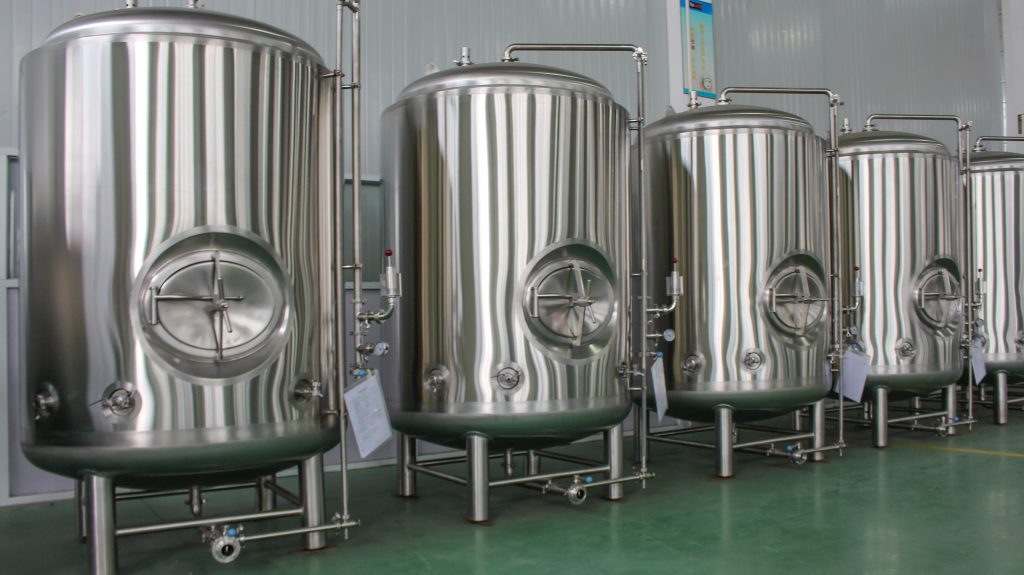
These initial assessments are critical in determining whether the raw milk is fit for further processing. Substandard milk can be rejected, preventing contamination of processing lines and batches. Effective raw milk management requires not only sophisticated testing equipment but also efficient reception and storage systems. SKE offers robust raw milk reception units and storage tanks designed for optimal cooling and agitation, minimizing bacterial proliferation and maintaining the milk’s natural properties before it enters the main processing streams for the production of dairy products.
Furthermore, traceability systems are becoming increasingly important, allowing processors to track milk from the farm to the finished product. This transparency not only helps in managing quality but also in responding quickly to any potential issues. Investing in advanced analytical tools and reliable storage solutions is a hallmark of a reputable dairy producer committed to delivering excellence in every product. The integrity of the raw material is indeed the bedrock upon which all subsequent stages of the production of dairy products are built.
Key Processing Techniques in Dairy Products: Transforming Milk into Excellence
Once the raw milk has passed quality checks, it moves into various processing techniques, each designed to transform it into specific dairy products. These methods enhance safety, extend shelf life, and create the desired sensory characteristics. The core processes often include separation, standardization, homogenization, and pasteurization, all of which are critical for the successful production of dairy products.
Separation and Standardization
Separation: Raw milk is an emulsion of fat in water. Centrifugal separators are used to separate milk into skim milk and cream. This process is fundamental for creating products with varying fat content.
Standardization: After separation, skim milk and cream are blended back in precise ratios to achieve the desired fat content for specific products (e.g., whole milk, 2% milk, skim milk). This ensures consistency in flavor, texture, and nutritional labeling. Accurate standardization requires high-precision flow meters and blending systems. SKE’s expertise in process control systems plays a significant role here, providing solutions that guarantee consistent product formulation batches.
Homogenization
Homogenization is a mechanical process that reduces the size of fat globules in milk, dispersing them evenly throughout the liquid. This prevents the cream from rising to the top (creaming) and contributes to a smoother, richer mouthfeel and whiter appearance. It is crucial for many fluid milk products and ingredients for subsequent processing steps. High-pressure homogenizers are used, forcing milk through a small aperture under high pressure. Properly homogenized milk is a key factor in the stability and palatability of various dairy items, directly impacting consumer satisfaction with the production of dairy products.
Pasteurization
Pasteurization is a heat treatment process designed to eliminate pathogenic microorganisms and reduce spoilage bacteria, thereby making milk safe for consumption and extending its shelf life. There are several methods, with the most common being:
- High-Temperature Short-Time (HTST) Pasteurization: Heats milk to a specific temperature (e.g., 72-74°C) for a short duration (e.g., 15-20 seconds) followed by rapid cooling. This method is widely used for fluid milk and offers excellent pathogen reduction with minimal impact on flavor. SKE is a leading provider of milk pasteurization machines, including advanced HTST systems, ensuring efficient and safe processing for all types of dairy products.
- Ultra-High Temperature (UHT) Processing: Heats milk to even higher temperatures (e.g., 135-150°C) for a very short time (e.g., 2-5 seconds). UHT milk can be stored at ambient temperatures for months due to its ultra-sterilized nature.
The choice of pasteurization method depends on the desired shelf life and product characteristics. Both methods require precise temperature control and robust heat exchangers to ensure product safety without compromising quality. The correct application of these heat treatments is fundamental to the production of dairy products that meet both safety standards and consumer expectations.
Fermentation and Culturing
For products like yogurt, cheese, and fermented milk drinks, culturing with specific beneficial bacteria is a critical step. These cultures convert lactose into lactic acid, which causes milk proteins to coagulate, thickens the product, and imparts characteristic flavors and textures. Precise temperature control during fermentation is essential for the optimal activity of the starter cultures. SKE’s experience in designing bespoke processing lines means we can integrate fermentation tanks with accurate temperature and pH control, vital for consistent production of cultured dairy products.
Each of these processing techniques demands specialized equipment and expertise. Integrating an efficient process line, from raw material intake to final product discharge, is what defines a successful dairy operation. SKE provides comprehensive solutions for each stage of the production of dairy products, ensuring reliability and adherence to the highest industry standards. For example, understanding the requirements for CIP system cleaning in place is crucial for maintaining hygiene within these complex processing lines, a factor SKE meticulously incorporates into machine design.
Hygiene, Sanitation, and Regulatory Compliance in Dairy Production
In the highly sensitive environment of dairy processing, hygiene and sanitation are not merely good practices; they are foundational pillars for the safe and successful production of dairy products. Any lapse in cleanliness can lead to microbial contamination, spoilage, and severe health risks for consumers. Consequently, dairy plants operate under strict regulatory frameworks designed to ensure product safety and quality from farm to shelf.
Cleaning and Sanitation Protocols
The primary method for maintaining hygiene in dairy processing is through rigorous Cleaning-In-Place (CIP) and Sterilization-In-Place (SIP) systems. CIP systems are designed to clean entire processing lines, including tanks, pipes, and heat exchangers, without disassembling them. This involves circulating cleaning solutions (alkaline, acidic, and sanitizers) through the equipment in a carefully controlled sequence. SIP systems extend this by using steam or hot water to sterilize the equipment, crucial for aseptic processing environments. Effective CIP/SIP systems are critical for preventing biofilm formation and cross-contamination when producing a variety of dairy products on the same lines.
Manual cleaning is also required for certain equipment parts and general facility upkeep. This often involves trained personnel using specialized detergents and sanitizers. Validation of cleaning procedures, through swabbing and microbiological testing, is essential to confirm their effectiveness. All SKE equipment is designed with sanitation in mind, utilizing food-grade stainless steel, smooth surfaces, and minimal dead spaces to facilitate thorough cleaning and prevent bacterial harborage.
HACCP and Food Safety Management Systems
Hazard Analysis and Critical Control Points (HACCP) is a systematic preventive approach to food safety from biological, chemical, and physical hazards in production processes. It is a mandatory requirement in many countries for dairy processing facilities. Implementing HACCP involves:
- Conducting a hazard analysis.
- Identifying critical control points (CCPs) where hazards can be prevented, eliminated, or reduced to acceptable levels.
- Establishing critical limits for each CCP.
- Monitoring CCPs.
- Establishing corrective actions.
- Establishing verification procedures.
- Establishing record-keeping and documentation.
Beyond HACCP, many dairies also implement broader Food Safety Management Systems (FSMS) based on international standards like ISO 22000. These systems integrate quality management with food safety, providing a comprehensive framework for ensuring the safe production of dairy products. Robust traceability systems are also vital, allowing quick identification and recall of products if a safety issue arises.
Regulatory Compliance
Dairy processors must comply with a multitude of local, national, and international regulations. These cover everything from milk composition standards, allowable additives, labeling requirements, and environmental protection. Regular audits by regulatory bodies and third-party certifiers verify compliance. Failure to meet these standards can result in hefty fines, product recalls, and severe damage to reputation.
Working with an experienced equipment provider like SKE ensures that all machinery and integrated solutions are designed and manufactured to meet global regulatory standards, contributing to seamless compliance for the production of dairy products. We understand the importance of engineering solutions that not only perform exceptionally but also simplify adherence to the strictest food safety guidelines.
Packaging, Storage, and Distribution: Preserving Quality from Plant to Consumer
The final stages in the production of dairy products involve packaging, storage, and distribution, which are just as critical as the initial processing steps. These stages ensure that the quality, safety, and nutritional value achieved during processing are maintained until the product reaches the consumer. Effective packaging protects the product from external contamination, light, oxygen, and physical damage, while proper storage and distribution maintain optimal temperature conditions to prevent spoilage and extend shelf life.
Packaging Solutions for Dairy Products
The choice of packaging material and format largely depends on the specific dairy product, its intended shelf life, and market requirements. Common packaging types include:
- Plastic Bottles/Cartons: Widely used for fluid milk, yogurt drinks, and cream. These offer convenience and often have barrier properties against light and oxygen.
- Cups/Tubs: Perfect for yogurt, cottage cheese, sour cream, and other semi-solid products. They often feature re-sealable lids for consumer convenience.
- Flexible Films: Used for cheese, butter, and sometimes milk pouches, offering versatility and cost-effectiveness.
- Aseptic Cartons: Essential for UHT milk and other extended shelf-life products, providing excellent protection and allowing ambient storage.
Packaging operations must be highly automated to ensure efficiency and minimize human contact, thereby reducing the risk of contamination. SKE can integrate various packaging solutions into a complete dairy processing line, ensuring seamless transition from processing to final product. Consideration is also given to sustainable packaging options, an increasingly important factor for environmentally conscious consumers.
Cold Chain Management and Storage
Maintaining the cold chain is paramount for most dairy products, especially fluid milk, yogurt, and fresh cheeses. After packaging, products must be rapidly cooled to their optimal storage temperature (typically 0-4°C) and maintained within this range throughout storage and distribution. Any break in the cold chain can lead to accelerated bacterial growth, spoilage, and a significant reduction in shelf life. Advanced refrigeration systems and insulated storage facilities are indispensable.
Large-scale cold storage rooms and automated palletizing systems are often employed to manage high volumes of finished dairy products efficiently. Real-time temperature monitoring systems are crucial for ensuring compliance with cold chain requirements and immediately identifying any deviations. For the production of dairy products destined for longer journeys, robust cold storage and transport are non-negotiable.
Distribution Logistics
Dairy products typically have a relatively short shelf life, especially fresh items. This necessitates highly efficient and rapid distribution networks. Logistics involve careful planning of routes, fleet management (refrigerated trucks), and inventory control to deliver products to retail outlets and consumers in optimal condition. Just-in-time inventory systems are often implemented to minimize warehousing time and ensure freshness.
The entire process, from raw material intake to final distribution, must be viewed as a connected system. Even the most advanced processing equipment, such as SKE’s pasteurizers and separators, would be undermined without effective packaging and cold chain management. Consumers rely on the dairy industry’s ability to consistently deliver safe, high-quality products, underscoring the critical role of these final stages in the production of dairy products.
Innovation and Sustainability in Dairy Production: Future-Proofing the Industry
The dairy industry, like many others, is constantly evolving, driven by technological advancements, changing consumer preferences, and an increasing focus on environmental sustainability. Innovation in the production of dairy products is key to meeting these challenges, improving efficiency, reducing environmental footprint, and developing novel products that cater to diverse dietary needs and tastes. Sustainability is no longer an option but a necessity, influencing every aspect from farm practices to processing and packaging.
Technological Innovations
- Advanced Automation and Robotics: Automation extends beyond basic process control to include robotic systems for material handling, packaging, and even cleaning. This reduces labor costs, improves precision, and enhances food safety by minimizing human contact.
- Enhanced Filtration Technologies: Membrane filtration (e.g., microfiltration, ultrafiltration, nanofiltration, reverse osmosis) is increasingly used for fractionating milk components (protein concentration, lactose removal), water recovery, and bacterial reduction, offering new product development opportunities and improving process efficiency.
- Sensor Technologies and AI: Real-time monitoring of milk quality, process parameters, and equipment performance using advanced sensors and artificial intelligence allows for predictive maintenance, optimized resource usage, and immediate identification of potential issues, leading to more consistent production of dairy products.
- Novel Processing Methods: High-pressure processing (HPP) and pulsed electric fields (PEF) are emerging non-thermal processing technologies that can extend shelf life and ensure safety while potentially retaining more nutrients and flavor compared to traditional heat treatments.
Sustainability Initiatives
The dairy industry is making significant strides in reducing its environmental impact. Key areas of focus include:
- Energy Efficiency: Implementing energy-saving technologies such as heat recovery systems (integrated into SKE’s pasteurization units), optimized insulation, and efficient motors. Transitioning to renewable energy sources for plant operations is also gaining traction.
- Water Conservation: Dairy processing is water-intensive. Innovations in water recycling, advanced filtration for wastewater treatment (e.g., from CIP systems), and dry cleaning methods are crucial for reducing water usage.
- Waste Reduction and Valorization: Minimizing product loss, utilizing dairy by-products (like whey permeate) for other value-added ingredients, and developing more sustainable packaging solutions are vital. SKE assists clients in optimizing their processes to minimize waste and explore circular economy practices within the production of dairy products.
- Reduced Greenhouse Gas Emissions: While a complex challenge, efforts include improving livestock efficiency, managing manure effectively, and reducing emissions from processing plants through energy efficiency and cleaner fuel sources.
These innovations and sustainability efforts are not just about compliance; they are about future-proofing the industry and meeting the demands of a more conscious consumer base. Companies investing in these areas are likely to see long-term benefits in terms of operational efficiency, brand reputation, and market competitiveness. SKE is committed to supporting this evolution by providing advanced, energy-efficient, and sustainable equipment and solutions for the entire value chain of the production of dairy products, helping our partners build resilient and responsible operations for tomorrow.
Frequently Asked Questions about Dairy Product Production
What are the most critical steps in the production of dairy products?
The most critical steps include raw milk collection and quality control, separation and standardization for desired fat content, homogenization for emulsion stability, and pasteurization for pathogen elimination and shelf life extension. Each step requires precise control to ensure the safety and quality of the final dairy products.
How does SKE contribute to the efficiency of dairy product production?
SKE provides high-quality, reliable, and energy-efficient processing equipment such as pasteurizers, separators, homogenizers, and CIP systems. Our solutions are designed for optimal performance, hygiene, and automation, directly enhancing efficiency, consistency, and safety in the production of dairy products, from small-scale operations to large industrial plants.
Why is pasteurization so important for dairy products?
Pasteurization is crucial because it significantly reduces the number of viable pathogens that can cause disease and delays microbial spoilage. This heat treatment makes dairy products safe for consumption and substantially extends their shelf life, preventing foodborne illnesses and food waste. It is a mandatory step for most fluid milk and many other dairy products globally.
What are the main challenges in maintaining quality during dairy product production?
Key challenges include maintaining raw milk quality, preventing microbiological contamination throughout the processing line, ensuring consistent product formulation, managing cold chain integrity during storage and distribution, and adhering to strict regulatory standards. Effective HACCP plans, robust sanitation protocols, and reliable equipment are essential to overcome these challenges.
Ready to Optimize Your Dairy Production?
Discover how SKE’s advanced processing equipment can elevate the quality and efficiency of your dairy product production. Contact us today for a consultation or to learn more about our tailored solutions.
Connect with us:
Facebook |
Email: info@skeequipment.com
Fill out our contact form at the bottom of the page to get started!