Introduction to Stainless Steel Mixing Tanks with Agitators
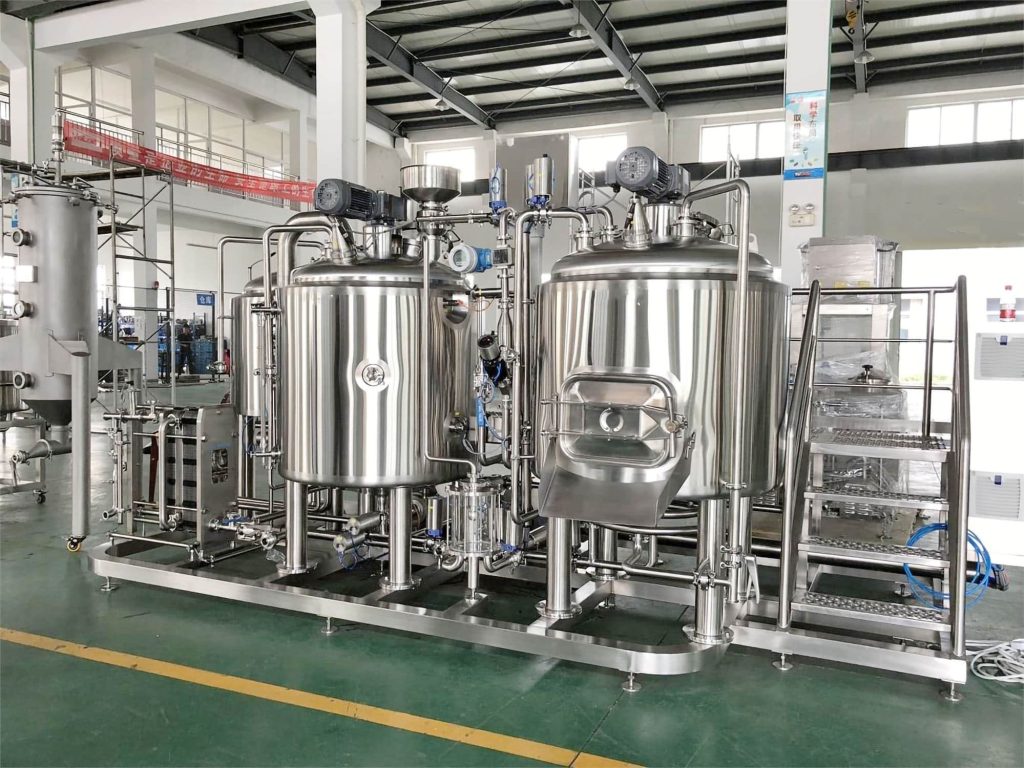
In countless industrial sectors, the integrity and consistency of product mixtures are paramount. From food and beverage to pharmaceuticals, chemicals, and cosmetics, achieving a homogeneous blend is often the foundation of product quality and process efficiency. This is where the stainless steel mixing tank with agitator plays an indispensable role. These tanks are not merely containers; they are sophisticated pieces of engineering designed to facilitate precise mixing, blending, and reaction processes under controlled conditions.
A high-quality stainless steel mixing tank with agitator is a workhorse in any production line, ensuring ingredients are uniformly distributed, reactions proceed as intended, and final products meet strict specifications. The choice of stainless steel is crucial due to its exceptional properties, including corrosion resistance, high tensile strength, ease of cleaning, and inertness, which prevents contamination of sensitive products. The agitator, the heart of the mixing process, comes in various forms, each tailored to specific rheological properties of the materials being processed and the desired mixing intensity.
At SKE, we understand that the demand for reliability and efficiency in mixing technology is ever-growing. Our commitment to delivering superior equipment means we focus on every detail, from material selection to agitator design, ensuring that each stainless steel mixing tank with agitator we produce not only meets but exceeds industry standards. This comprehensive guide will delve into the nuances of these essential industrial tools, exploring their benefits, applications, and critical design considerations to help you make informed decisions for your operational needs.
The operational environment often dictates the specific type of stainless steel required. For instance, in applications where severe corrosive agents are present, a higher grade like 316L might be preferred over 304, offering enhanced protection and extended tank lifespan. The precise engineering of a stainless steel mixing tank with agitator ensures that both the container and the mixing mechanism are optimized for harmonious, efficient operation, leading to consistent process outcomes and reduced operational costs.
Investing in the right mixing technology is critical for any business looking to optimize its production. A poorly designed or inadequately specified tank and agitator can lead to inconsistent batches, increased processing times, and potential product loss. This makes the careful selection and understanding of a stainless steel mixing tank with agitator not just a technicality, but a strategic business decision.
Why Stainless Steel? Advantages in Industrial Mixing
The material of construction is a foundational element that dictates the performance, longevity, and hygiene of any industrial processing equipment. For mixing tanks, stainless steel stands out as the material of choice, offering a host of advantages that are critical across diverse industries. Its unique properties make it an unparalleled option for manufacturing a robust and efficient stainless steel mixing tank with agitator.
- Corrosion Resistance: This is perhaps the most significant advantage. Stainless steel’s chromium content forms a passive layer that resists rust, corrosion, and oxidation, even when exposed to harsh chemicals, acids, or volatile substances. This ensures the structural integrity of the tank over prolonged periods and prevents contamination of the product from metallic leaching. Different grades, such as 304 and 316L, offer varying levels of resistance, allowing for tailored solutions based on the aggressiveness of the media.
- Hygiene and Sterilization: The non-porous surface of stainless steel makes it incredibly easy to clean and sanitize. It doesn’t harbor bacteria, absorb odors, or react with food products, making it ideal for industries with strict hygiene requirements like food & beverage, pharmaceuticals, and biotechnology. This ease of cleaning translates into reduced downtime and adherence to stringent regulatory standards. SKE’s aseptic storage tank solutions, for instance, demonstrate our commitment to high-level sanitation.
- Durability and Longevity: Stainless steel is an extremely durable material, capable of withstanding high pressures, temperatures, and mechanical stresses inherent in industrial mixing operations. A well-constructed stainless steel mixing tank with agitator can offer decades of reliable service, proving to be a cost-effective investment in the long run.
- Temperature Resistance: Stainless steel maintains its structural integrity and mechanical properties across a wide range of temperatures, from cryogenic to intensely hot. This makes it suitable for applications involving heating, cooling, or precise temperature control during the mixing process.
- Aesthetic Appeal: While often secondary to performance, the clean, polished look of stainless steel contributes to a professional and organized plant environment, aligning with the high standards of modern manufacturing facilities.
- Recyclability: In an era of increasing environmental consciousness, stainless steel is 100% recyclable, contributing to sustainable manufacturing practices.
When SKE designs and manufactures a stainless steel mixing tank with agitator, these inherent advantages are amplified through precision engineering and quality craftsmanship. We select the appropriate grade of stainless steel based on the specific application, ensuring optimal performance and compliance with industry regulations. The resulting tanks are not just functional but are built to provide reliable, efficient, and hygienic operations for years to come.
Understanding Agitator Types and Their Applications
The agitator is the dynamic core of any stainless steel mixing tank with agitator, responsible for transferring energy to the fluid to achieve the desired blending, dispersion, or reaction. The effectiveness of the mixing process hinges significantly on the correct selection and design of the agitator. There isn’t a one-size-fits-all solution; instead, agitators are chosen based on the fluid’s viscosity, density, shear requirements, and the specific mixing task.
Common Agitator Types and Their Ideal Applications:
- Propeller Agitators: These are high-speed impellers that create an axial flow pattern. Ideal for low-viscosity liquids, they are excellent for simple blending, dissolving, and maintaining solids in suspension. They generate high shear near the blades, making them efficient for rapid mixing.
- Turbine Agitators: Turbines come in various configurations (flat-blade, pitched-blade, curved-blade) and are versatile for a wide range of viscosities. They generate both radial and axial flow.
- Flat-blade turbines (Rushton turbines) impart high shear, best for gas dispersion and emulsification.
- Pitched-blade turbines create a strong axial flow, suitable for suspending solids and achieving uniform temperature distribution.
- Paddle Agitators: Designed for slower speeds and higher viscosity liquids, paddle agitators gently sweep the tank walls, preventing settling and improving heat transfer. They are effective for maintaining homogeneity in viscous batches and for processes where shear is undesirable, often found in a stainless steel mixing tank with agitator used for delicate products.
- Anchor Agitators: These agitators conform closely to the shape of the tank and are excellent for very high-viscosity fluids (e.g., creams, pastes) or products prone to fouling on the tank walls. They scrape the walls, promoting heat transfer and ensuring thorough mixing of the entire batch.
- Helical Ribbon Agitators: Specifically designed for extremely viscous materials, powders, or pastes, helical ribbons provide gentle yet thorough mixing by continuously lifting and turning the product, ensuring consistent consistency throughout the batch.
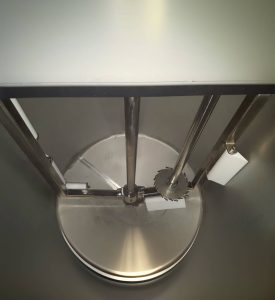
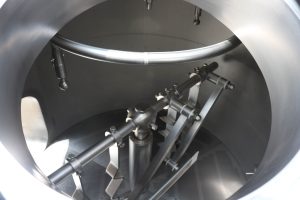
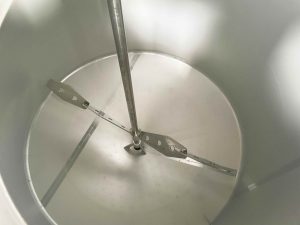
The choice of agitator directly impacts process efficiency and product quality. A pharmaceutical stainless steel mixing tank with agitator, for instance, might require a low-shear, hygienic agitator to prevent product degradation, while a chemical industry tank might need a high-shear turbine for effective dispersion of solids. Beyond the type, factors like agitator speed, blade geometry, and the presence of baffles within the tank are critical for optimizing mixing performance.
SKE leverages deep engineering knowledge to recommend and integrate the most appropriate agitator type for your specific needs. Our expertise extends to computational fluid dynamics (CFD) simulations to predict mixing patterns and optimize agitator design, ensuring that every stainless steel mixing tank with agitator delivers superior performance. This tailored approach guarantees efficiency, reduces energy consumption, and extends the lifespan of your equipment.
Key Design Considerations for an Optimal Mixing Tank
Designing a stainless steel mixing tank with agitator is a complex process that requires careful consideration of numerous factors to ensure optimal performance, safety, and longevity. It’s not just about selecting a tank and an agitator; it’s about creating a harmonious system tailored to specific industrial demands. Here are the crucial design considerations:
- Tank Geometry (Shape and Proportions):
- Cylindrical tanks with dished or conical bottoms are most common, facilitating complete drainage and efficient mixing. The height-to-diameter ratio significantly impacts mixing patterns.
- Jacketed tanks are essential for processes requiring temperature control, offering heating or cooling capabilities. SKE also specializes in various sanitary tank designs, crucial for maintaining product purity and temperature.
- Material Grade and Surface Finish:
- As discussed, stainless steel grades (e.g., 304, 316L) are chosen based on corrosion resistance needs.
- Surface finish (e.g., polished, electropolished) is critical for hygiene (preventing bacterial adhesion) and ease of cleaning, especially in sanitary applications.
- Agitator Placement and Shaft Design:
- The agitator’s position (centered, offset, angled) and immersion depth influence flow patterns.
- The shaft must be robust enough to withstand torque and eccentric loads from the agitator, while seals prevent leakage and contamination.
- Baffles: Internal baffles are often crucial for preventing the liquid from simply rotating as a solid mass (vortexing), which hinders effective mixing. Their number, width, and placement are carefully calculated to promote turbulent flow and enhance mixing efficiency in a stainless steel mixing tank with agitator.
- Inlet and Outlet Ports: Proper sizing and placement of inlets for raw materials and outlets for finished products are vital for efficient operation.
- Manways and Sight Glasses: These provide access for inspection, cleaning, and maintenance, as well as visual monitoring of the mixing process.
- Instrumentation and Controls: Integration of sensors for temperature, pressure, level, and pH, along with automated control systems, allows for precise process management and reproducibility.
- Safety Features: Pressure relief valves, emergency stops, and interlocks are indispensable for operator safety and process integrity.
- Cleaning-in-Place (CIP) / Sterilization-in-Place (SIP) Capabilities: For sanitary applications, the tank and agitator design must facilitate automated and thorough cleaning without disassembly, reducing manual labor and potential for human error. This is a hallmark of SKE’s fermentation tank offerings and other sanitary equipment.
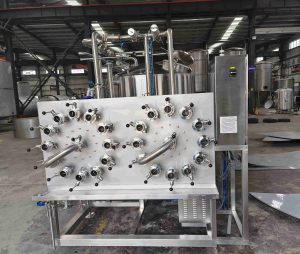
SKE’s engineering team meticulously addresses each of these design considerations. We collaborate closely with clients to understand their specific process requirements, material properties, and operational constraints. This ensures that every stainless steel mixing tank with agitator we manufacture is not only compliant with relevant industry standards but also optimized for peak performance and long-term reliability in its intended application. Our solutions are designed for seamless integration into existing production lines, minimizing disruption and maximizing productivity.
Diverse Applications of Stainless Steel Mixing Tanks with Agitators
The versatility and efficacy of a stainless steel mixing tank with agitator make it an indispensable asset across a vast array of industries. Its ability to handle different material properties and achieve various mixing objectives means it’s at the heart of countless production processes. Here’s a look at some of the key sectors where these tanks are predominantly utilized:
- Food & Beverage Industry: From blending fruit juices, dairy products, sauces, and edible oils to mixing batters and preparing brines, these tanks maintain hygiene and ensure consistent product quality. The demand for sanitary design is paramount here, preventing contamination and adhering to strict food safety regulations. SKE’s expertise in this sector is well-established, providing solutions that meet the highest standards.
- Pharmaceutical Industry: In pharmaceutical manufacturing, precise and sterile mixing is crucial for producing active pharmaceutical ingredients (APIs), syrups, suspensions, emulsions, and ointments. Stainless steel’s inertness and ease of sterilization are vital here, preventing product degradation and ensuring patient safety. A stainless steel mixing tank with agitator in this field often features mirror-polished surfaces and advanced CIP/SIP capabilities.
- Chemical Industry: This sector uses mixing tanks for a broad spectrum of applications, including blending chemicals, preparing solutions, facilitating reactions, and suspending solids in liquids. Tanks designed for chemical use often require specific stainless steel grades to withstand aggressive chemicals and high temperatures and pressures, ensuring durability and safety.
- Cosmetics and Personal Care: Producing lotions, creams, shampoos, soaps, and perfumes requires careful blending of various ingredients, often with different viscosities. A stainless steel mixing tank with agitator allows for the creation of stable emulsions and consistent product textures, which are critical for consumer acceptance.
- Biotechnology and Fermentation: In biotech, these tanks are used for cell culture, fermentation processes, and enzyme reactions. Maintaining sterile conditions, precise temperature, and gas exchange are critical, for which specialized agitators and tank designs are employed.
- Water Treatment: Mixing tanks are used for chemical dosing, flocculation, and coagulation processes in municipal and industrial water treatment plants, ensuring effective removal of impurities and safe water supply.
Each application presents unique challenges, requiring customized solutions regarding agitator type, tank design (e.g., jacketed for temperature control, pressurized for reactions), and automation levels. SKE prides itself on its ability to engineer bespoke a stainless steel mixing tank with agitator solutions that perfectly match these diverse industrial requirements, delivering efficiency, reliability, and compliance across the board. Our comprehensive range ensures that whether you need simple blending or complex reaction vessel, we have the precise equipment to elevate your process.
Maintenance and Longevity of Your Mixing System
Ensuring the longevity and efficient operation of your stainless steel mixing tank with agitator is not just about initial quality; it’s heavily dependent on a rigorous and well-planned maintenance regimen. Proper maintenance minimizes downtime, prevents costly repairs, and ensures consistent product quality, all while extending the operational life of your valuable asset. Here’s a detailed look at key maintenance considerations:
Routine Cleaning and Sanitation:
- Regular CIP/SIP Protocols: For tanks used in sanitary applications, adhering strictly to Cleaning-in-Place (CIP) and Sterilization-in-Place (SIP) protocols is paramount. This involves using appropriate cleaning agents, precise temperatures, and sufficient contact times to eliminate residues and microbial contaminants. Ensure all internal surfaces, including agitator blades and baffles, are thoroughly cleaned.
- Manual Inspection: Even with automated cleaning, periodic manual inspection of the tank interior, agitator blades, shaft, and seals is crucial to identify any areas with persistent residue, pitting, or corrosion that might indicate a problem.
Mechanical Component Checks:
- Agitator Bearings and Seals: These are high-wear components. Regularly check for signs of wear, leaks, or unusual noise. Lubricate bearings according to manufacturer specifications. Worn seals can lead to leaks and contamination, so timely replacement is vital.
- Motor and Gearbox: Monitor the motor for overheating, unusual vibrations, or changes in performance. Check gearbox oil levels and change as per schedule. Ensure all electrical connections are secure and free from corrosion.
- Shaft Alignment: Misalignment can lead to excessive wear on bearings and seals, and cause vibrations. Periodically verify shaft alignment to ensure smooth operation.
Tank Integrity:
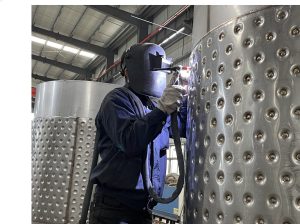
- Visual Inspection for Damage: Regularly inspect the stainless steel surfaces for dents, scratches, cracks, or signs of pitting corrosion, especially in welds or areas exposed to harsh chemicals. Even minor damage can compromise the tank’s integrity and hygiene.
- Jacket Inspection (if applicable): For jacketed tanks, inspect the jacket for leaks or signs of scaling that could impair heat transfer efficiency.
- Pressure Relief Devices: Routinely check and calibrate pressure relief valves and burst discs to ensure they function correctly, safeguarding against over-pressurization.
Documentation and Training:
- Maintain Records: Keep detailed records of all maintenance activities, inspections, and component replacements. This helps track wear patterns, predict future maintenance needs, and provides a history for troubleshooting.
- Operator Training: Ensure all personnel operating and maintaining the stainless steel mixing tank with agitator are thoroughly trained on correct operating procedures, cleaning protocols, and basic troubleshooting.
SKE designs its stainless steel mixing tank with agitator systems for ease of maintenance and long-term reliability. We provide comprehensive operational and maintenance manuals and offer technical support to help our clients achieve maximum uptime and lifespan from their equipment. By investing in regular preventative maintenance, you not only preserve the functionality of your mixing tank but also protect your product quality and operational budget.
Choosing SKE for Your Stainless Steel Mixing Tank Needs
When it comes to sourcing a critical piece of equipment like a stainless steel mixing tank with agitator, partnering with a manufacturer that combines technical expertise, quality craftsmanship, and a deep understanding of industry-specific needs is paramount. This is precisely what SKE offers.
At SKE, our philosophy centers on engineering excellence and client-centric solutions. We understand that a mixing tank is more than just a vessel; it’s an integral part of your production process, directly impacting efficiency, product quality, and profitability. Here’s why SKE stands out:
- Customization and Precision Engineering: We don’t believe in one-size-fits-all. Our expert engineers work closely with you to understand your specific requirements, from fluid rheology and mixing intensity to temperature control and compliance standards. This allows us to design and fabricate a stainless steel mixing tank with agitator that is perfectly optimized for your application, ensuring maximum efficiency and desired outcomes.
- Uncompromising Quality Materials: We exclusively use high-grade stainless steel (304, 316L, or others as required) sourced from reputable suppliers. Our commitment to quality materials ensures superior corrosion resistance, hygiene, and exceptional durability, contributing to a longer lifespan for your investment.
- Advanced Agitator Technology: With a broad range of agitator types and deep knowledge of fluid dynamics, SKE can equip your tank with the ideal mixing solution, whether it’s for high-shear emulsification, gentle blending of delicate products, or effective suspension of solids. We consider every variable to ensure optimal mixing performance.
- Adherence to Industry Standards: Our manufacturing processes strictly adhere to international quality and safety standards. For sanitary applications, we integrate features that facilitate easy CIP/SIP, excellent surface finishes, and designs that prevent dead zones, crucial for industries like food, beverage, and pharmaceuticals.
- Comprehensive Support: From initial consultation and design to fabrication, installation, and after-sales support, SKE provides a seamless experience. Our team is dedicated to offering technical assistance and ensuring your equipment operates at peak performance throughout its lifecycle.
- Proven Track Record: SKE has a strong reputation for delivering reliable and high-performance processing equipment. Our clients trust us for our transparent processes, timely delivery, and unwavering commitment to client satisfaction.
Choosing SKE means choosing a robust, hygienically designed, and highly efficient stainless steel mixing tank with agitator that will significantly enhance your production capabilities. We are more than just a supplier; we are your partner in achieving operational excellence. Contact us today to discuss your project and discover how SKE can provide the perfect mixing solution for your industrial needs.
Frequently Asked Questions about Stainless Steel Mixing Tanks with Agitators
What are the primary advantages of using a stainless steel mixing tank with agitator over other materials?
Stainless steel offers superior corrosion resistance, crucial for handling various chemicals and food products without degradation. It’s also exceptionally hygienic, easy to clean and sanitize, and highly durable, ensuring a long operational lifespan and preventing product contamination. These qualities make a stainless steel mixing tank with agitator ideal for sensitive industries.
How do I choose the right agitator type for my product?
The appropriate agitator type depends on the liquid’s viscosity, density, shear requirements, and the desired mixing outcome (e.g., blending, solids suspension, emulsification). For low-viscosity liquids, propellers are often used, while high-viscosity products may require anchors or helical ribbons. Turbines offer versatility for various applications. SKE’s engineers can help you select the ideal agitator for your specific stainless steel mixing tank with agitator application.
What is the importance of surface finish in a stainless steel mixing tank?
The surface finish significantly impacts hygiene and product quality, especially in pharmaceutical and food applications. A highly polished or electropolished surface is non-porous, reducing the adhesion of bacteria and product residues, making the tank easier to clean and sterilize. This is vital for preventing contamination when using a stainless steel mixing tank with agitator.
Can SKE customize a stainless steel mixing tank with agitator for specific process needs?
Absolutely. SKE specializes in custom-engineered solutions. We work closely with clients to understand their unique process requirements, including tank volume, operating temperatures, pressure, agitator design, and integration with existing systems. Our tailored approach ensures that your stainless steel mixing tank with agitator is perfectly suited for your operational goals.
Need a Custom Mixing Solution?
Optimize your industrial processes with SKE’s high-quality stainless steel mixing tanks with agitators. Our team of experts is ready to help you design the perfect solution tailored to your specific needs.
Connect with us on social media: Facebook
Email us directly: info@skeequipment.com
Ready to discuss your project? Fill out the contact form at the bottom of the page, and one of our specialists will get back to you promptly!