Table of Contents:
What Are Stainless Steel Mixing Vessels?
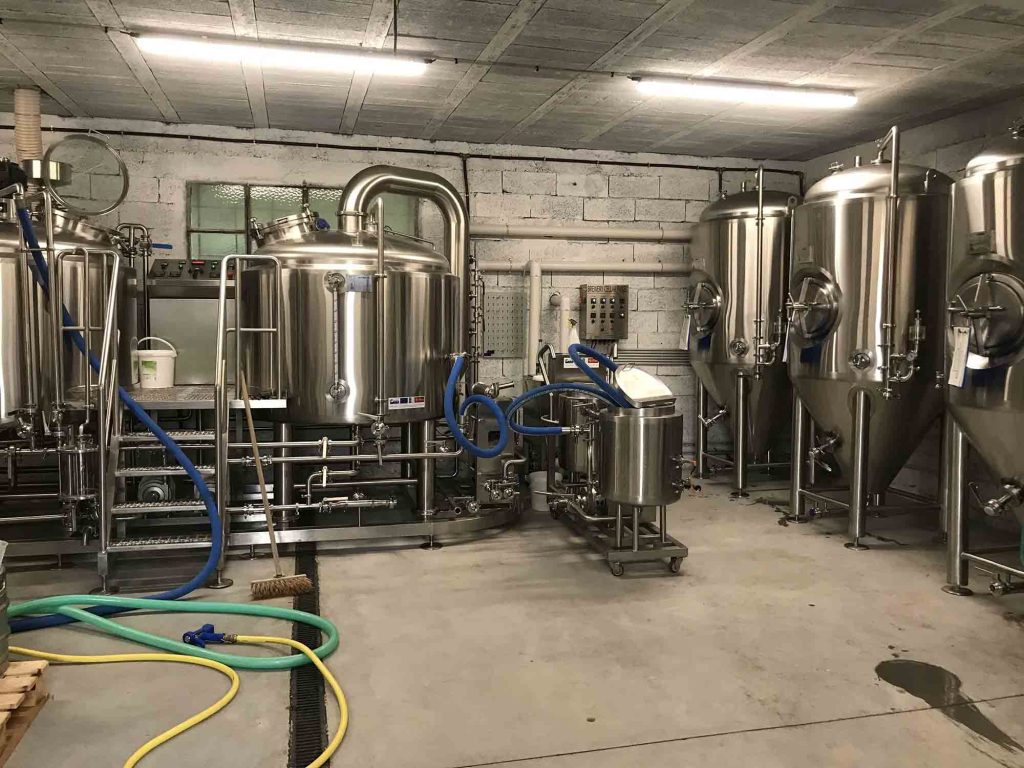
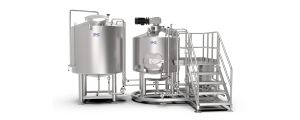
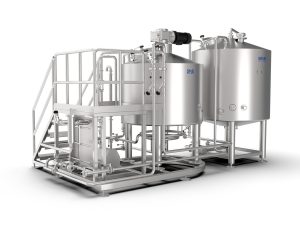
At the heart of countless industrial processes lies the stainless steel mixing vessel. These robust containers are engineered to facilitate the thorough blending, suspension, dispersion, and dissolution of various substances, ranging from liquids and powders to slurries and pastes. More than just a simple tank, a stainless steel mixing vessel is a sophisticated piece of equipment, often featuring agitators, baffles, heating/cooling jackets, and complex control systems designed to achieve precise mixing results. Their design directly influences product quality, processing efficiency, and, crucially, operational hygiene.
The core function of a mixing vessel is to ensure homogeneity and consistent product characteristics. In industries like food and beverage, pharmaceuticals, cosmetics, and chemicals, the integrity of the final product hinges on effective mixing. For instance, in a pharmaceutical setting, achieving uniform distribution of active ingredients is non-negotiable for patient safety and efficacy. Similarly, in the food industry, consistent flavor profiles and textures rely heavily on well-executed mixing within a high-quality stainless steel mixing vessel.
The construction material, stainless steel, is paramount. Unlike other materials, stainless steel offers a unique combination of corrosion resistance, strength, and ease of cleaning, making it ideal for environments where hygiene and product purity are critical. The smooth, non-porous surface of a stainless steel mixing vessel prevents bacterial growth and cross-contamination, which are common concerns in sensitive applications. Different grades of stainless steel, such as 304 and 316L, are chosen based on the specific corrosive nature of the materials being processed and the stringent regulatory requirements of the industry.
Why Stainless Steel? The Material of Choice for Mixing Vessels
One of the primary benefits of stainless steel is its exceptional corrosion resistance. This is particularly crucial when dealing with aggressive chemicals, acidic or alkaline solutions, or even just water, which can cause rust and degradation in other metals. The passive chromium oxide layer that naturally forms on the surface of stainless steel acts as a protective barrier, preventing oxidation and ensuring the purity of the product being mixed. This resistance extends to various cleaning agents and sanitizers, making it easier to maintain a sterile environment within the vessel.
Hygiene is another non-negotiable factor, especially in food, beverage, and pharmaceutical industries. Stainless steel’s smooth, non-porous surface makes it incredibly easy to clean and sanitize, significantly reducing the risk of microbial contamination and allowing for efficient Cleaning-in-Place (CIP) systems. This non-reactive property also means that the stainless steel mixing vessel will not impart any metallic taste, odor, or color to the product, preserving its intended characteristics. This is a critical consideration for maintaining brand integrity and consumer safety.
Beyond hygiene and corrosion resistance, stainless steel boasts impressive mechanical strength and durability. It can withstand high pressures, temperatures, and the stresses of continuous operation without deforming or breaking down. This inherent strength contributes to a longer lifespan for the equipment, reducing the frequency of replacements and minimizing downtime, which translates directly into cost savings for businesses. SKE leverages these properties to build equipment that stands the test of time, ensuring our stainless steel mixing vessels deliver consistent performance for years.
Furthermore, stainless steel is a highly sustainable material. It is 100% recyclable, and its long service life minimizes waste. This aligns with global efforts towards more environmentally responsible manufacturing. The initial investment in a stainless steel mixing vessel often pays for itself many times over through reduced maintenance, extended operational life, and superior product quality. The versatility of stainless steel also allows for intricate designs and precise fabrication, enabling manufacturers like SKE to create custom mixing solutions tailored to specific process requirements, ensuring optimal performance and efficiency.
Design Considerations for Optimal Performance of a Stainless Steel Mixing Vessel
The effectiveness of a stainless steel mixing vessel goes far beyond its material composition; it’s deeply rooted in its design. Achieving optimal mixing performance requires a thoughtful approach to various design elements, each playing a crucial role in the overall process efficiency, product quality, and operational reliability. A well-designed stainless steel mixing vessel minimizes energy consumption, reduces processing times, and ensures consistent results batch after batch.
Key design considerations typically include:
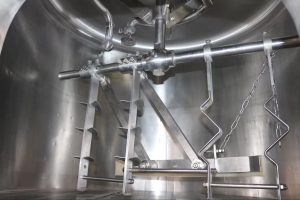
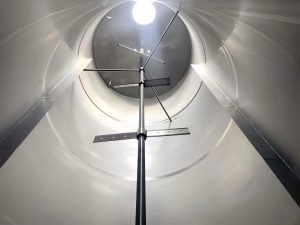
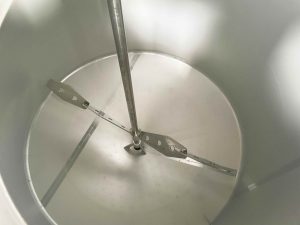
- Agitator Type and Configuration: The agitator is the heart of any mixing vessel. Various types exist, such as propellers for low-viscosity liquids, turbines for high shear and dispersion, anchors for high-viscosity products requiring wall scraping, and paddles for gentle mixing. The agitator’s speed, blade geometry, and placement within the stainless steel mixing vessel are critical for achieving the desired flow patterns and homogenization. For example, some applications benefit from multiple agitators or specialized designs for powders or gas dispersion.
- Vessel Geometry: The shape of the vessel itself, including bottom profiles (dished, conical, flat) and aspect ratios (height to diameter), significantly impacts mixing efficiency and drainage. Conical bottoms, for instance, are excellent for complete product discharge, which is vital for sanitary applications and minimizing waste. The internal finish and polishing are also crucial for hygiene and ease of cleaning, especially for pharmaceutical and food-grade stainless steel mixing vessels.
- Baffles: These internal plates prevent swirling and promote radial flow, improving mixing efficiency by directing the fluid’s movement. The number, width, and placement of baffles need to be carefully calculated to prevent dead spots and ensure uniform mixing without introducing excessive shear unless specifically desired for the process.
- Heating and Cooling Jackets: Many mixing processes require precise temperature control. Jackets (full, dimple, or half-pipe) allow for efficient heat transfer to either heat or cool the product during mixing. The design of these jackets impacts energy consumption and the speed of temperature change. For example, a jacketed mixing tank is invaluable for processes requiring heating or cooling.
- Inlet and Outlet Ports: The size, number, and location of these ports are crucial for efficient material loading, unloading, and sampling. Ensuring proper design prevents product hang-ups and facilitates thorough cleaning.
- Seals and Gaskets: For hygienic and pressurized applications, the selection of appropriate seals (e.g., mechanical seals) and food-grade gaskets is paramount to prevent leaks and contamination.
- Instrumentation and Controls: Modern stainless steel mixing vessels are often equipped with sensors for temperature, pressure, level, and pH, integrated with sophisticated control systems to automate and optimize the mixing process, ensuring repeatability and data logging.
SKE’s engineering team meticulously considers all these factors when designing and manufacturing our stainless steel mixing vessels. We collaborate closely with clients to understand their specific process requirements, viscosity ranges, shear needs, and heating/cooling demands to deliver bespoke solutions that not only meet but exceed expectations for optimal performance and operational longevity. Investing in a well-designed mixing vessel from a reputable manufacturer like SKE ensures efficiency, compliance, and ultimately, a superior end product.
Maintenance and Longevity of Your Stainless Steel Mixing Vessel Investment
Investing in a high-quality stainless steel mixing vessel is a significant decision for any industrial operation. To truly maxiimize the return on this investment and ensure years of reliable, high-performance service, proper maintenance is not just recommended, but essential. A well-maintained stainless steel mixing vessel will not only last longer but will also operate more efficiently, reduce downtime, and consistently deliver products of the highest quality. Neglecting maintenance can lead to costly repairs, product contamination, and ultimately, a shortened lifespan for the equipment.
Here are key aspects of maintaining your stainless steel mixing vessel:
- Regular Cleaning and Sanitization: This is perhaps the most critical aspect, especially for hygienic applications. Adhering to strict CIP (Cleaning-in-Place) or manual cleaning protocols prevents product buildup, eliminates bacterial growth, and maintains the integrity of the stainless steel surface. Using appropriate cleaning agents that are effective but not corrosive to stainless steel is vital. Rinse thoroughly after cleaning to remove all chemical residues.
- Inspection of Seals and Gaskets: Seals, O-rings, and gaskets are wear-and-tear components. Regular inspection for cracks, hardening, or signs of degradation is crucial to prevent leaks and maintain a hygienic barrier. Replace these components proactively based on wear or manufacturer recommendations to avoid unplanned downtime.
- Lubrication of Moving Parts: For vessels with agitators, proper lubrication of bearings, gearboxes, and motor components is essential. Follow the manufacturer’s guidelines regarding lubricant type and frequency to ensure smooth operation, reduce friction, and prevent premature wear of mechanical parts.
- Agitator and Impeller Inspection: Periodically check agitator blades and impellers for wear, corrosion, or damage. Deformed or damaged blades can reduce mixing efficiency and put undue stress on the motor and shaft. Ensure they are securely fastened.
- Temperature Control System Checks: If your stainless steel mixing vessel features heating or cooling jackets, regularly inspect the jacket for leaks, pressure integrity, and the condition of insulation. Calibrate temperature sensors to ensure accurate readings and process control.
- Instrumentation Calibration: All sensors (pressure, level, temperature, pH) should be regularly calibrated according to manufacturer specifications to ensure accurate process monitoring and control.
- Addressing Minor Issues Promptly: Small issues, if ignored, can quickly escalate into major problems. Addressing minor leaks, unusual noises, or slight performance drops immediately can prevent costly repairs and extended downtime.
- Documentation: Maintain detailed records of all maintenance activities, inspections, and part replacements. This helps in tracking equipment health, scheduling preventive maintenance, and complying with regulatory requirements.
By implementing a robust preventive maintenance schedule, businesses can significantly extend the operational life of their stainless steel mixing vessel, ensure consistent product quality, and realize a greater return on their initial investment. SKE not only provides high-quality stainless steel process equipment but also offers guidance and support to help clients establish effective maintenance programs, ensuring their SKE equipment continues to perform optimally for decades.
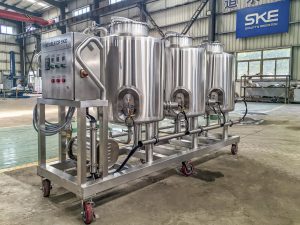
Choosing the Right Stainless Steel Mixing Vessel for Your Operations
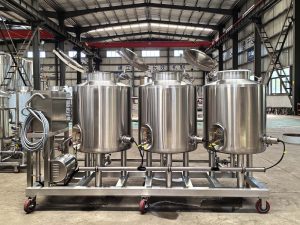
The decision to invest in a stainless steel mixing vessel is a strategic one that can significantly impact your operational efficiency, product quality, and long-term profitability. With a myriad of options available, selecting the right vessel requires careful consideration of your specific process needs, industry standards, and future growth projections. Making an informed choice ensures that the vessel seamlessly integrates into your workflow and delivers the desired performance.
Here are critical factors to consider when choosing a stainless steel mixing vessel:
- Process Requirements:
- Viscosity: The viscosity of the product will dictate the type of agitator needed (low viscosity liquids require propellers, high viscosity liquids might need anchor or helical ribbon agitators).
- Shear Requirements: Does your process need high shear for emulsification or dispersion, or gentle mixing for sensitive products? This impacts agitator design and speed.
- Temperature Control: Do you need heating, cooling, or both? This determines if a jacketed vessel (dimple, half-pipe, full) is necessary and its design.
- Batch Size/Volume: The required volume of the vessel is a primary consideration, influencing its overall dimensions and power requirements.
- Operating Pressure: Will the vessel operate under vacuum or pressure? This affects wall thickness, lid design, and safety features.
- Material Grade:
- SS304 vs. SS316L: While SS304 is suitable for many applications, SS316L offers superior corrosion resistance, especially against chlorides, making it ideal for pharmaceutical, marine, and some chemical applications where aggressive media are present.
- Surface Finish: The internal surface finish (e.g., polished to a mirror finish for sanitary applications like pharmaceuticals) is crucial for hygiene and ease of cleaning, directly impacting CIP effectiveness.
- Industry-Specific Regulations and Standards:
- Compliance: For industries like pharmaceutical (FDA, cGMP), food (USDA, 3-A Sanitary Standards), and others, ensure the vessel meets all relevant regulatory requirements for design, materials, and documentation.
- Certifications: Look for certifications like ASME BPE for bioprocessing equipment or specific CE marking for European markets.
- Agitator Drive and Sealing:
- Motor Type: Consider explosion-proof motors for hazardous environments.
- Sealing: Mechanical seals are preferred for sanitary and pressure applications to prevent leakage and contamination.
- Ancillary Equipment and Integration:
- CIP/SIP Compatibility: Can the vessel be easily integrated into an automated cleaning and sterilization system?
- Instrumentation: What sensors and control systems are needed for monitoring and automation?
- Ports and Connections: Ensure sufficient and correctly sized ports for inlets, outlets, sensors, and utility connections.
- Manufacturer Reputation and Support:
- Choose a reputable manufacturer like SKE that has a proven track record in designing and manufacturing high-quality stainless steel mixing vessels.
- Consider aspects like warranty, technical support, spare parts availability, and after-sales service.
At SKE, we pride ourselves on being more than just manufacturers; we are solution providers. Our team of experts works collaboratively with you to analyze your unique requirements, offering tailored advice and designing stainless steel tank series, including bespoke stainless steel mixing vessels, that are perfectly matched to your operational needs. We combine robust engineering with a deep understanding of industry best practices to deliver equipment that not only performs reliably but also contributes to your long-term success. Choosing SKE means choosing quality, efficiency, and a partner committed to your process optimization.
Frequently Asked Questions about Stainless Steel Mixing Vessels
What are the primary advantages of using a stainless steel mixing vessel over other materials?
The main advantages of a stainless steel mixing vessel include superior corrosion resistance, exceptional hygiene due to its smooth and non-porous surface, high mechanical strength and durability leading to a long lifespan, and chemical inertness which prevents product contamination. These properties make stainless steel ideal for sensitive applications in food, pharmaceutical, and chemical industries where product purity and safety are paramount.
How do I choose the correct grade of stainless steel (e.g., 304 vs. 316L) for my mixing vessel?
The choice between stainless steel 304 and 316L primarily depends on the corrosiveness of the materials being processed and regulatory requirements. SS304 is a general-purpose grade suitable for many applications. SS316L, however, contains molybdenum, which provides enhanced resistance to pitting and crevice corrosion, especially in chloride-rich environments or when processing aggressive chemicals. It’s often preferred for pharmaceutical, marine, and specific chemical mixing applications where higher corrosion resistance is crucial. Always consult with a materials expert or your equipment supplier like SKE to determine the optimal grade for your specific process.
What are “”jacketed”” stainless steel mixing vessels, and when are they necessary?
Jacketed stainless steel mixing vessels feature an outer shell that creates a space (the “”jacket””) around the main vessel. This jacket allows for the circulation of a heating or cooling medium (e.g., steam, hot water, chilled water, glycol), enabling precise temperature control of the product inside. They are necessary in processes where temperature plays a critical role, such as heating ingredients for dissolution, cooling exothermic reactions, maintaining specific temperatures for fermentation, or controlling viscosity. Industries like food, pharmaceutical, cosmetic, and chemical often utilize jacketed mixing vessels to optimize their processes and ensure product quality.
How often should a stainless steel mixing vessel be cleaned and maintained?
The frequency of cleaning and maintenance for a stainless steel mixing vessel depends heavily on the application, the nature of the product, and regulatory standards. For hygienic industries (food, pharma, biotech), vessels are typically cleaned and sanitized after every batch or production run to prevent contamination. General maintenance, such as inspecting seals, agitator components, and instrumentation, should be performed on a regular schedule (e.g., daily, weekly, monthly, or quarterly) as part of a preventive maintenance program, following the manufacturer’s guidelines and incorporating insights from operational experience with your SKE equipment.
Ready to Optimize Your Mixing Processes?
Discover how SKE’s expertly engineered stainless steel mixing vessels can elevate your production efficiency, hygiene, and product quality. Connect with our specialists today to find the perfect solution for your unique needs.
Find us on Facebook
Email Us: info@skeequipment.com
Alternatively, fill out the contact form at the bottom of the page, and one of our representatives will get in touch with you shortly!