Why Still Distilling Equipment? Benefits of Professional Distillation Systems
The choice of distillation equipment is a critical factor when selecting industrial processing gear for spirit production, and still distilling equipment stands out as the gold standard for businesses prioritizing quality, consistency, and efficiency. Unlike generic mixing or processing equipment, still distilling equipment is engineered specifically for the precise separation of alcohol from fermented mixtures— a process that demands accuracy, hygiene, and durability to meet industry standards and consumer expectations.
Superior separation precision is the most defining advantage of professional still distilling equipment. Designed to leverage the boiling point differences between ethanol (78.5℃) and water (100℃), high-quality still distilling equipment ensures thorough vaporization, condensation, and purification, resulting in distillates of consistent purity and flavor. This precision eliminates the inconsistencies of manual or low-grade distillation methods, preventing off-flavors and ensuring every batch meets your brand’s standards.
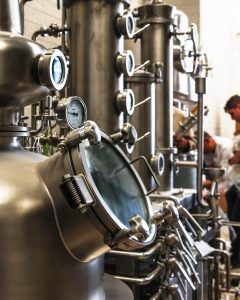
Hygienic performance is another non-negotiable benefit of premium still distilling equipment. Most systems, including those from SKE, feature stainless steel or copper construction— materials chosen for their non-porous, easy-to-clean surfaces that prevent bacterial growth and product contamination.
Durability and longevity are also hallmarks of professional still distilling equipment. Built to withstand the high temperatures, pressure fluctuations, and mechanical stresses of continuous industrial operation, these systems resist corrosion, wear, and structural fatigue.
In summary, investing in professional still distilling equipment is a decision rooted in quality, efficiency, and scalability. It ensures consistent, pure distillates, simplifies compliance with hygiene standards, and provides the flexibility to adapt to changing market demands— all core priorities that SKE embodies in every piece of equipment we manufacture.
Diverse Applications of Still Distilling Equipment
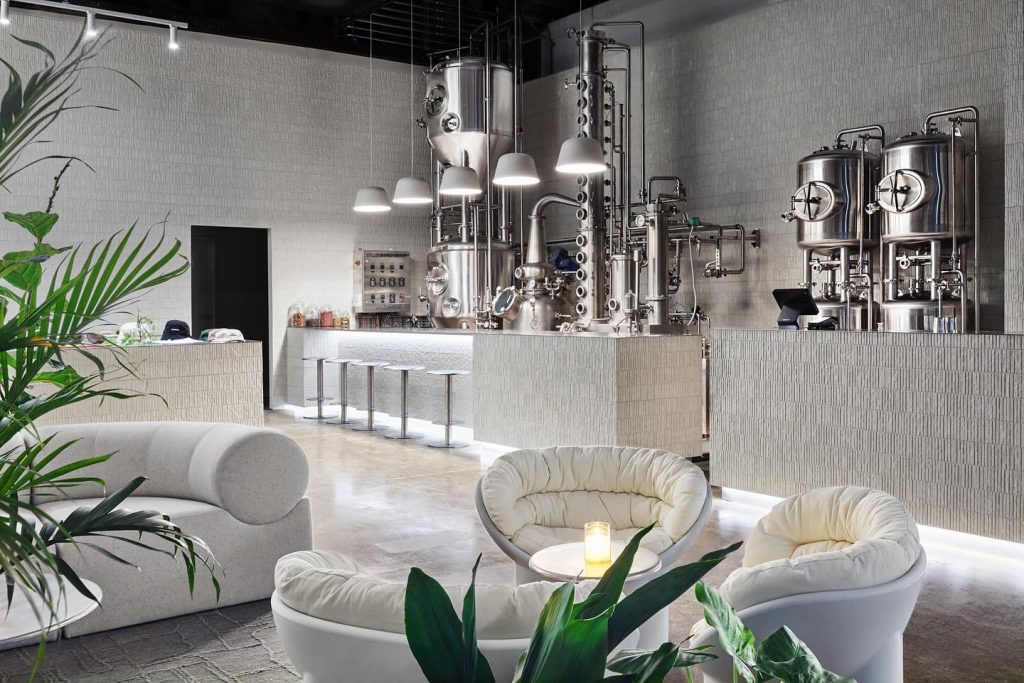
The craft spirits industry is the most well-known user of still distilling equipment. From small-batch whiskey, rum, and brandy to artisanal vodka and gin, still distilling equipment is the backbone of production. Pot stills, for example, are ideal for craft distillers seeking to retain complex flavor compounds, while column stills deliver the high purity required for clear spirits like vodka. SKE’s still distilling equipment for craft operations is designed to integrate with existing brewery setups, allowing brewers to expand into spirits with minimal infrastructure changes— a key advantage for small businesses looking to diversify.
The food and beverage industry also relies heavily on still distilling equipment for various applications beyond spirits. It is used to produce food-grade ethanol for flavor extraction, preservatives, and food additives, as well as to distill essential oils and extracts used in beverages, sauces, and confections. The hygienic design of still distilling equipment ensures that these products meet strict food safety standards, preventing contamination and preserving product integrity.
Industrial applications round out the diverse uses of still distilling equipment. Large-scale reflux stills are used to produce industrial ethanol for fuels, solvents, and chemical manufacturing, as well as to purify other liquids in industrial processes. These systems are designed for continuous operation, high efficiency, and energy savings— critical for large-scale producers looking to minimize operational costs. SKE’s industrial-grade still distilling equipment features heat recovery systems and automated controls to optimize efficiency and reduce environmental impact.
Types of Still Distilling Equipment: SKE’s Offerings & Comparison
Not all still distilling equipment is created equal. The right type depends on your production scale, desired product, budget, and existing setup. Below is a detailed comparison of the most common types of still distilling equipment, including SKE’s custom-designed solutions:
| Equipment Type |
Core Design |
Ideal Product Type |
Production Scale |
SKE Key Advantages |
| Copper Pot Still |
Traditional round pot, copper construction, single distillation cycle |
Whiskey, rum, brandy, craft spirits (rich, complex flavors) |
Small (50L – 500L) |
Food-grade copper, sulfur removal, compatible with brewery mash tuns, easy cleaning |
| Stainless Steel Column Still |
Tall vertical column with bubble plates, multiple distillation stages |
Vodka, gin, high-proof spirits (pure, clear) |
Medium (500L – 5,000L) |
Corrosion-resistant, PID temperature control, modular design, energy-efficient |
| Hybrid Still (Pot + Column) |
Combines pot still flavor with column still purity, adjustable reflux |
Versatile (whiskey, vodka, gin) |
Small to Medium (100L – 3,000L) |
Interchangeable components, custom sizing, integrates with existing brewery equipment |
| Industrial Reflux Still |
Large-scale, automated reflux system, PLC control |
Industrial ethanol, bulk spirits, pharmaceutical applications |
Large (5,000L – 50,000L+) |
ASME/PED certified, heat recovery, 24/7 operation, SKE after-sales support |
Key Design Features and Considerations for Still Distilling Equipment
One of the primary design features is the heating system. The choice of heating method (steam, electric, or direct fire) impacts both distillation efficiency and product quality. Steam heating, for example, provides uniform temperature control, making it ideal for medium to large-scale operations and ensuring consistent flavor profiles. Electric heating is more energy-efficient for small batches and offers precise temperature adjustments, while direct fire is traditional for certain craft spirits but requires careful monitoring to prevent scorching. SKE’s still distilling equipment offers customizable heating options, tailored to your production scale and product needs.
The still type and column design are arguably the most critical components for effective distillation. As outlined in the table above, pot stills are ideal for flavor retention, while column stills prioritize purity. The column’s height, number of bubble plates or packing material, and reflux system directly impact the separation efficiency.
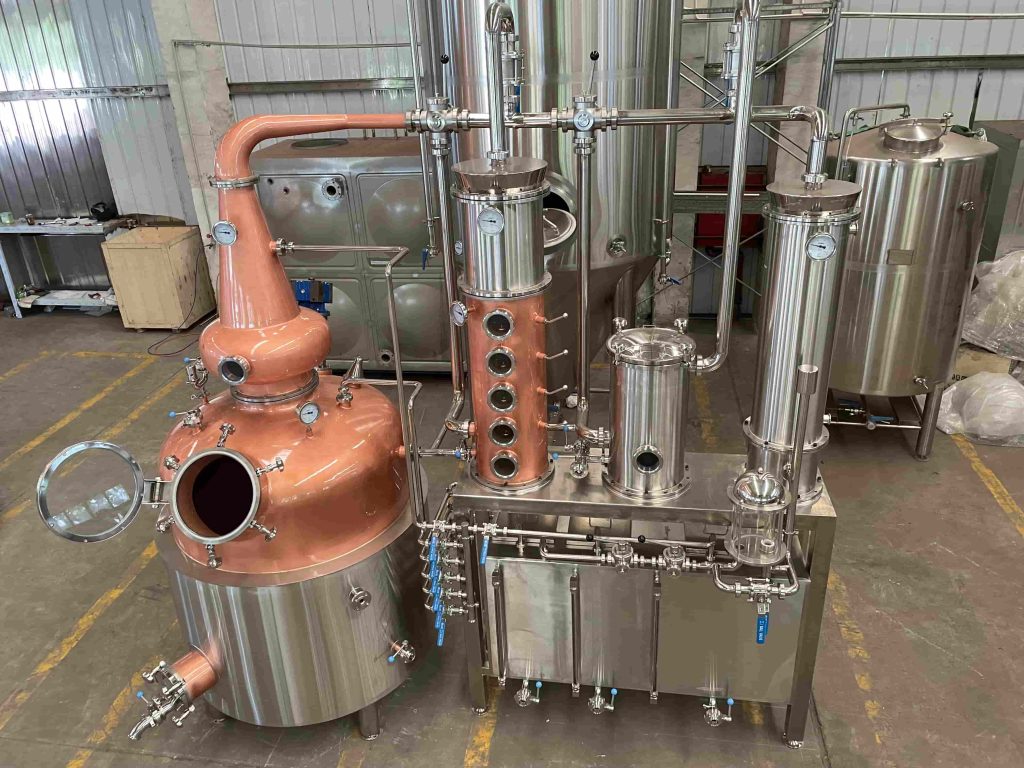
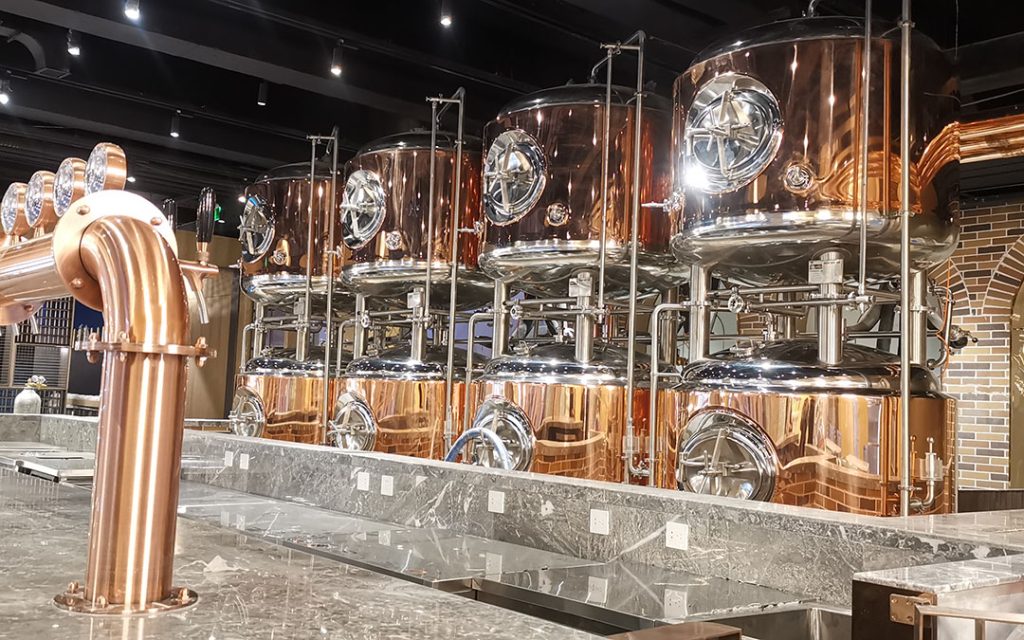
The choice between stainless steel and copper depends on your product goals and industry requirements. Copper is preferred for craft spirits because it removes undesirable sulfur compounds and adds subtle flavor enhancements, while stainless steel is more durable, corrosion-resistant, and easier to maintain— ideal for high-volume or high-purity applications.
SKE offers both options, including hybrid systems that combine copper linings (for flavor) with stainless steel exteriors (for durability). We also use food-grade 304 or 316L stainless steel to ensure compliance with hygiene standards, a practice honed through our beer equipment manufacturing experience.
Control systems are also key to optimizing still distilling equipment performance. Modern systems feature PID temperature controls, PLC touch screens, and automated reflux adjustments, allowing for precise monitoring and operation. These controls reduce manual intervention, minimize human error, and ensure consistency across batches. For industrial operations, remote monitoring capabilities are increasingly important, allowing operators to oversee distillation processes from anywhere.
Finally, safety features and regulatory compliance are non-negotiable. Still distilling equipment operates at high temperatures and pressures, so safety features like pressure relief valves, explosion-proof motors, temperature alarms, and safety locks are essential to protect operators and equipment. Compliance with industry standards (ASME, PED, CE, UL) is also critical for businesses selling products globally. SKE’s still distilling equipment is designed to meet or exceed these standards, ensuring safe operation and regulatory compliance.
Optimizing Performance and Maintenance of Your Still Distilling Equipment
Achieving peak performance and extending the lifespan of your still distilling equipment hinges on proper operation, proactive maintenance, and a deep understanding of your distillation processes. Operational best practices begin with proper system setup and calibration. Before each distillation run, ensure the still is properly cleaned and sanitized, and that all components (boiler, column, condenser, controls) are functioning correctly. Calibrate temperature and pressure sensors regularly to ensure accurate readings, as even minor discrepancies can impact distillate quality.
Proper loading of the fermented mixture (mash, wort, or wine) is also key. Overloading the boiler can lead to foaming, which can contaminate the distillate and damage equipment, while underloading wastes energy and reduces production efficiency.
Regular maintenance is paramount to extending the lifespan of your still distilling equipment. This includes routine inspection of all components: check the boiler for scale buildup (which reduces heating efficiency), inspect the column for damage to bubble plates or packing material, and examine the condenser for clogs or leaks.
Cleaning and sanitation are central to maintaining still distilling equipment, particularly in hygiene-sensitive industries like food, beverage, and pharmaceuticals. Develop a clear cleaning protocol— whether manual cleaning or a CIP (Clean-In-Place) system— to remove residue buildup, which can impact distillate quality and harbor bacteria. Use cleaning agents that are effective against the products being distilled but non-corrosive to stainless steel or copper. Thoroughly rinse all components after cleaning to remove any cleaning solution residue, which can contaminate future batches. SKE’s still distilling equipment features easy-to-clean designs (e.g., detachable components, smooth surfaces) to simplify this process.
SKE’s Commitment to Quality in Still Distilling Equipment
At SKE, our reputation is built on engineering excellence and equipment that exceeds industry standards. Our still distilling equipment combines cutting-edge design with robust manufacturing for unmatched performance, reliability, and longevity. With over 20 years as a leading beer equipment manufacturer, we know efficiency, hygiene, and durability are essential—not optional.
We design stills around the specific needs of brewers and distillers. Whether you’re a craft brewery expanding into spirits or a large producer optimizing ethanol output, we don’t offer generic solutions. Our engineers work directly with you to specify the ideal still type, heating system, material, and controls for maximum efficiency and seamless integration into your operations.
Quality is our cornerstone. We use high-grade food-grade copper and stainless steel, sourced from trusted suppliers. Our fabrication follows strict quality controls, including advanced welding and surface finishing for smooth, cleanable surfaces—critical for meeting sanitary regulations in food, beverage, and pharmaceutical applications.
Beyond the sale, SKE provides full support: technical assistance, spare parts, maintenance guidance, and on-site training. Choose SKE for still distilling equipment that delivers superior engineering, durable construction, and a deep understanding of your industry—helping you boost efficiency, product quality, and profitability.
Frequently Asked Questions about Still Distilling Equipment
Q1: What are the primary benefits of using professional still distilling equipment over low-grade or manual distillation methods?
A: The primary benefits include enhanced consistency in distillate purity and flavor, superior hygiene (preventing contamination), increased efficiency (reducing downtime and energy costs), and durability (ensuring a long service life and solid return on investment). Professional still distilling equipment also offers versatility, allowing you to produce a range of spirits or ethanol products, and integrates seamlessly with existing brewery setups— a key advantage for brewers looking to diversify.
Q2: Which industries most commonly utilize still distilling equipment?
A: Still distilling equipment is widely used in the craft spirits, food and beverage, pharmaceutical, biotechnology, and industrial sectors. It is ideal for producing craft spirits (whiskey, vodka, gin), food-grade ethanol, pharmaceutical-grade reagents, industrial solvents, and biofuels. Its hygienic design, corrosion resistance, and precision make it suitable for any industry requiring pure, consistent distillates.
Q3: How do I choose the correct type of still distilling equipment for my business?
A: Choosing the correct type depends on your production scale, desired product, budget, and existing setup. For small-batch craft spirits (e.g., whiskey, rum), a copper pot still is ideal for flavor retention. For high-purity spirits (e.g., vodka, gin), a stainless steel column still is best. Hybrid stills offer versatility for businesses producing multiple product types, while industrial reflux stills are suited for large-scale ethanol production. Consulting with experts like SKE can help you select the optimal system for your specific needs.
Q4: What maintenance is required for still distilling equipment?
A: Regular maintenance includes inspecting all components (boiler, column, condenser, controls) for wear, damage, or buildup; lubricating moving parts; checking seals and gaskets for integrity; and cleaning/sanitizing the system after each batch. Calibrating temperature and pressure sensors regularly is also important to ensure accuracy. For hygiene-sensitive applications, a strict cleaning protocol (CIP/SIP) is essential to prevent contamination. SKE provides detailed maintenance guides and ongoing support to help you keep your equipment in top condition.
Q5: Can SKE customize still distilling equipment to my specific requirements?
A: Yes! SKE offers extensive customization options for our still distilling equipment. We work closely with our clients to tailor the still type, heating system, material (stainless steel/copper), column design, control system, and size to meet the unique demands of their applications and existing brewery operations. Our engineering team ensures the system is perfectly calibrated for your product goals, whether it’s small-batch craft spirits or large-scale industrial ethanol.
Ready to Elevate Your Distillation Processes with Reliable Still Distilling Equipment?
As a leading beer equipment manufacturer, SKE understands the unique needs of brewers and distillers— and we’re here to help you expand your operations with high-quality, efficient still distilling equipment. Whether you’re a small craft brewery looking to diversify into spirits or a large industrial producer seeking to optimize ethanol production, our custom solutions, proven expertise, and comprehensive support make us the perfect partner.
Contact SKE today to discuss your still distilling equipment requirements, get a free quote, or schedule a consultation with our engineering team. We’re here to help you find the perfect solution to master efficiency and craft exceptional distillates.
Find us on Facebook | Email: info@skeequipment.com
Fill out the contact form at the bottom of the page for personalized assistance.