
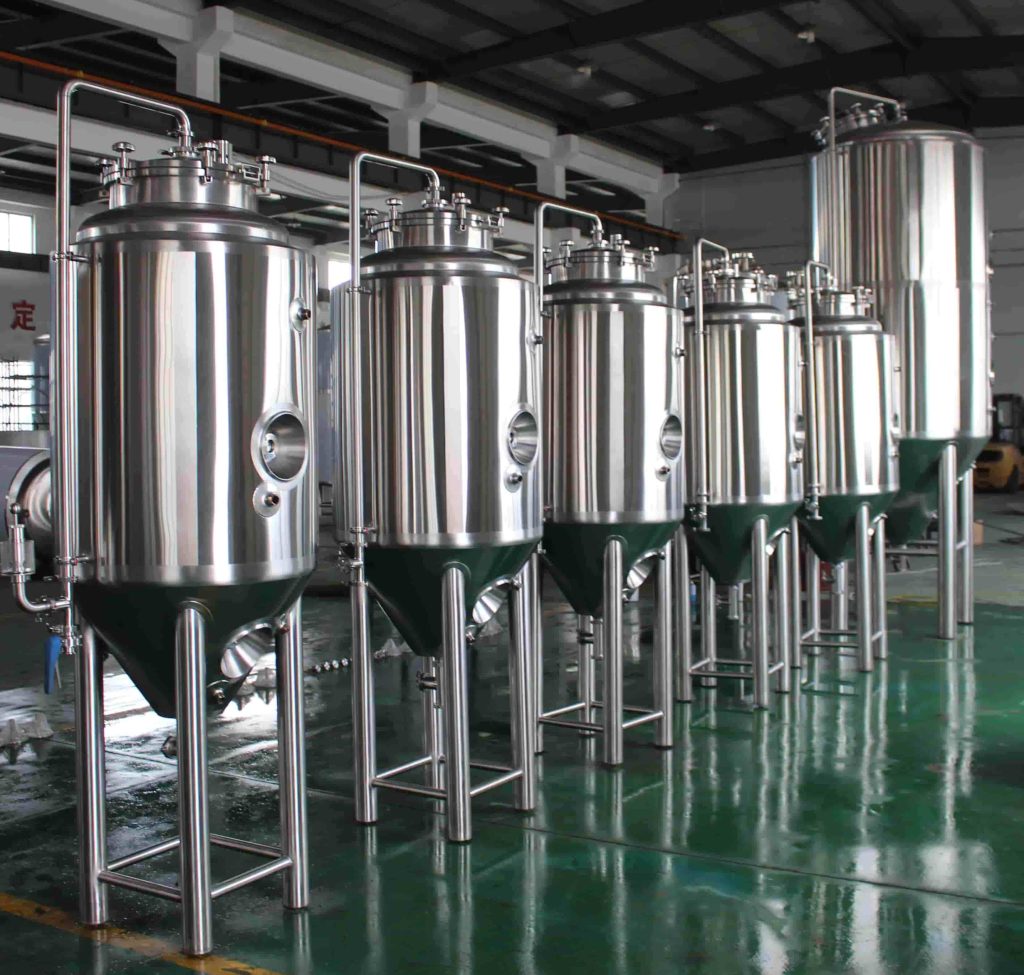
For brewers—whether running a small craft brewery, a large-scale commercial facility, or even a passionate homebrewing setup—the quality of fermentation equipment directly defines the taste, consistency, and scalability of their beer. Among all fermentation vessels, the stainless fermenter conical stands out as the gold standard, offering unparalleled functionality, durability, and control.
This comprehensive guide dives deep into the world of stainless fermenter conicals, exploring their design, benefits, types (including large conical fermenters and stainless steel unitanks), key features, maintenance, and how to choose the right one for your brewing needs. We’ll also address common FAQs to help you make informed decisions, with insights from SKE’s engineering expertise to ensure you get the most out of your fermentation equipment.
What Is a Stainless Fermenter Conical?
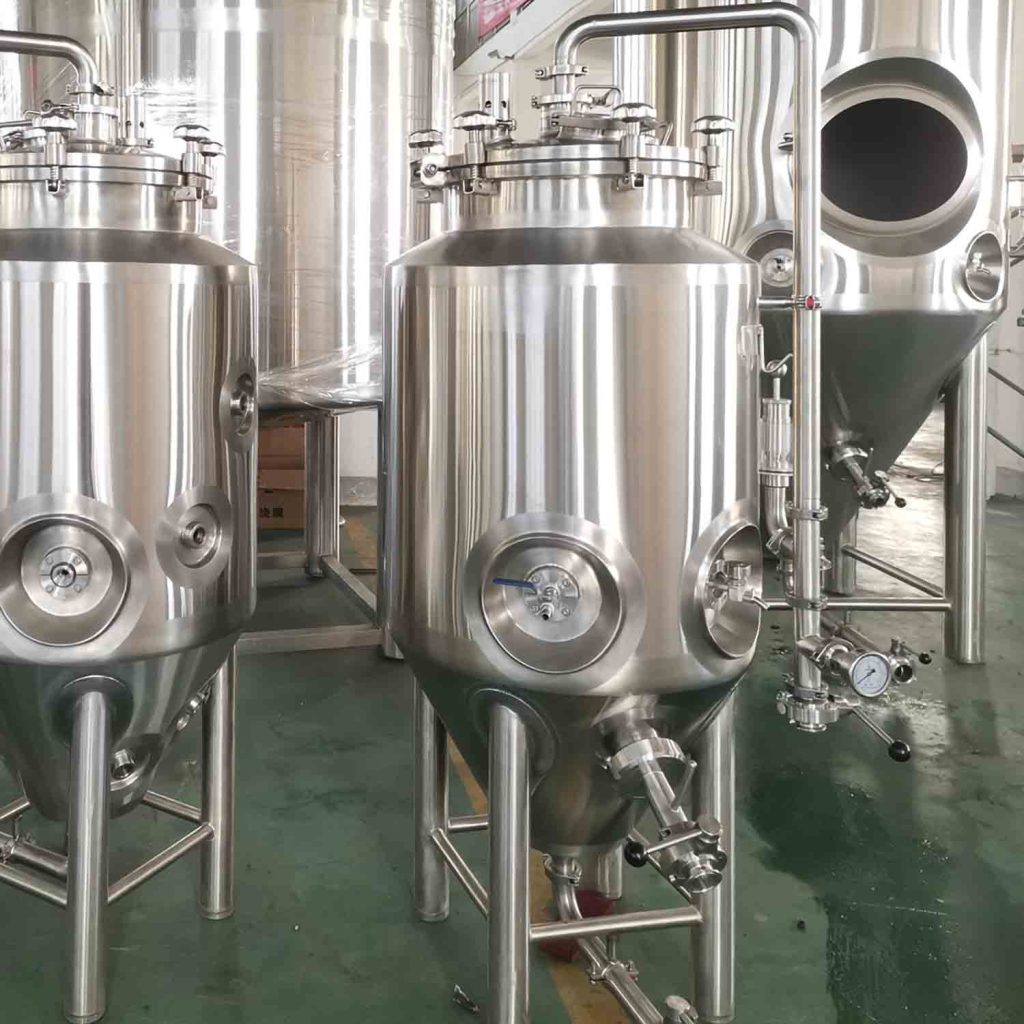
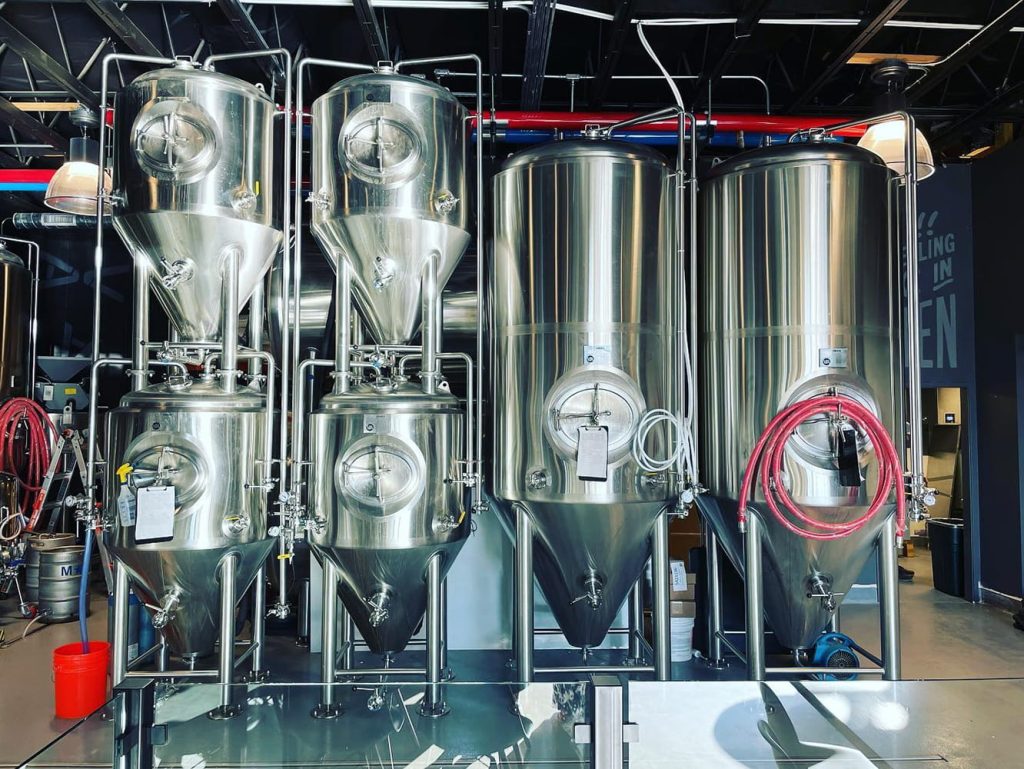
A stainless fermenter conical, also known as a conical fermentation tank, is a specialized vessel designed to optimize the beer fermentation process. Its defining feature is a cone-shaped bottom, which sets it apart from traditional flat-bottom or cylindrical fermenters. Constructed from food-grade stainless steel—typically 304 or 316L, the most trusted materials in brewing—it provides a sterile, corrosion-resistant environment for yeast to convert sugars into alcohol and flavor compounds.
Unlike basic fermenters, the conical design leverages gravity to simplify yeast harvesting and sediment removal. During fermentation, yeast, trub (spent hops, proteins, and other solids), and other sediments settle at the tip of the cone, where a valve allows for easy draining without disturbing the beer. This not only improves the clarity and quality of the final product but also streamlines the brewing process, saving time and reducing the risk of contamination.
Key Differences: Stainless Fermenter Conical vs. Other Fermentation Vessels
|
Feature
|
Stainless Fermenter Conical
|
Stainless Steel Unitank
|
Flat-Bottom Fermenter
|
|---|---|---|---|
|
Design
|
Cylindrical body with a cone-shaped bottom (typically 60° angle) for sediment collection
|
All-in-one cylindrical-conical design, combining fermentation and conditioning in one vessel
|
Cylindrical body with a flat bottom; no dedicated sediment collection area
|
|
Material
|
Food-grade 304/316L stainless steel; corrosion-resistant, easy to sanitize
|
Food-grade 304/316L stainless steel; same high-quality construction as conical fermenters
|
Stainless steel, plastic, or glass; often less durable and harder to sanitize
|
|
Yeast Harvesting
|
Easy and efficient; sediment settles in the cone, drained via a bottom valve without disturbing beer
|
Same as conical fermenters; integrated design allows for yeast harvesting during conditioning
|
Difficult; requires siphoning, which risks contamination and disturbs sediment
|
|
Functionality
|
Ideal for primary fermentation; can be used for secondary fermentation with modifications
|
Dual-purpose: primary fermentation + secondary conditioning/carbonation; no need for transfer
|
Limited to primary fermentation; requires transfer to a separate vessel for conditioning
|
|
Scalability
|
Available in small (5-15 gallons) to large (100+ gallons) sizes; SKE offers custom large conical fermenters for commercial use
|
Scalable for commercial breweries; SKE’s unitanks range from 500L to 50,000L
|
Best for small batches; not ideal for large-scale production due to sediment issues
|
|
Contamination Risk
|
Low; closed system with minimal exposure to air; easy to sanitize
|
Very low; all-in-one design eliminates transfer, reducing air exposure
|
Higher; siphoning and frequent transfers increase air exposure and contamination risk
|
|
Cost-Efficiency
|
Long-term cost-effective; durable (20+ year lifespan with proper maintenance); reduces labor time
|
Higher upfront cost but saves money long-term; eliminates the need for separate conditioning tanks
|
Low upfront cost but higher long-term costs; frequent replacements and labor-intensive processes
|
|
SKE Customization
|
Full customization (size, cone angle, ports, cooling jackets, pressure rating)
|
Customizable temperature control, pressure rating, and port configurations
|
Limited customization; primarily offered for small-scale homebrewing
|
The Benefits of Using a Stainless Fermenter Conical
Brewers choose stainless fermenter conicals for their unique combination of functionality, durability, and quality. Below are the key benefits that make these vessels a must-have for any serious brewing operation—from homebrewers to large commercial breweries.
1. Efficient Yeast Harvesting and Reuse
Yeast is one of the most expensive ingredients in brewing, and reusing healthy yeast can significantly reduce costs. The conical bottom of a stainless fermenter conical allows yeast to settle naturally at the tip, where it can be easily drained via a dedicated valve. This process is gentle, ensuring the yeast remains viable for future batches.
2. Reduced Labor and Time Savings
Traditional flat-bottom fermenters require siphoning to separate beer from sediment, a time-consuming process that risks contamination. With a stainless fermenter conical, sediment is removed directly from the cone without disturbing the beer, cutting down on labor time and reducing the risk of human error. This is especially valuable for commercial breweries, where efficiency is key—SKE’s large conical fermenters can handle high-volume batches while streamlining the fermentation process.
3. Durability and Longevity
Stainless steel is incredibly durable, resistant to corrosion, rust, and physical damage. A well-maintained stainless fermenter conical can last 20+ years, making it a long-term investment for brewers. SKE uses high-grade 304/316L stainless steel in all our fermenters, with 100% TIG welding and pure argon gas shielding to ensure structural integrity. Our vessels are built to withstand high pressure, temperature fluctuations, and the rigors of daily brewery use.
4. Versatility and Customization
Stainless fermenter conicals are versatile enough to handle all beer styles, from lagers and ales to IPAs and stouts. They can be equipped with optional features like cooling jackets (for precise temperature control), pressure relief valves, sampling ports, and dry hopping ports. SKE offers full customization, allowing brewers to tailor their fermenters to their specific needs—whether it’s a small 5-gallon homebrew unit or a 50,000L large conical fermenter for a commercial brewery.
Types of Stainless Fermenter Conicals: Choosing the Right One for Your Brewery
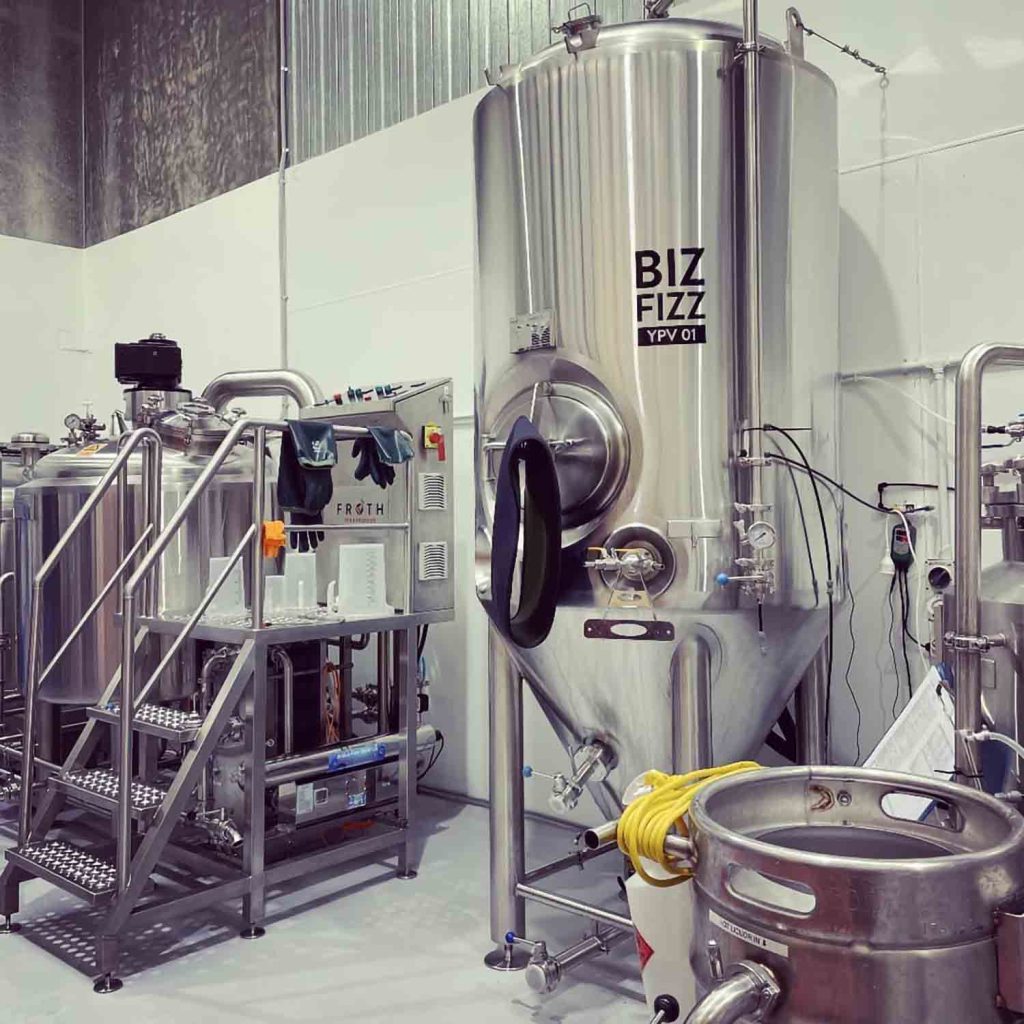
Stainless fermenter conicals come in various types, each designed to meet different brewing needs. The three most common types are standard stainless fermenter conicals, large conical fermenters, and stainless steel unitanks. Below is a breakdown of each type, including their uses, features, and ideal applications—with insights from SKE’s product lineup.
1. Standard Stainless Fermenter Conical
Standard stainless fermenter conicals are the most common type, designed for primary fermentation. They range in size from 5 gallons (19L) for homebrewers to 100 gallons (378L) for small microbreweries. These fermenters feature a cone-shaped bottom, a cylindrical body, and basic ports for sampling, airlocks, and yeast draining.
SKE’s standard stainless fermenter conicals are built with food-grade 304 stainless steel, mirror-polished interiors, and a 60° cone angle for optimal sediment collection. They can be equipped with optional cooling jackets to maintain precise fermentation temperatures (critical for lagers, which require cooler temperatures). Ideal for homebrewers and small microbreweries, these fermenters offer a balance of functionality and affordability.
2. Large Conical Fermenter
Large conical fermenters are designed for commercial breweries and large-scale production. They typically range in size from 100 gallons (378L) to 50,000 gallons (189,270L) or more, making them suitable for high-volume batches. These fermenters are engineered to handle the rigors of commercial use, with thicker stainless steel walls, advanced cooling systems, and automated controls.
SKE’s large conical fermenters are custom-built to meet the specific needs of commercial breweries. They feature multi-zone glycol cooling jackets for precise temperature control, integrated CIP (clean-in-place) systems for easy sanitization, and pressure-rated construction (up to 2 bar/30 psi) for pressurized fermentation. Our large conical fermenters are used by breweries worldwide, delivering consistent performance and scalability for growing operations.
3. Stainless Steel Unitank
A stainless steel unitank is an all-in-one fermentation vessel that combines primary fermentation, secondary conditioning, and carbonation in a single tank. This eliminates the need to transfer beer between vessels, reducing contamination risk and saving time. Unitanks are designed with a conical bottom for yeast harvesting and a cylindrical body for conditioning, making them ideal for commercial breweries looking to streamline their process.
SKE’s stainless steel unitanks are built with the same high-quality 304/316L stainless steel as our conical fermenters, with customizable features like temperature control, pressure relief valves, and carbonation stones. They are available in sizes from 500L to 50,000L, making them suitable for both small microbreweries and large commercial facilities. The unitank design is particularly popular for craft breweries, as it allows for greater control over the conditioning process and produces clearer, more consistent beer.
Key Features to Look for in a Stainless Fermenter Conical
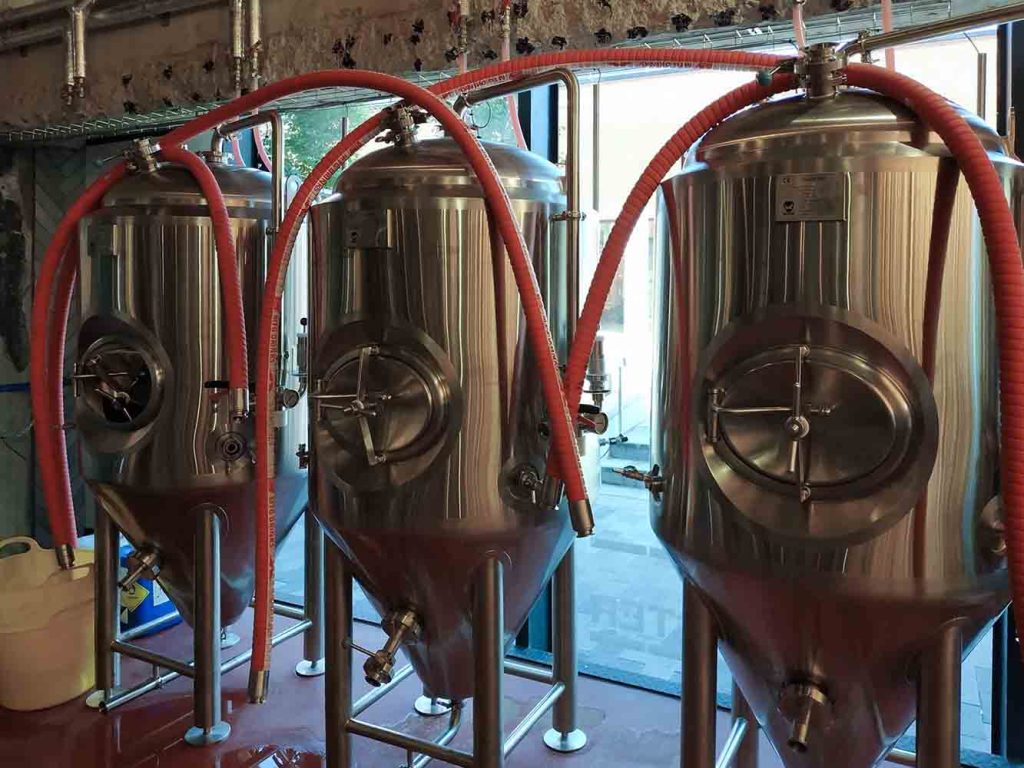
When choosing a stainless fermenter conical—whether for homebrewing or commercial use—there are several key features to consider. These features will impact the functionality, durability, and performance of the fermenter, ensuring it meets your brewing needs. Below are the most important features to look for, with insights from SKE’s engineering team.
1. Material Quality
The material of the fermenter is critical for sanitation and durability. Always choose a fermenter made from food-grade 304 or 316L stainless steel. 304 stainless steel is suitable for most homebrewers and small microbreweries, while 316L stainless steel is more corrosion-resistant and ideal for commercial breweries or breweries that use acidic ingredients (like sour beers).
2. Cone Angle
The cone angle of a stainless fermenter conical determines how effectively sediment settles and is removed. The optimal cone angle is 60°, as this allows gravity to pull sediment to the tip of the cone without trapping it. A steeper cone angle (greater than 60°) may not be necessary, while a shallower angle (less than 60°) can cause sediment to accumulate and be difficult to drain.
3. Temperature Control
Temperature control is critical for fermentation, as yeast activity is highly sensitive to temperature. Different beer styles require different fermentation temperatures—ales typically ferment at 15–24°C, while lagers require cooler temperatures (8–12°C). A stainless fermenter conical with a cooling jacket allows for precise temperature control, ensuring consistent yeast activity and flavor development.
4. Ports and Valves
Ports and valves are essential for accessing the fermenter, sampling beer, adding ingredients (like dry hops), and draining sediment. Look for a fermenter with the following ports: a top port for adding wort, a sampling port for testing gravity, a dry hopping port for adding hops during fermentation, and a bottom valve for draining yeast and sediment.
5. Pressure Rating
Pressure-rated stainless fermenter conicals are ideal for pressurized fermentation, which is used to produce certain beer styles (like Belgian ales) and reduce oxygen exposure. A pressure rating of 1–2 bar (15–30 psi) is sufficient for most brewers, while commercial breweries may require higher pressure ratings.
How to Maintain Your Stainless Fermenter Conical for Longevity
A well-maintained stainless fermenter conical can last 20+years, making it a valuable investment for brewers. Proper maintenance not only extends the lifespan of the fermenter but also ensures consistent beer quality and reduces the risk of contamination. Below are essential maintenance tips from SKE’s technical team.
1. Clean and Sanitize After Each Use
After emptying the fermenter, clean it immediately to remove any remaining beer, yeast, or sediment. Use a non-abrasive cleaner (like PBW) to dissolve stubborn deposits, then rinse thoroughly with warm water. Sanitize the fermenter using a food-grade sanitizer (like Star San) to kill any remaining bacteria or yeast. Allow the fermenter to air dry completely before storing.
For commercial breweries, SKE’s large conical fermenters and stainless steel unitanks are equipped with integrated CIP systems, which automate the cleaning and sanitization process, saving time and ensuring thorough results.
2. Inspect for Damage Regularly
Regularly inspect the fermenter for scratches, dents, or corrosion. Scratches can harbor bacteria, while dents can compromise the structural integrity of the tank. If you notice any damage, contact a professional (like SKE’s service team) to repair it immediately.
SKE offers ongoing maintenance services for all our fermenters, including inspections, repairs, and replacements. Our technical team can help identify potential issues before they become major problems, ensuring your equipment operates smoothly.
3. Lubricate Valves and Seals
The valves and seals of your stainless fermenter conical can wear out over time, leading to leaks. Regularly lubricate the valves with food-grade lubricant to ensure they operate smoothly, and replace seals (like gaskets) every 6–12 months, or if you notice any leaks.
SKE provides replacement parts for all our fermenters, including valves, seals, and gaskets, ensuring you can keep your equipment in top condition.
4. Store Properly When Not in Use
If you’re not using the fermenter for an extended period, store it in a clean, dry area. Ensure the fermenter is completely dry to prevent corrosion, and leave the lid slightly open to allow air circulation. For large conical fermenters, SKE recommends covering the tank to protect it from dust and debris.
Frequently Asked Questions (FAQ) About Stainless Fermenter Conicals
Q1: What is the difference between a stainless fermenter conical and a stainless steel unitank?
A stainless fermenter conical is primarily designed for primary fermentation, with a cone-shaped bottom for yeast and sediment collection. A stainless steel unitank is an all-in-one vessel that combines primary fermentation, secondary conditioning, and carbonation in a single tank. This eliminates the need to transfer beer between vessels, reducing contamination risk and saving time. SKE offers both options, with unitanks ideal for commercial breweries looking to streamline their process.
Q2: What size stainless fermenter conical do I need?
The size of your fermenter depends on your batch size and brewing scale. For homebrewers, a 5–15 gallon (19–57L) fermenter is ideal. Small microbreweries typically use 50–100 gallon (189–378L) fermenters, while large commercial breweries require large conical fermenters of 1000L or more. SKE offers custom sizes, so you can choose a fermenter that matches your production needs—from small batches to high-volume brewing.
Q3: Is 304 or 316L stainless steel better for a fermenter?
Both 304 and 316L stainless steel are food-grade and suitable for fermenters. 304 stainless steel is more affordable and ideal for most homebrewers and small microbreweries. 316L stainless steel is more corrosion-resistant, making it better for commercial breweries, breweries that use acidic ingredients (like sour beers), or fermenters that are exposed to harsh cleaning chemicals. SKE offers both options, with 316L available for custom orders.
Q4: How do I harvest yeast from a stainless fermenter conical?
Yeast harvesting is simple with a stainless fermenter conical. After fermentation is complete, allow the yeast to settle in the cone for 24–48 hours. Open the bottom valve slightly to drain the yeast into a sterile container. Collect the middle layer of yeast (the healthiest layer), discard the top (foam) and bottom (trub) layers. Store the harvested yeast in a sterile container with a small amount of wort, and refrigerate until ready to use. SKE’s fermenters are designed with precision valves to make yeast harvesting gentle and efficient.
Q5: Can a stainless fermenter conical be used for other beverages besides beer?
Yes! Stainless fermenter conicals are versatile and can be used for fermenting other beverages, including wine, cider, mead, and kombucha. The sterile, corrosion-resistant design of stainless steel makes it ideal for any fermentation process that requires a clean environment. SKE’s fermenters can be customized for different beverages, with features like temperature control and port configurations tailored to your specific needs.
Contact Us
If you have any further questions, feel free to reach out!
- Facebook: SKE Equipment Facebook
- Email: info@skeequipment.com
For more personalized assistance, please fill out the contact form at the bottom of this page. We look forward to helping you with your brewing needs!