
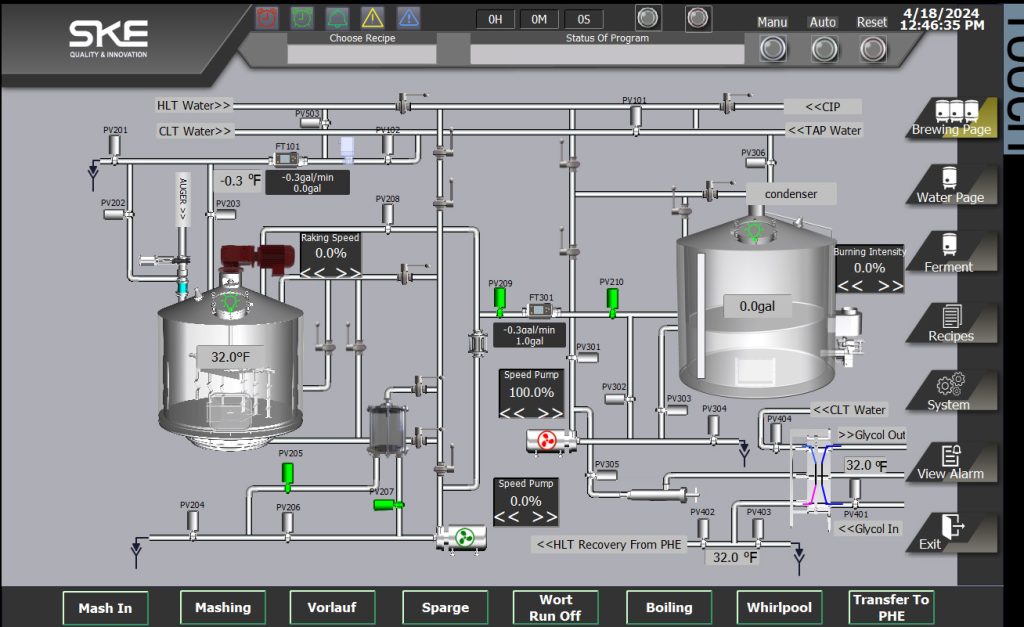
What is a Brewing Control Panel?
A brewing control panel is a centralized interface that integrates hardware and software to manage and automate the brewing process. It serves as the command center for all critical brewing equipment, allowing brewers to monitor and adjust parameters such as temperature, pressure, flow rate, and timing with unparalleled precision. Unlike manual brewing, which relies heavily on the brewer’s experience and constant supervision, a well-designed brewing control panel eliminates guesswork and ensures that every batch adheres to the exact recipe specifications.
Brewery Controller, Electric Brewery Controller, Electric Brewery Panel
A brewery controller is a broader term that refers to any device or system used to control brewing equipment. This can include simple temperature controllers, manual switches, or advanced digital systems. It is the umbrella term for all control devices used in a brewery, regardless of their complexity or power source.
An electric brewery controller is a specific type of brewery controller that is designed to work with electric brewing systems. It controls electric heating elements, pumps, and other electric components, ensuring precise temperature regulation and process automation. Electric brewery controllers are ideal for breweries that prioritize energy efficiency, clean operation, and precise control—making them a popular choice for microbreweries and craft breweries.
An electric brewery panel is the physical interface of the electric brewery controller. It houses the dials, buttons, displays, and wiring that allow brewers to interact with the controller. Think of it as the “dashboard” of your electric brewing system—providing real-time data, manual control options, and alerts for any deviations from set parameters. SKE’s electric brewery panels are engineered for durability, ease of use, and seamless integration with our full line of brewing equipment.
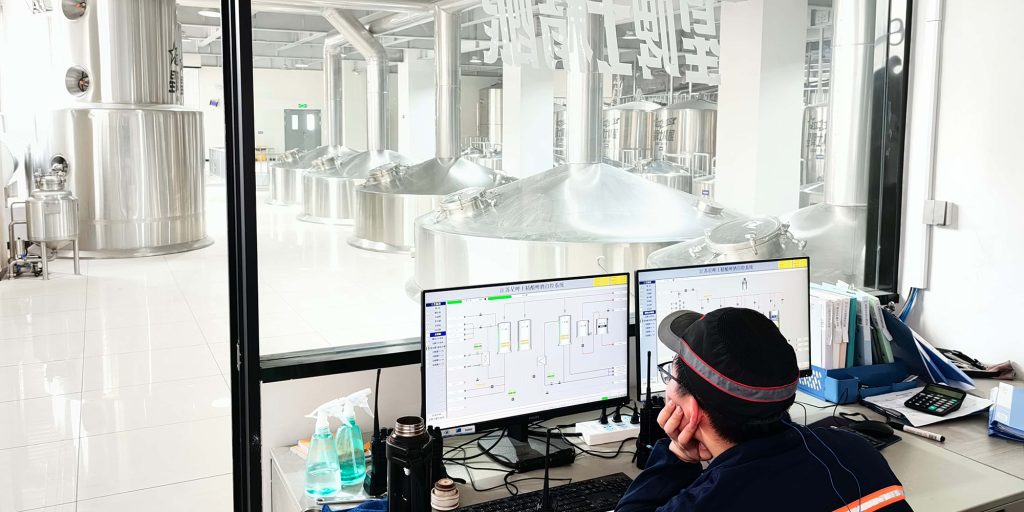
Core Components of a Brewing Control Panel
A high-quality brewing control panel is composed of several key components that work together to ensure smooth and precise operation. Each component plays a critical role in monitoring and regulating the brewing process, and their quality directly impacts the performance of your entire brewery. Below is a breakdown of the most essential components, along with their functions and importance.
1. Controller Unit
The controller unit is the “brain” of the brewing control panel. It processes data from sensors, executes pre-programmed recipes, and sends signals to other components (such as pumps and heating elements) to adjust parameters. For electric brewery controllers, this unit is specifically calibrated to work with electric components, ensuring efficient power distribution and precise control. SKE’s controller units are built with advanced microprocessors that support both manual and automatic operation, allowing brewers to switch between modes based on their needs.
2. Sensors
Sensors are the “eyes and ears” of the brewing control panel. They collect real-time data on critical parameters such as temperature, pressure, flow rate, and specific gravity, and send this data to the controller unit. Common types of sensors used in brewing control panels include temperature sensors (RTDs or thermocouples), pressure sensors, flow meters, and level sensors. These sensors must be accurate and durable to withstand the harsh brewing environment—including high temperatures, moisture, and exposure to chemicals.
3. Actuators
Actuators are the “hands” of the brewing control panel. They receive signals from the controller unit and execute physical actions to adjust the brewing process. Examples of actuators include electric heating elements, pumps, valves, and stirrers. For electric brewery panels, the actuators are powered by electricity, making them more efficient and easier to control than gas-powered alternatives. SKE’s actuators are designed to be reliable and long-lasting, ensuring minimal downtime and consistent performance.
4. User Interface
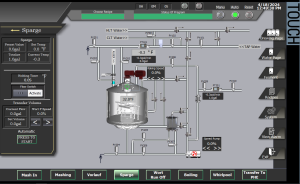
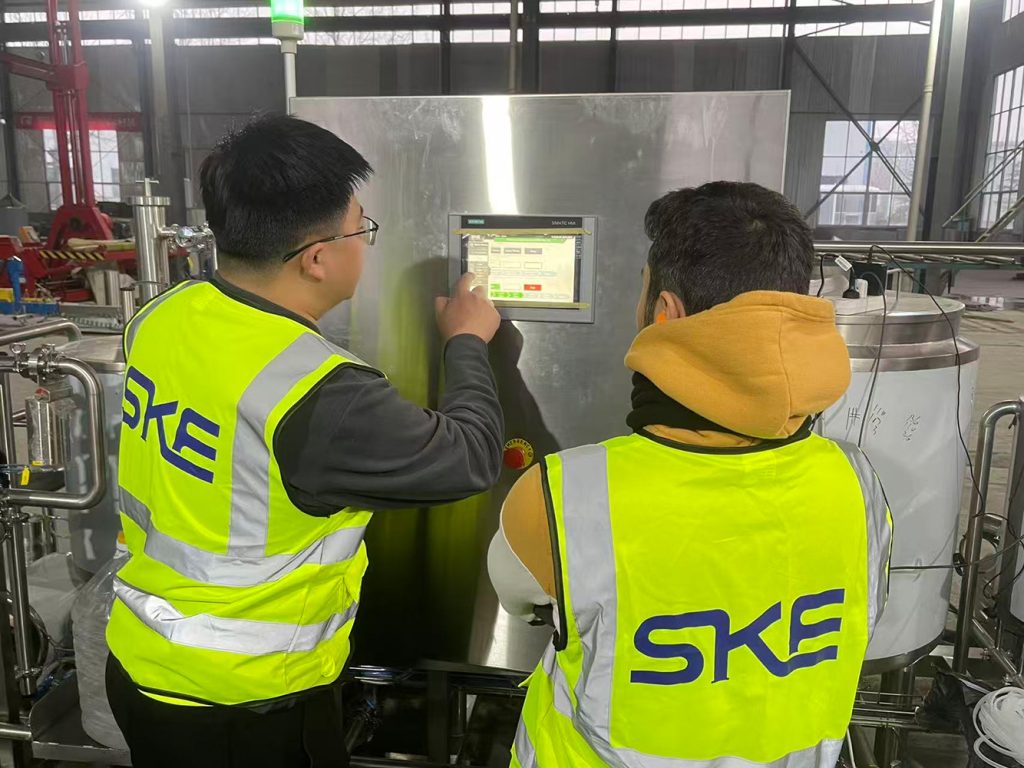
The user interface is the point of interaction between the brewer and the brewing control panel. It can range from a simple analog dial or button panel to a advanced digital touchscreen display. The best user interfaces are intuitive and easy to use, allowing brewers to monitor real-time data, adjust parameters, load recipes, and troubleshoot issues with minimal training. SKE’s brewing control panels feature user-friendly interfaces with clear displays, customizable settings, and password protection to prevent unauthorized changes.
5. Safety Features
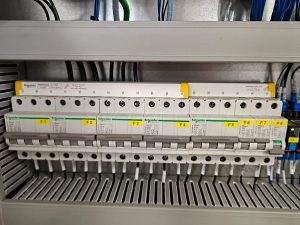
Safety is a top priority in any brewery, and the brewing control panel plays a critical role in ensuring a safe working environment. Key safety features include over-temperature protection, over-pressure protection, short-circuit protection, and emergency stop buttons. These features prevent equipment damage, reduce the risk of accidents, and protect both the brewer and the product. SKE’s brewing control panels are designed to meet international safety standards, with built-in safety mechanisms that provide peace of mind during operation.
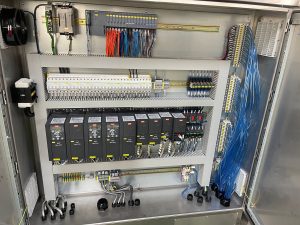
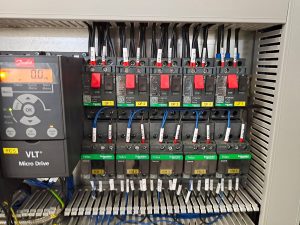
Types of Brewing Control Panels (Including Electric Options)
Brewing control panels come in a variety of types, each designed to meet the specific needs of different brewery sizes and brewing styles. The choice of control panel depends on factors such as production volume, budget, level of automation, and power source. Below are the most common types, with a focus on electric brewery controllers and electric brewery panels.
1. Manual Brewing Control Panels
Manual brewing control panels are the simplest type, designed for small breweries or homebrewers who prefer hands-on control. They feature basic controls such as manual switches for pumps and heating elements, analog temperature gauges, and simple dials for adjusting parameters. While manual panels are affordable and easy to use, they require constant supervision and are prone to human error. They are best suited for small-scale operations with low production volumes.
2. Semi-Automatic Brewing Control Panels
Semi-automatic brewing control panels strike a balance between manual control and automation. They allow brewers to pre-program certain stages of the brewing process (such as mashing temperature and boil time) while retaining manual control over other steps. This type of panel is ideal for microbreweries and craft breweries that want to reduce labor costs without sacrificing flexibility. SKE’s semi-automatic panels are designed to be customizable, allowing brewers to tailor the automation to their specific recipes and processes.
3. Fully Automatic Brewing Control Panels
Fully automatic brewing control panels are the most advanced type, designed for large-scale commercial breweries that require consistent, high-volume production. These panels can pre-program the entire brewing process—from mashing and boiling to fermentation and packaging—with minimal human intervention. They feature advanced software that allows brewers to store multiple recipes, monitor real-time data remotely, and generate reports for quality control. Fully automatic panels are the most expensive option, but they offer the highest level of efficiency and consistency.
4. Electric Brewery Controllers & Panels
Electric brewery controllers and electric brewery panels are specifically designed for electric brewing systems. They are becoming increasingly popular among breweries of all sizes due to their energy efficiency, clean operation, and precise control. Unlike gas-powered systems, electric brewing systems produce no emissions, making them more environmentally friendly. Electric brewery controllers regulate electric heating elements with pinpoint accuracy, ensuring consistent temperatures throughout the brewing process. SKE’s electric brewery panels are built with high-quality components that are resistant to moisture and corrosion, making them ideal for the harsh brewing environment.

Comparison of Brewing Control Panel Types
|
Control Panel Type
|
Key Features
|
Advantages
|
Disadvantages
|
Ideal Use Case
|
|---|---|---|---|---|
|
Manual Brewing Control Panel
|
Basic switches, analog gauges, manual parameter adjustment
|
Affordable, easy to use, low maintenance
|
Prone to human error, requires constant supervision, low efficiency
|
Homebrewers, small microbreweries with low production volume
|
|
Semi-Automatic Brewing Control Panel
|
Pre-programmable stages, manual override, digital displays
|
Balances flexibility and automation, reduces labor costs, consistent results
|
More expensive than manual panels, requires basic training
|
Medium-sized microbreweries, craft breweries with moderate production volume
|
|
Fully Automatic Brewing Control Panel
|
Full process automation, recipe storage, remote monitoring, data reporting
|
High efficiency, minimal human intervention, consistent batch quality
|
Expensive, complex setup, requires advanced training
|
Large commercial breweries, high-volume production facilities
|
|
Electric Brewery Controller & Panel
|
Electric component control, precise temperature regulation, energy-efficient
|
Clean operation, low emissions, high precision, easy to maintain
|
Requires access to reliable electricity, higher initial cost than gas alternatives
|
Microbreweries, craft breweries, commercial breweries prioritizing sustainability
|
Maintenance Tips for Brewing Control Panels
1. Regular Cleaning: Clean the control panel regularly to remove dust, dirt, and debris. Use a soft cloth and mild cleaning solution to wipe down the user interface and exterior of the panel. Avoid using harsh chemicals or abrasive materials that may damage the display or components.
2. Calibrate Sensors: Sensors can drift over time, leading to inaccurate readings. Calibrate your temperature, pressure, and flow sensors regularly (we recommend every 3-6 months) to ensure that they are providing accurate data.
3. Check Wiring and Connections: Inspect the wiring and connections regularly for signs of wear, corrosion, or loose connections. Tighten any loose connections and replace any damaged wiring to prevent electrical issues.
4. Update Software: For digital and automatic control panels, regularly update the software to ensure that you have access to the latest features and bug fixes.
5. Schedule Regular Maintenance: Schedule regular maintenance checks with SKE to ensure that your control panel is in top condition. Our team of experts will inspect the panel, identify any potential issues, and make necessary repairs or adjustments. This proactive approach helps prevent downtime and extends the life of your control panel.
Frequently Asked Questions (FAQ) About Brewing Control Panels
Q1: What is the difference between a brewing control panel and a brewery controller?
A: A brewery controller is a broad term that refers to any device or system used to control brewing equipment. It can include simple temperature controllers, manual switches, or advanced digital systems. A brewing control panel is the physical interface of the brewery controller—it houses the controls, displays, and wiring that allow brewers to interact with the controller. In short, the brewery controller is the “brain,” and the brewing control panel is the “dashboard.”
Q2: How do I choose the right size brewing control panel for my brewery?
A: The size of your brewing control panel depends on your production volume, the number of brewing vessels, and the level of automation you need. For small microbreweries (1-5 BBL), a basic manual or semi-automatic panel may be sufficient. For medium-sized craft breweries (5-30 BBL), a semi-automatic or fully automatic panel is recommended. For large commercial breweries (30+ BBL), a fully automatic panel with advanced features (such as remote monitoring and recipe storage) is essential. SKE can help you assess your needs and choose the right size panel for your brewery.
Q3: Can I integrate a new brewing control panel with my existing brewing equipment?
A: Yes, most brewing control panels—including SKE’s panels—can be integrated with existing brewing equipment. Our team of engineers will assess your current equipment and design a control panel that is compatible with your tanks, pumps, heating elements, and other components. This allows you to upgrade your control system without replacing your entire brewing setup, saving you time and money.
Q4: Do I need training to use a brewing control panel?
A: The level of training required depends on the type of control panel. Manual panels are simple to use and require minimal training. Semi-automatic and fully automatic panels, however, may require basic to advanced training to operate effectively. SKE provides comprehensive training services to help you and your team learn how to use your control panel, including how to program recipes, monitor data, and troubleshoot issues.
Q5: Can I control my brewing control panel remotely?
A: Yes, many advanced brewing control panels—including SKE’s fully automatic and semi-automatic panels—offer remote monitoring and control capabilities. This allows you to monitor real-time data, adjust parameters, and even start or stop batches from your smartphone, tablet, or computer. Remote control is especially useful for large breweries or brewers who need to monitor their operation while away from the facility.
Contact Us
If you have any further questions, feel free to reach out!
- Facebook: SKE Equipment Facebook
- Email: info@skeequipment.com
For more personalized assistance, please fill out the contact form at the bottom of this page. We look forward to helping you with your brewing needs!