
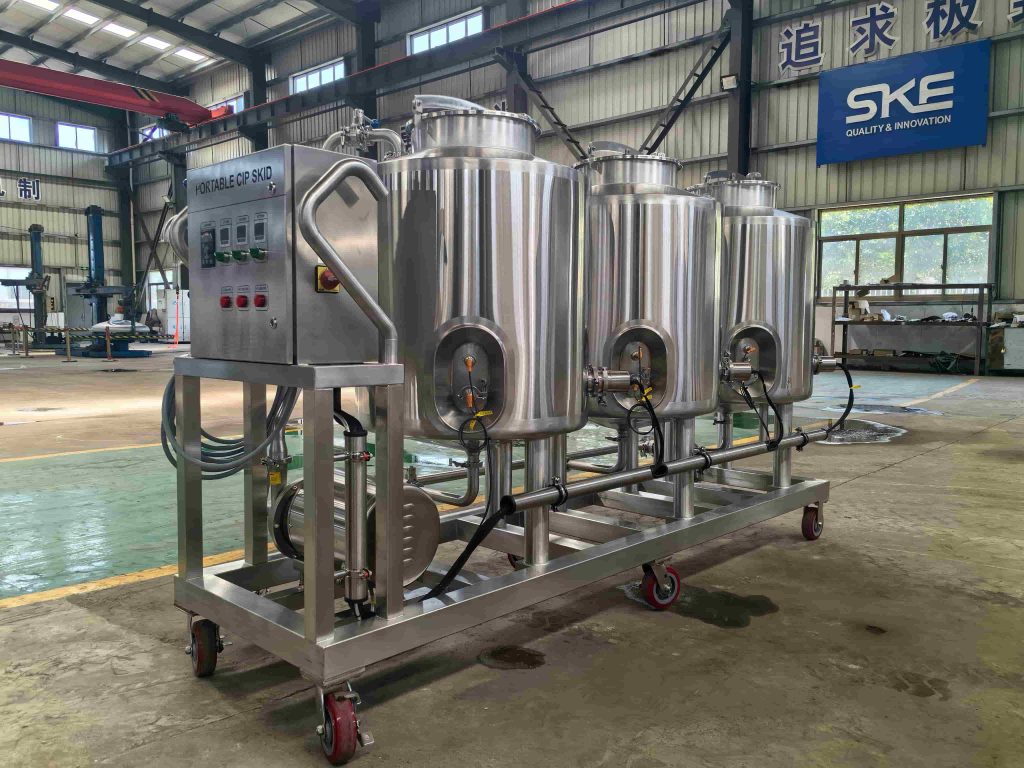
The craft beer revolution has transformed the brewing industry, with microbreweries emerging as hubs of innovation, quality, and community. At the heart of every successful microbrewery lies a well-designed microbrewery system—an integrated set of equipment that brings together art and science to create consistent, flavorful beers. For breweries focused on authenticity and full control over their product, understanding microbrewery systems, especially all grain brewing system options and essential CIP systems for breweries, is critical.
What Are Microbrewery Systems?
Microbrewery systems are specialized, small-scale brewing setups designed to produce limited batches of beer—typically ranging from 100 liters to 5,000 liters per batch, depending on the brewery’s size and goals. Unlike large commercial brewing systems, microbrewery systems prioritize flexibility, allowing brewers to experiment with unique recipes, adjust batch sizes, and maintain the hands-on craftsmanship that defines craft beer.
A complete microbrewery system encompasses every stage of the brewing process, from grain handling and mashing to fermentation, conditioning, and packaging. Each component is engineered to work seamlessly together, ensuring consistency in flavor, quality, and efficiency. For breweries committed to traditional brewing methods, integrating an all grain brewing system into their microbrewery setup is a way to unlock full control over the beer’s character.
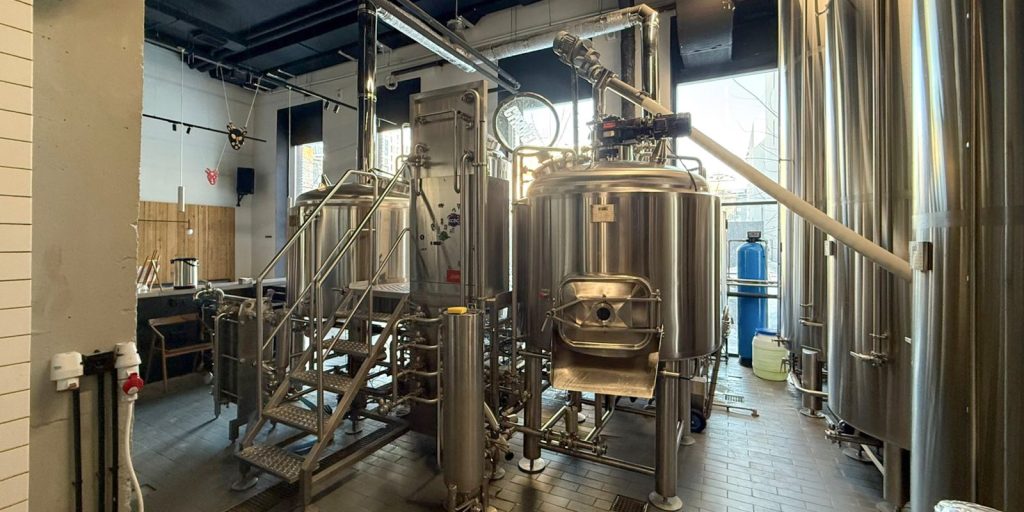
All Grain Brewing System: The Foundation of Craft Authenticity
An all grain brewing system (often referred to simply as an all grain system) is a cornerstone of traditional craft brewing. Unlike extract brewing, which uses pre-made malt extracts, all grain brewing involves converting starches from raw grains (such as barley, wheat, and rye) into fermentable sugars through a process called mashing. This method gives brewers complete control over the beer’s flavor, color, body, and aroma—making it the preferred choice for microbreweries focused on quality and uniqueness.
All grain systems are a key component of modern microbrewery systems, as they allow brewers to experiment with different grain combinations, adjust mashing temperatures, and fine-tune the brewing process to create one-of-a-kind beers. For microbreweries, this level of control is essential for standing out in a competitive market, where consumers increasingly seek authentic, handcrafted products.
Key Components of an All Grain System
An all grain system relies on several critical components that work together to convert grains into wort (the sugary liquid that becomes beer). Understanding these components is essential for choosing the right all grain brewing system for your microbrewery.
|
Component
|
Function
|
SKE Design Features
|
|---|---|---|
|
Mash Tun
|
Mixes crushed grains with hot water (strike water) to initiate mashing, where enzymes convert starches to sugars. Maintains precise temperature control for optimal enzyme activity.
|
Insulated stainless steel construction, adjustable temperature controls, and built-in stirring systems to ensure uniform grain-water mixing.
|
|
Lauter Tun
|
Separates the sweet wort from the spent grains after mashing. Uses a false bottom or screen to filter out solid grains while allowing wort to flow through.
|
Sanitary false bottom design, adjustable flow controls, and optional sparging systems to maximize wort extraction.
|
|
Brew Kettle
|
Boils the wort with hops to add bitterness, flavor, and aroma. Also sterilizes the wort to prevent contamination during fermentation.
|
High-efficiency heating elements, hop additions ports, and built-in whirlpool systems to clarify wort before fermentation.
|
|
Heat Exchanger
|
Cools the boiled wort quickly to the ideal fermentation temperature (typically 18–22°C for ales, 7–13°C for lagers) to preserve flavor and prepare for yeast addition.
|
Stainless steel plate heat exchangers for fast cooling, with temperature controls to ensure consistency batch after batch.
|
|
Grain Mill
|
Crushes raw grains to expose starches, ensuring efficient sugar extraction during mashing. The degree of crush directly impacts mashing efficiency.
|
Adjustable crush settings, durable stainless steel rollers, and easy cleaning design to prevent cross-contamination between batches.
|
Benefits of Using an All Grain Brewing System in Microbreweries
For microbreweries, investing in an all grain system offers numerous advantages over extract brewing, including greater control, cost savings, and brand differentiation. Here are the key benefits of integrating an all grain brewing system into your microbrewery setup:
- Full Flavor Control: All grain brewing allows you to select specific grains, adjust mashing temperatures, and experiment with different grain ratios to create unique flavor profiles. This level of customization is impossible with extract brewing, where the malt extract dictates much of the beer’s character.
- Cost Efficiency: While the initial investment in an all grain system may be higher than extract equipment, raw grains are significantly cheaper than pre-made malt extracts. Over time, this translates to lower per-batch costs—critical for microbreweries operating on tight margins.
- Authenticity and Brand Story: Craft beer consumers value authenticity, and all grain brewing is seen as the “traditional” method of brewing. Using an all grain system allows you to tell a compelling brand story, highlighting your commitment to craftsmanship and quality.
- Flexibility: All grain systems are highly flexible, allowing you to brew a wide range of beer styles—from light lagers and hoppy IPAs to rich stouts and sour ales. This flexibility is essential for microbreweries looking to cater to diverse consumer tastes.
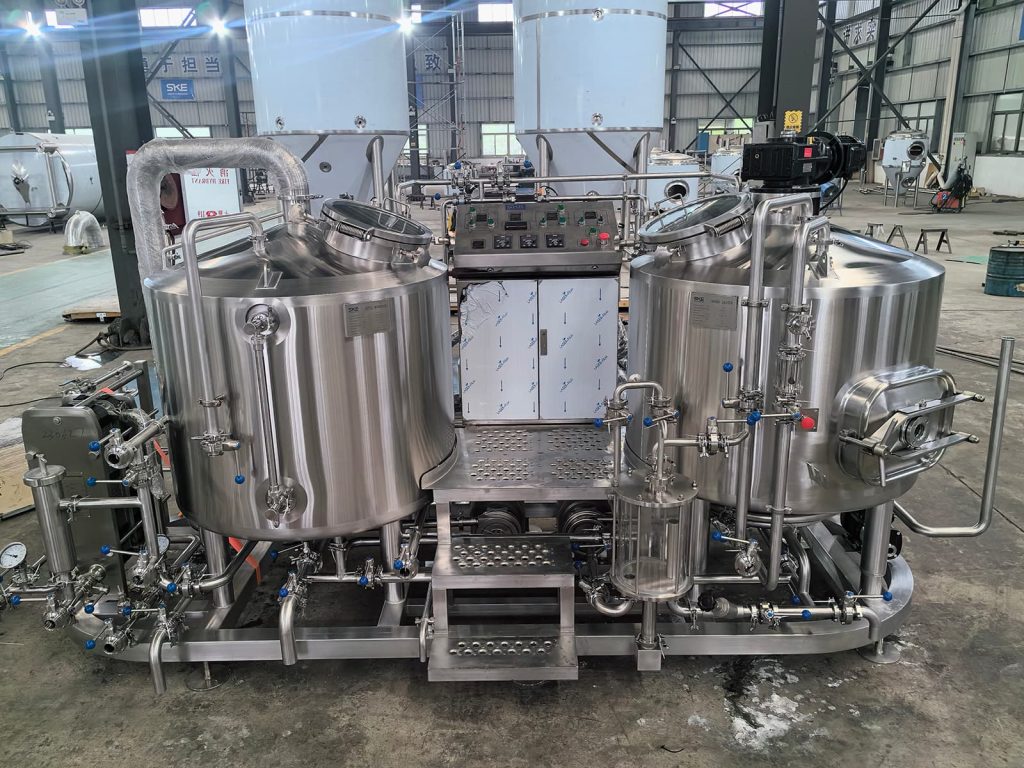
CIP Systems for Breweries: Ensuring Sanitation and Efficiency
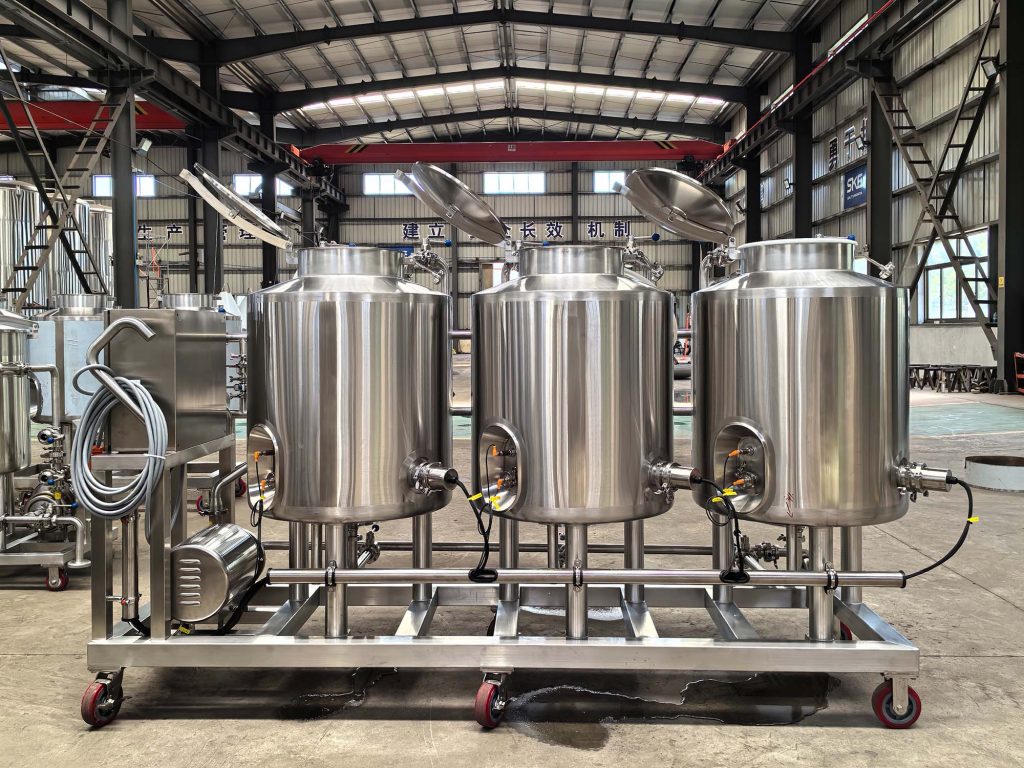
In any microbrewery, sanitation is non-negotiable. Contamination from bacteria, wild yeast, or leftover residue can ruin batches, damage your brand reputation, and lead to costly losses. This is where CIP systems for breweries (Clean-in-Place systems) come into play. CIP systems are an essential component of modern microbrewery systems, designed to clean and sanitize equipment without disassembling it—saving time, labor, and ensuring consistent sanitation.
CIP systems for breweries circulate cleaning and sanitizing solutions through tanks, pipes, and equipment, removing residue, yeast, and bacteria from all contact surfaces. This automated process eliminates the need for manual scrubbing, reducing the risk of human error and ensuring that every piece of equipment is thoroughly cleaned between batches.
For microbreweries using all grain brewing systems, CIP systems are even more critical. All grain brewing produces more residue (such as spent grains and protein deposits) than extract brewing, making thorough cleaning essential to prevent off-flavors and contamination. SKE’s CIP systems are specifically designed to work with our microbrewery and all grain systems, ensuring seamless integration and optimal cleaning performance.
How CIP Systems for Breweries Work
CIP systems for breweries follow a standardized three-step process to ensure thorough cleaning and sanitization. Each step is automated, with precise controls to adjust temperature, pressure, and solution concentration—ensuring consistency batch after batch.
- Pre-Rinse: The first step involves rinsing equipment with warm water to remove loose debris, such as spent grains, wort residue, and yeast. This step prepares the equipment for the cleaning solution, ensuring that the solution can penetrate and remove tough deposits.
- Cleaning Cycle: A cleaning solution (typically an alkaline cleaner, such as caustic soda) is circulated through the equipment at a specific temperature (usually 60–80°C) for a set period. This solution breaks down protein deposits, fat, and other organic residues that can harbor bacteria.
- Sanitization Cycle: After the cleaning solution is drained and the equipment is rinsed, a sanitizing solution (such as peracetic acid or chlorine dioxide) is circulated. This solution kills any remaining bacteria, yeast, or mold, ensuring that the equipment is sterile and ready for the next batch.
SKE’s CIP systems are equipped with advanced controls that allow you to program custom cleaning cycles based on your equipment type, batch size, and brewing schedule. Our systems also include features like solution recirculation, which reduces chemical waste and lowers operating costs.
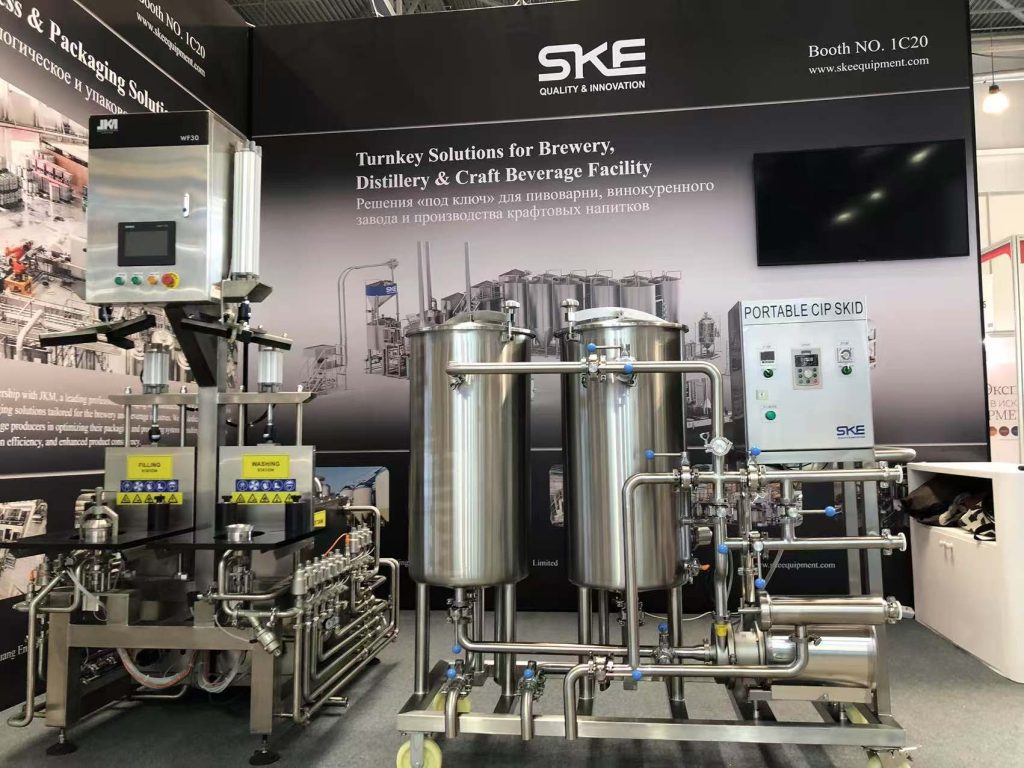
Key Features of SKE’s CIP Systems for Breweries
SKE’s CIP systems are engineered to meet the unique needs of microbreweries, with a focus on efficiency, reliability, and ease of use. Here are the key features that set our CIP systems apart:
- Automated Controls: Our CIP systems feature touchscreen controls that allow you to program and monitor cleaning cycles, adjust temperatures and pressure, and receive alerts for maintenance or issues. This automation reduces manual labor and ensures consistent results.
- Customizable Design: SKE’s CIP systems can be customized to fit your microbrewery’s size and equipment layout. Whether you have a small 100L all grain system or a large 5,000L microbrewery setup, we can design a CIP system that integrates seamlessly with your existing equipment.
- Sanitary Construction: All components of our CIP systems are made from food-grade stainless steel, ensuring compliance with industry sanitation standards. The systems are designed with smooth surfaces and minimal dead legs, preventing residue buildup and ensuring thorough cleaning.
- Energy and Chemical Efficiency: Our CIP systems are designed to minimize energy and chemical usage, with features like heat recovery and solution recirculation. This not only reduces operating costs but also supports sustainable brewing practices.
Choosing the Right Microbrewery System: Key Considerations
Selecting the right microbrewery system is a critical decision for any craft brewery. With so many options available, it’s important to consider your specific needs, goals, and resources. Here are the key factors to keep in mind when choosing a microbrewery system, including all grain system and CIP system options:
- Production Volume: Determine how much beer you plan to produce per batch and per year. This will dictate the size of your microbrewery system—from small 100L setups for pubs to larger 5,000L systems for regional distribution. SKE offers a range of sizes to fit any production need.
- Brewing Method: Decide whether you want to use an all grain system, extract system, or a combination of both. For breweries focused on authenticity and flavor control, an all grain brewing system is the best choice.
- Space Constraints: Consider the space available in your brewery. Microbrewery systems come in compact designs for small spaces (such as pubs or home breweries) and larger, modular designs for industrial spaces.
- Automation Level: Determine how much automation you need. Semi-automated systems are ideal for small breweries with limited staff, while fully automated systems are better for larger operations looking to reduce manual labor and improve consistency.
- Sanitation Needs: Ensure that your microbrewery system includes a reliable CIP system. CIP systems for breweries are essential for maintaining sanitation and preventing contamination.
- Budget: Set a realistic budget for your microbrewery system, including initial investment, installation, and ongoing maintenance.
FAQ: Microbrewery Systems, All Grain Brewing, and CIP Solutions
To help you better understand microbrewery systems, all grain brewing, and CIP systems for breweries, we’ve compiled answers to the most common questions we receive from our customers.
1. What is the difference between a microbrewery system and a commercial brewing system?
The main difference is production volume. Microbrewery systems are designed to produce small batches (100L–5,000L per batch), while commercial systems produce large batches (10,000L or more per batch). Microbrewery systems also prioritize flexibility and craftsmanship, allowing for recipe experimentation, while commercial systems focus on scalability and mass production. SKE specializes in microbrewery systems, with options tailored to small and medium-sized craft breweries.
2. Is an all grain system more difficult to use than an extract system?
While all grain brewing involves more steps (such as mashing and lautering) than extract brewing, modern all grain systems—like those from SKE—are designed to be user-friendly. Our systems include automated controls, built-in stirring, and precise temperature regulation, making all grain brewing accessible even for beginners. With a bit of training, most brewers can master all grain brewing quickly. The benefits of flavor control and cost savings make the learning curve well worth it.
3. Do I need a CIP system for my microbrewery?
Yes, a CIP system is essential for any microbrewery. Sanitation is critical to producing consistent, high-quality beer, and CIP systems for breweries ensure that your equipment is thoroughly cleaned and sanitized between batches. Manual cleaning is time-consuming, labor-intensive, and prone to human error—making CIP systems a smart investment for any microbrewery. SKE’s CIP systems are designed to integrate seamlessly with our microbrewery and all grain systems, ensuring optimal sanitation and efficiency.
4. How much space do I need for a microbrewery system?
The space required depends on the size of your system. A small 100L microbrewery system (ideal for pubs or small startups) can fit in a space as small as 10–15 square meters. Larger systems (2,000L–5,000L) may require 50–100 square meters or more. SKE’s microbrewery systems are modular and customizable, allowing us to design a setup that fits your available space. We also offer compact designs for breweries with limited space.
5. What maintenance is required for a microbrewery system?
Regular maintenance is essential to keep your microbrewery system running smoothly. This includes cleaning the equipment (via the CIP system), checking and replacing filters, inspecting pumps and valves, and calibrating temperature controls. SKE provides a detailed maintenance guide with each system, and our team offers ongoing maintenance services to ensure that your equipment remains in top condition. Routine maintenance helps extend the life of your system and prevent costly breakdowns.
Contact Us
If you have any further questions, feel free to reach out!
- Facebook: SKE Equipment Facebook
- Email: info@skeequipment.com
For more personalized assistance, please fill out the contact form at the bottom of this page. We look forward to helping you with your brewing needs!