Do you want to make great beer? Start with a small jar. Jar fermentation helps beginners learn the basics of brewing. You can see the bubbles. You can watch the yeast work. This small process teaches you big lessons about sanitation, temperature, and timing.
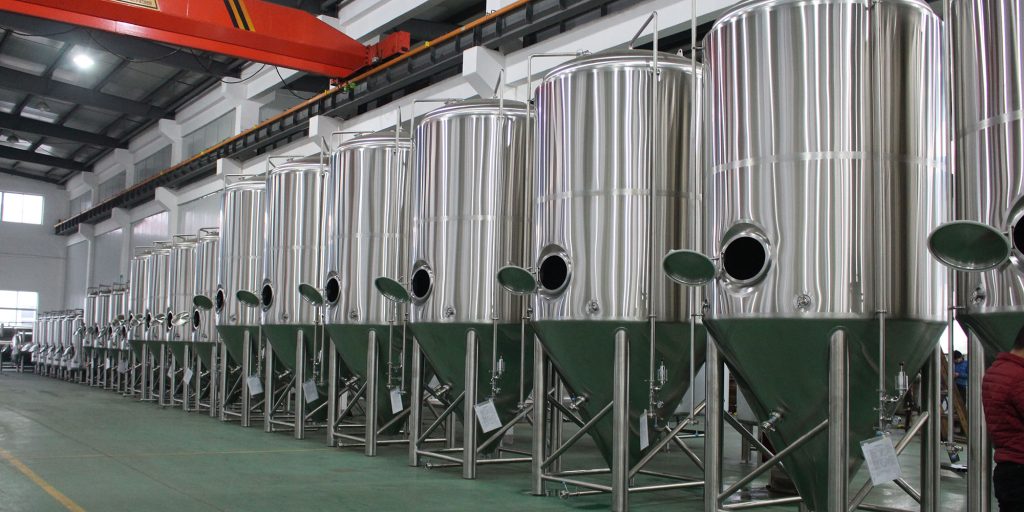
At SKE, we build professional beer equipment. We understand the global beer market. Many brewers begin with a simple jar. Later, they scale up to commercial tanks. This guide explains how jar fermentation works. It also shows why SKE equipment helps you move from homebrewing to running a global brewery.
What Is Jar Fermentation?
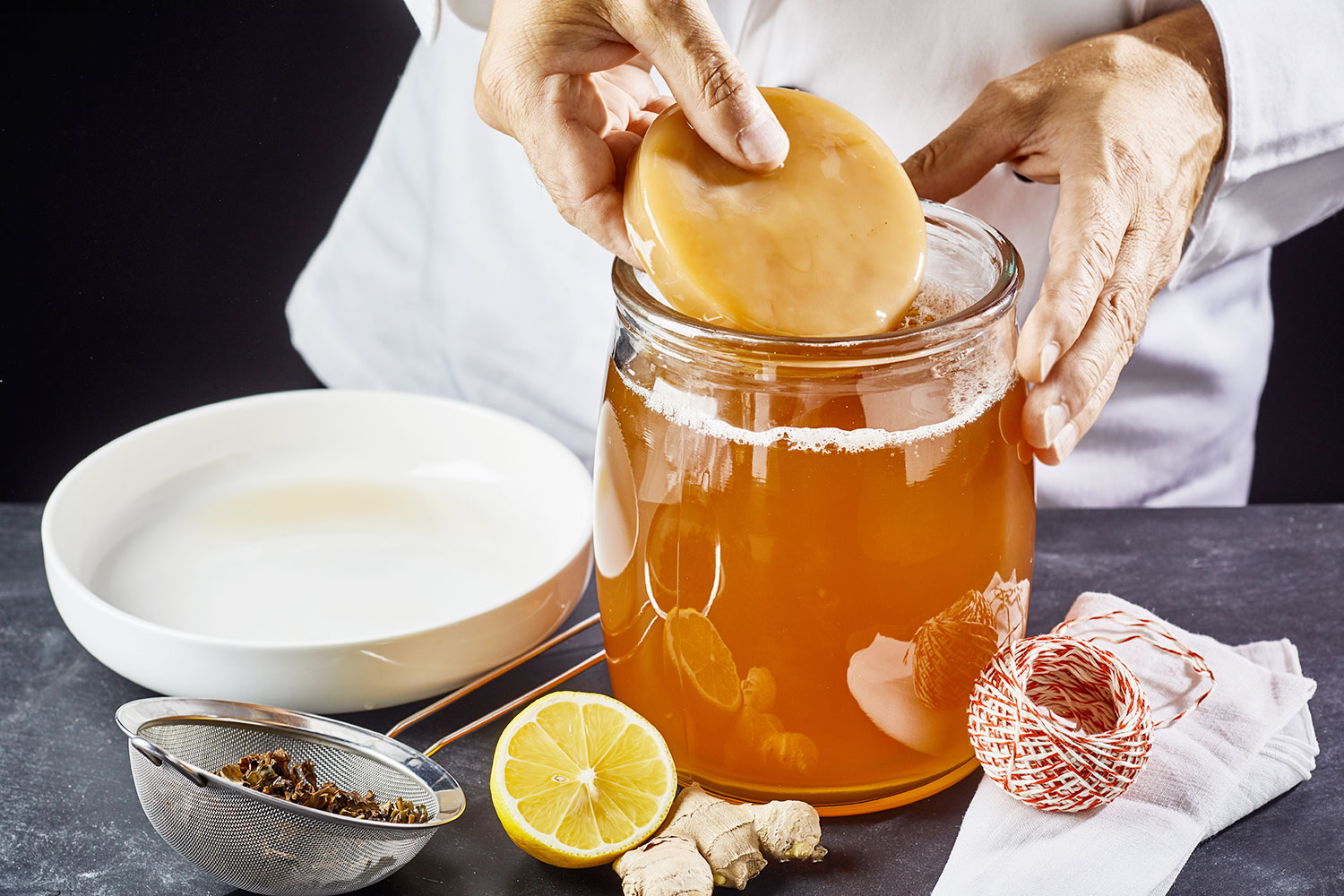
Jar fermentation means using a glass or ceramic jar as your main brewing vessel. Homebrewers love this method. You place your wort (unfermented beer) inside a clean jar. You add yeast. You seal the jar with an airlock. The airlock lets CO₂ escape but keeps oxygen out.
Why use a jar? Because glass lets you see everything. You watch the foam rise. You see the yeast sink to the bottom. This visibility helps you learn. You understand when fermentation starts and ends.
However, jars have limits. Glass breaks easily. Sunlight damages the beer. Also, jars cannot hold pressure. For a homebrewer, these problems are small. For a commercial global brewery, they are huge. That is why professionals switch to stainless steel. SKE provides these professional solutions.
Why Does Fermentation Matter for Global Beer?
Fermentation changes sweet liquid into alcoholic beer. Yeast does the hard work. Without fermentation, you only have sugary water. With good fermentation, you get global beer styles like lager, ale, or stout.
The global beer market grows every year. Consumers want new flavors. They want consistent quality. Jar fermentation helps brewers test new recipes. You make a small batch in a jar. You check the taste. If you like it, you scale up.
But scaling up brings challenges. Big tanks generate more heat. Yeast gets stressed. This changes the flavor. SKE designs equipment that solves these problems. We give you the same control as a jar, but for 1000 liters or more.
How to Start Jar Fermentation at Home
Starting jar fermentation is easy. Follow these simple steps:
-
Clean your jar well – Use hot water and sanitizer. Any bacteria ruins your beer.
-
Prepare your wort – Boil water, malt, and hops. Cool it down quickly.
-
Add yeast – Pour the yeast into the jar. Seal with an airlock.
-
Wait 7–14 days – Keep the jar at a stable temperature (18–22°C for ales).
-
Bottle your beer – Add a little sugar. Seal the bottles. Wait another week.
You see? Jar fermentation gives you full control. You learn the brewing process from start to finish. SKE supports this learning. We believe that great brewers start small.
 Limitations of Jar Fermentation (And How SKE Solves Them)
Jar fermentation works for small batches. But it fails for commercial production. Let us look at the main limits.
Limit 1: Temperature Control
A jar sits at room temperature. If your room gets hot (28°C+), the yeast makes bad flavors. You cannot cool a jar easily.
SKE solution: Our tanks use glycol cooling jackets. You set the exact temperature. The system keeps it stable.
Limit 2: Oxygen Exposure
When you open a jar, oxygen enters. Oxygen stales beer quickly.
SKE solution: Our equipment uses closed transfers. Beer moves from tank to tank without touching air.
Limit 3: Breakage and Safety
Glass jars break. Broken glass ruins your batch and cuts your hands.
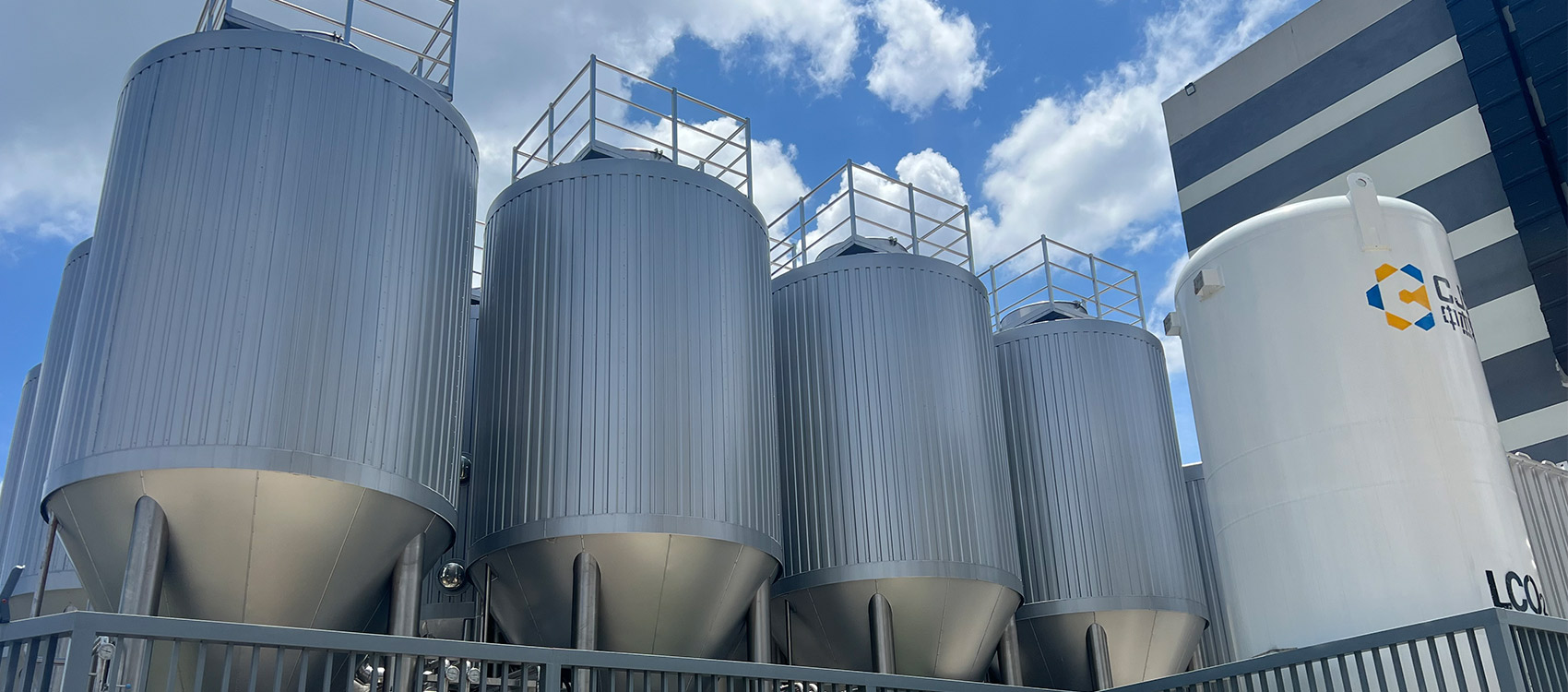
SKE solution: We use 304 and 316L stainless steel. Strong, safe, and lasts for decades.
Limit 4: Small Volume
A jar holds 1–5 gallons. You cannot sell that much.
SKE solution: We build tanks from 1 hectoliter (26 gallons) to 500 hectoliters (13,200 gallons).
Jar Fermentation vs. SKE Professional Tanks
The table below compares jar fermentation with SKE professional equipment. Use this table to see why serious brewers upgrade.
| Feature | Jar Fermentation | SKE Stainless Steel Tank |
|---|---|---|
| Material | Glass (fragile) | Stainless steel (very strong) |
| Temperature control | None (room temperature only) | Yes (glycol cooling jacket) |
| Oxygen protection | Poor (open lid) | Excellent (closed system) |
| Pressure safety | No pressure (needs airlock) | Up to 15 PSI (safe for carbonation) |
| Batch size | 1–5 gallons | 26–13,200 gallons |
| Cleaning method | Hand wash | CIP (automatic cleaning) |
| Yeast reuse | Difficult | Easy (conical bottom) |
As you see, jars help you learn. But SKE tanks help you earn. You produce consistent, high-quality beer at scale.
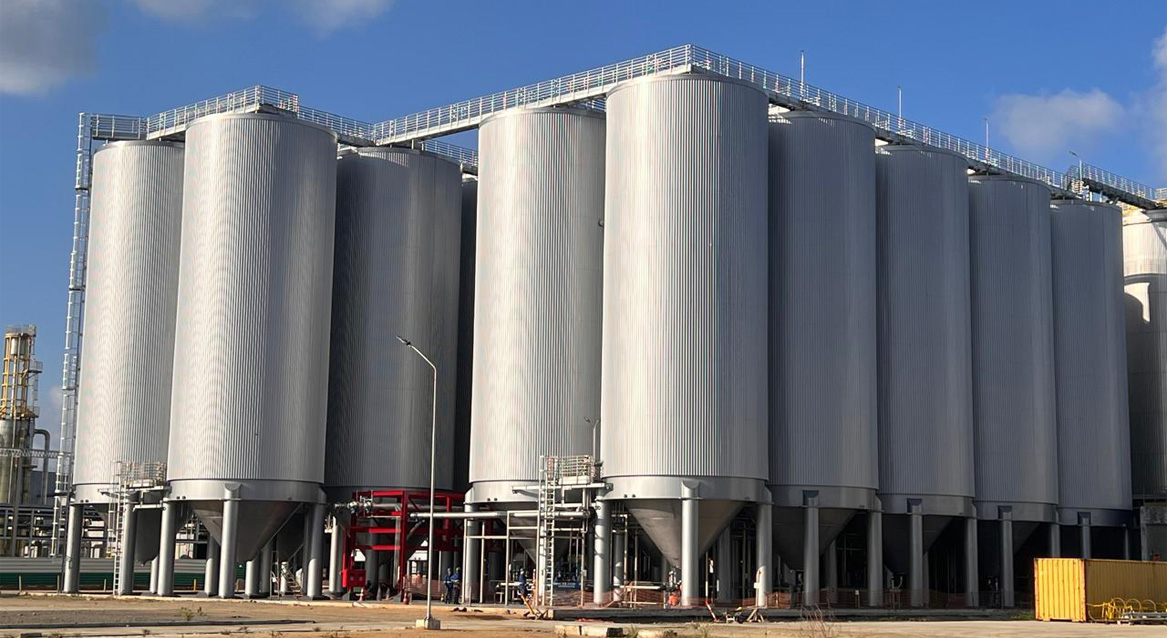
How SKE Supports Global Breweries
When you buy SKE equipment, you get more than a tank. You get:
-
Custom designs – We match your space and volume needs.
-
Certified quality – Our tanks meet CE, ASME, and AS1210 standards.
-
Training support – We teach your team how to use the equipment.
-
After-sales service – We help you with maintenance and spare parts.
Many of our clients started with jar fermentation. They used SKE to scale up successfully. Now they sell global beer in their local markets. You can do the same.
Three Tips for Better Fermentation (Any Scale)
These tips apply to jar fermentation and to professional SKE tanks. Follow them for better beer.
Tip 1: Sanitize everything
Yeast is strong, but bacteria are stronger. Use a proper sanitizer. Do not skip this step.
Tip 2: Control your temperature
For ales: 18–22°C. For lagers: 7–13°C. If you use a jar, place it in a cool room. If you use an SKE tank, set the glycol chiller.
Tip 3: Be patient
Do not rush fermentation. Let the yeast finish its work. Wait at least two weeks before bottling or packaging.
Sustainability in Modern Brewing
The global beer industry uses a lot of water and energy. Jar fermentation uses less energy per batch, but cleaning glass jars wastes water. Also, glass recycling has a high carbon footprint.
SKE builds sustainable equipment. Our tanks feature:
-
High insulation – Reduces cooling energy by 30%.
-
Water-saving CIP – Cleans tanks with less water.
-
Durable materials – One tank lasts 20+ years, reducing waste.
We help breweries lower their environmental impact. Good for the planet. Good for business.

The Future of Fermentation Technology
Technology changes brewing. Jar fermentation remains popular for homebrewers. But commercial global breweries need automation.
SKE now integrates smart sensors into our tanks. You monitor the fermentation from your phone. You check the temperature, pressure, and sugar levels in real time. This gives you the same visibility as a glass jar, but with professional accuracy.
The future belongs to brewers who combine art and science. SKE provides the tools. You provide the creativity.
Conclusion
Jar fermentation teaches you the heart of brewing. You learn about yeast, temperature, and sanitation. You see the magic happen. But when you want to sell your beer, you need professional equipment.
SKE builds that equipment. We help you move from a 1-gallon jar to a 500-hectoliter brewhouse. We support the global beer market with reliable, safe, and efficient tanks.
Do you have a recipe that works in a jar? Contact SKE today. We will help you scale it up.
Frequently Asked Questions (FAQ)
Q1: Can I use any glass jar for fermentation?
Yes, but use a food-grade glass jar. Do not seal it completely. Always use an airlock to release CO₂.
Q2: Is jar fermentation safe?
Yes, if you follow the rules. Clean the jar well. Do not close it tightly. Keep it away from direct sunlight.
Q3: Why do commercial breweries use stainless steel?
Stainless steel is strong, easy to clean, and protects beer from light and oxygen. SKE stainless steel tanks also control temperature and pressure.
Q4: How does SKE help global breweries?
SKE designs and builds custom brewing systems. We provide tanks, training, and support. Our clients brew consistent global beer styles at a large volume.
Q5: Can I reuse yeast from jar fermentation?
You can, but it is difficult. In an SKE conical tank, the yeast collects at the bottom. You simply drain the yeast and reuse it for the next batch.
Q6: How do I clean an SKE tank?
Use our CIP (Clean-In-Place) system. It sprays hot water and cleaning solution inside the tank. You do not need to open or enter the tank.
Contact Us
If you have any further questions, feel free to reach out!
- Facebook: SKE Equipment Facebook
- Email: info@skeequipment.com
For more personalized assistance, please fill out the contact form at the bottom of this page. We look forward to helping you with your brewing needs!