Have you ever opened a cold bottle of your favorite lager and wondered how it was made? The journey from simple grains to a flavorful drink is a fascinating one. For many home drinkers, beer is just a refreshment. However, for brewing experts and equipment manufacturers like SKE, it is a precise science.
The beer brewing process has been refined over thousands of years. Today, it combines tradition with modern technology. This allows the biggest beer brands in the world to produce millions of barrels every year with consistent taste.
In this article, we will walk you through every step of brewing. We will also look at how big beer brands use industrial equipment to scale up these steps. By the end, you will understand why brewing is both an art and an engineering challenge.
Whether you are a craft brewer or just a curious drinker, this guide is for you. Let’s start the journey from grain to glass.
What is the Beer Brewing Process? A Simple Overview
Before we dive into details, let’s look at the big picture. The beer brewing process turns starches into sugar, and then sugar into alcohol. It involves four main ingredients: water, malted grains (usually barley), hops, and yeast.
In simple terms, here is what happens:
-
Mashing: Grains are soaked in hot water to release sugars.
-
Boiling: The liquid (now called wort) is boiled with hops for flavor.
-
Fermenting: Yeast is added to turn sugar into alcohol.
-
Conditioning: The beer ages to develop its final taste.
For the biggest beer brands, such as Budweiser, Heineken, and Carlsberg, consistency is key. They cannot afford variations in taste. Therefore, they use highly automated brewing systems. Companies like SKE provide the stainless steel tanks and control systems needed for this scale.
Every big brand follows this core recipe, but they adjust time, temperature, and ingredients to create their signature flavors. Let’s explore each step in detail.
Step 1: Milling and Mashing – Creating the Sugar Base
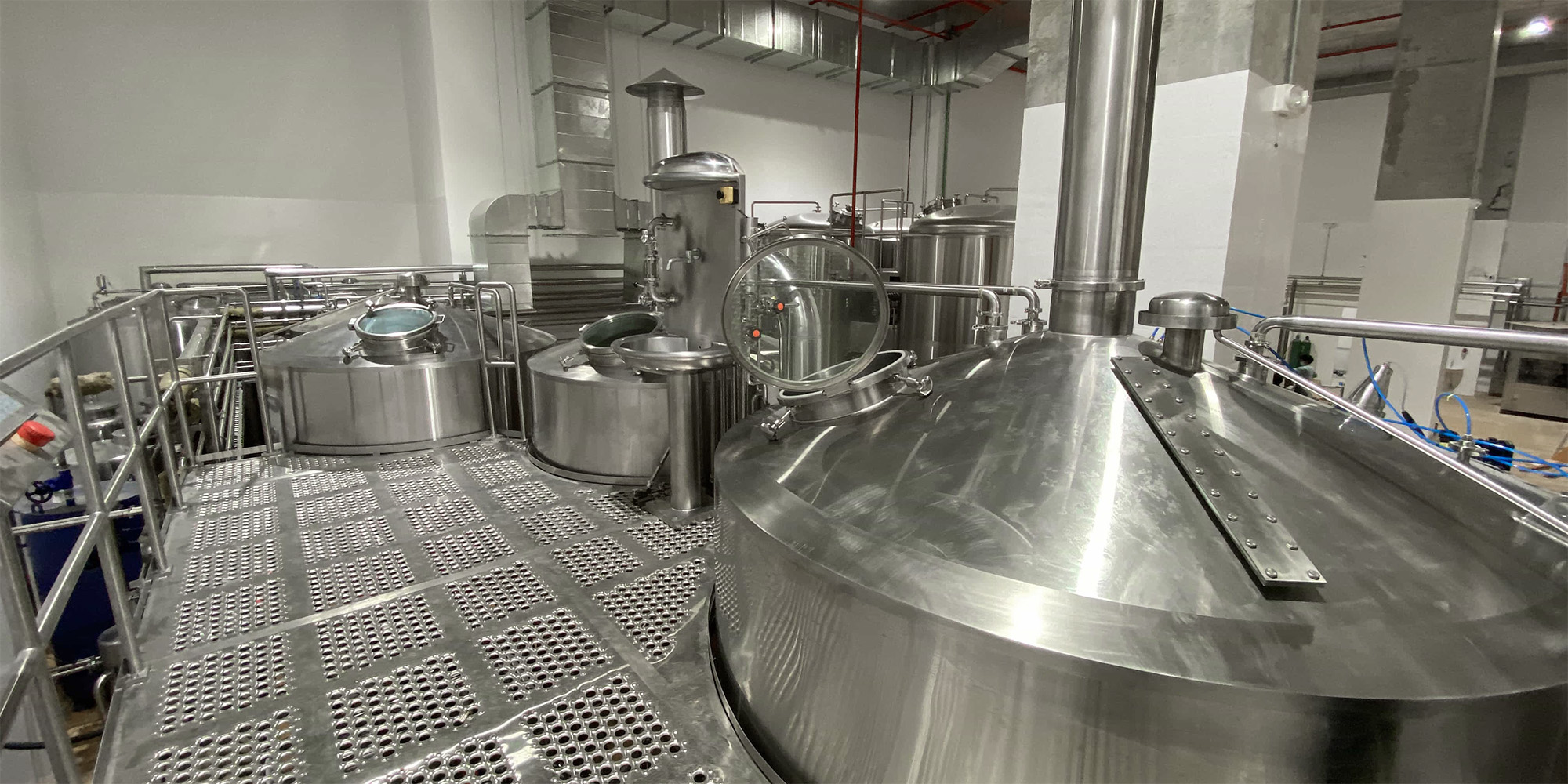
The first physical step in the beer brewing process is milling. The brewer takes malted barley and runs it through a mill. This cracks the grains open. However, the mill does not turn them into fine powder. Keeping the husks mostly intact helps later with filtering.
Once milled, the grains move to a large tank called a mash tun. Here, they mix with hot water. This mixture is called the mash. The temperature is carefully controlled, usually between 65°C and 68°C (149°F to 154°F).
Why is temperature so important? Because heat activates natural enzymes in the malt. These enzymes cut the long starch chains into simple sugars. This sugar is what the yeast will eat later.
The biggest beer brands use massive mash tuns made of high-quality steel. For example, a factory producing for a big beer brand like Corona might mash 20 tons of grain at once. SKE manufactures such industrial equipment to ensure even heat distribution.
This mashing step usually takes about one hour. At the end, you have a sweet liquid full of sugar and spent grains. The next step is to separate the liquid from the solids.
Step 2: Lautering – Separating Sweet Wort from Grains
After mashing, the mixture contains both liquid sugar (wort) and solid grain particles. The brewer needs to separate these. This step is called lautering.
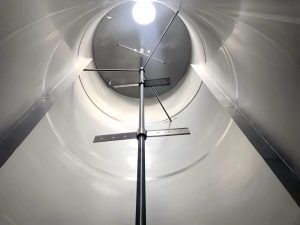
The mash is transferred to a lauter tun. This vessel has a false bottom with small slits. The liquid drains through the slits, but the solid grains stay on top. As the liquid drains, brewers spray hot water over the grains to rinse off any remaining sugar. This process is called sparging.
For home brewers, this is a manual process. But for big beer brands, this is highly automated. Efficiency is critical here. If you leave too much sugar in the grains, you lose money. If you extract too many harsh tannins, the beer tastes bad.
At this stage, the wort does not taste like beer yet. It is very sweet, like a thin cereal water. To turn it into beer, we need to boil it and add hops.
Step 3: Boiling and Hopping – Adding Bitterness and Aroma
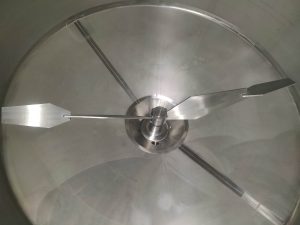
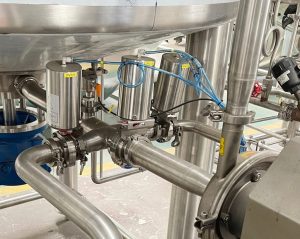
Now we have the wort, but it is not safe yet. Raw wort contains bacteria and wild yeast. The next step in the beer brewing process is boiling. The wort is pumped into a large kettle and brought to a rolling boil. Boiling sterilizes the liquid.
But boiling does more than just kill germs. This is also when brewers add hops. Hops are small green flowers that grow on vines. They balance the sweetness of the malt with bitterness.
The timing of hop additions changes the beer’s character:
-
Early additions (60 minutes left in boil): Create strong bitterness.
-
Mid additions (15-30 minutes left): Contribute flavor.
-
Late additions (0-5 minutes left): Add aroma without much bitterness.
The biggest beer brands use hop extracts or pellets to ensure consistency. For example, Heineken has a very stable bitterness level in every bottle worldwide. Achieving this requires precise control over the boiling process.
After boiling, the wort is whirlpooled to remove solid hop particles and protein clumps. Now we have a clean, bitter, sterile liquid. It is ready for fermentation.
Step 4: Fermentation – Yeast Creates Alcohol and CO2
This is the magic step. Without fermentation, you just have sweet hop water. With fermentation, you get beer. The brewer cools the wort down to a specific temperature (depending on the yeast type). Then, they add yeast.
Yeast is a single-celled fungus. It eats the sugar in the wort. Inside the yeast cell, enzymes break sugar down into two main products: ethyl alcohol (ethanol) and carbon dioxide (CO2). This is the beer brewing process at its chemical heart.
There are two main families of yeast used by big beer brands:
-
Ale Yeast (S. cerevisiae): Works at warmer temperatures (15-24°C / 60-75°F). It ferments quickly and creates fruity flavors.
-
Lager Yeast (S. pastorianus): Works at cold temperatures (7-13°C / 45-55°F). It ferments slowly and creates clean, crisp flavors.
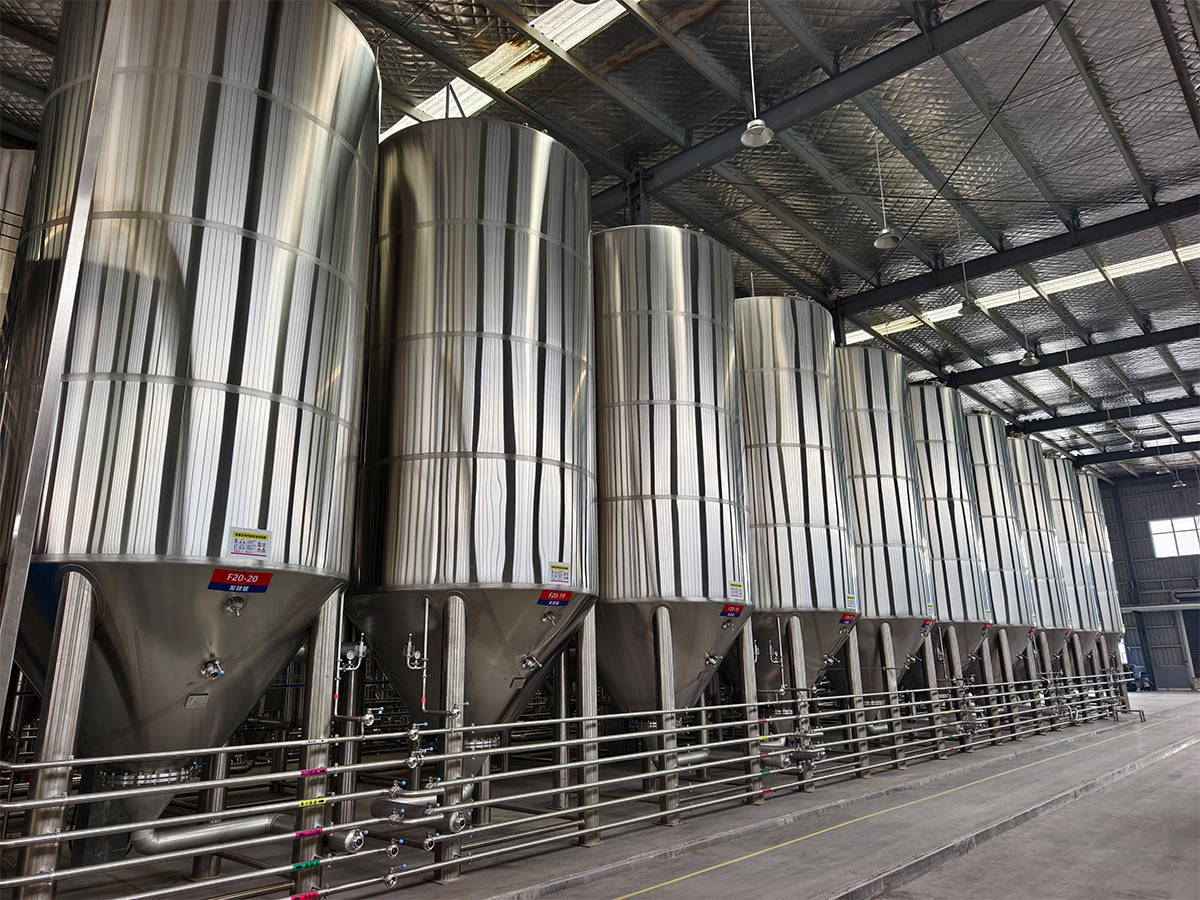
Most of the biggest beer brands produce lagers. Budweiser, Stella Artois, and Tsingtao are all lagers. They require large, jacketed fermentation tanks to keep the beer cold.
SKE provides cylindroconical tanks that handle pressure and temperature control. During fermentation, the CO2 is either vented or captured for carbonation later. The process takes anywhere from one week (for ales) to three weeks (for lagers).
As fermentation ends, the yeast flocculates (clumps together) and falls to the bottom. The young beer is now green or “flat” — it still needs aging.
Step 5: Conditioning and Maturation – Smoothing the Flavor
Freshly fermented beer is often harsh. It may have off-flavors like diacetyl (buttery taste) or acetaldehyde (green apple taste). The conditioning step fixes this. The beer is transferred to a second tank for maturation.
During conditioning, several things happen:
-
Remaining yeast cleans up unwanted byproducts.
-
Harsh bitterness becomes smoother.
-
Flavors blend together.
-
The beer naturally carbonates if kept under pressure.
For big beer brands, time is money. But they cannot rush conditioning. Budweiser, for example, uses beechwood aging. They add beechwood chips to the tank to increase surface area for the yeast. This speeds up maturation without cutting corners.
Lagering (from the German word “lagern” meaning to store) can take 2 to 6 weeks at near-freezing temperatures. Ales condition faster, usually 1 to 2 weeks.
SKE manufactures bright beer tanks specifically for this stage. These tanks are pressure-rated and have cooling jackets. They allow brewers to fine-tune the temperature to the exact degree.
After conditioning, the beer is bright and clear. It has a stable flavor profile. It is finally ready for filtration, carbonation adjustment, and packaging.
Step 6: Filtration and Packaging – From Tank to Consumer
The final stage of the beer brewing process prepares the beer for drinking. Most commercial beers are filtered to remove remaining yeast and haze. This creates a bright, shiny liquid. However, some craft beers skip filtration to keep more flavor.
Filtration can be done with:
-
Diatomaceous earth (powdered fossilized algae)
-
Membrane filters (very fine sheets)
-
Centrifuges (spinning force)
After filtration, the brewer adjusts the carbonation level. Fermentation naturally creates CO2, but the brewer may add a bit more to hit the target volume.
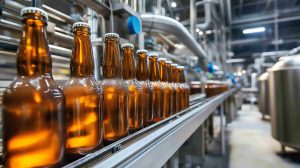
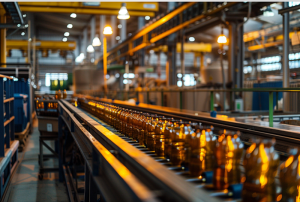
Then comes packaging. The biggest beer brands fill millions of bottles, cans, and kegs every day. Canning lines run at speeds of over 2,000 cans per minute. This requires extreme precision to avoid oxygen pickup (which ruins beer).
For example, big beer brands like Heineken use flash pasteurization. They heat the beer for a few seconds to kill any remaining microbes. This gives the beer a long shelf life.
SKE provides complete brewhouse solutions, including packaging support systems. While we focus on the brewhouse and fermentation side, we ensure our tanks are compatible with high-speed filling lines.
How Big Beer Brands Scale the Brewing Process
It is one thing to brew 20 liters at home. It is another thing entirely to brew 20 million hectoliters per year. The biggest beer brands have mastered industrial scaling. Let’s look at some numbers.
| Big Beer Brand | Annual Production (approx.) | Fermentation Style | Unique Process Feature |
|---|---|---|---|
| Budweiser (AB InBev) | 150+ million hectoliters | Cold Lager (Lagering) | Beechwood aging chips |
| Heineken | 50+ million hectoliters | Cold Lager | Horizontal lagering tanks |
| Carlsberg | 40+ million hectoliters | Cold Lager | “Saccharomyces carlsbergensis” yeast |
| Stella Artois | 30+ million hectoliters | Cold Lager | Higher hop bitterness |
| Corona (Constellation) | 25+ million hectoliters | Cold Lager | Sunlight protection (clear bottles) |
As you can see, the beer brewing process is largely the same for all. The differences lie in the details: temperature curves, yeast strains, water chemistry, and aging materials.
SKE helps breweries of all sizes adopt the technologies used by these giants. Whether you want a 500-liter craft system or a 5,000-liter industrial brewhouse, we provide the stainless steel vessels and control software.
Industrial brewing is not about changing the process. It is about controlling the process perfectly, every single time.
Frequently Asked Questions (FAQ)
Here are common questions people ask about the beer brewing process and big beer brands.
1. What is the most important step in the beer brewing process?
All steps are important, but fermentation is the heart of brewing. Without yeast, you cannot create alcohol. Even the biggest beer brands focus heavily on fermentation control because it determines 70% of the final flavor.
2. How long does the entire beer brewing process take?
For a typical lager from a big beer brand, the process takes 4 to 8 weeks. This includes mashing (1 day), fermentation (2-3 weeks), and lagering/conditioning (2-5 weeks). Ales are faster, at 2 to 3 weeks total.
3. Why do biggest beer brands taste very similar everywhere?
Because they use strict automation. Companies like SKE build brewing equipment with programmable logic controllers (PLCs). These systems copy the exact same temperature and time settings in every factory worldwide.
4. Can I brew beer like the big brands at home?
You can brew similar styles, but exact replication is hard. Big beer brands use specialized ingredients (like hop extracts) and filtration that home brewers cannot access. However, with basic equipment, you can make excellent lager or ale at home.
5. What does SKE manufacture for the brewing industry?
SKE manufactures stainless steel brewing equipment. This includes mash tuns, lauter tuns, boiling kettles, fermentation tanks, bright beer tanks, and full control systems. We serve both craft breweries and industrial producers.
Conclusion: Precision Engineering Meets Ancient Craft
The beer brewing process is a beautiful blend of nature and technology. From the ancient Sumerians to modern industrial giants, the goal remains the same: turn grain into a delicious, safe, and enjoyable drink.
Today, the biggest beer brands rely on advanced equipment to maintain quality. Whether it is the beechwood aging of Budweiser or the pure yeast strains of Carlsberg, consistency is king. And behind that consistency are companies like SKE building the tanks, pipes, and controllers.
If you are planning to start a brewery or upgrade your existing facility, understanding this process is your first step. You do not need to be as large as big beer brands overnight. But with the right equipment and knowledge, you can brew beer that competes with the best in the world.
If you have any further questions, feel free to reach out!
- Facebook: SKE Equipment Facebook
- Email: info@skeequipment.com
For more personalized assistance, please fill out the contact form at the bottom of this page. We look forward to helping you with your brewing needs!