
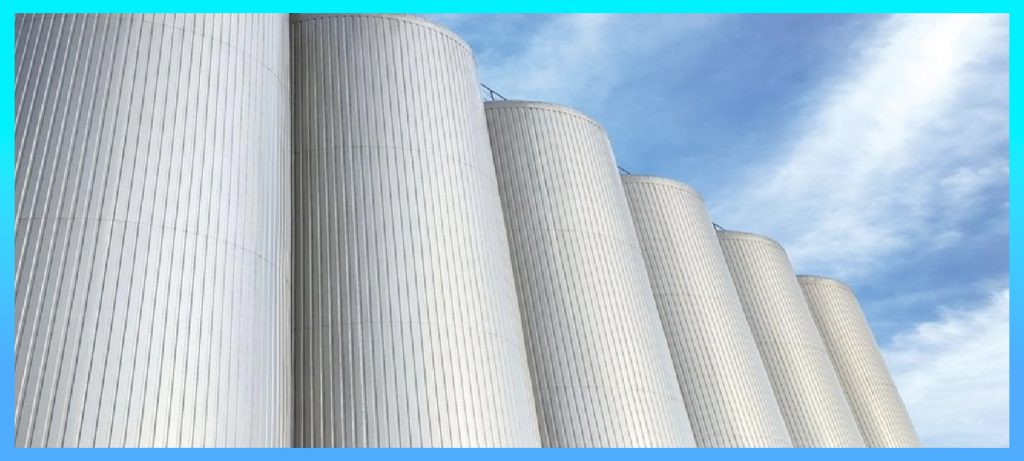
Water is the most important ingredient in beer. It makes up about 90 to 95 percent of the final product. For any brewery, having a reliable and clean water supply is not optional — it is a must. This is where a water storage tank becomes a core part of the brewing process.
Whether you work in a large industry city brewery or a smaller setup using commercial brewing systems, the way you store and manage water directly affects beer quality, consistency, and safety.
In this article, we will explain how water storage tanks work, why they are so important for different brewing environments, and what you should look for when choosing a tank.
Why Water Storage Matters in Brewing
Before we look at specific types of breweries, let us understand the basic role of water storage. In brewing, water is used for many tasks: mashing, sparging, boiling, cooling, and cleaning. Each of these steps requires water at a specific temperature and purity level.
A water storage tank allows a brewery to keep a large volume of water ready for use. It also helps control water temperature and protects water from contamination. Without proper storage, a brewery would have to rely on the city water supply in real time. This is risky because city water pressure and quality can change during the day.
For an industry city brewery, production volumes are very high. Any interruption in water supply can stop the entire production line. For smaller businesses using commercial brewing systems, a good water storage tank helps maintain consistent beer taste from batch to batch. In both cases, the tank is not just a container — it is a tool for quality control.
Types of Water Storage Tanks for Breweries
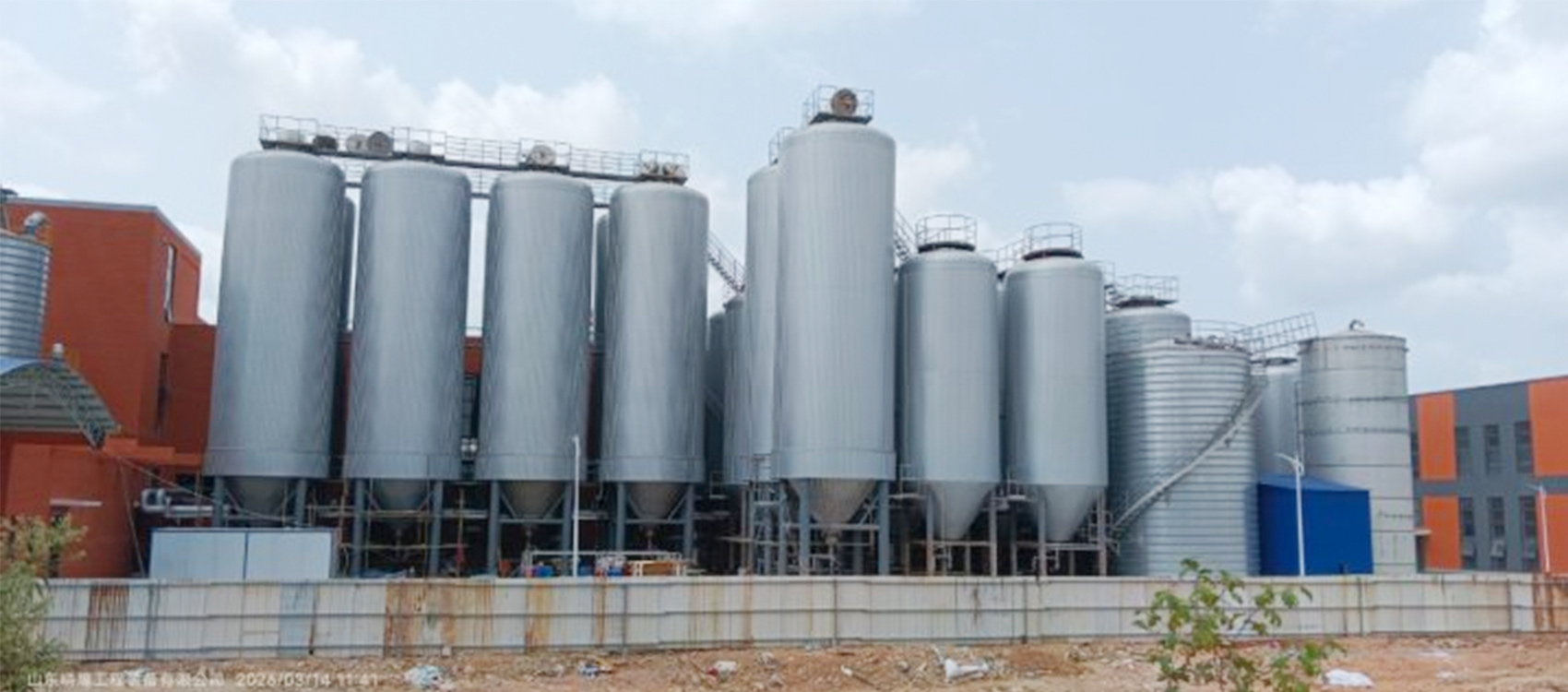
Not all water storage tanks are the same. Breweries need tanks made from food-grade materials, usually stainless steel. Stainless steel does not react with water and is easy to clean. It also prevents bacteria growth.
There are three main types of water storage tanks used in brewing:
-
Cold water storage tanks – These hold water at room temperature or chilled temperature. They are used for mashing, sparging, and cleaning.
-
Hot water storage tanks – These keep water heated, often to 75–85°C. Hot water is needed for mashing and for cleaning equipment (CIP – Clean in Place).
-
Mixed or dual-purpose tanks – Some tanks can both heat and cool water. These are more common in medium-sized breweries.
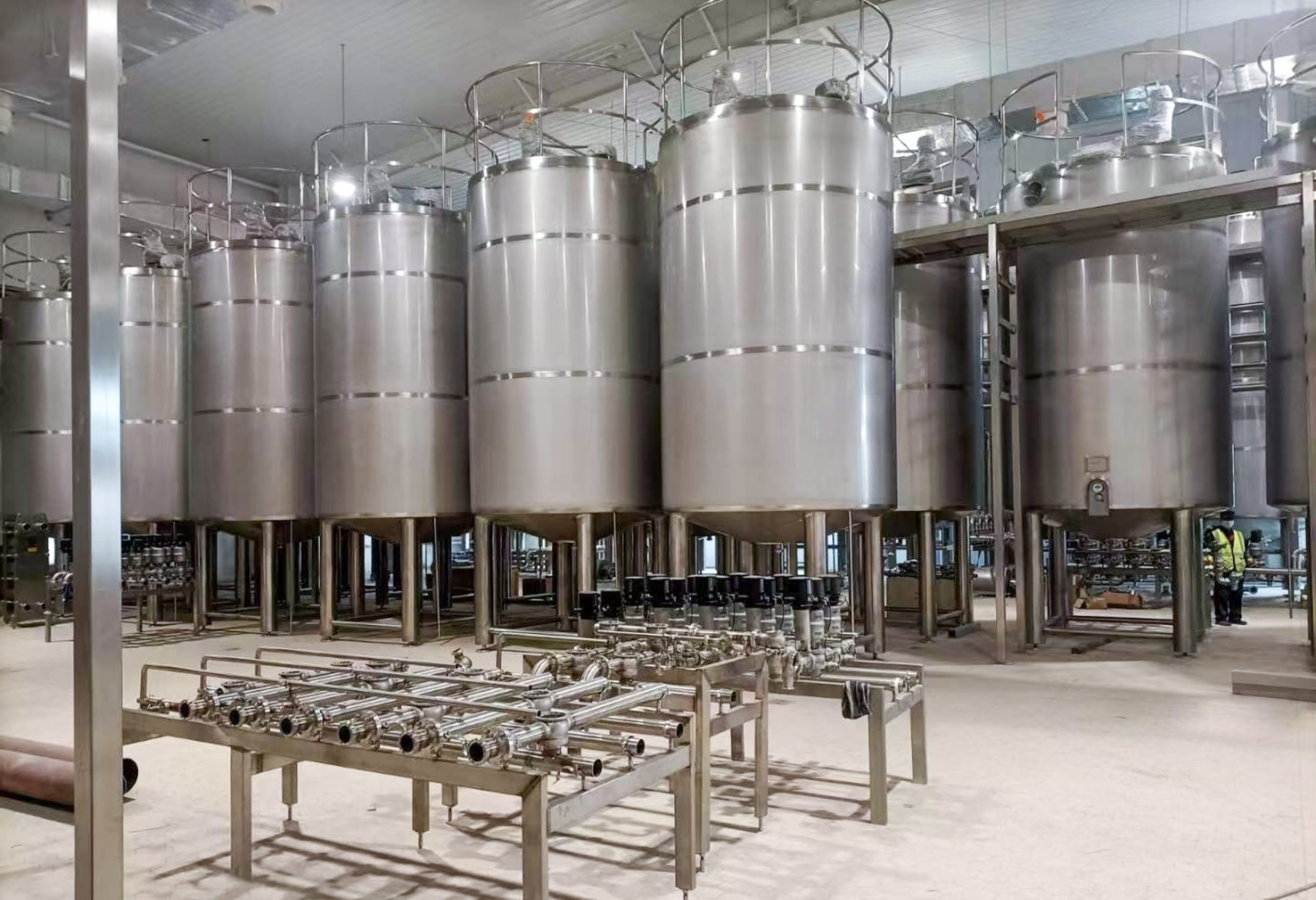
In an industry city brewery, you will often see large vertical tanks with insulation and temperature sensors. In commercial brewing systems for brewpubs or small factories, tanks are smaller but still made to the same food safety standards.
SKE manufactures all three types. We design our tanks to meet international brewing standards.
The Industry City Brewery: High Demand, High Reliability
An industry city brewery is a large production facility located in or near a city. These breweries produce millions of liters of beer per year. They run 24 hours a day, seven days a week. For such a brewery, water storage is a matter of industrial planning.
These breweries usually have a central water treatment system. Water comes from the city supply, then passes through filters, softeners, and reverse osmosis units. After treatment, the water goes into large water storage tanks. From there, it is distributed to different parts of the brewery: the brewhouse, the fermentation area, the bottling line, and the cleaning station.
A typical industry city brewery may have several water storage tanks with a total capacity of over 100,000 liters. Some tanks are dedicated to hot water, others to cold water. The tanks are connected by pipes and controlled by an automated system. Operators can check water levels and temperatures from a central computer.
Without this system, the brewery could not operate efficiently. Water storage tanks smooth out peaks in demand. For example, during cleaning hours, the brewery may need a large amount of hot water in a short time. The hot water storage tank provides that volume instantly.
Commercial Brewing Systems: Flexibility and Space Saving
Now let us look at a different scale. Commercial brewing systems are used by brewpubs, microbreweries, and small craft beer factories. These systems usually produce between 500 and 10,000 liters per batch. Space is often limited, especially in city locations.
For these users, a water storage tank must be compact, efficient, and easy to install. Many commercial brewing systems include a combined hot liquor tank (HLT) and cold water tank as part of the package. The HLT is a type of water storage tank that holds hot water for mashing and sparging.
In a small brewery, water storage tanks are often placed next to the brewhouse or even above it to save floor space. Some tanks are mounted on frames with wheels for mobility. Others are fixed but designed to fit through standard doorways.
SKE offers a range of water storage tanks for commercial brewing systems. Our tanks have sanitary welds, polished interiors, and insulated walls. We also offer custom sizes so you can match the tank to your production volume.
A good water storage tank for a commercial brewery should have:
-
A volume that supports at least two brew cycles
-
An insulation layer to keep heat or cold
-
A level indicator (sight glass or digital sensor)
-
A CIP spray ball for easy cleaning
Comparison Table: Water Storage Tanks by Brewery Type
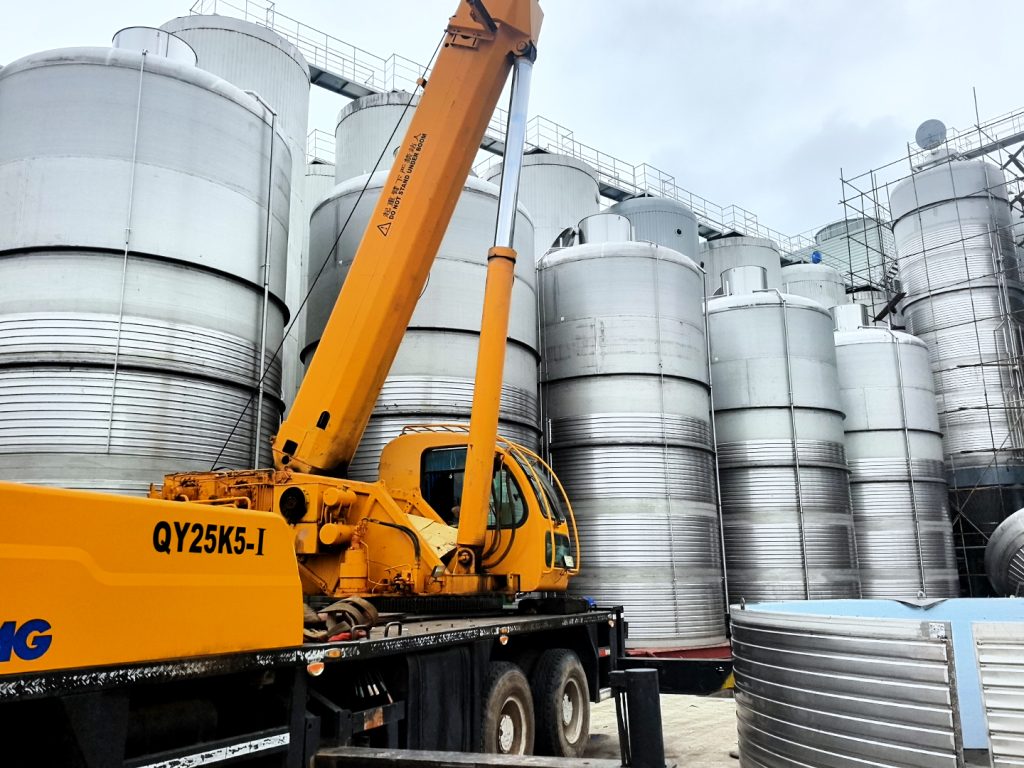
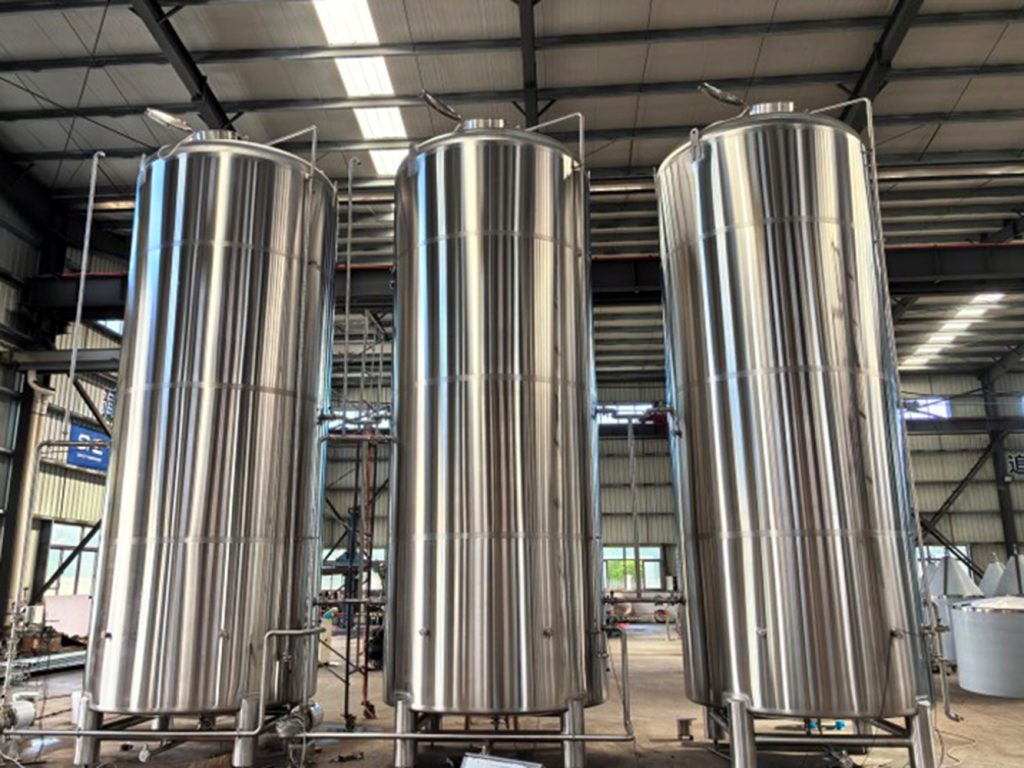
Below is a table that compares how water storage tanks are used in different brewing environments. This table is based on SKE’s experience working with breweries around the world.
| Feature | Industry City Brewery | Commercial Brewing Systems (Microbrewery) |
|---|---|---|
| Typical tank volume | 10,000 – 100,000+ liters | 500 – 10,000 liters |
| Number of tanks | 5 or more | 1 to 3 |
| Material | Stainless steel 304 or 316 | Stainless steel 304 |
| Insulation | Yes, thick layer | Yes, standard layer |
| Temperature control | Automated with PLC | Manual or semi-automated |
| Cleaning system | Fixed CIP circuit | Portable or built-in CIP |
| Space required | Large industrial area | Small to medium room |
| Cost level | Very high | Moderate |
| Main purpose | Continuous production | Batch flexibility |
This table shows that both types of breweries need water storage tanks, but the scale and complexity are different. SKE produces equipment for both segments.
Maintenance and Cleaning of Water Storage Tanks
A water storage tank must be kept clean. If biofilm or sediment builds up inside the tank, it can change the taste of your beer. In the worst case, bacteria can grow and spoil an entire batch.
Cleaning a water storage tank is done using a CIP (Clean in Place) system. A CIP system pumps hot water and cleaning chemicals through spray balls inside the tank. The spray reaches all interior surfaces.
For an industry city brewery, CIP is fully automated. The system runs a cleaning cycle after a set number of hours or after each tank emptying.
For smaller commercial brewing systems, you can use a portable CIP cart. You connect the cart to the tank, and the cart pumps the cleaning solution. Many brewers clean their water storage tanks once a week or after every 5 to 10 brews.
Energy Efficiency and Insulation
Water heating is one of the largest energy costs in a brewery. A well-insulated water storage tank reduces heat loss. This means you spend less energy to keep water hot.
For an industry city brewery, even a 5 percent reduction in heat loss can save thousands of dollars per year. For commercial brewing systems, the savings are smaller but still important for profitability.
SKE uses polyurethane foam insulation in our water storage tanks. This material has very low thermal conductivity. Our tanks also have a cladding of stainless steel or aluminum on the outside to protect the insulation.
Another energy-saving idea is to install a heat recovery system. This system captures heat from the wort cooler and uses it to preheat water in the storage tank. SKE can integrate this into your brewing setup.
FAQ: Water Storage Tanks for Brewing
Here are answers to common questions from brewers who are planning to buy a water storage tank.
Q1: Do I really need a separate water storage tank for my brewery?
Yes. Directly using city water without storage is risky. Water pressure and quality can change during the day. A water storage tank gives you a stable, ready-to-use supply. It also allows you to treat and heat water before brewing.
Q2: What size water storage tank do I need for a commercial brewery?
For commercial brewing systems, a good rule is to have storage for twice your batch volume. For example, if you make 1,000 liters per batch, get a 2,000-liter tank. SKE can help you calculate the exact size.
Q3: Can I use the same tank for hot and cold water?
Technically yes, but it is not efficient. Changing the temperature of a large tank takes time and energy. Most breweries use separate hot and cold water storage tanks. SKE recommends this approach.
Q4: How do I clean a water storage tank without a CIP system?
If you have a small commercial brewing system, you can clean manually. Use a soft brush and a food-safe cleaner. Rinse thoroughly with hot water. However, a simple CIP spray ball is better and not expensive. SKE offers small CIP kits for manual tanks.
Q5: What is the difference between a water storage tank and a hot liquor tank?
A hot liquor tank (HLT) is a type of water storage tank. The term “hot liquor tank” is traditional in brewing. “Liquor” means water. So an HLT is simply a water storage tank that holds hot water for mashing and sparging.
Conclusion
Water storage is a critical part of any brewery, big or small. A high-quality water storage tank helps you control water quality, temperature, and availability. For an industry city brewery, large automated tanks ensure non-stop production. For commercial brewing systems, smaller modular tanks give you flexibility and consistency.
SKE is a trusted manufacturer of brewing equipment. We design water storage tanks that are durable, easy to clean, and energy efficient. Whether you are planning a new brewery or upgrading an existing one, we can help.
If you have any further questions, feel free to reach out!
- Facebook: SKE Equipment Facebook
- Email: info@skeequipment.com
For more personalized assistance, please fill out the contact form at the bottom of this page. We look forward to helping you with your brewing needs!