
When you make beer, wine, or juice, you want your product to be safe. You also want it to taste good for a long time. But there is a problem. Harmful bacteria can grow in your drinks. If you heat the drink too much, you lose the flavor. If you heat it too little, the drink goes bad.
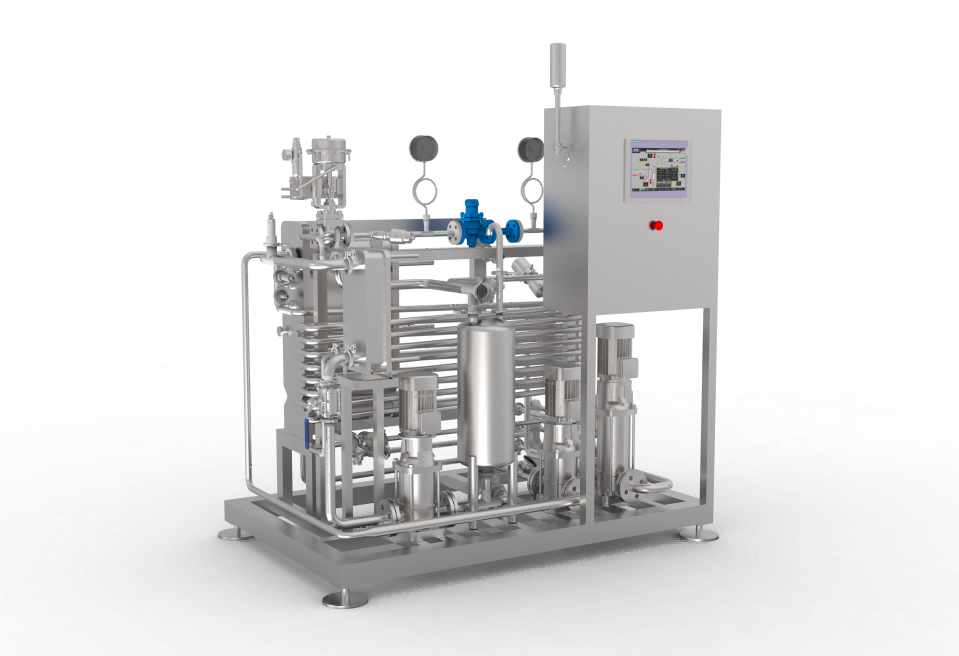
A Flash Pasteurizer solves this problem. This machine heats a liquid for a short time. Then it cools it down very fast. It kills harmful bacteria. But it keeps the fresh taste. Many companies use flash pasteurization for beverages like beer, cider, and soft drinks. Wineries also use flash pasteurization wine to stop fermentation and keep sweetness.
SKE is a professional beer equipment manufacturer. We build high-quality Flash Pasteurizers for breweries and drink factories. In this guide, we explain how this technology works. We also show why it is better than older methods.
How Does a Flash Pasteurizer Operate?
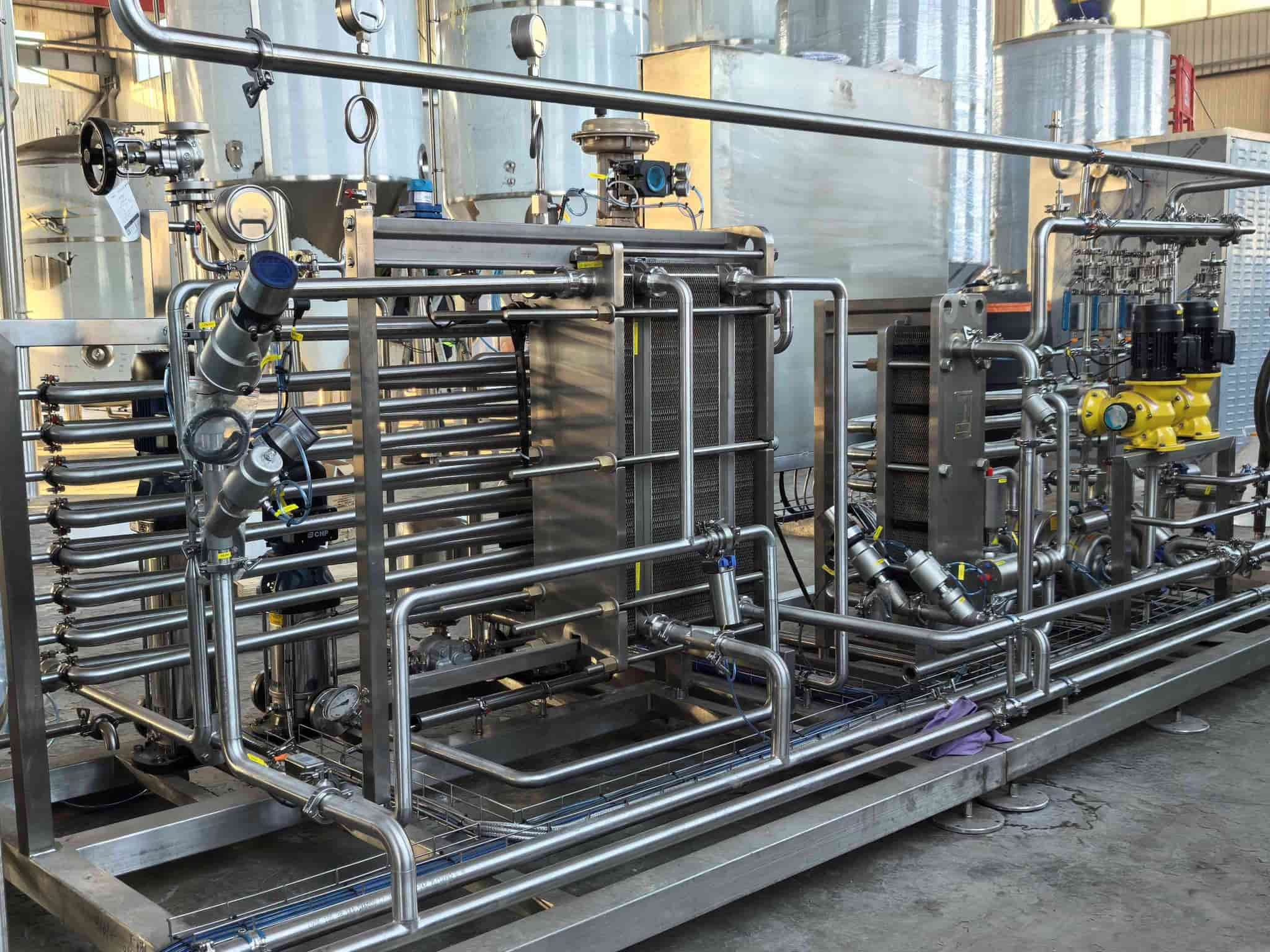
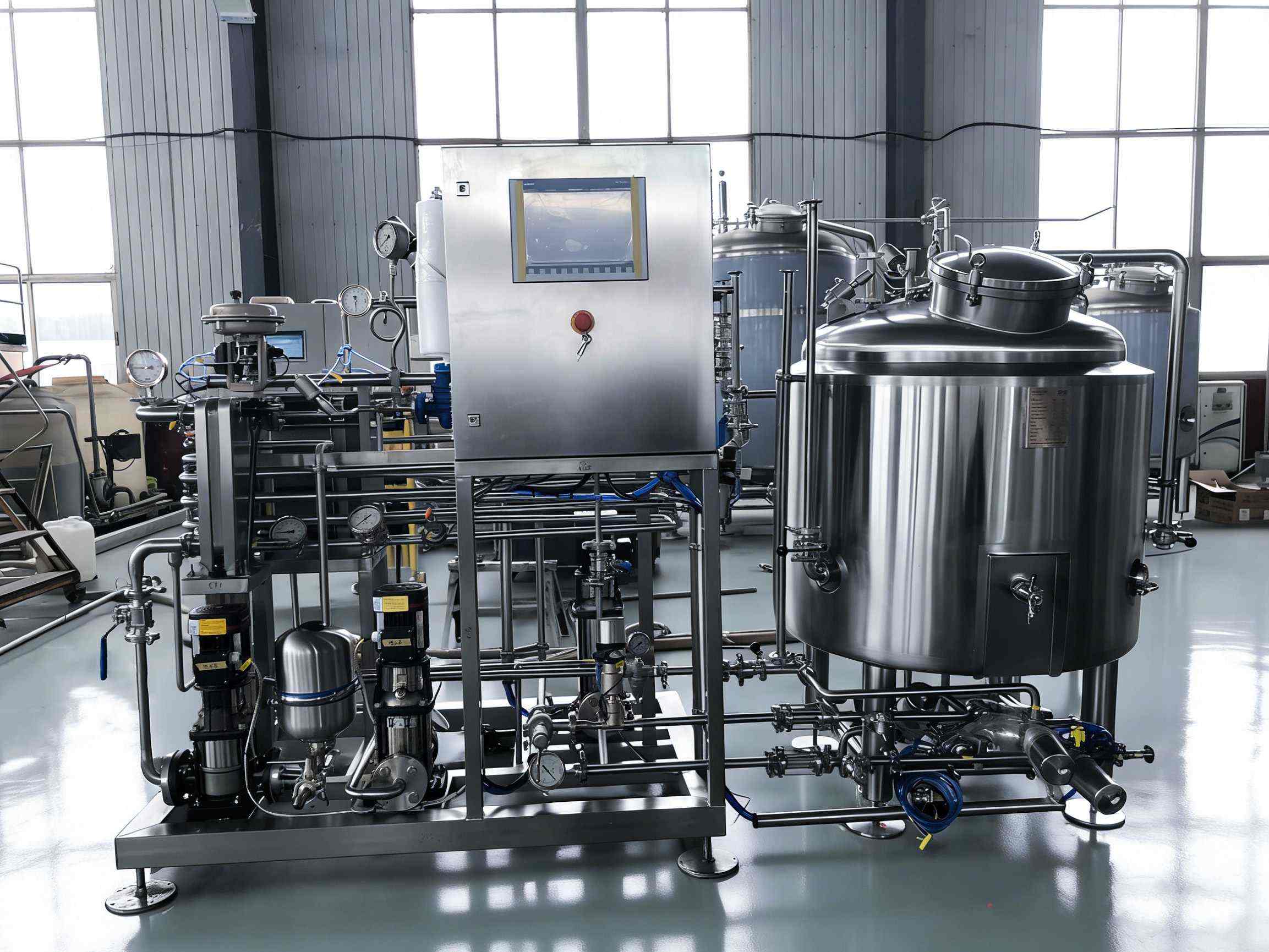
The working principle is straightforward. The machine contains three main components: a heating section, a holding tube, and a cooling section. The liquid flows through thin stainless steel plates. Hot water warms these plates. As a result, the liquid reaches the target temperature very quickly.
The temperature typically ranges from 72°C to 80°C (161°F to 176°F). However, the exposure time remains short, usually only 15 to 30 seconds. After heating, the liquid enters the holding tube. Here it maintains the same temperature for several seconds. This duration is sufficient to destroy all dangerous microorganisms.
Next, the liquid moves to the cooling section. Cold water or glycol reduces the temperature to 4°C (39°F) or lower. The entire cycle takes less than one minute. That is why we call it “flash” pasteurization.
For beer, this method works exceptionally well. It does not damage delicate hop aromas or subtle malt flavors. For flash pasteurization wine, it stops yeast activity completely. Consequently, the wine will not ferment again inside the bottle. This feature proves crucial for sweet wine varieties.
Flash Pasteurizer versus Tunnel Pasteurizer
Many breweries ask us a common question: should I select a flash pasteurizer or a tunnel pasteurizer? Both methods eliminate bacteria. However, they operate quite differently. Let us compare them in the table below.
| Feature | Flash Pasteurizer | Tunnel Pasteurizer |
|---|---|---|
| Heating duration | 15–30 seconds | 20–60 minutes |
| Energy consumption | Low | High |
| Space requirement | Small | Large |
| Impact on flavor | Preserves freshness | May create “cooked” taste |
| Water usage | Low | High |
| Ideal application | Beer, wine, juice | Canned beverages |
| Operating expense | Low | High |
As the table shows, a Flash Pasteurizer suits most beverages better. It saves energy and occupies less floor space. It also maintains the natural flavor profile. Tunnel pasteurizers still work adequately for cans. But for bottles or kegs, flash technology represents the modern choice.
SKE designs Flash Pasteurizers for both small craft breweries and large industrial facilities. The machine cleans easily using a CIP (Clean-In-Place) system.
Why Adopt Flash Pasteurization for Beverages?
You might wonder: my beer has already finished fermentation. Why do I need pasteurization? The answer centers on shelf life. Unpasteurized beer remains fresh for only a few weeks. It must stay refrigerated at all times. This requirement creates difficulties for transportation and storage.
After applying flash pasteurization for beverages, the shelf life extends to 6 or even 12 months. The beer can then remain at room temperature. It becomes safe for export markets. It will not turn sour or develop cloudiness.
This method offers several additional advantages. First, you eliminate the need for chemical preservatives. Customers prefer natural drinks. Pasteurization relies solely on heat. Second, you achieve consistent quality. Every bottle delivers the same taste experience. The machine automatically controls time and temperature parameters.
Third, the process operates quickly. You can treat 10,000 liters within a single hour. Fourth, maintenance remains simple. You can remove and clean the plates without difficulty. Many juice and tea producers also utilize this method. It preserves vitamins and bright colors effectively. For soft drinks, it prevents spoilage caused by yeast.
Flash Pasteurization Wine: A Crucial Step
Wine differs significantly from beer. Wine does not contain many live bacteria. However, it may harbor wild yeast strains. This yeast can restart fermentation inside the bottle. When this occurs, pressure builds up inside. The cork may pop out unexpectedly. Alternatively, a still wine may become fizzy against its intended style.
Flash pasteurization wine resolves this problem effectively. We heat the wine for 15 seconds at 72°C. This process kills all yeast cells. Then we cool the wine rapidly. The alcohol content remains unchanged. The flavor profile stays nearly identical. Yet the wine achieves complete stability.
SKE manufactures specialized Flash Pasteurizers for wine applications. The plates utilize high-grade stainless steel (316L). This material prevents any metallic taste transfer. We also integrate a deaeration system. This component removes dissolved oxygen before heating. As a result, the wine does not undergo oxidation.

How SKE Constructs a Flash Pasteurizer
At SKE, we do more than simply sell machines. We design each unit specifically for your beverage type. Here is our systematic process.
- First, we analyze your product. Tell us: is it beer, wine, juice, or milk? What pH level does it have? How much sugar does it contain? These factors determine the appropriate temperature and duration.
- Second, we calculate the required flow rate. How many liters per hour do you need? We properly size the heat exchanger plates. Too small a size leads to insufficient heating. Too large a size wastes energy.
- Third, we select suitable materials. Every component that contacts the liquid meets food grade standards. We use stainless steel 304 or 316L. Gaskets consist of EPDM or silicone rubber. You will never detect any rubber taste in your product.
- Fourth, we build the control panel. The operator sets the desired target temperature. The PLC (Programmable Logic Controller) automatically adjusts the hot water supply. If the temperature falls below the set point, a diversion valve returns the liquid to the tank. Only properly heated liquid proceeds forward.
- Fifth, we conduct factory testing. Before shipment, we run water through the system. Then we test with your actual beverage sample. We check for leaks, temperature accuracy, and cooling efficiency.
- Sixth, we handle installation and training. Our team can visit your facility. Alternatively, we provide detailed video guides. We train your staff on proper cleaning and maintenance procedures. Every SKE Flash Pasteurizer includes a 1-year warranty.
Troubleshooting Common Issues
Even well-built machines may encounter minor problems. Below are frequent issues with flash pasteurization for beverages along with practical solutions.
| Problem | Possible Cause | Solution |
|---|---|---|
| Drink tastes burnt | Holding time too long or temperature too high | Verify flow rate. Clean the heat exchanger plates. |
| Bacteria still present | Target temperature not achieved | Calibrate the temperature sensor. Check hot water supply. |
| Excessive foam formation | Dissolved gases expand when heated | Install a deaeration tower before the pasteurizer. |
| Plate leakage | Gaskets are old or deteriorated | Replace gaskets every 12–18 months. |
| High energy costs | Cooling water goes to waste | Install a regeneration section to recover heat. |
If you encounter any difficulty, SKE support remains available 24 hours a day, 7 days a week. We maintain an inventory of spare parts. You will never face prolonged production stoppages.
Frequently Asked Questions (FAQ)
Here are answers to common questions about flash pasteurization for beverages and flash pasteurization wine.
Q1: Does flash pasteurization alter the taste of beer?
A: No. The heating duration remains very short (15–30 seconds). Delicate hop aromas and malt flavors stay almost unchanged. Numerous blind taste tests have detected no difference.
Q2: Can I use one Flash Pasteurizer for both beer and wine?
A: Yes, but you must clean it thoroughly between different products. SKE machines include a CIP system. You can switch from wine to beer in approximately 30 minutes.
Q3: Is flash pasteurization the same as HTST?
A: Yes. HTST stands for High Temperature Short Time. “Flash” serves as the common marketing term for the same technology.
Q4: Do I need a pasteurizer for hazy IPA?
A: Hazy IPAs are sensitive to oxygen. Flash pasteurization with a deaeration system can work. However, many brewers prefer to keep them cold and unpasteurized. Ask SKE about our specialized low-oxygen design.
Q5: How frequently should I clean the plates?
A: Clean them after every production run. If you produce the same beverage all day, clean every 8 hours. A standard CIP cycle requires 45 minutes.
Conclusion: Why Partner with SKE
A Flash Pasteurizer represents a smart investment for any beverage producer. It keeps your products safe, fresh, and stable for many months. Whether you manufacture beer, wine, juice, or milk, this technology delivers excellent results.
Flash pasteurization for beverages saves energy and floor space compared to tunnel pasteurizers. It also produces a superior taste profile. For flash pasteurization wine, it stops unwanted fermentation without cooking the wine.
SKE is more than a beer equipment manufacturer. We serve as your partner. We help you select the appropriate size, install the machine correctly, and train your team thoroughly. Our equipment is durable, easy to clean, and fully automatic.
Are you ready to elevate your product quality? Contact SKE today. Send us your beverage specifications. We will provide a quotation within 48 hours.
- Facebook: SKE Equipment Facebook
- Email: info@skeequipment.com
For more personalized assistance, please fill out the contact form at the bottom of this page. We look forward to helping you with your brewing needs!