
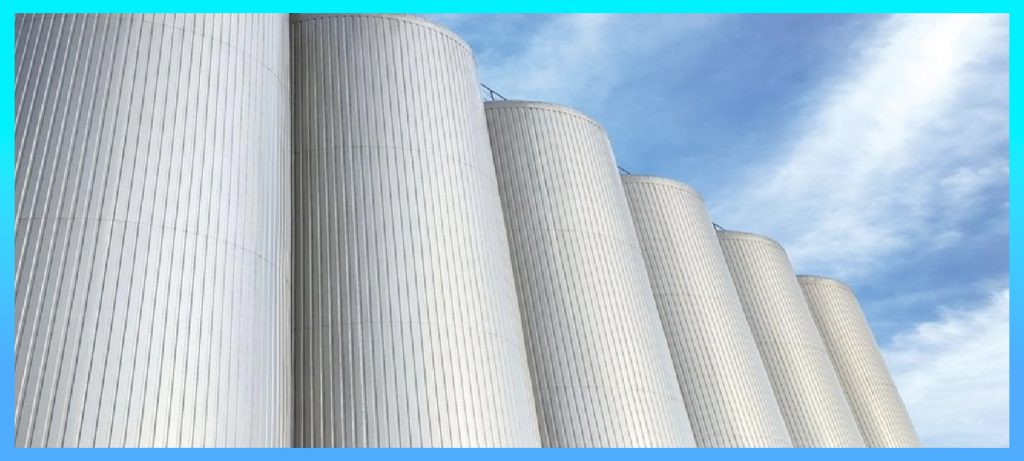
When you enjoy a cold beer, you rarely think about the vessel that made it possible. That vessel is the fermentation tank. This tall, cylindrical container does the most important job in beer production. It turns sweet liquid into alcoholic, carbonated beer. Without a fermentation tank, you cannot make beer at scale.
The world’s largest brewer, Anheuser-Busch InBev, uses thousands of fermentation tanks across its global facilities. These tanks hold millions of liters of beer at any given time. Leading alcohol companies like Heineken, Carlsberg, and Molson Coors also rely on advanced fermentation tanks. The world’s biggest brewer by volume, CR Beer from China, depends on these tanks too.
This article explains how fermentation tanks work. You will learn about their design, materials, and sizes. We also show you how SKE, a professional brewery equipment manufacturer, supplies fermentation tanks for small, medium, and large breweries. Let us dive into the science and engineering behind every good beer.
What Is a Fermentation Tank?
A fermentation tank is a closed container. Brewers use it to hold wort, the sugary liquid from malted grains. Inside the tank, yeast eats the sugar. The yeast produces alcohol, carbon dioxide (CO2), and various flavor compounds. This process is called fermentation.
Most modern fermentation tanks are made of stainless steel. Why stainless steel? It is strong, easy to clean, and does not react with beer. It also resists corrosion from acids and cleaning chemicals. Old breweries used wood or stone tanks. Today, stainless steel is the industry standard.
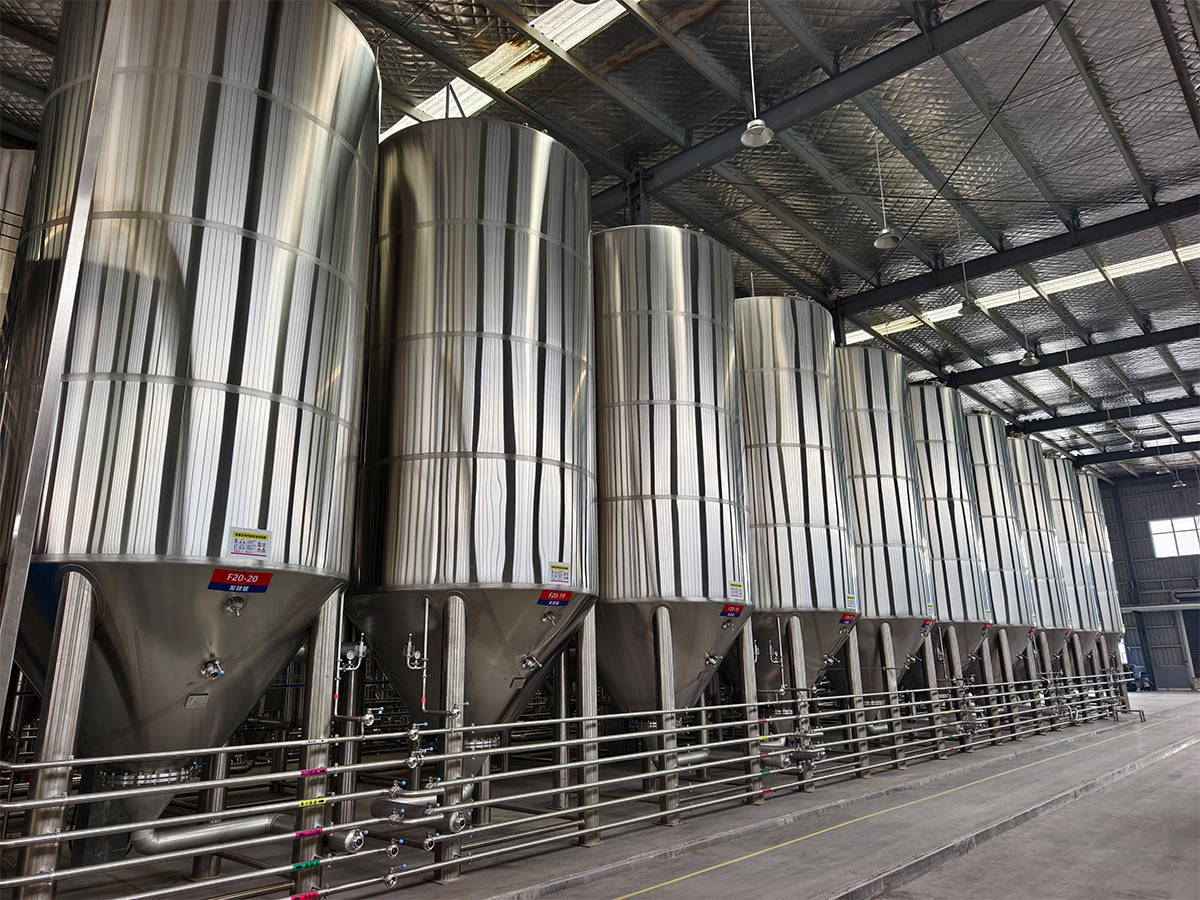
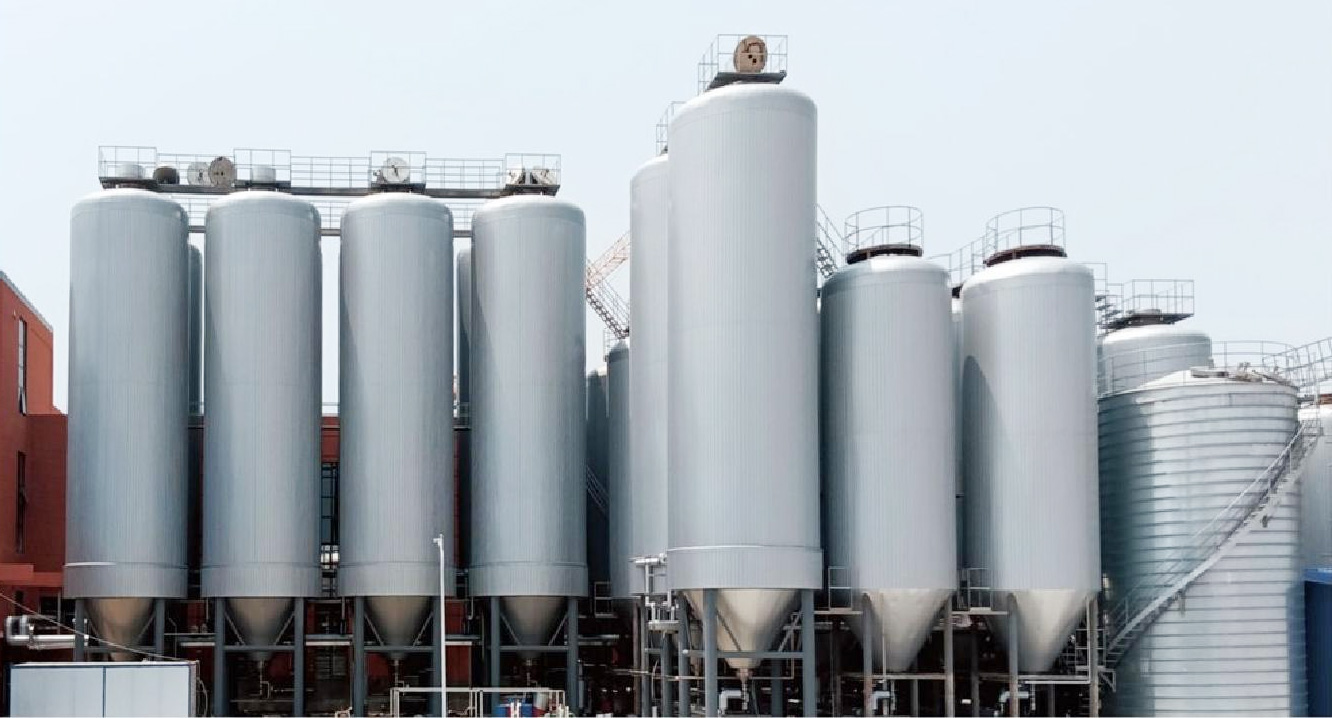
A typical fermentation tank has several features. It has a cooling jacket around the outside. This jacket keeps the beer at the right temperature. It has a conical bottom. The cone shape collects yeast and trub (solid particles) for easy removal. It also has valves, sampling ports, and pressure relief devices.
SKE designs fermentation tanks with all these features. We build them for craft breweries and for large industrial beer factories. Every tank we make follows strict safety and quality standards.
Why the Fermentation Tank Matters for Beer Quality
The fermentation tank directly affects beer taste, aroma, and clarity. If the tank design is poor, the beer will be poor. This is why leading alcohol companies invest millions in good tanks.
Temperature control is the most critical factor. Different beers need different fermentation temperatures. Lagers ferment at cold temperatures, around 8–13°C (46–55°F). Ales ferment warmer, at 18–22°C (64–72°F). The fermentation tank’s cooling jacket maintains these exact ranges. Even a 2-degree change can ruin a batch.
Pressure also matters. During fermentation, yeast produces CO2. In an open tank, this gas escapes. In a sealed tank, pressure builds. Some beer styles need pressure for proper carbonation and flavor. The world’s largest brewer uses pressure-rated tanks to produce consistent beer across thousands of batches.
Cleanliness is another key factor. Bacteria or wild yeast in a fermentation tank will spoil the beer. Stainless steel tanks allow thorough cleaning with hot water and chemicals. SKE tanks feature mirror-polished interiors. This smooth surface leaves no place for microbes to hide.
Types of Fermentation Tanks
Not all fermentation tanks are the same. Breweries choose different types based on their beer style and production volume. Let us look at the most common types.
Unitank (Combined Fermentation and Conditioning Tank)
This tank does two jobs. It ferments the beer and then conditions (matures) it in the same vessel. Unitanks have cooling jackets on both the main body and the cone. They also handle carbonation pressure. Most craft breweries use unitanks. The world’s biggest brewer also uses unitanks for many beer styles.
Open Fermentation Tank
Some traditional beer styles, like certain wheat beers, use open tanks. These tanks have no top cover. They allow wild yeast and bacteria to enter. This creates unique flavors. However, open tanks risk contamination. Large breweries rarely use them.
Cylindroconical Tank
This is the standard tank in modern brewing. It has a tall cylinder shape with a steep cone at the bottom. The cone angle is usually 60 to 75 degrees. This steep angle helps yeast and trub slide down for removal. Most fermentation tanks today are cylindroconical.
Horizontal Fermentation Tank
Some large breweries use horizontal tanks. These tanks lie on their side. They save height in low-ceiling buildings. However, they do not collect yeast as well as conical tanks. SKE recommends cylindrical tanks for most clients.
How Big Are Fermentation Tanks?
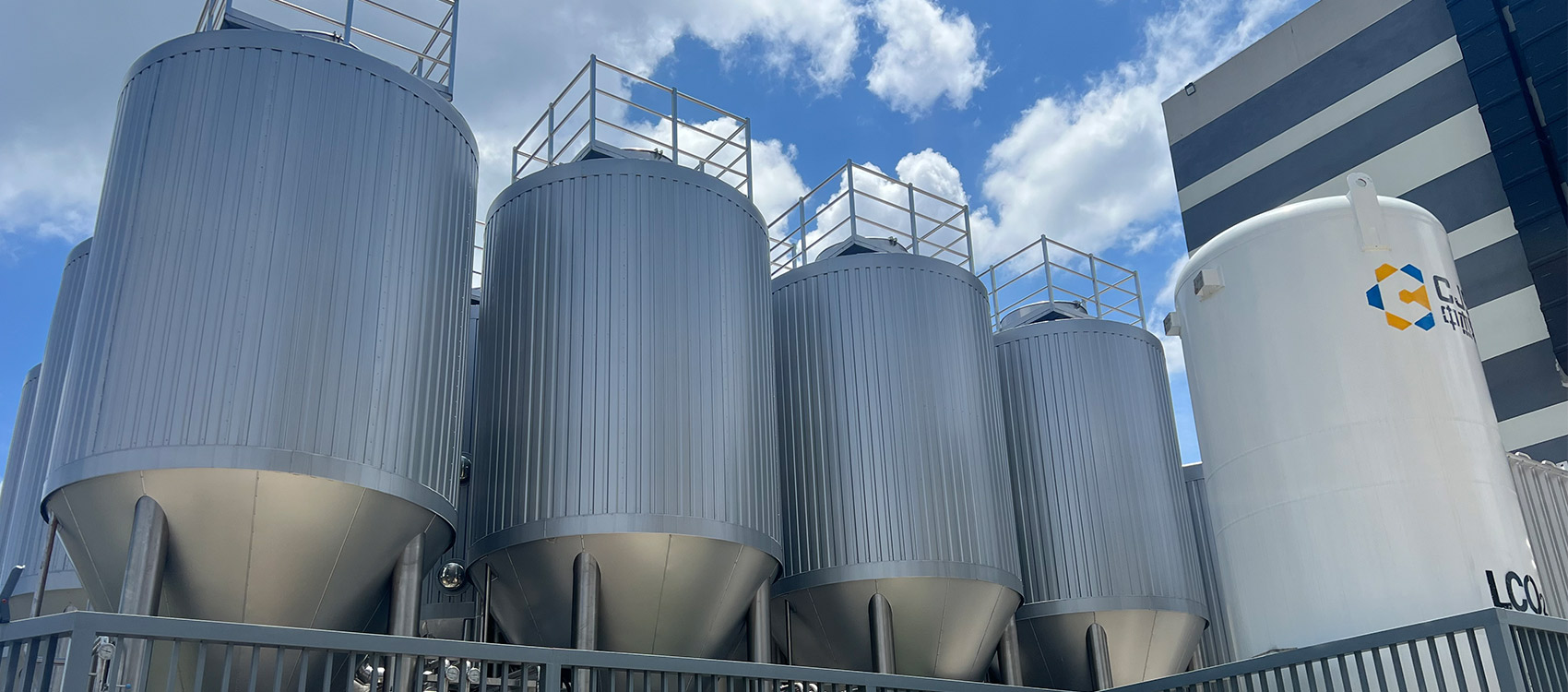
Fermentation tanks come in many sizes. A small craft brewery might use 500-liter tanks. A large industrial brewery uses tanks that hold 500,000 liters or more. The world’s largest brewer operates tanks that are several stories tall.
Here is a simple table showing common tank sizes and their users:
| Tank Volume | User Type | Typical Quantity in Brewery | Space Needed |
|---|---|---|---|
| 500 – 2,000 L | Nano brewery, brewpub | 2–6 tanks | Small room |
| 2,000 – 10,000 L | Microbrewery | 4–12 tanks | 100–200 m² |
| 10,000 – 50,000 L | Regional brewery | 6–20 tanks | 300–600 m² |
| 50,000 – 200,000 L | Large brewery | 10–30 tanks | 1,000+ m² |
| 200,000 – 600,000 L | World’s largest brewer | 50–200+ tanks | Full building |
Materials and Construction of a Fermentation Tank
A fermentation tank is not just a metal barrel. It is a precision vessel. Leading alcohol companies demand tanks made from high-grade stainless steel, usually type 304 or 316. Type 316 has more molybdenum, which resists corrosion from chlorides. SKE uses both grades depending on your water chemistry and cleaning agents.
The tank walls have multiple layers. The inner layer contacts the beer. It has a food-grade finish, typically 2B or electropolished. Electropolishing removes microscopic burrs and creates a mirror shine. This surface is very easy to clean.
The middle layer contains cooling channels or a dimpled jacket. Glycol or cold water flows through this jacket. It removes heat from fermentation. The outer layer is an insulation shell. It keeps the cold inside and prevents condensation on the outside of the tank.
The bottom cone has a special valve system. Brewers open this valve to remove yeast after fermentation. They can reuse that yeast for the next batch. This saves money and ensures consistent fermentation.
SKE builds every tank with double welding and passivation. We pressure-test every tank before shipping. You receive a tank ready to brew for decades.
The Fermentation Process Step by Step
Understanding how a fermentation tank works helps you appreciate its design. Here are the steps a brewer follows:
Step 1: Filling the tank
The brewer pumps cooled wort into the tank. They add oxygen and yeast. Oxygen helps the yeast grow initially.
Step 2: Primary fermentation
Yeast consumes sugar. It produces alcohol, CO2, and heat. The cooling jacket activates to maintain the target temperature. This stage lasts 4 to 10 days for ales and 10 to 14 days for lagers.
Step 3: Diacetyl rest (for lagers)
The brewer raises the temperature slightly for 2–3 days. This allows yeast to clean up diacetyl, a buttery off-flavor.
Step 4: Cooling and yeast harvest
The tank cools down to near freezing (0–2°C). Yeast settles into the cone. The brewer collects it from the bottom valve.
Step 5: Maturation or conditioning
The beer stays in the same tank (or a new tank) for 1 to 8 weeks. Flavors mellow and carbonation balances.
Step 6: Packaging
Finally, the brewer sends the beer to bright beer tanks or directly to a bottling line.
The world’s biggest brewer automates most of these steps. SKE provides automation systems to help any brewery control fermentation precisely.
Maintaining and Cleaning Fermentation Tanks
Cleanliness is not just nice. It is essential. One contaminated fermentation tank can ruin millions of dollars of beer. That is why leading alcohol companies follow strict cleaning protocols.
Breweries use a system called CIP (Clean-In-Place). You do not need to open or disassemble the tank. Instead, you spray cleaning solutions through spray balls inside the tank. The sequence is:
-
Rinse with warm water – Removes loose solids.
-
Caustic wash – Sodium hydroxide solution at 75–85°C. It dissolves organic residue.
-
Rinse with water – Removes caustic.
-
Acid wash – Nitric or phosphoric acid removes mineral scale (beerstone).
-
Final rinse – Sanitized water or steam.
SKE designs all tanks with CIP in mind. Our spray balls cover 100% of the interior surface. Our tanks have no dead legs or rough welds where bacteria can hide. Regular cleaning keeps your beer consistent and safe.
Frequently Asked Questions (FAQ)
Q1: What is the difference between a fermentation tank and a bright beer tank?
A fermentation tank is where yeast turns sugar into alcohol. A bright beer tank (also called a brite tank or conditioning tank) is where finished beer is carbonated and stored before packaging. Bright beer tanks do not contain yeast.
Q2: How long does beer stay in a fermentation tank?
It depends on the beer style. Ales stay for 1–3 weeks. Lagers stay for 4–8 weeks. Some strong beers or barrel-aged styles may stay for months. The world’s largest brewer typically follows short schedules to maximize tank turnover.
Q3: Can I use one fermentation tank for different beer styles?
Yes, but you must clean it thoroughly between batches. Strong-flavored beers like stouts can leave residues that affect lighter beers like pilsners. SKE recommends dedicated tanks for very different styles.
Q4: How do I choose the right fermentation tank size?
Calculate your annual production goal. Divide by the number of batches per year. Add 20% for growth. For example, if you want 100,000 liters per year and brew 50 batches, each batch needs 2,000 liters. A 2,500 L tank gives you room. SKE offers free sizing consultations.
Q5: What pressure can fermentation tanks handle?
Most modern fermentation tanks handle 1.5–3.0 bar (22–44 psi). Some unitanks handle up to 4.0 bar for high-carbonation styles. Always check the tank’s pressure rating. SKE labels every tank with its maximum allowable working pressure.
Contact Us
If you have any further questions, feel free to reach out!
- Facebook: SKE Equipment Facebook
- Email: info@skeequipment.com
For more personalized assistance, please fill out the contact form at the bottom of this page. We look forward to helping you with your brewing needs!