When you open a bottle of wine, you are experiencing one of humanity’s oldest magic tricks: fermentation. At its heart, fermenting wine is a natural process. Yeast consumes sugar and turns it into alcohol, carbon dioxide, and heat.
However, the science that winemakers use to control this reaction is the exact same science used by the largest breweries in the US and the creative minds behind the biggest craft breweries.
At SKE, we build the stainless-steel tanks and brewing systems that make this magic happen on a commercial scale. Whether you are a winery looking to expand or a brewery struggling with inconsistent batches, understanding fermentation is the first step to fixing your production problems.
This guide will explain how fermentation works, who the major players are in the US market, and how SKE equipment solves real-world brewing headaches.
The Science of Fermenting Wine and Beer
Fermentation is the heart of both the wine and beer industries. Without it, grape juice is just juice, and barley water is just tea.
What Happens During Fermentation?
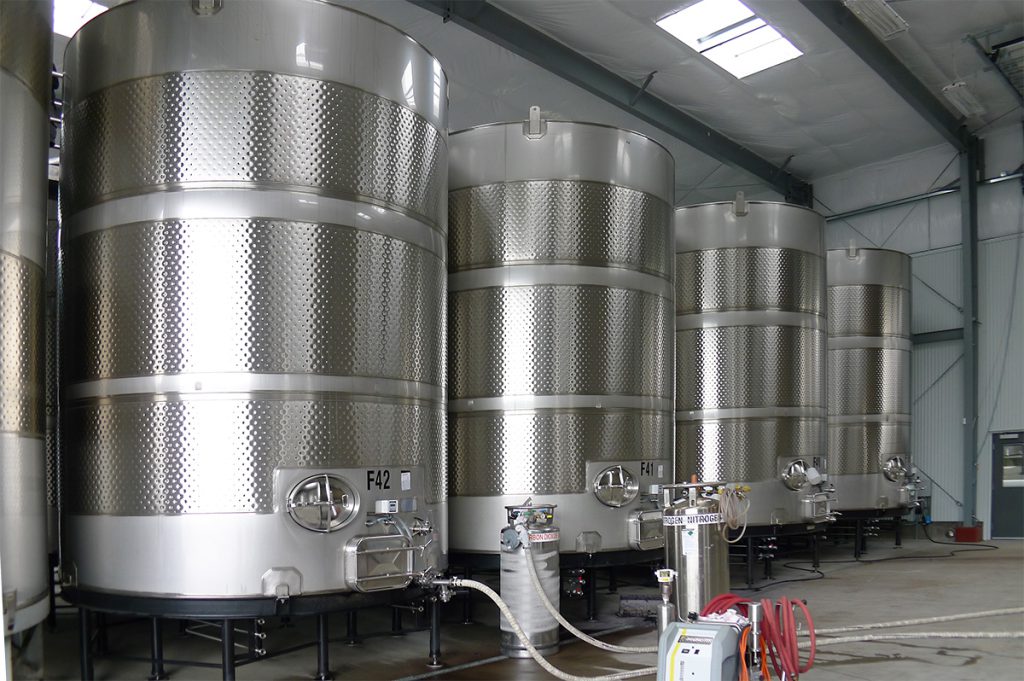
During fermenting wine, vintners crush grapes and let wild or cultured yeast eat the natural sugars. The yeast produces two main things: Ethanol (alcohol) and CO2 (carbon dioxide). For red wines, this happens at 68-90°F; for white wines and lagers, it happens much colder, around 50-64°F.
Beer brewing is very similar. Brewers boil barley to extract sugars (wort). Once cooled, they add yeast to the wort. The yeast acts exactly the same way it does in winemaking.
The main difference is the raw material:
-
Wine: Uses fruit sugar (glucose/fructose).
-
Beer: Uses grain sugar (maltose).
Why Temperature is King
Whether you are making a Cabernet or an IPA, temperature control is the number one factor for success. If the tank gets too hot, the yeast becomes stressed. Stressed yeast creates “off-flavors” (like rubbing alcohol or butter). If it gets too cold, the yeast goes to sleep, and fermentation stops, leaving the product too sweet.
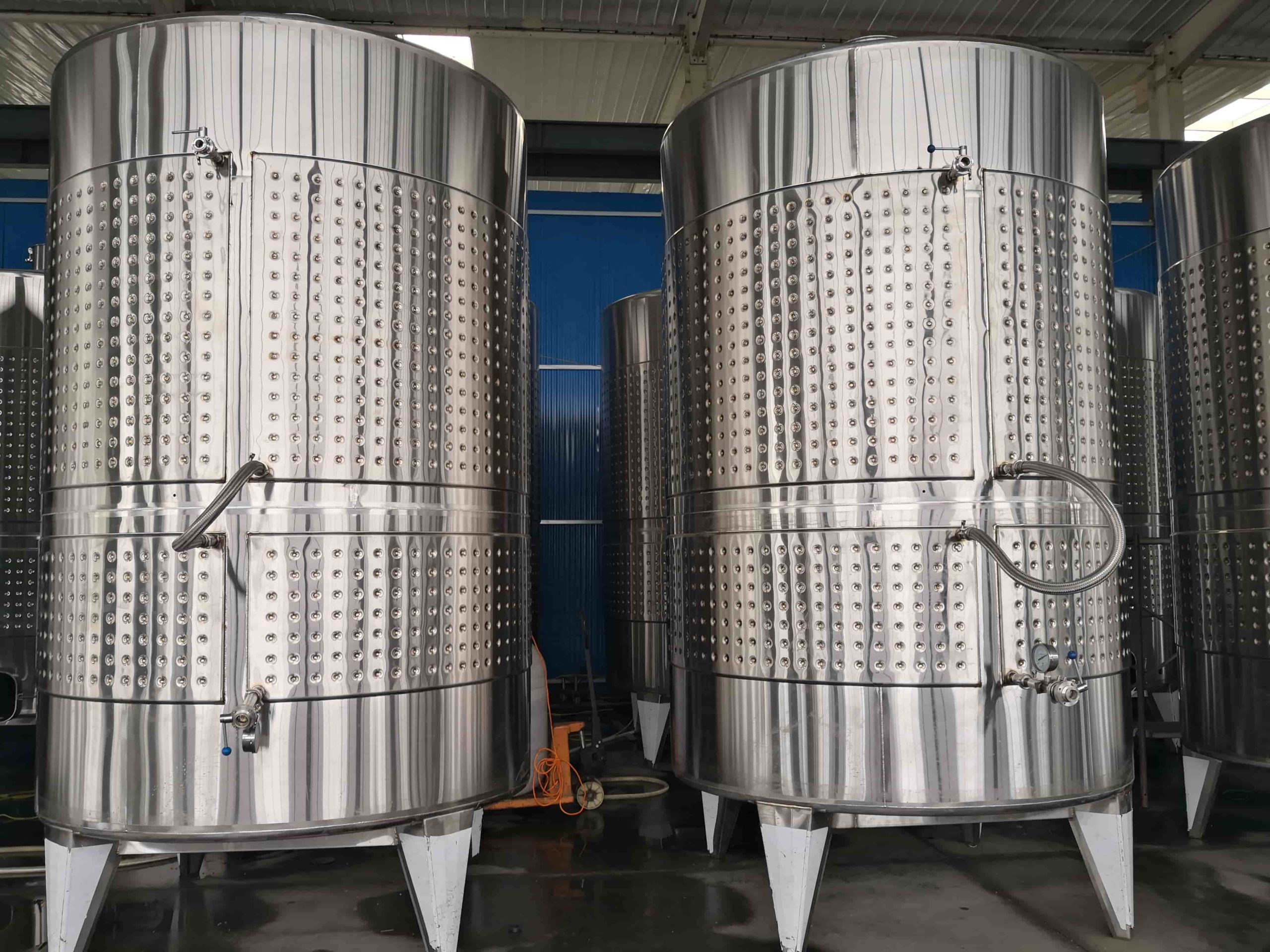
This is where the largest breweries in the US spend millions of dollars. They use glycol cooling systems and insulated stainless steel tanks to keep thousands of barrels at the exact perfect temperature. Small craft breweries need the same precision, just on a smaller scale.
The US Market – Giants and Craft Heroes
The United States is the most competitive beer market in the world. It is dominated by massive international corporations alongside innovative local heroes. Understanding this landscape helps us see why quality equipment is non-negotiable.
The Largest Breweries in the US
According to the Brewers Association, the market is led by a few major players. These companies produce millions of barrels per year. Their focus is on consistency. Every can of Bud Light in Maine must taste exactly the same as one in California.
Here are the top 5 largest breweries in the US by production volume:
| Rank | Company Name | Flagship Brand | Production Scale |
|---|---|---|---|
| 1 | AB InBev | Budweiser, Bud Light | Massive (Global Leader) |
| 2 | Molson Coors | Coors Light, Miller Lite | National Scale |
| 3 | Constellation Brands | Modelo, Corona | Rapidly Growing |
| 4 | Heineken | Heineken, Dos Equis | International |
| 5 | Diageo | Guinness | Strong Regional Presence |
Source: Brewers Association 2026 Ranking
The Biggest Craft Breweries
While the big companies focus on volume, the biggest craft breweries focus on flavor. “Craft” means they are independent and traditional. These breweries grew from small garages into regional powerhouses. They bridge the gap between homebrewing and industrial giants.
Notable names among the biggest craft breweries include:
-
D. G. Yuengling and Son (Pennsylvania): The oldest in America.
-
Boston Beer Company (Samuel Adams): The pioneer of the craft movement.
-
Sierra Nevada (California/NC): Famous for its Pale Ale and sustainability.
-
Great Lakes Brewing Co. (Ohio): Known for iconic porters and seasonals.
These breweries face a specific challenge: How do we keep our unique, complex flavors tasting fresh when we brew 100,000 barrels a year? The answer lies in their fermentation equipment.
Common Challenges in Commercial Brewing
Moving from a homebrew kit to a commercial system is difficult. Even the largest breweries struggle with physics. Whether you are a small brewpub or a regional craft giant, you will face these three problems.
1. Infection and Contamination
This is the biggest fear. If wild bacteria (like Lactobacillus) gets into your tank, it ruins the beer. It creates sour, weird tastes and hazy liquid. This usually happens because of dead-legs in pipes (places where liquid gets stuck) or poor welding inside the tank.
SKE Solution: Our tanks are made with high-grade stainless steel and sanitary welding. There are no rough spots for bacteria to hide. We design our piping for “clean-in-place” (CIP) systems, ensuring every inch of the tank gets washed.
2. Inconsistent Temperatures
We talked about heat from fermentation. A 10-barrel tank can generate a lot of internal heat. If your cooling jackets only cover the sides (and not the cone bottom), the yeast settles at the bottom and gets too hot. This creates “off-flavors” like acetaldehyde (green apple) or diacetyl (butterscotch).
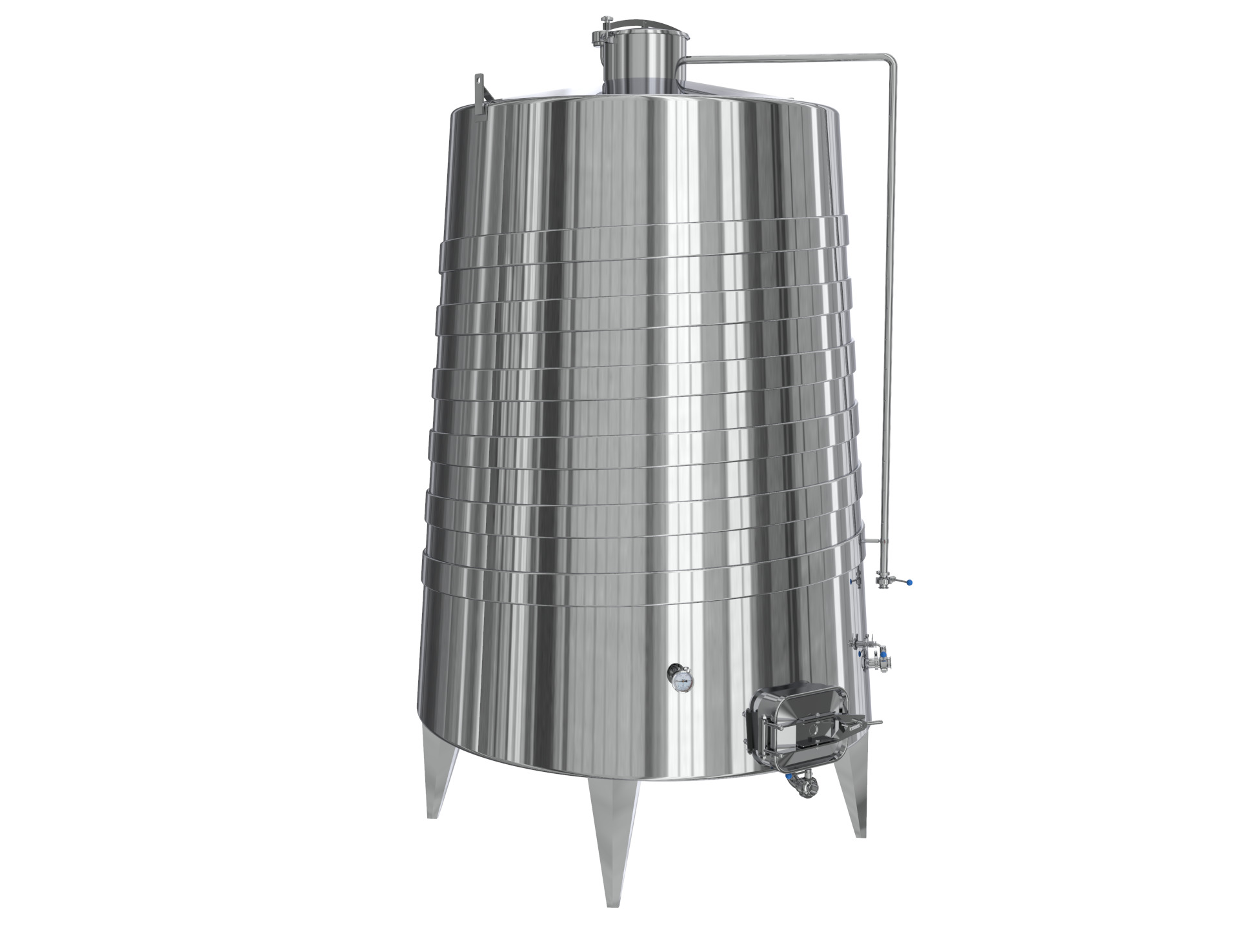
SKE Solution: We provide full cooling jackets. This means the side and the cone of the tank are cold. This creates a convection current, keeping the yeast suspended and happy at a stable temperature.
3. Oxygen Pickup
After fermentation, beer is very fragile. If oxygen touches the beer while you are transferring it to a bright tank, it goes bad. It tastes like wet cardboard or sherry. This happens because of bad pump seals or loose clamps.
SKE Solution: We build fully sealed, pressure-rated vessels. Our fittings are precise. We help breweries design closed-loop transfer systems so the beer moves from tank to tank without ever seeing the air.
The SKE Equipment Advantage
So, how do you solve these problems? You need a partner who understands fluid dynamics and microbiology, not just metal bending.
At SKE, we have been manufacturing high-end brewing equipment since 2000. We aren’t just a factory; we are engineers. We have a strategic partnership with Australian brewmasters who have 40+ years of experience running both macro and craft breweries. This means our equipment is designed by brewers, for brewers.
How SKE Helps You Solve Brewing Problems
| The Problem | Why It Happens | The SKE Solution |
|---|---|---|
| Hot Spots & Slow Fermentation | Poor tank insulation or undersized glycol jackets. | Dimple Jackets: We maximize the cooling surface area to keep yeast active. |
| Contaminated Batches | Rough internal welds (micro-scratches) hiding bacteria. | Electro-polished Interior: We make the steel surface ultra-smooth so bacteria wash away easily. |
| Loss of Aroma (Hopping) | Volatile compounds escaping during fermenting wine or beer. | Pressure Fermentation: Our tanks are rated for pressure, trapping those delicate aromas inside the liquid. |
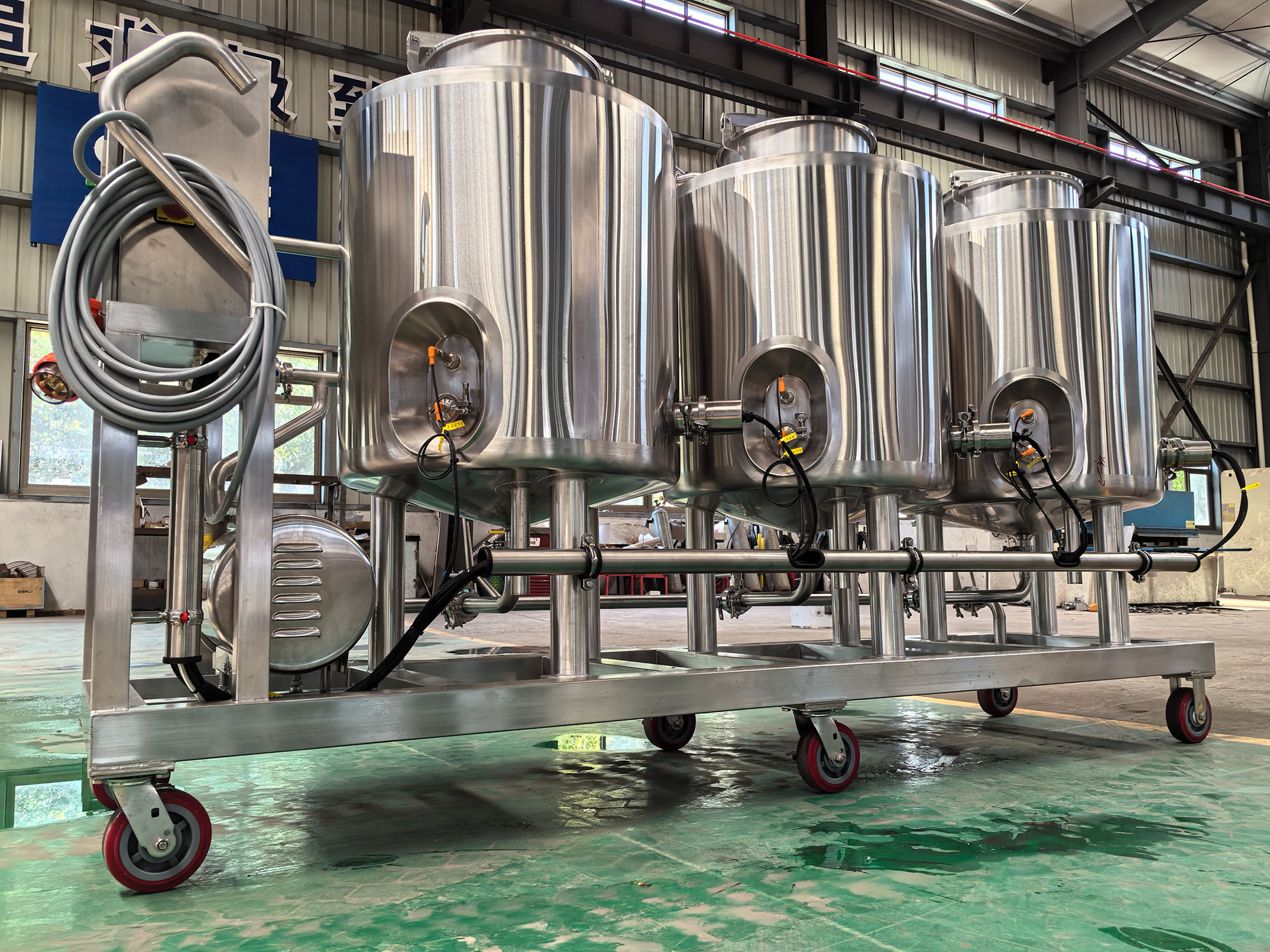
| Difficult Cleaning | Manual spraying misses spots; uses too much chemical. | Automated CIP System: Push a button. Our system spins spray balls at high pressure to scrub the tank for you. |
FAQ
Q1: Is the equipment for fermenting wine the same as for brewing beer?
A: Yes and no. The vessel (stainless steel tank) looks identical. However, beer tanks usually require a different pressure rating and cone-bottom angle for yeast collection. Wine tanks sometimes use wood, but stainless steel is best for sanitation. SKE builds dual-purpose tanks that can handle both winemaking and brewing if you want flexibility.
Q2: How do the largest breweries in the US keep their beer tasting consistent?
A: They use strict automation. They rely on Automated Control Panels (which SKE supplies). These panels monitor the temperature 24/7 and automatically turn cooling valves on and off. They remove the “human error” factor.
Q3: I am a small craft brewery. Do I really need a $10,000 glycol chiller?
A: Absolutely. You cannot make commercial beer without one. Trying to ferment without a chiller is why homebrew sometimes tastes like nail polish remover. A glycol chiller (paired with SKE jacketed tanks) is the best investment you can make for quality.
Q4: What is a “unitank”?
A: A Unitank is a fermentation tank that is also used to carbonate and serve the beer. It saves space and money. SKE unitanks are designed to hold high pressure so you can naturally carbonate your beer right inside the same vessel you fermented in.
Q5: Do you ship tanks to the US?
A: Yes. SKE ships globally. We pack our tanks in strong wooden crates (for sea freight) or we can assemble them on-site if you have a large brewhouse project.
Conclusion
Whether you are looking at fermenting wine in Napa Valley or opening a brewpub in Chicago, the rules are the same: Cleanliness, Temperature, and Timing.
The largest breweries in the US stay on top because they never compromise on their hardware. The biggest craft breweries grew big because they invested in quality fermentation to protect their recipes.
You don’t need to be a giant to brew like one. You just need the right tools.
Ready to upgrade your brewery?
Contact SKE today. Let us design a fermentation solution that eliminates your infection risks, lowers your energy bills, and helps you brew the best beer of your life.
- Facebook: SKE Equipment Facebook
- Email: info@skeequipment.com
For more personalized assistance, please fill out the contact form at the bottom of this page. We look forward to helping you with your brewing needs!