In the fast-paced and highly regulated world of commercial brewing, maintaining impeccable hygiene is non-negotiable. A single instance of contamination can lead to product spoilage, costly recalls, and irreversible damage to a brand’s reputation. At the heart of any robust brewery sanitation program lies the Clean-in-Place (CIP) system. Among the various CIP solutions available, the Mobile CIP Station stands out as a versatile, efficient, and cost-effective workhorse, especially for craft breweries, mid-sized operations, and facilities with diverse production lines. This article delves deep into the technology, applications, and benefits of Mobile CIP Stations, while also exploring related equipment like CIP SIP Skids and CIP Trolleys, and examining the sanitation demands of the world’s largest beer companies.
What is a Mobile CIP Station?
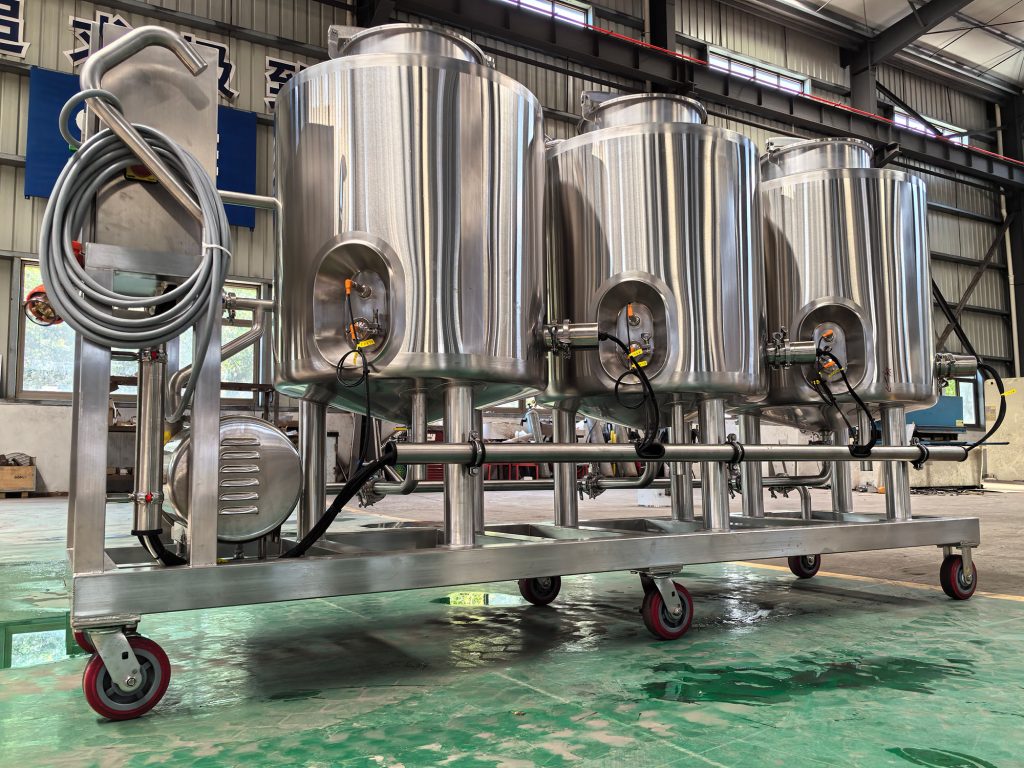
A Mobile CIP Station is a self-contained, wheel-mounted unit designed to perform automated cleaning and sanitization of brewery equipment without the need for disassembly. The acronym CIP stands for “Clean-in-Place,” a process that circulates specialized cleaning solutions through tanks, pipes, heat exchangers, and other process equipment to remove soil, biofilm, and microorganisms.
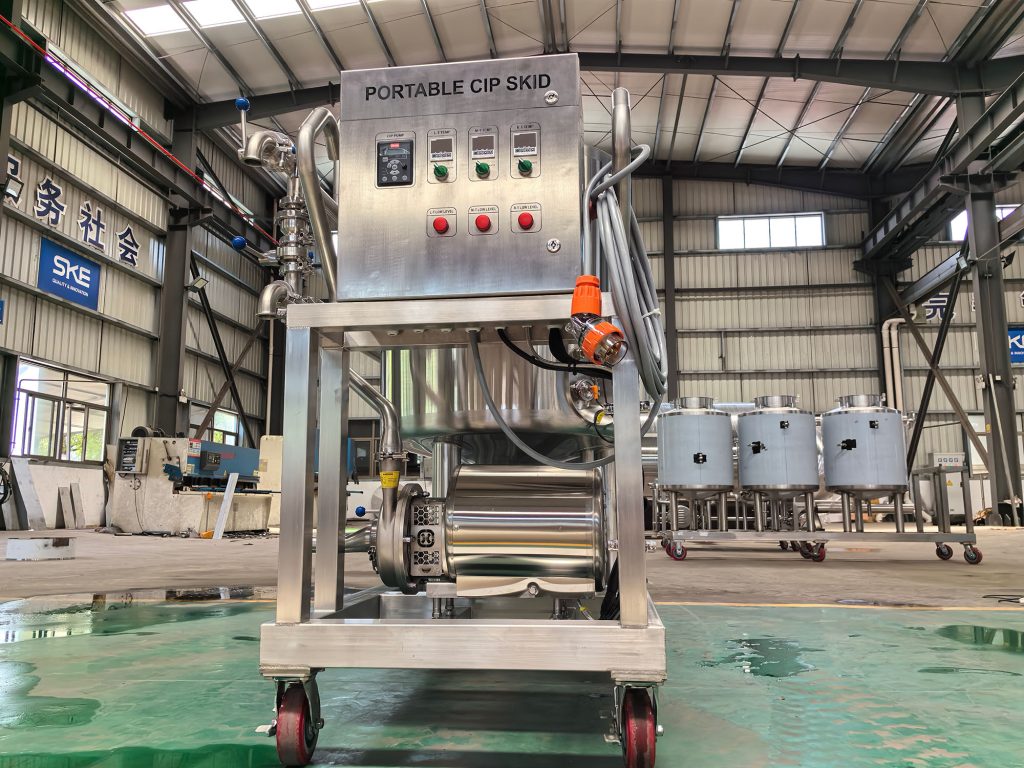
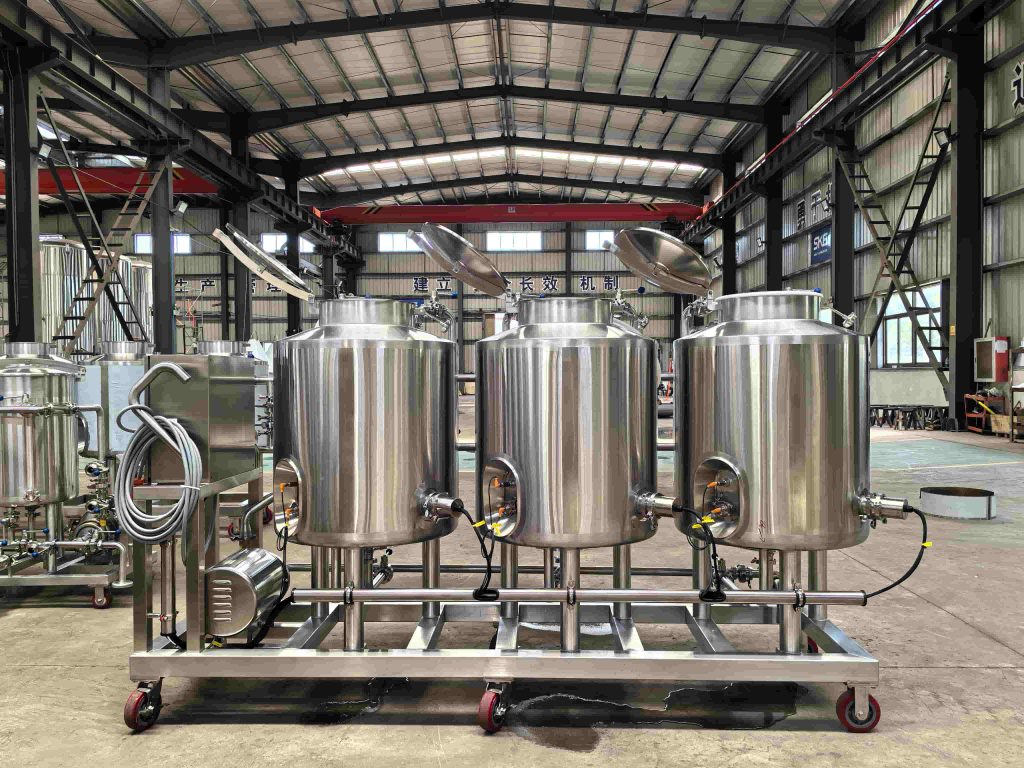
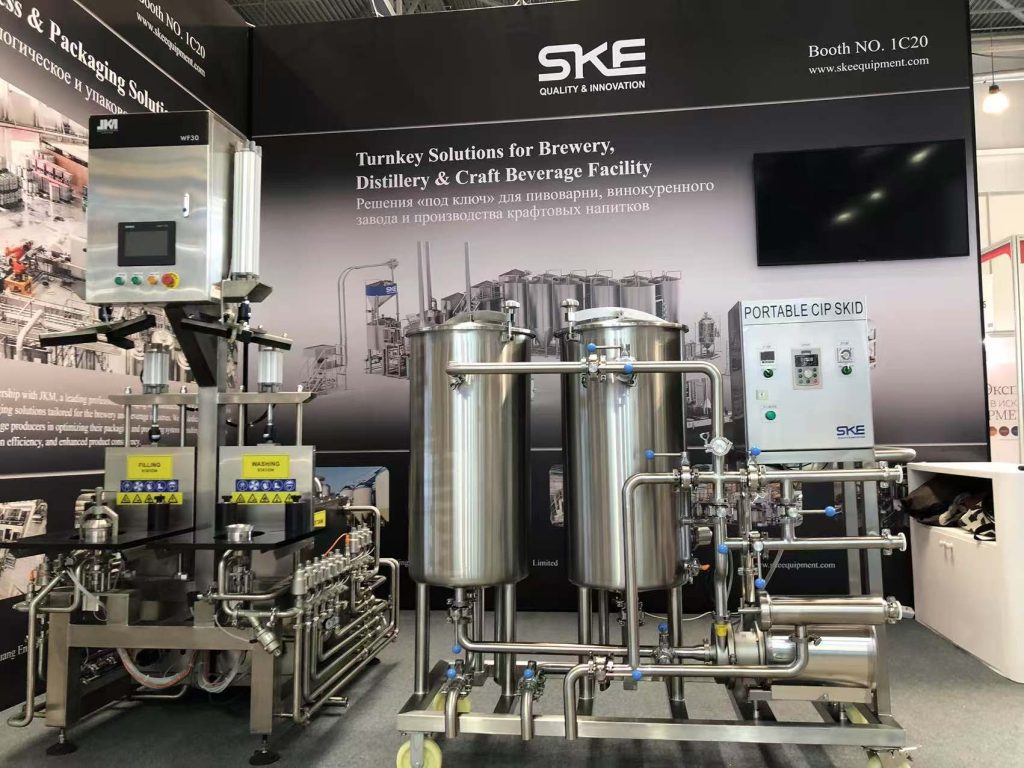
Unlike fixed CIP systems that are permanently plumbed into a facility, a mobile unit offers unparalleled flexibility. It typically consists of one or more stainless steel tanks (for holding caustic, acid, rinse water, and sanitizer), a circulation pump, heating elements, a control panel, and all necessary valves and piping, mounted on a sturdy frame with casters. This design allows operators to easily move the station to different parts of the brewery, cleaning multiple pieces of equipment in sequence.
The core function of a Mobile CIP Station is to execute a pre-programmed cleaning cycle. A standard cycle includes: an initial cold water rinse to remove loose debris, a hot caustic wash to break down organic soils, an intermediate water rinse, an acid wash to neutralize and remove mineral deposits, a final water rinse, and a hot water or chemical sanitization step. This systematic approach ensures thorough cleaning and consistent results, far superior to manual scrubbing.
Key Components of a Mobile CIP Station
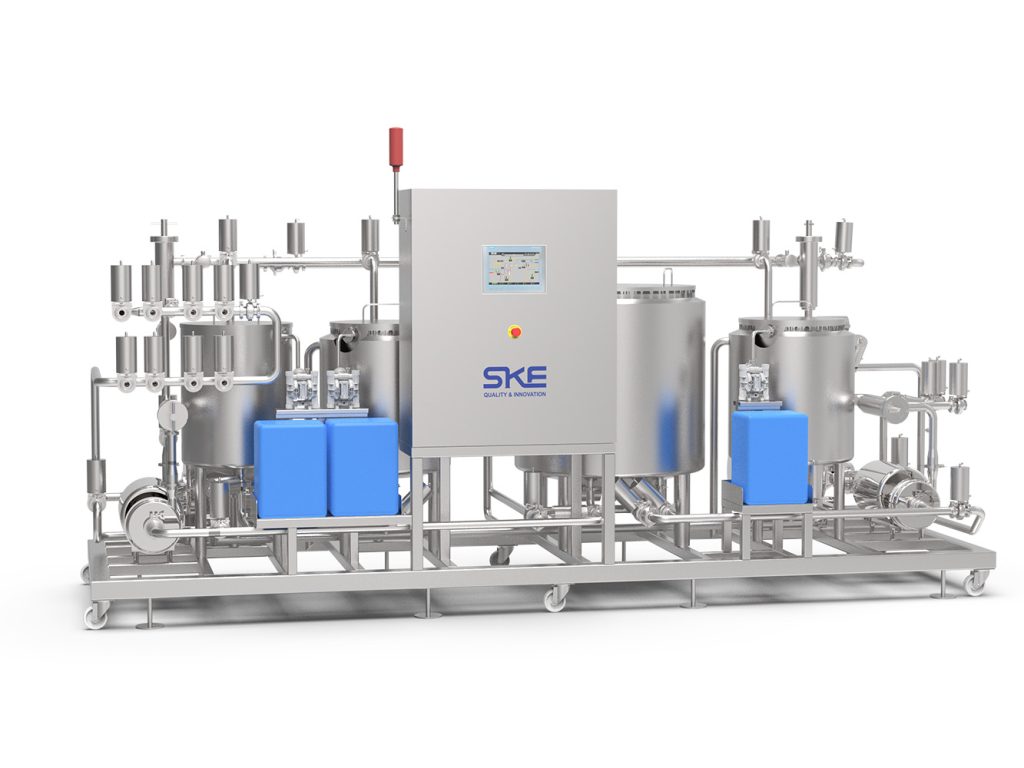
To understand the functionality of a Mobile CIP Station, it’s essential to break down its key components. Each part plays a critical role in ensuring efficient and reliable cleaning performance.
- Tanks: The heart of the system, usually made from high-grade SUS304 or SUS316L stainless steel for corrosion resistance and compliance with food-grade standards. Common configurations include dual-tank (caustic and sanitizer) or triple-tank (caustic, acid, sanitizer) setups. Tanks feature dished bottoms for complete drainage and are often insulated to maintain temperature and conserve energy.
- Pumping System: A high-quality, sanitary centrifugal pump is responsible for circulating the cleaning solutions at the required flow rate and pressure. The pump must be capable of handling the viscosity of caustic and acid solutions and maintaining consistent performance throughout the cycle. Some units include separate pumps for supply and return, or offer variable speed drives for precise control.
- Heating Elements: Electric immersion heaters or steam heat exchangers are used to heat the cleaning solutions, typically caustic, to optimal temperatures (often 60-85°C). Heat significantly boosts the cleaning power of detergents and aids in sanitization. Advanced units feature digital temperature controllers and safety features to prevent overheating or dry firing.
- Control Panel: The brain of the operation. Modern Mobile CIP Stations come equipped with user-friendly control panels, ranging from simple manual switches to sophisticated PLC (Programmable Logic Controller) systems with HMI (Human-Machine Interface) touchscreens. These allow operators to select pre-set cleaning programs, adjust parameters like time and temperature, and monitor the process in real-time.
- Piping, Valves, and Fittings: All wetted parts are constructed from stainless steel and use hygienic connections such as Tri-Clamp fittings, ensuring easy disassembly for maintenance and preventing dead legs where bacteria can grow. A network of valves directs the flow of different solutions through the system.
- Frame and Mobility: The entire assembly is mounted on a robust, stainless steel frame fitted with heavy-duty swivel casters, enabling easy movement across the brewery floor. Some models include brakes for secure positioning during operation.
Mobile CIP Station vs. CIP SIP Skid vs. CIP Trolley: A Comparative Analysis
| Feature | CIP Trolley | Mobile CIP Station | CIP SIP Skid |
|---|---|---|---|
| Primary Function | Basic CIP cleaning | Automated CIP cleaning | CIP + SIP (Sterilization) |
| Automation Level | Manual/Semi-automatic | Semi-automatic/Fully automatic | Fully automatic (PLC/HMI) |
| Capacity | Small (50-150L) | Medium (150-500L+) | Medium/Large (Custom) |
| Heating | Basic/None | Integrated (Electric/Steam) | Integrated (Precise control) |
| Mobility | High (Wheeled) | High (Wheeled) | Low/None (Skid-mounted) |
| Complexity | Low | Medium | High |
| Cost | Low | Medium | High |
| Ideal For | Small breweries, spot cleaning | Mid-sized breweries, multi-line ops | Large breweries, sterile production, cGMP |
Why Mobile CIP Stations are Indispensable for Breweries
The adoption of a Mobile CIP Station offers numerous compelling advantages over manual cleaning or fixed CIP systems, making it an indispensable tool for modern breweries of all sizes.
Unmatched Flexibility and Versatility
The defining benefit of a Mobile CIP Station is its mobility. In a typical brewery, cleaning is required across multiple locations—fermentation halls, bright beer tanks, cellar tanks, piping manifolds, and heat exchangers. A mobile unit can be effortlessly wheeled to wherever it’s needed, eliminating the need for complex, permanent plumbing throughout the facility. This is particularly valuable for breweries with limited space, expanding operations, or those that produce a variety of beer styles requiring dedicated equipment.
Enhanced Cleaning Efficiency and Consistency
Manual cleaning is labor-intensive, time-consuming, and highly inconsistent. Human error can lead to inadequate cleaning, missed spots, or cross-contamination. A Mobile CIP Station automates the entire process, ensuring that every cycle is performed with the same precise parameters—temperature, pressure, flow rate, and duration. This consistency guarantees a thorough and repeatable clean every time, significantly reducing the risk of microbial contamination and ensuring product quality stability.
Labor and Cost Savings
Automating the cleaning process drastically reduces the reliance on manual labor. Brewery staff can be redeployed to more value-added tasks such as brewing, quality control, and packaging. Additionally, CIP systems are designed to recycle and reuse cleaning solutions where possible, reducing water, energy, and chemical consumption compared to manual methods. Over time, these savings translate to a significant reduction in operational costs and a faster return on investment.
Improved Safety
Handling concentrated caustic and acid solutions manually poses significant safety risks to workers, including chemical burns and exposure to harmful fumes. A Mobile CIP Station encloses all cleaning solutions within a sealed system, minimizing operator contact with hazardous materials. The automated process also reduces the physical strain associated with manual scrubbing and handling heavy equipment, creating a safer working environment.
Compliance with Stringent Standards
The global beer industry is subject to strict food safety regulations, including the FDA’s Food Safety Modernization Act (FSMA), EU food hygiene standards, and various national certifications. Mobile CIP Stations are designed and built to meet these rigorous requirements. Their automated, documented cleaning processes provide a clear audit trail, simplifying compliance and validation during inspections.
Applications of Mobile CIP Stations in the Brewing Process
Mobile CIP Stations find application across every stage of the brewing process where hygiene is critical. Their versatility allows them to clean a wide range of equipment efficiently.
Fermentation Tanks
Fermenters are the workhorses of the brewery and are prone to heavy soiling from yeast, trub, and protein deposits. A Mobile CIP Station can efficiently circulate cleaning solutions through the tank’s spray balls or rotary jet heads, ensuring the interior surfaces, including the cone bottom, are thoroughly cleaned and sanitized between batches.
Bright Beer Tanks (BBTs)
After fermentation, beer is transferred to BBTs for conditioning, carbonation, and storage. These tanks must be impeccably clean to prevent off-flavors and maintain beer clarity. Mobile CIP Stations are perfect for cleaning BBTs, as they can be moved directly to the tank farm and connected quickly.
Heat Exchangers
Plate heat exchangers are used for wort cooling and beer pasteurization. Their narrow channels are susceptible to fouling, which can reduce efficiency and harbor bacteria. The high flow rate and pressure of a Mobile CIP Station are ideal for flushing out these deposits, restoring heat exchange efficiency and maintaining hygiene.
Piping Manifolds and Transfer Lines
The complex network of pipes that transfers wort, beer, and water between vessels is a common site for biofilm formation. A Mobile CIP Station can be connected to the main piping headers to perform a “one-shot” clean of the entire distribution system, ensuring no section is overlooked.
Small-Scale and Specialty Equipment
For breweries producing specialty beers or using small-batch equipment, such as pilot brewhouses, infusers, or filter systems, a Mobile CIP Station provides a convenient and effective cleaning solution without the need for a dedicated, fixed system for each piece of equipment.
SKE’s Mobile CIP Station: Engineering Excellence for the Brewing Industry
As a leading manufacturer of premium brewing equipment, SKE understands the unique challenges and requirements of modern breweries. Our Mobile CIP Stations are engineered to deliver exceptional performance, reliability, and value, designed by brewers for brewers.
SKE’s Design Philosophy
Every SKE Mobile CIP Station is built with a focus on hygienic design, durability, and ease of use. We use only the highest quality materials, including AISI 304 and 316L stainless steel, ensuring longevity and compliance with global food safety standards. Our units feature sleek, crevice-free designs with fully drainable tanks and minimal dead legs, preventing bacterial harborage.
Customization and Flexibility
We recognize that every brewery is unique. Therefore, SKE offers fully customizable Mobile CIP Stations to meet your specific capacity, configuration, and automation needs. Whether you require a dual-tank unit for basic cleaning or a sophisticated, PLC-controlled system with integrated SIP capabilities, we can engineer a solution that fits your operation perfectly. Tank sizes range from 100L to 1000L, with options for electric or steam heating.
Advanced Control and Automation
SKE’s Mobile CIP Stations are equipped with state-of-the-art control systems. Our standard models feature intuitive digital controllers, while our premium units boast advanced PLC systems with color touchscreen HMI interfaces. These allow for the storage of multiple cleaning programs, real-time process monitoring, data logging, and remote access capabilities, putting you in complete control of your sanitation process.
Global Support and Service
Investing in SKE equipment means gaining a partner dedicated to your success. We provide comprehensive after-sales support, including installation, commissioning, operator training, and a global service network. Our team of experts is always on hand to provide technical assistance and ensure your Mobile CIP Station operates at peak efficiency for years to come.
The Global Beer Giants: Sanitation Demands and the Role of CIP Technology
The global beer market is dominated by a handful of massive corporations with operations spanning the globe. These biggest beer companies and largest beer brewers in the world operate on an enormous scale, producing millions of hectoliters of beer annually. For these industry leaders, efficient, reliable, and scalable sanitation infrastructure is not just a best practice—it’s a critical component of their global supply chain.
The World’s Largest Beer Companies (2026)
The global beer industry is characterized by a high degree of consolidation. The following table lists the largest beer companies by market capitalization and global reach as of 2026:
| Rank | Company Name | Headquarters | Market Cap (USD) | Key Brands | Global Reach |
|---|---|---|---|---|---|
| 1 | Anheuser-Busch InBev (AB InBev) | Leuven, Belgium | $124.41 B | Budweiser, Corona, Stella Artois, Beck’s | 500+ breweries, 150+ countries |
| 2 | Heineken N.V. | Amsterdam, Netherlands | $45.04 B | Heineken, Amstel, Tiger | 160+ breweries, 190+ countries |
| 3 | Carlsberg Group | Copenhagen, Denmark | $18.3 B | Carlsberg, Tuborg, Somersby | 140+ brands, 150+ markets |
| 4 | Molson Coors Beverage Company | Denver, USA / Montreal, Canada | ~$13 B | Coors Light, Miller Lite, Blue Moon | Operations in the Americas, Europe, Asia |
| 5 | Asahi Group Holdings | Tokyo, Japan | ~$12 B | Asahi, Peroni, Grolsch | Strong presence in Asia, Europe, Australia |
Sanitation at Scale: Challenges for Global Brewers
For giants like AB InBev and Heineken, maintaining consistent hygiene across hundreds of breweries worldwide presents unique challenges:
- Scale and Consistency: Ensuring the same high standard of cleaning is applied in a small brewery in Peru as in a massive facility in China requires standardized processes and reliable equipment.
- Efficiency: With production lines running almost continuously, downtime for cleaning must be minimized. Efficient CIP systems are essential for maximizing uptime.
- Regulatory Compliance: Operating across multiple jurisdictions means adhering to a patchwork of different food safety regulations. Robust, auditable CIP processes are vital.
- Sustainability: Large brewers are under increasing pressure to reduce water and energy usage. Modern CIP systems, with their ability to recycle solutions and optimize cycles, are key to meeting sustainability targets.
The Role of CIP Technology for Industry Leaders
While the largest breweries often invest in massive, fixed CIP installations for their flagship facilities, mobile CIP solutions still play a vital role:
- Retrofits and Expansions: Mobile CIP Stations are ideal for upgrading older facilities or expanding into new markets without the need for major plumbing overhauls.
- Pilot Plants and R&D: Global brewers invest heavily in innovation. Mobile CIP units are perfect for cleaning small-scale pilot brewing and research equipment.
- Support and Backup: Mobile units serve as valuable backup systems for fixed CIP installations, ensuring that cleaning can continue even during maintenance or breakdowns.
- Craft Acquisitions: As major players acquire craft breweries, they often integrate mobile CIP solutions to maintain the flexibility and artisanal nature of these smaller operations while elevating their sanitation standards.
Frequently Asked Questions (FAQ) about Mobile CIP Stations
To further clarify the role and benefits of Mobile CIP Stations, we’ve compiled answers to some of the most frequently asked questions in the brewing industry.
Q1: What size Mobile CIP Station do I need for my brewery?
A: The size depends on your production volume and the size of your largest vessel. A general rule of thumb is that the CIP tank volume should be at least 10-15% of the volume of the largest tank you need to clean. For example, a 1000L fermenter would require a CIP station with a minimum tank size of 100-150L. SKE’s experts can help you determine the optimal size based on your specific equipment layout and production schedule.
Q2: How often should I run a CIP cycle?
A: This depends on the beer style and production schedule. Most breweries run a full CIP cycle after every batch for fermenters and bright tanks. For piping and heat exchangers, a daily CIP cycle is standard. However, high-gravity or fruit beers may require more frequent or intensive cleaning. Consistency is key.
Q3: Can a Mobile CIP Station be used for sterilization (SIP)?
A: Standard Mobile CIP Stations are designed for cleaning and sanitization (using hot water or chemical sanitizers). For true Sterilize-in-Place (SIP) using saturated steam, you would need a specialized CIP SIP Skid. SKE offers integrated CIP/SIP solutions for breweries requiring the highest level of microbial kill, such as those producing sour beers or sterile-filtered products.
Q4: How much water and chemicals does a CIP system save compared to manual cleaning?
A: CIP systems can reduce water consumption by up to 50% and chemical usage by 30-40% compared to manual methods, thanks to solution recycling and precise dosing. The exact savings vary based on your specific process and the efficiency of your CIP unit.
Q5: Are Mobile CIP Stations difficult to operate and maintain?
A: SKE’s Mobile CIP Stations are designed for user-friendliness. Our standard models are easy to operate with minimal training. Maintenance typically involves regular inspection of pumps, valves, and filters, and periodic descaling of heating elements. We provide detailed operation and maintenance manuals, as well as training for your staff.
Q6: Can SKE service our Mobile CIP Station if we are located internationally?
A: Yes. SKE has a global network of service partners and technicians. We offer on-site installation, commissioning, and maintenance services worldwide. Additionally, we provide remote troubleshooting support to minimize downtime.
Conclusion
If you have any further questions, feel free to reach out!
- Facebook: SKE Equipment Facebook
- Email: info@skeequipment.com
For more personalized assistance, please fill out the contact form at the bottom of this page. We look forward to helping you with your brewing needs!