
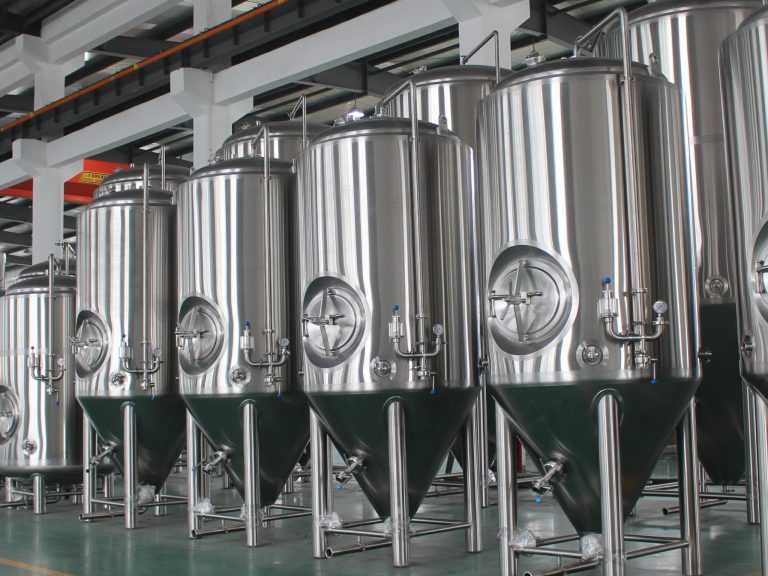
For breweries of all sizes—from small craft operations to large-scale industrial facilities—the choice of fermentation equipment directly impacts the quality, consistency, and efficiency of the final beer. Among all fermenter types, the stainless beer fermenter stands out as the gold standard, valued for its durability, hygiene, and versatility. As a professional beer equipment manufacturer, SKE has been designing and producing high-quality stainless beer fermenters, stainless unitanks, industrial beer fermenters, and jacketed fermenters for years, helping brewers turn their passion into exceptional brews.
What Is a Stainless Beer Fermenter?
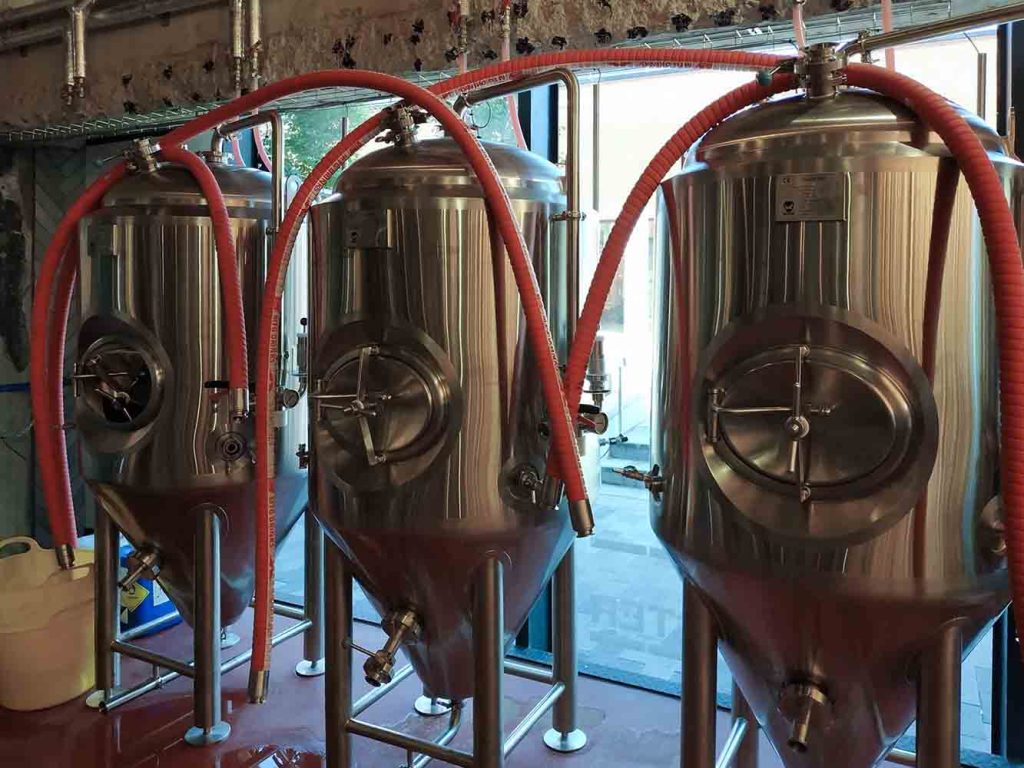
A stainless beer fermenter is a specialized vessel designed to facilitate the fermentation process, where yeast converts sugars in wort into alcohol and carbon dioxide. Unlike fermenters made from glass, plastic, or other materials, stainless steel fermenters are constructed from food-grade stainless steel—typically 304 or 316L—which offers unparalleled advantages for beer production.
The core purpose of a stainless beer fermenter is to provide a controlled, sterile environment that supports optimal yeast activity. This environment must maintain precise temperature, pressure, and oxygen levels to ensure consistent flavor, aroma, and clarity in the final beer. From small 50L craft fermenters to large 10,000L+ industrial beer fermenters, SKE customizes stainless beer fermenters to meet the unique needs of every brewery.
Why Stainless Steel Is the Best Material for Beer Fermenters
Brewing is a delicate process that requires strict hygiene and durability—two qualities that make stainless steel the ideal material for beer fermenters. Unlike plastic, which can absorb odors and harbor bacteria, or glass, which is fragile and heavy, stainless steel offers a perfect balance of functionality and longevity.
Food-grade stainless steel (304 and 316L) is non-porous, meaning it does not absorb liquids, odors, or bacteria. This makes cleaning and sanitization quick and efficient, reducing the risk of contamination that can ruin an entire batch of beer. Additionally, stainless steel is highly resistant to corrosion from acidic wort and cleaning chemicals, ensuring the fermenter remains in top condition for decades with proper maintenance.
Stainless steel also excels at heat transfer, which is critical for temperature control during fermentation. This property is especially important for jacketed fermenters, where precise temperature regulation is essential for brewing specific beer styles (e.g., lagers require cooler fermentation temperatures than ales). SKE uses only high-quality stainless steel in our fermenters, ensuring maximum durability and performance for our clients.
Key Types of Stainless Beer Fermenters
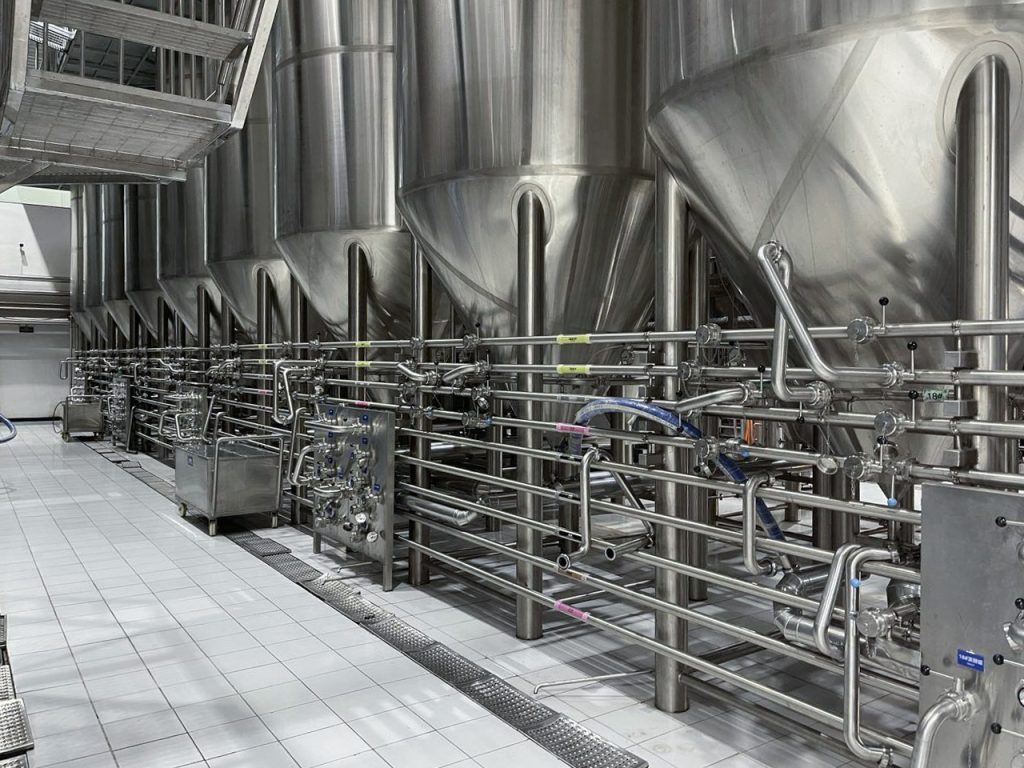
Stainless beer fermenters come in several types, each designed to meet specific brewing needs. The most common types include stainless unitanks, jacketed fermenters, and industrial beer fermenters. Below is a detailed breakdown of each type, their features, and ideal applications.
1. Stainless Unitank
A stainless unitank is a versatile, all-in-one fermenter that combines fermentation, conditioning, and carbonation into a single vessel. Unlike traditional fermenters that require transferring beer to separate conditioning tanks, stainless unitanks allow brewers to complete the entire post-boil process in one tank, saving time, space, and reducing the risk of oxygen exposure.
2. Jacketed Fermenter
A jacketed fermenter is a stainless beer fermenter equipped with a double-walled “jacket” around the tank’s exterior. This jacket allows for precise temperature control by circulating a cooling or heating medium (usually glycol or water) between the two walls. Temperature control is critical for fermentation, as yeast activity is highly sensitive to temperature fluctuations.
3. Industrial Beer Fermenter
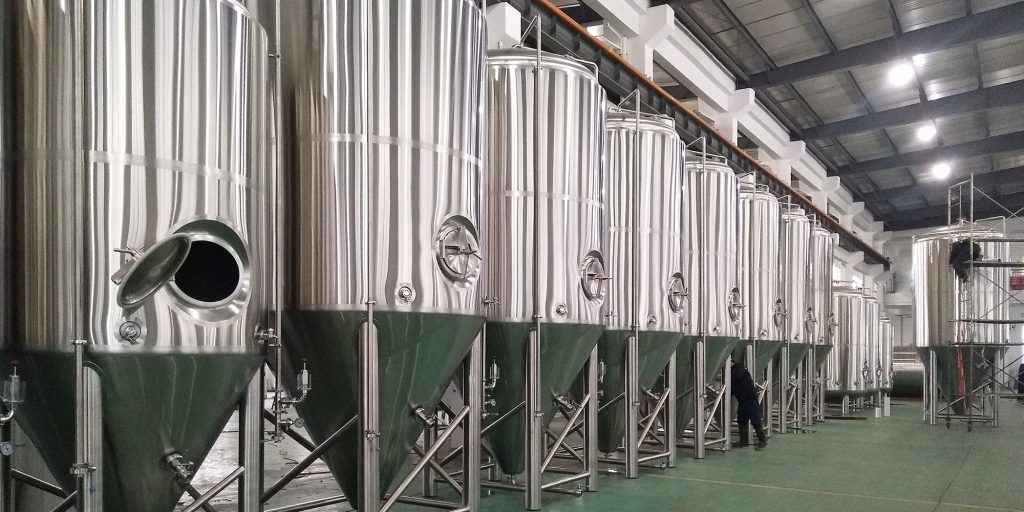
Industrial beer fermenters are large-scale stainless steel fermenters designed for high-volume production. These fermenters typically range in size from 5,000L to 50,000L or more, making them suitable for large breweries and beverage companies. SKE’s industrial beer fermenters are built with heavy-duty stainless steel and advanced control systems to handle the demands of continuous production.
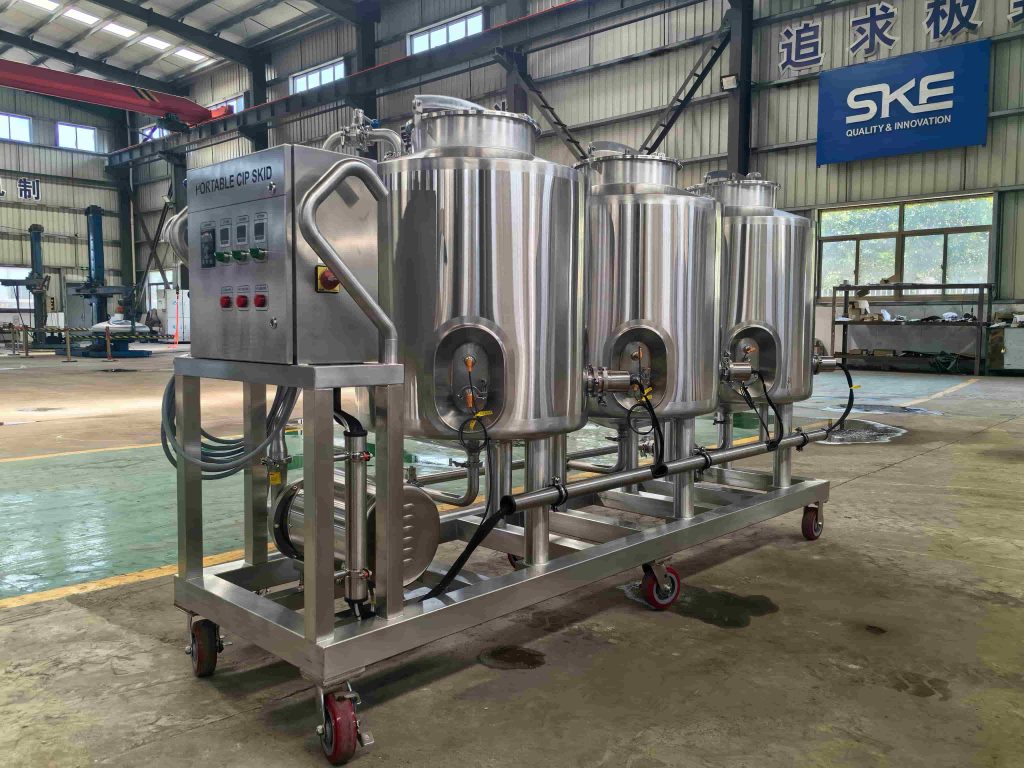
Industrial beer fermenters often feature automated temperature, pressure, and pH control systems, allowing for consistent, hands-off operation. They are also designed for easy cleaning and maintenance, with CIP (Clean-in-Place) systems that reduce labor costs and ensure hygiene. Whether you’re producing millions of liters of beer per year or expanding your industrial operation, SKE’s industrial beer fermenters are engineered for reliability and efficiency.
Technical Specifications: Comparing SKE’s Stainless Beer Fermenter Models
When choosing a stainless beer fermenter, it’s important to consider key technical specifications that impact performance and compatibility with your brewery. Below is a comparison table of SKE’s popular fermenter models, including stainless unitanks, jacketed fermenters, and industrial beer fermenters, to help you select the right equipment for your needs.
|
Fermenter Type
|
Capacity Range
|
Stainless Steel Grade
|
Temperature Control
|
Pressure Rating
|
Key Features
|
Ideal Application
|
|---|---|---|---|---|---|---|
|
Stainless Unitank
|
50L – 5,000L
|
304/316L
|
Optional jacketed or external cooling
|
0.1 – 0.3 MPa
|
Conical bottom, yeast harvesting port, CIP compatibility, pressure carbonation
|
Craft breweries, small to medium operations
|
|
Jacketed Fermenter
|
100L – 10,000L
|
304/316L
|
Dimple jacket (glycol/water circulation), ±0.5℃ precision
|
0.1 – 0.2 MPa
|
Uniform temperature distribution, CIP system, pH sensor compatibility
|
Craft and medium breweries, multi-style production
|
|
Industrial Beer Fermenter
|
5,000L – 50,000L+
|
316L (standard)
|
Advanced jacketed system, automated control
|
0.2 – 0.4 MPa
|
Automated CIP, pressure relief valves, remote monitoring, high-capacity design
|
Large-scale breweries, industrial production
|
The Role of Stainless Beer Fermenters in the Brewing Process
Fermentation is the heart of the brewing process, and the stainless beer fermenter is the vessel that makes this process possible. After the wort is boiled and cooled, it is transferred to the fermenter, where yeast is added to initiate fermentation. The fermenter’s design and features directly impact the quality of the final beer.
During fermentation, yeast consumes the sugars in the wort, producing alcohol and carbon dioxide. The stainless beer fermenter must maintain a sterile environment to prevent contamination from bacteria or wild yeast, which can cause off-flavors (e.g., sourness, bitterness). SKE’s fermenters are designed with airtight seals and smooth, easy-to-clean surfaces to minimize contamination risks.
Temperature control is another critical role of the stainless beer fermenter. Different yeast strains require different temperatures to thrive: ale yeasts typically ferment at 18–22℃, while lager yeasts require cooler temperatures (8–12℃). Jacketed fermenters and stainless unitanks with temperature control systems allow brewers to maintain these precise temperatures, ensuring consistent yeast performance and flavor development.
Additionally, stainless beer fermenters facilitate yeast harvesting and trub removal. The conical bottom design (common in unitanks and many jacketed fermenters) allows yeast and sediment to settle at the bottom, making it easy to collect and reuse yeast for future batches. This not only reduces costs but also improves consistency between batches.
Maintenance Tips for Stainless Beer Fermenters
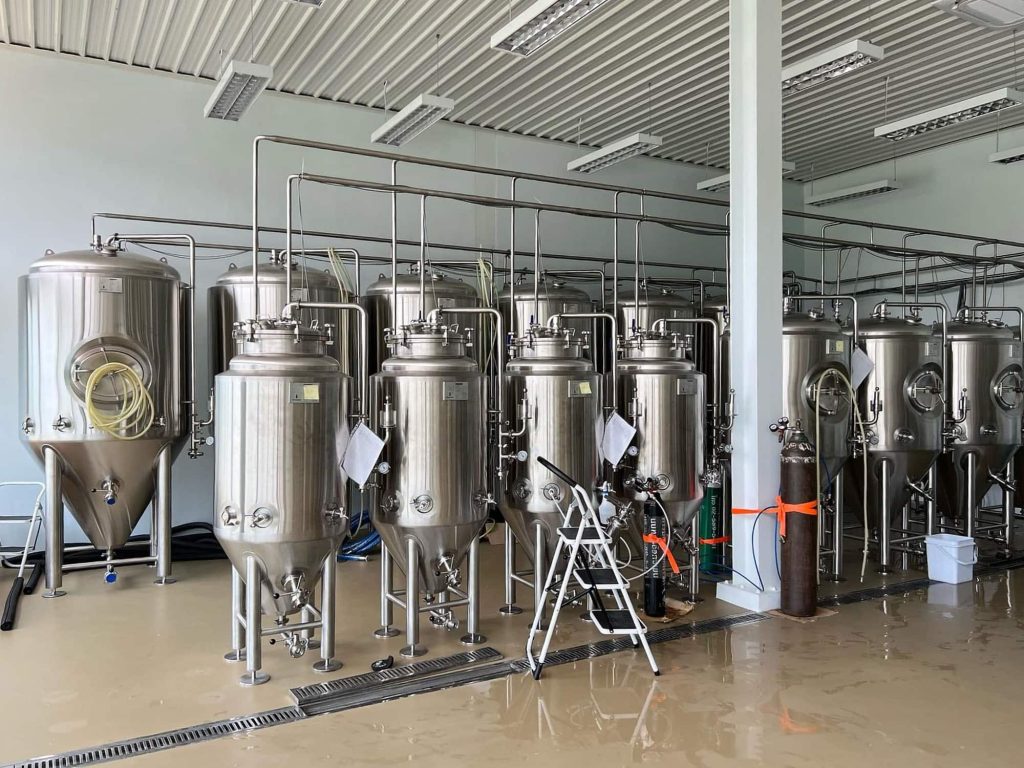
A well-maintained stainless beer fermenter will last for decades, providing consistent performance and reducing the risk of breakdowns. Below are professional maintenance tips from SKE’s team of experts to help you care for your stainless unitank, jacketed fermenter, or industrial beer fermenter.
1. Clean and Sanitize After Each Use: Always clean the fermenter immediately after emptying it to prevent residue buildup. Use a food-grade cleaner (avoid abrasive cleaners that can scratch the stainless steel) and rinse thoroughly. Follow with a sanitizer to kill any remaining bacteria or yeast. SKE’s fermenters are designed with CIP systems to simplify this process, especially for large industrial models.
2. Inspect Seals and Valves Regularly: Check the gaskets, seals, and valves for wear or damage. Damaged seals can lead to air leaks, which can cause oxidation and contamination. Replace any worn parts promptly to ensure airtight operation. SKE provides replacement parts for all our fermenters, ensuring minimal downtime.
3. Monitor Temperature Control Systems: For jacketed fermenters, regularly check the glycol or water circulation system to ensure it is working properly. Clean the jacket to remove any scale or buildup that can reduce heat transfer efficiency. SKE’s automated control systems include alerts for temperature deviations, making it easy to identify issues early.
4. Polish the Stainless Steel Surface: Over time, stainless steel can develop water spots or discoloration. Use a food-grade stainless steel polish to restore the surface and protect it from corrosion. Avoid using chlorine-based cleaners, as they can damage the stainless steel over time.
5. Schedule Professional Inspections: For industrial beer fermenters and large-scale setups, schedule annual inspections by SKE’s technical team. Our experts will check for structural damage, corrosion, and system performance, ensuring your fermenter is operating at its best.
Common FAQs About Stainless Beer Fermenters
Q1: What is the difference between a stainless unitank and a traditional fermenter?
A: The key difference is versatility. A traditional fermenter is used solely for fermentation, requiring the beer to be transferred to a separate conditioning tank after fermentation. A stainless unitank combines fermentation, conditioning, and carbonation into one vessel, eliminating the need for transfers. This saves time, reduces oxygen exposure (which can ruin beer), and maximizes space efficiency. SKE’s unitanks also feature a conical bottom for easy yeast harvesting, making them ideal for craft breweries.
Q2: Why should I choose a jacketed fermenter over a non-jacketed one?
A: Jacketed fermenters offer precise temperature control, which is essential for brewing consistent, high-quality beer. Non-jacketed fermenters rely on external cooling (e.g., ice baths), which is less efficient and harder to control, especially for large batches. Jacketed fermenters use a glycol or water circulation system to maintain a consistent temperature throughout the tank, ensuring yeast performs optimally. This is particularly important for brewing lagers, sours, and other styles that require strict temperature control. SKE’s jacketed fermenters feature a dimple jacket design for uniform heat transfer.
Q3: What size stainless beer fermenter do I need for my brewery?
A: The size depends on your production volume and growth plans. For small craft breweries (producing 100–500 liters per batch), a 500L–2,000L fermenter is ideal. Medium breweries may require 2,000L–10,000L fermenters, while industrial breweries need 10,000L+ industrial beer fermenters. SKE recommends choosing a fermenter that is 20–30% larger than your current batch size to allow for growth. Our team can help you assess your needs and customize a fermenter size that fits your operation.
Q4: Is 304 or 316L stainless steel better for beer fermenters?
A: Both 304 and 316L are food-grade stainless steels, but 316L offers superior corrosion resistance. 304 stainless steel is suitable for most craft breweries and standard beer styles, as it is durable and cost-effective. 316L is recommended for industrial beer fermenters, breweries that produce sour beers (which are more acidic), or those using aggressive cleaning chemicals. SKE offers both options, allowing you to choose the material that best fits your brewing needs and budget.
Q5: How long does a stainless beer fermenter last?
A: With proper maintenance, a high-quality stainless beer fermenter can last 20–30 years or more. SKE’s fermenters are constructed from thick, food-grade stainless steel and feature heavy-duty components, ensuring long-term durability. Regular cleaning, sanitization, and inspections will extend the life of your fermenter and maintain its performance. We also offer repair and maintenance services to keep your equipment running smoothly for decades.
Why Choose SKE for Your Stainless Beer Fermenter Needs?
SKE’s advantages include:
1) High-quality materials: We use only food-grade 304/316L stainless steel to ensure hygiene and durability.
2) Customization: We tailor each fermenter to your specific needs, from size to features.
3) Advanced technology: Our fermenters feature precise temperature control, CIP systems, and automated monitoring for consistent performance.
4) Expert support: Our team of engineers and brewing experts provides full support, from design and installation to maintenance and repair.
Whether you’re starting a small craft brewery or expanding an industrial operation, SKE has the perfect stainless beer fermenter for you. Contact us today to learn more about our products and how we can help you elevate your brewing game.
Conclusion
The stainless beer fermenter is the backbone of any brewery, and choosing the right type—whether a stainless unitank, jacketed fermenter, or industrial beer fermenter—can make all the difference in the quality and efficiency of your beer. With its durability, hygiene, and versatility, stainless steel is the ideal material for beer fermenters, ensuring consistent performance and long-term value.
If you have any further questions, feel free to reach out!
- Facebook: SKE Equipment Facebook
- Email: info@skeequipment.com
For more personalized assistance, please fill out the contact form at the bottom of this page. We look forward to helping you with your brewing needs!