
Beer is a natural product. It contains yeast, hops, and sugars. These ingredients give beer its taste and aroma. However, they also allow bacteria to grow. Without treatment, beer can spoil in a few days. This is a big problem for breweries. They need to sell beer that stays fresh for months.
To solve this problem, brewers use heat. Heat kills bacteria and yeast. This process is called pasteurization. There are different ways to pasteurize beer. One of the most efficient methods is the flash method of pasteurization. This technique is popular among large breweries. It saves time, energy, and protects beer quality.
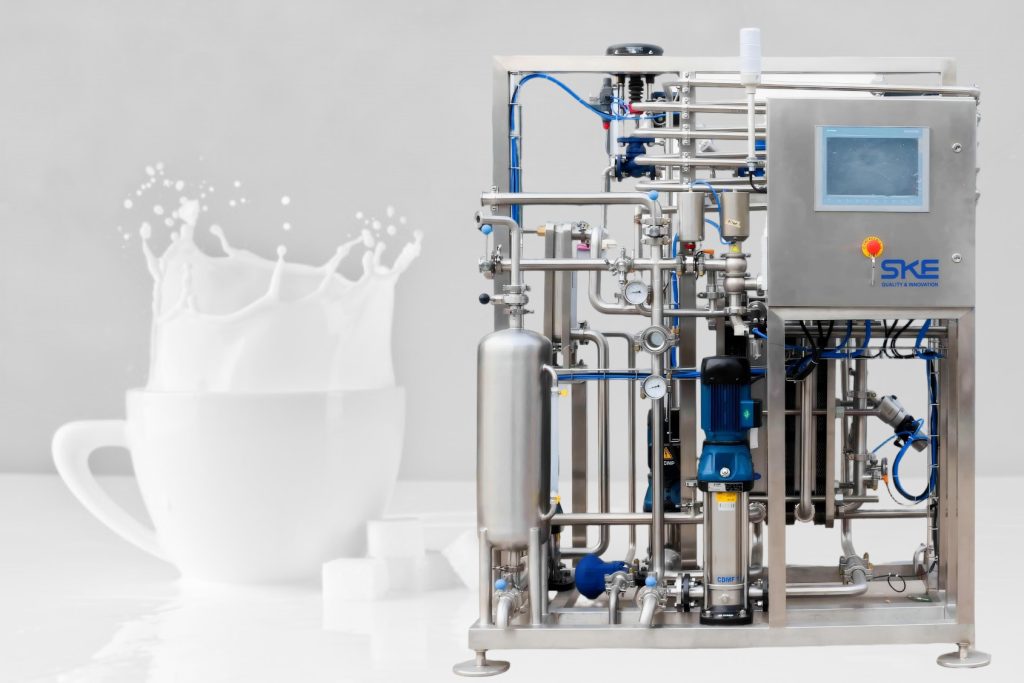
In this article, we will explain how flash pasteurizer beer systems work. We will also look at why the biggest brewing company uses this technology. SKE, a professional beer equipment manufacturer, provides high-quality flash pasteurizers for breweries of all sizes.
What Is the Flash Method of Pasteurization
The flash method of pasteurization is a heating process. It heats beer to a high temperature for a short time. Typical temperatures are 72°C to 75°C (161°F to 167°F). The beer stays at this temperature for only 15 to 30 seconds. Then it is cooled down very quickly.
This is different from traditional tunnel pasteurization. Tunnel pasteurizers heat beer slowly. They work like a long shower of hot water. The process takes 20 to 40 minutes. This long exposure can change the taste of beer. Flash pasteurization is much gentler. Because the heating time is so short, the beer’s flavor stays almost the same.
Many large breweries prefer the flash method pasteurization. It is faster and uses less energy. It also takes up less space in the factory. For a brewing company that produces millions of liters per year, these benefits are very important.
How Does a Flash Pasteurizer Beer System Work
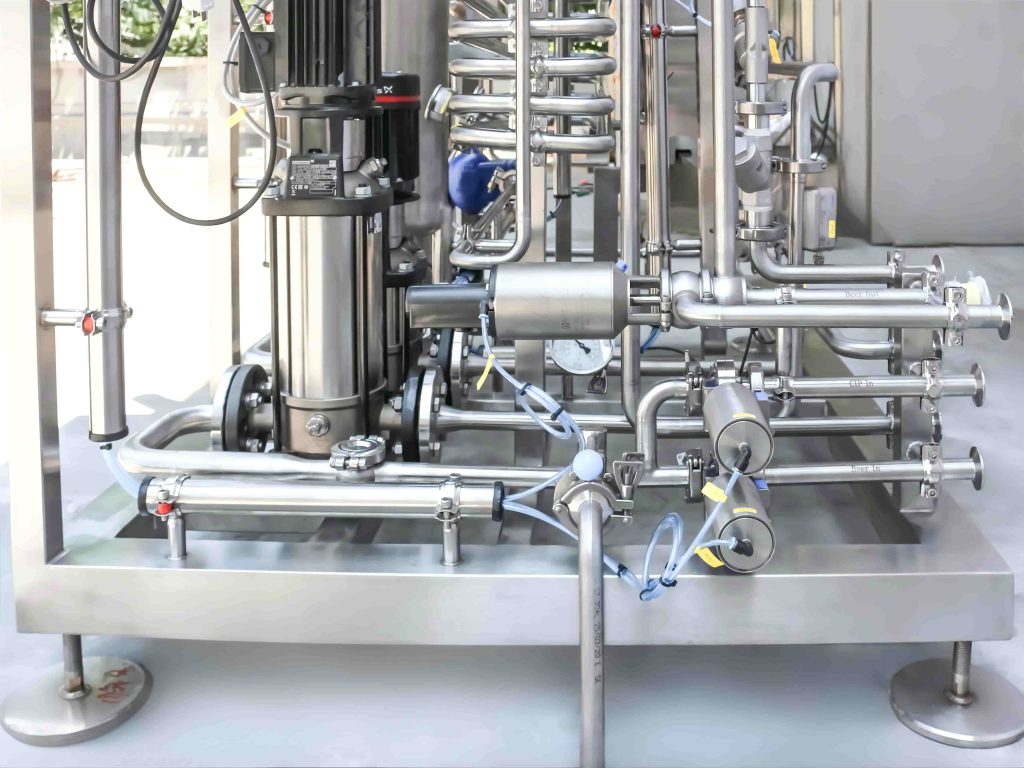
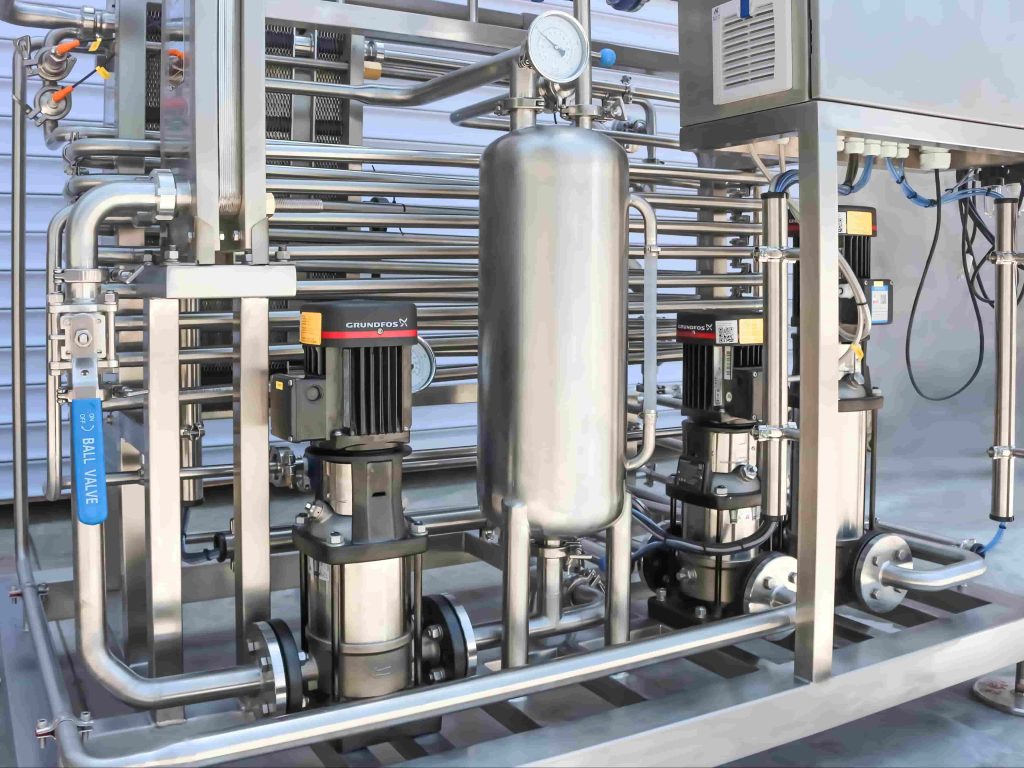
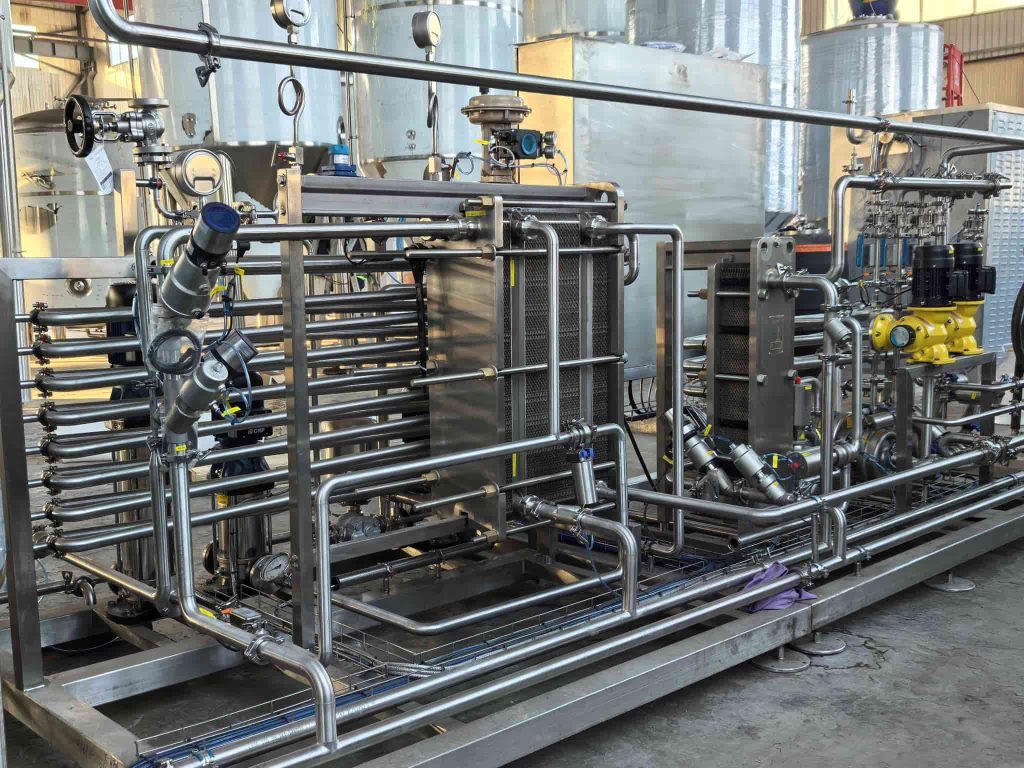
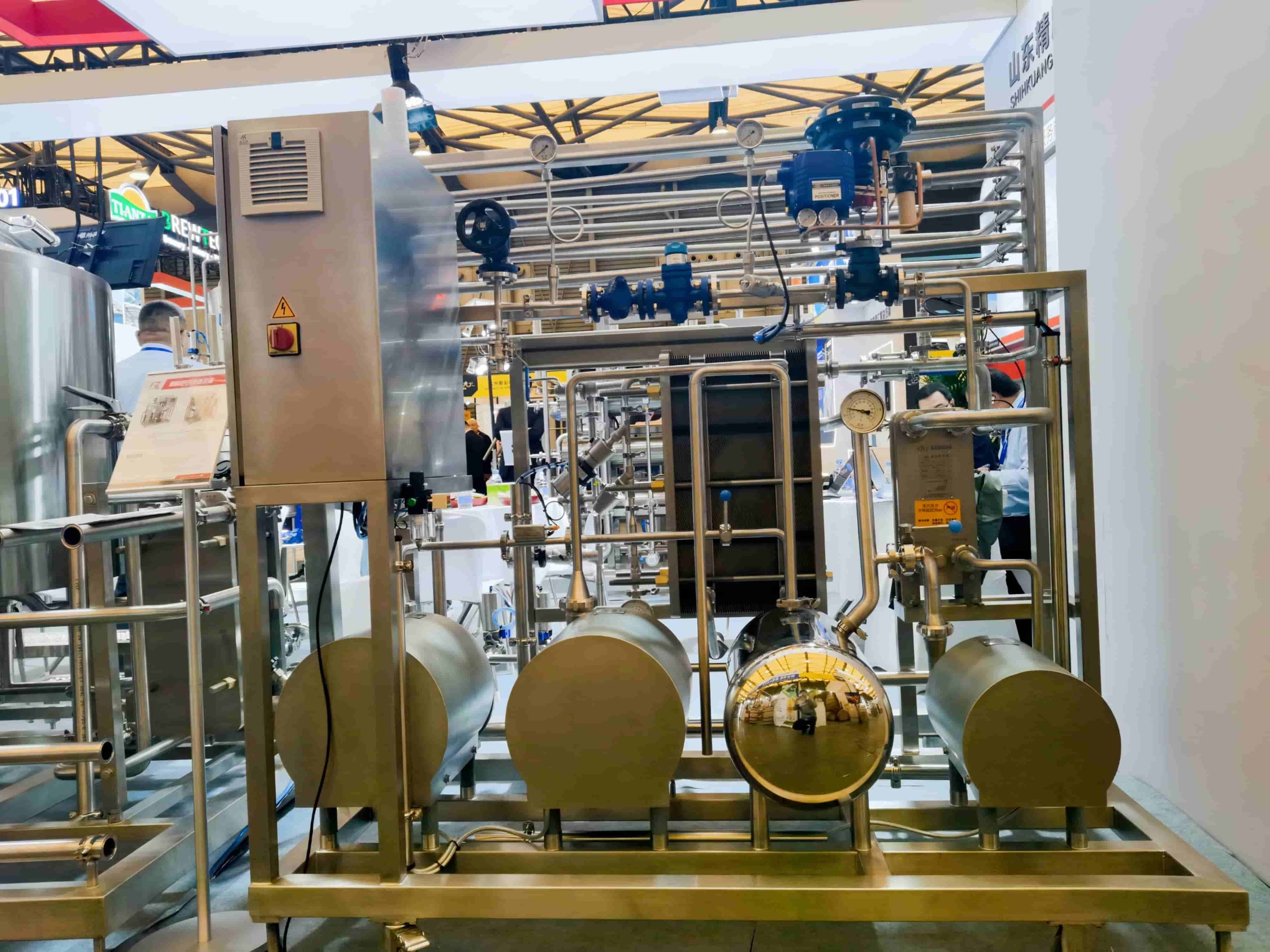
A flash pasteurizer beer system has several main parts. These include a heat exchanger, a holding tube, and cooling sections. The beer flows through stainless steel pipes. The process is continuous. This means beer goes in one end and comes out the other end without stopping.
First, the cold beer enters the system. It passes through a heat exchanger. Here, it meets hot beer coming from the other side. The cold beer gets warmer, and the hot beer gets cooler. This saves a lot of energy. Next, the beer goes to a heating section. Hot water or steam raises the temperature to 72°C.
Then the beer moves through a long, thin tube called the holding tube. The length of this tube is calculated exactly. It takes 15 to 30 seconds for the beer to pass through. After this, the beer is cooled again in the heat exchanger. Finally, it goes to a filling machine. The whole process is controlled by computers.
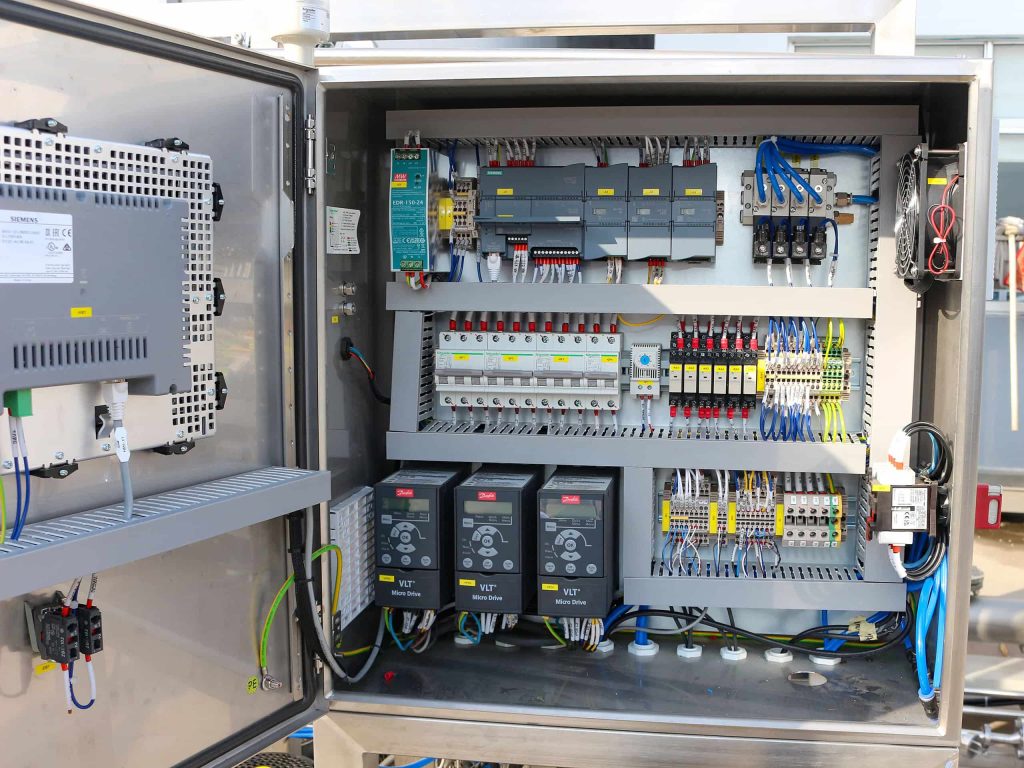
SKE manufactures flash pasteurizers with advanced control systems. Our equipment ensures precise temperature and time. This guarantees safety and quality for every drop of beer.
Why Large Breweries Choose Flash Pasteurization
Large breweries produce huge volumes of beer. They need fast and reliable methods. Tunnel pasteurizers are slow and big. They also use a lot of water and electricity. For the biggest brewing company, these costs add up quickly. That is why many leading brands use the flash method pasteurization.
Here are the main reasons large breweries choose flash pasteurizers:
-
Speed: A flash pasteurizer can process 100,000 liters per hour or more.
-
Energy saving: Up to 80% less energy compared to tunnel systems.
-
Small footprint: The machine takes very little floor space.
-
Better taste: Short heating time preserves hop aroma and fresh flavor.
-
Lower water use: No hot water showers needed.
Many industry reports show that the biggest brewing company in the world uses flash pasteurization for its main brands. Companies like Anheuser-Busch InBev, Heineken, and Carlsberg have adopted this technology widely. They trust flash pasteurizers to deliver safe beer with consistent quality.
Comparison: Flash Pasteurization vs. Tunnel Pasteurization
To help you understand the differences, here is a simple table. SKE recommends this comparison for customers choosing between the two methods.
| Feature | Flash Pasteurizer | Tunnel Pasteurizer |
|---|---|---|
| Heating time | 15–30 seconds | 20–40 minutes |
| Temperature | 72–75°C (161–167°F) | 60–65°C (140–149°F) |
| Energy use | Low (with heat recovery) | High |
| Floor space needed | Small (2–5 m²) | Large (20–50 m²) |
| Effect on taste | Minimal | Some cooked flavors |
| Water consumption | Low | High |
| Best for | Large breweries, lagers, light beers | Small breweries, cans, glass bottles |
| Continuous operation | Yes | Yes, but slower |
As you can see, the flash method of pasteurization is better for large volumes. However, tunnel pasteurizers are still used for beer in glass bottles. That is because bottles can break with sudden temperature changes. Flash pasteurization is usually done before filling. It works best for kegs, cans, and large tanks.
The Role of SKE in Modern Brewing
SKE is a trusted manufacturer of beer equipment. We design and build flash pasteurizer beer systems for breweries around the world. Our machines are made from high-quality stainless steel. They are easy to clean and maintain. We also provide installation and training services.
Our flash pasteurizers use a plate heat exchanger. This design is very efficient. It recovers up to 95% of heat. The control system uses PLC and HMI screens. Operators can see the temperature and flow rate in real time. Alarms sound if anything goes wrong. This ensures that every batch of beer is safe.
SKE serves both medium and large breweries. We understand the needs of high-volume production. Our equipment helps brewers save money and improve taste. Many of our clients have switched from tunnel to flash pasteurization. They report lower energy bills and happier customers. If you are planning to expand your brewery, SKE can help you choose the right solution.
Challenges and Solutions in Flash Pasteurization
No technology is perfect. Flash pasteurization also has some challenges. One challenge is that the beer must be very clear. Particles or yeast can block the heat exchanger. Another challenge is that carbon dioxide (CO₂) can be lost during heating. This can make the beer less fizzy.
Luckily, there are solutions. First, brewers can filter the beer before flash pasteurization. This removes solid particles. Second, modern flash pasteurizers use a method called deaeration. They remove oxygen before heating. This keeps the CO₂ inside the beer. Third, the system can be designed with back-flushing. This cleans the heat exchanger automatically.
Our machines handle a wide range of beer types, including wheat beer, lager, and non-alcoholic beer. We also offer deaeration systems as an option. This gives you complete control over gas levels.
Energy Efficiency and Sustainability
Today, breweries care about the environment. Energy and water are expensive. They also create a carbon footprint. Flash pasteurization is a green technology. It uses much less energy than tunnel pasteurization. The heat recovery system reuses energy from the hot beer to warm up the cold beer. This means the boiler works less.
For the biggest brewing company, saving energy is a top goal. Many large breweries have committed to reducing CO₂ emissions. Flash pasteurization helps them reach these goals. Some breweries have reported a 70% reduction in energy use after switching from tunnel to flash.
SKE supports sustainable brewing. Our flash pasteurizer beer systems are designed for minimal waste. They use less water and electricity. They also reduce the need for chemical cleaning. This is good for your business and good for the planet.
FAQ: Flash Pasteurizer Beer
Here are answers to common questions about flash pasteurization.
Q1: Does flash pasteurization change the taste of beer?
A: Very little. The short heating time preserves most flavors. Many drinkers cannot tell the difference between flash-pasteurized and unpasteurized beer.
Q2: Can I use a flash pasteurizer for all beer styles?
A: Yes, but with care. Hazy beers and high-protein beers may clog the heat exchanger. Filtration is recommended. SKE can customize your system for different beer styles.
Q3: What is the shelf life of flash-pasteurized beer?
A: Typically 6 to 12 months. This depends on storage temperature and packaging. Cool storage gives longer shelf life.
Q4: Is flash pasteurization safe for non-alcoholic beer?
A: Yes, it is very safe. Non-alcoholic beer has no alcohol to kill bacteria. Flash pasteurization provides full microbial safety.
Q5: Does the biggest brewing company use flash pasteurization?
A: Yes. Major brands like Budweiser, Heineken, and Carlsberg use flash pasteurizers for many of their products.
Q6: Can I retrofit a flash pasteurizer into an existing brewery?
A: Usually yes. The system is compact. It can be installed between your fermenter and filling line. SKE offers engineering support for retrofits.
Conclusion: Why Your Brewery Needs a Flash Pasteurizer
If you run a large brewery, efficiency is key. Tunnel pasteurizers are old technology. They are slow, hot, and big. The flash method of pasteurization is better. It is fast, gentle, and cheap to run. It keeps your beer fresh and tasty.
The biggest brewing company has already made the switch. Now, many large breweries are following. SKE is ready to help you join them. We make high-quality flash pasteurizer beer systems. Our machines are reliable, energy-saving, and easy to use.
Contact SKE today to learn more. We can send you a technical datasheet and a price list. Let us help you brew better beer, faster and cheaper.
If you have any further questions, feel free to reach out!
- Facebook: SKE Equipment Facebook
- Email: info@skeequipment.com
For more personalized assistance, please fill out the contact form at the bottom of this page. We look forward to helping you with your brewing needs!