
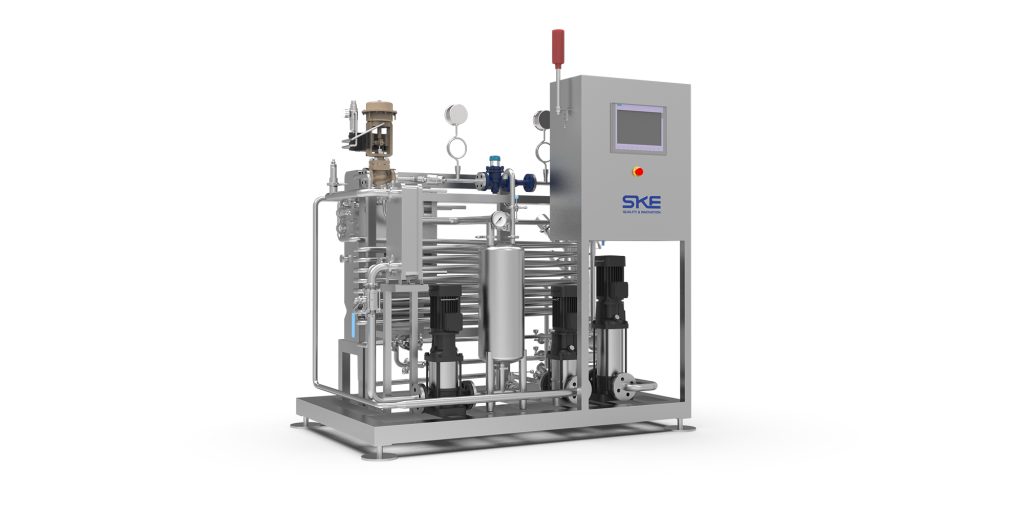
When you make beer or kombucha, keeping your product safe is very important. You want to stop bad bacteria from growing. But you do not want to destroy the good taste. This is where a flash pasteurization system becomes very useful.
Many small and large breweries use this method. It heats the liquid for a short time. Then it cools it down very fast. This kills harmful microorganisms. At the same time, it keeps the flavor fresh. In this article, we will explain how this system works. We will also talk about flash pasteurization of beer and other drinks.
SKE is a trusted name in brewing technology. We make equipment for breweries of all sizes. Whether you make craft beer or run a large factory, we can help you. Let us explore the science and benefits of flash pasteurization together.
What is a Flash Pasteurization System?
A flash pasteurization system is a heat exchanger. It raises the temperature of a liquid very quickly. The liquid stays at that high temperature for a few seconds. Then it is cooled down just as fast. This process is also called “high-temperature short-time” (HTST) treatment.
The main goal is to reduce microbes. These include yeast, mold, and bacteria. Flash pasteurization does not sterilize the product. Sterilization kills everything. Pasteurization only kills pathogens and spoilage organisms. This is enough for beer and kombucha.
Why is it called “flash”? Because the heat treatment is very short. Usually, it takes 15 to 30 seconds. The temperature is between 71°C and 74°C (160°F to 165°F). For some products, you might use a higher flash pasteurization temp. For example, juice or milk may need different settings. But for beer, the standard range works well.
The system has several parts. These include a heating section, a holding tube, and a cooling section. All parts are made of stainless steel. This ensures hygiene and durability.
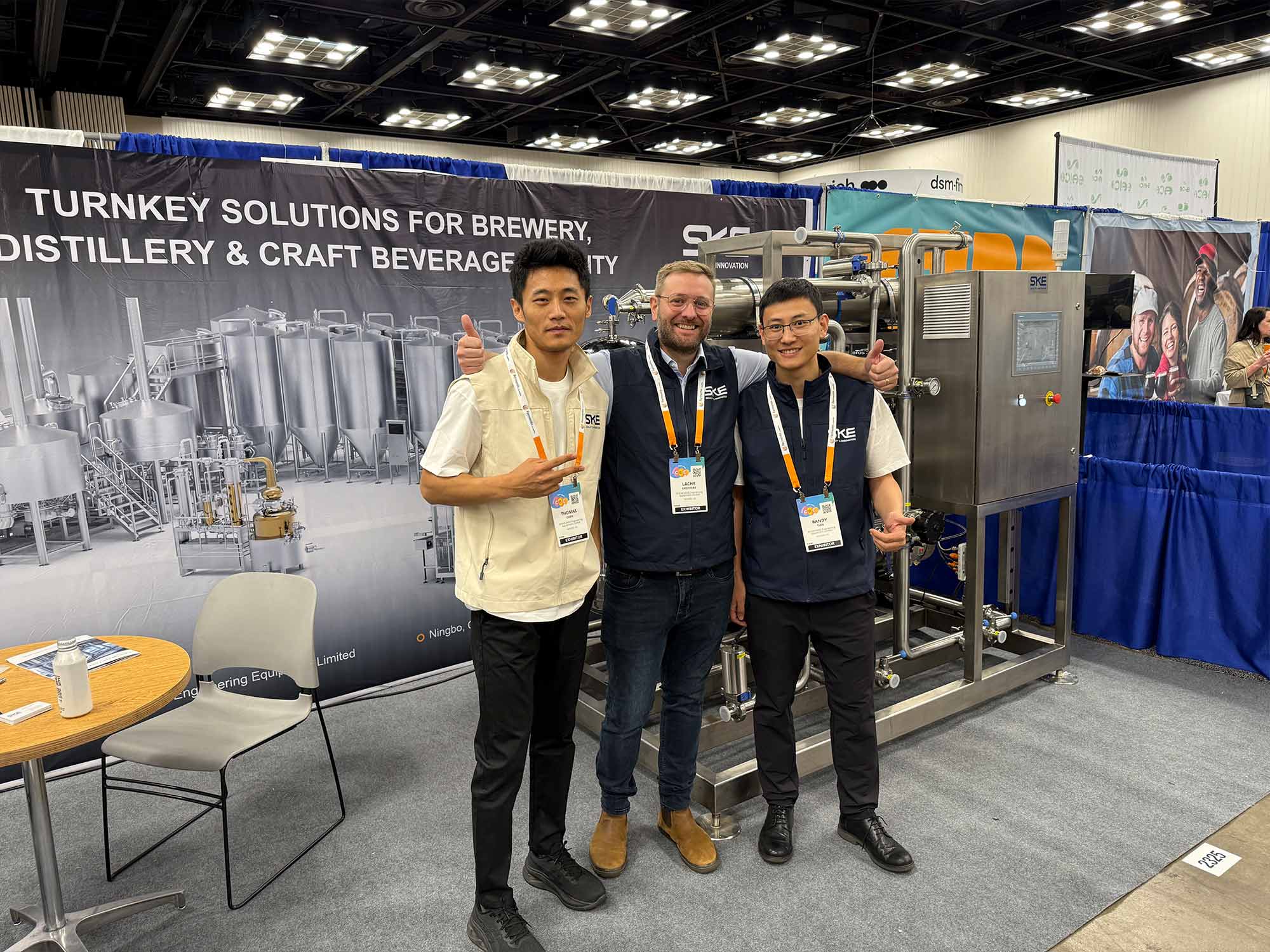
Flash Pasteurization of Beer: Why It Matters
The flash pasteurization of beer is a common practice in the industry. Large breweries use it to extend shelf life. Small breweries may use it for special products. Let us look at the main benefits.
First, it stops biological instability. Beer contains live yeast if it is not filtered. It may also contain bacteria from the environment. Flash pasteurization kills these unwanted guests. The beer can then last for 6 to 12 months without refrigeration.
Second, it protects the taste. Unlike tunnel pasteurization, flash heating is gentle. Tunnel pasteurization heats the bottles slowly. This can create a “cooked” flavor. Flash pasteurization avoids this. The beer is heated for only seconds. Then it is cooled immediately. The hop aroma and malt character stay fresh.
Third, it is energy efficient. The system uses heat recovery. The hot pasteurized beer warms up the incoming cold beer. This reduces energy costs. SKE designs our systems with this feature as standard.
However, not all beers need pasteurization. Highly hopped beers like IPAs have natural protection. Hops have antimicrobial properties. But for lagers, wheat beers, and low-alcohol beers, pasteurization is a good idea.
Commercial Kombucha Brewing Equipment and Pasteurization
Kombucha is a fermented tea drink. It is popular for its probiotic benefits. But kombucha is also acidic and contains live cultures. This makes it tricky to handle. If you are making kombucha for sale, you need commercial kombucha brewing equipment. And pasteurization is a key part of the process.
Why pasteurize kombucha? Unpasteurized kombucha continues to ferment. It can become too sour or fizzy. Bottles might even explode. Also, the alcohol level can rise above 0.5%. This makes it a regulated alcoholic beverage in many countries. Flash pasteurization stops fermentation. It kills the yeast and bacteria. This keeps the product stable.
However, there is a downside. Pasteurization kills the probiotics. Some brands choose not to pasteurize for this reason. Others use a “cold chain” distribution. But for large-scale production, flash pasteurization is the safest choice.
SKE makes commercial kombucha brewing equipment that includes flash pasteurizers. Our systems are gentle. They preserve the tea flavor and the fruit notes. You can adjust the flash pasteurization temp to suit your recipe. Typical kombucha pasteurization is 71°C for 15 seconds. This balances safety and quality.
If you want an unpasteurized product, we also offer sterile filtration systems. Talk to our team to find the best solution for your brand.
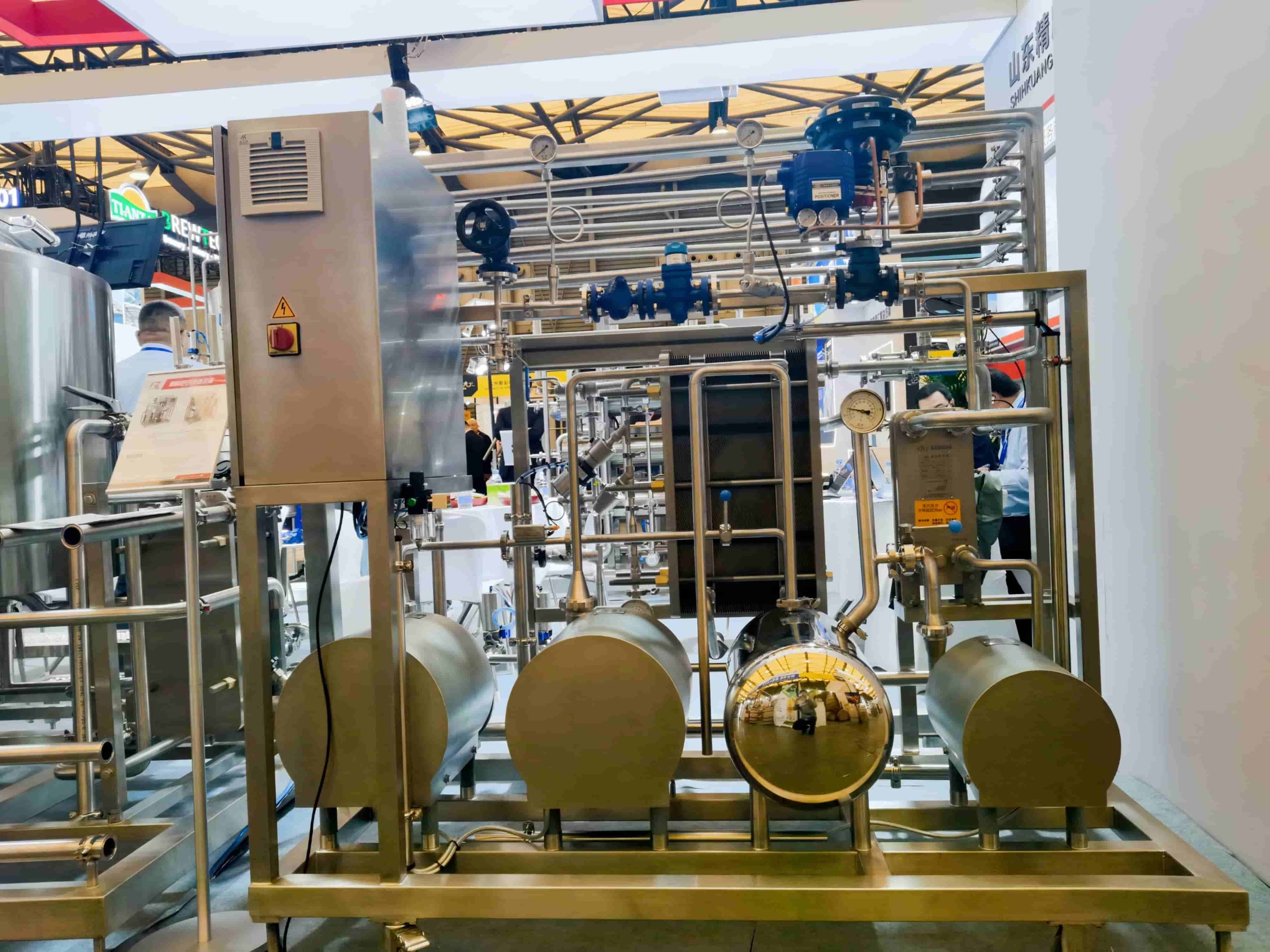
Flash Pasteurization Temp: Finding the Right Setting
The flash pasteurization temp is critical. Too low, and you do not kill the microbes. Too high, and you damage the flavor. For beer, the standard is 72°C for 15 to 30 seconds. For kombucha, similar temperatures work. But what about other drinks?
Here is a simple table. It shows common pasteurization conditions for different beverages.
| Beverage Type | Temperature (°C) | Time (seconds) | Purpose |
|---|---|---|---|
| Beer (lager, ale) | 71–74 | 15–30 | Kill yeast and spoilage bacteria |
| Kombucha | 70–72 | 15–20 | Stop fermentation, prevent overcarbonation |
| Fruit juice | 85–90 | 15–30 | Destroy enzymes and pathogens |
| Milk | 72 | 15 | Kill pathogenic bacteria (e.g., Salmonella) |
| Cider | 71–74 | 20–30 | Stabilize for bottling |
As you can see, beer and kombucha use lower temperatures. This is because alcohol and acidity already provide some protection. SKE systems allow precise control. You can set the temperature within 0.5°C accuracy. This ensures consistent results.
Always test your product first. Take samples and check the microbial count. Adjust the flash pasteurization temp slowly. Work with a lab to confirm safety. Remember: over-pasteurization can cause haze or off-flavors. Under-pasteurization is a safety risk.
Largest Alcohol Companies in the World: How They Use Flash Pasteurization
The largest alcohol companies in the world produce millions of hectoliters of beer every year. Names like Anheuser-Busch InBev, Heineken, Carlsberg, and Molson Coors dominate the market. These giants rely on flash pasteurization to keep their beer stable.
Why do they use this method? Scale. When you make 10 million bottles a day, you cannot afford returns. Flash pasteurization guarantees a shelf life of 9 to 12 months. The beer can travel across oceans. It can sit on store shelves in hot climates. Customers always get a fresh product.
These companies also care about efficiency. Flash pasteurization uses less energy than tunnel pasteurization. It also takes up less floor space. A single flash pasteurizer can handle 100,000 liters per hour. That is perfect for industrial production.
But what about craft brewers? Many craft brewers avoid pasteurization. They say it kills “living beer.” However, some successful craft brands use flash pasteurization. They do it for export beers or canned products. SKE provides systems for both large and small producers.
If you want to grow your brewery, think about pasteurization. It opens new markets. You can sell to supermarkets. You can ship to other countries. SKE will help you choose the right capacity.
SKE Equipment: Designed for Quality and Reliability
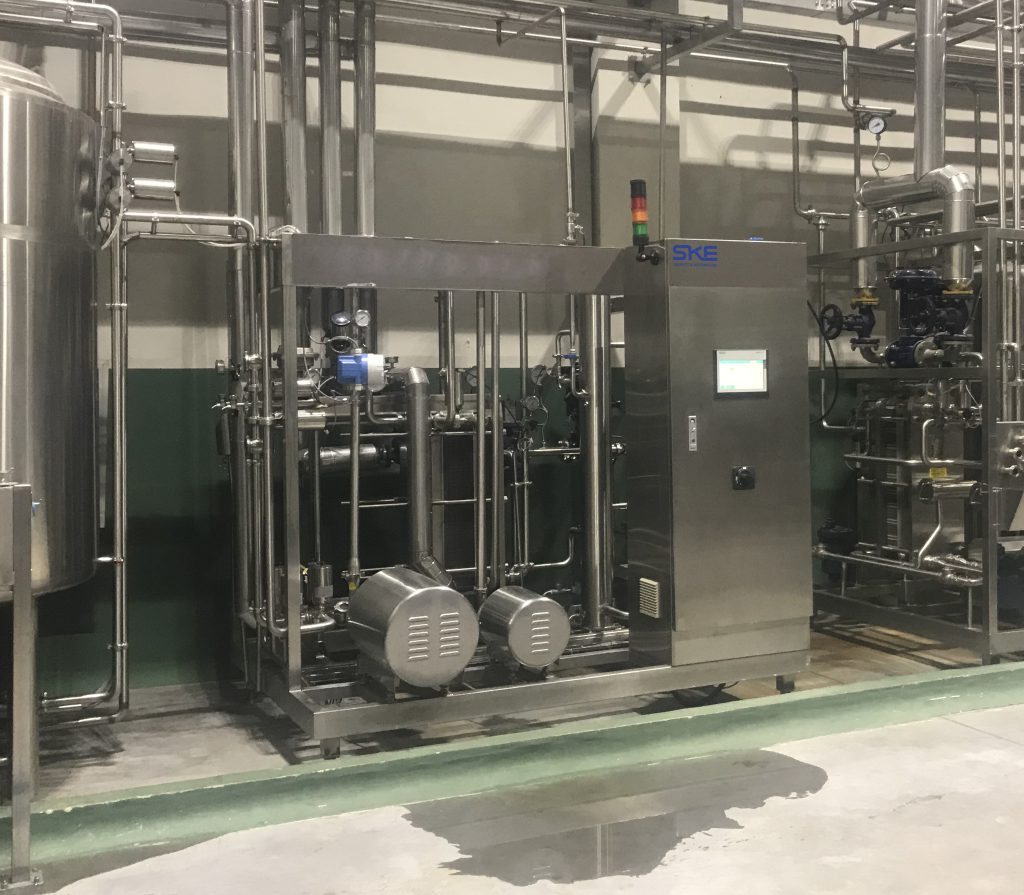
SKE is a professional manufacturer of brewing equipment. We have been in the industry for many years. Our flash pasteurization system is built to the highest standards. We use 304 and 316 stainless steel. All welds are smooth and easy to clean. Our systems are CIP (clean-in-place) ready.
What makes SKE different? First, we offer customization. You can choose the flow rate from 500 L/h to 50,000 L/h. Second, we include a data recorder. You can track every batch. Third, we provide training. Our engineers will install the system and teach your team.
We also supply complete breweries. From mash tuns to fermenters to bright beer tanks. And of course, we supply commercial kombucha brewing equipment. If you are starting a kombucha brand, we are your partner.
Contact SKE today. We will send you a quote and a drawing. Let us help you make safe, tasty, and stable beverages.

Frequently Asked Questions (FAQ)
Q1: What is the difference between flash pasteurization and tunnel pasteurization?
A: Flash pasteurization heats the liquid before packaging. It takes 15–30 seconds. Tunnel pasteurization heats the already filled bottles or cans. It takes 30–60 minutes. Flash is faster and gentler on flavor.
Q2: Can I pasteurize beer at home?
A: Home pasteurization is risky. It is hard to control the temperature. You might break bottles or ruin the taste. Commercial equipment from SKE is safe and precise.
Q3: Does flash pasteurization kill alcohol?
A: No. Alcohol has a boiling point of 78°C. Flash pasteurization stays below 75°C. The alcohol content stays the same.
Q4: Do the largest alcohol companies in the world use flash pasteurization?
A: Yes. Most large breweries use flash pasteurization for cans and bottles. It is the industry standard for shelf-stable beer.
Q5: What is the best flash pasteurization temp for kombucha?
A: 71°C for 15 seconds is common. This stops fermentation without destroying too many flavor compounds. Always test your own recipe.
Conclusion
Flash pasteurization is a proven technology. It keeps beer and kombucha safe. It extends shelf life. And when done correctly, it preserves flavor. Whether you are a craft brewer or a large factory, SKE has the right solution for you.
We hope this article helped you understand the flash pasteurization system. Remember the key numbers: 72°C for 15 seconds. That is the sweet spot for most beers. For kombucha, adjust slightly lower. And always buy from a reliable manufacturer.
SKE is ready to support your business. We offer professional advice, high-quality equipment, and after-sales service. Contact us today. Let us build your next brewing project together.
If you have any further questions, feel free to reach out!
- Facebook: SKE Equipment Facebook
- Email: info@skeequipment.com
For more personalized assistance, please fill out the contact form at the bottom of this page. We look forward to helping you with your brewing needs!