
Introduction

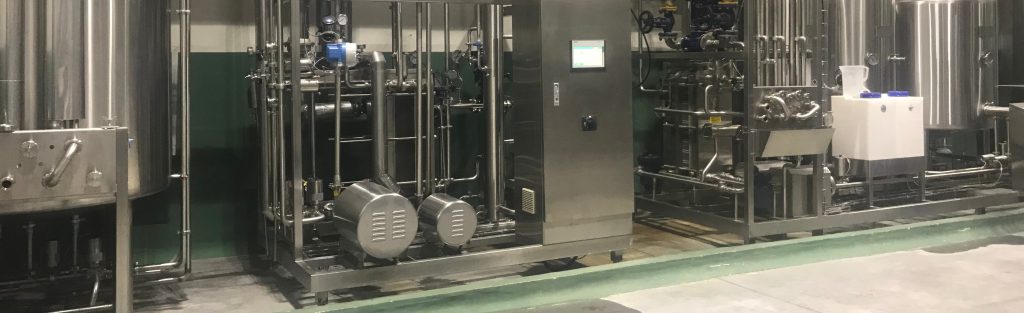
Commercial pasteurization equipment plays a pivotal role in ensuring the safety and quality of various food and beverage products. From dairy to juices, pasteurization helps to extend the shelf life of perishable goods by eliminating harmful pathogens while preserving essential nutrients and flavors. In this blog post, we will explore the numerous benefits of commercial pasteurization equipment in the food industry.
Ensured Food Safety
One of the primary benefits of commercial pasteurization equipment is its ability to ensure food safety. By subjecting foods and beverages to high temperatures for a specific duration, pasteurization effectively kills harmful bacteria, viruses, and parasites that may be present. The CDC estimates foodborne illness affects roughly 1 in 6 Americans every year — pasteurization is one of the most direct, well-established controls against it.
Extended Shelf Life
Commercial pasteurization equipment helps to extend the shelf life of perishable products, allowing manufacturers to distribute their goods over longer distances and store them for extended periods. By eliminating or reducing the microbial load, pasteurization slows down the spoilage process, thereby increasing the product’s longevity without compromising its quality.
Preservation of Nutrients and Flavor
Unlike some other preservation methods, such as sterilization, commercial pasteurization equipment preserves the nutritional content and natural flavors of food and beverages. The gentle heat treatment used in pasteurization minimizes nutrient degradation and flavor alteration, ensuring that the final products retain their quality and taste.
Versatility and Flexibility
Modern commercial pasteurization equipment is highly versatile and adaptable to various food and beverage processing needs. Whether it’s dairy products, juices, or even certain pharmaceuticals, pasteurization can be tailored to suit different applications and production volumes. This flexibility makes it an indispensable tool for manufacturers across industries.
Cost-Effectiveness
While the initial investment in commercial pasteurization equipment may seem significant, it proves to be cost-effective in the long run. By preventing product spoilage and reducing the risk of recalls due to contamination, commercial pasteurization equipment helps manufacturers save money on potential losses and regulatory fines. Additionally, the extended shelf life of pasteurized products allows for better inventory management and reduced waste.
Environmental Sustainability
Pasteurization contributes to environmental sustainability by reducing food waste. By extending the shelf life of perishable products, pasteurization helps minimize the amount of food discarded due to spoilage, thereby conserving resources and reducing greenhouse gas emissions associated with food production and disposal.
For a detailed breakdown of batch, continuous-flow, and UHT pasteurizers — including their tradeoffs — see our guide to types of pasteurization equipment.
SKE builds pasteurization systems across this range — from compact batch units for smaller producers to continuous HTST and UHT lines for high-volume dairy, juice, and beverage plants — sized to the throughput and product type each operation needs.
Conclusion
Commercial pasteurization equipment offers a myriad of benefits to the food and beverage industry, ranging from enhanced food safety to extended shelf life and cost-effectiveness. By investing in high-quality pasteurization equipment and implementing robust processing protocols, manufacturers can ensure the production of safe, high-quality products that meet consumer demands while also contributing to environmental sustainability.
FAQ
Q: What is pasteurization, and how does it work?
A: Pasteurization is a heat treatment process that involves heating food or beverages to a specific temperature for a set period to destroy harmful pathogens while preserving the product’s quality. It works by denaturing the proteins and enzymes of microorganisms, rendering them inactive and preventing spoilage.
Q: Are there different types of pasteurization equipment?
A: Yes, there are various types of pasteurization equipment, including batch pasteurizers, continuous flow pasteurizers, and ultra-high-temperature (UHT) pasteurizers. The choice of equipment depends on factors such as the type of product, production volume, and processing requirements.
Q: Does pasteurization affect the taste of food and beverages?
A: Pasteurization is designed to minimize changes in taste and flavor. Unlike other preservation methods that may alter the sensory properties of products, pasteurization aims to preserve the natural taste and aroma of food and beverages while ensuring safety and shelf life.
Q: Is pasteurization required for all food and beverage products?
A: Pasteurization is recommended for certain perishable products, particularly those prone to contamination by harmful pathogens, such as dairy, juices, and some alcoholic beverages. However, not all foods require pasteurization, and the necessity depends on factors such as the product’s composition, intended use, and regulatory requirements.
Q: How can I ensure the effectiveness of pasteurization?
A: To ensure the effectiveness of pasteurization, it’s essential to follow proper processing protocols, including accurately controlling temperature and time parameters, maintaining equipment cleanliness and calibration, and regularly monitoring microbial levels through testing and analysis. Additionally, adhering to regulatory standards and best practices is crucial for ensuring product safety and quality.