Introduction: The New Era for Large Breweries
The global beer market is changing. The largest beer companies are seeing a big shift in what people want. People are drinking less traditional beer. They want healthier options. They want drinks with low alcohol or no alcohol. They want drinks made with mixed fermentation. This includes new drinks like kombucha beers and hybrid fermented beverages.
BarthHaas reports that the world’s top 40 brewing groups sold 1,586 million hectolitres of beer in 2025. This was down 3.1% from the year before . But there is good news. The no-alcohol beer market grew by 8% in 2025 . Big companies like AB InBev and Heineken are investing a lot in no-alcohol beers. AB InBev saw a 27% revenue increase for its no-alcohol beer in early 2026 . Companies like Asahi aim to have 20% of their sales come from low-alcohol and no-alcohol drinks by 2030 .
This creates a need for new equipment. Large breweries need modern stainless mixing tank and tank mixing systems. They need equipment that is flexible, smart, and clean. This article looks at five core advantages of medium and large breweries. These established producers are able to develop healthier, high-quality drinks. Solid comprehensive strengths make well-equipped breweries competitive in this new market.
Advantage 1: Production Flexibility for New Drinks
The days of making only one type of beer are over. Large breweries now make many products. They make low-alcohol beers, no-alcohol beers, and mixed fermentation drinks. This requires flexible equipment. A modern stainless mixing tank with smart tank mixing technology can handle many recipes.
Flexible tanks let brewers switch between different drinks quickly. They can make a traditional lager in one batch and a kombucha beer in the next. This is important because mixed fermentation drinks are becoming popular. These drinks use different yeasts and bacteria. They need precise control during fermentation.
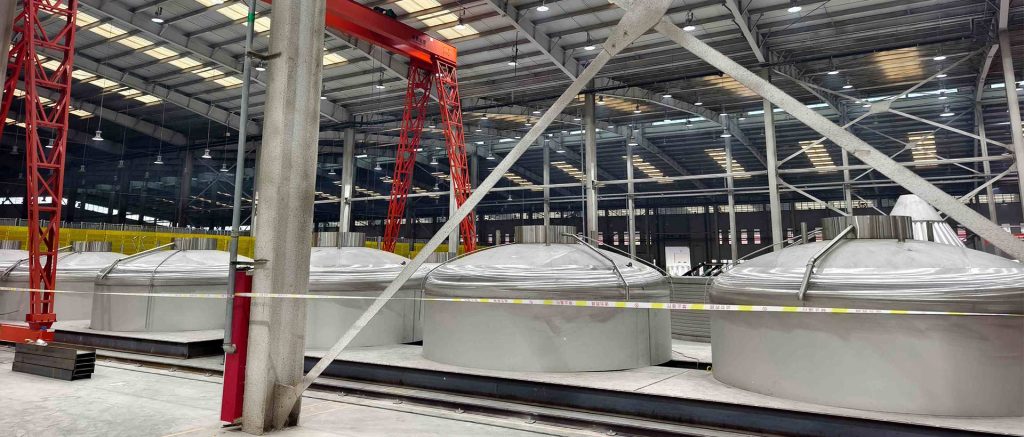
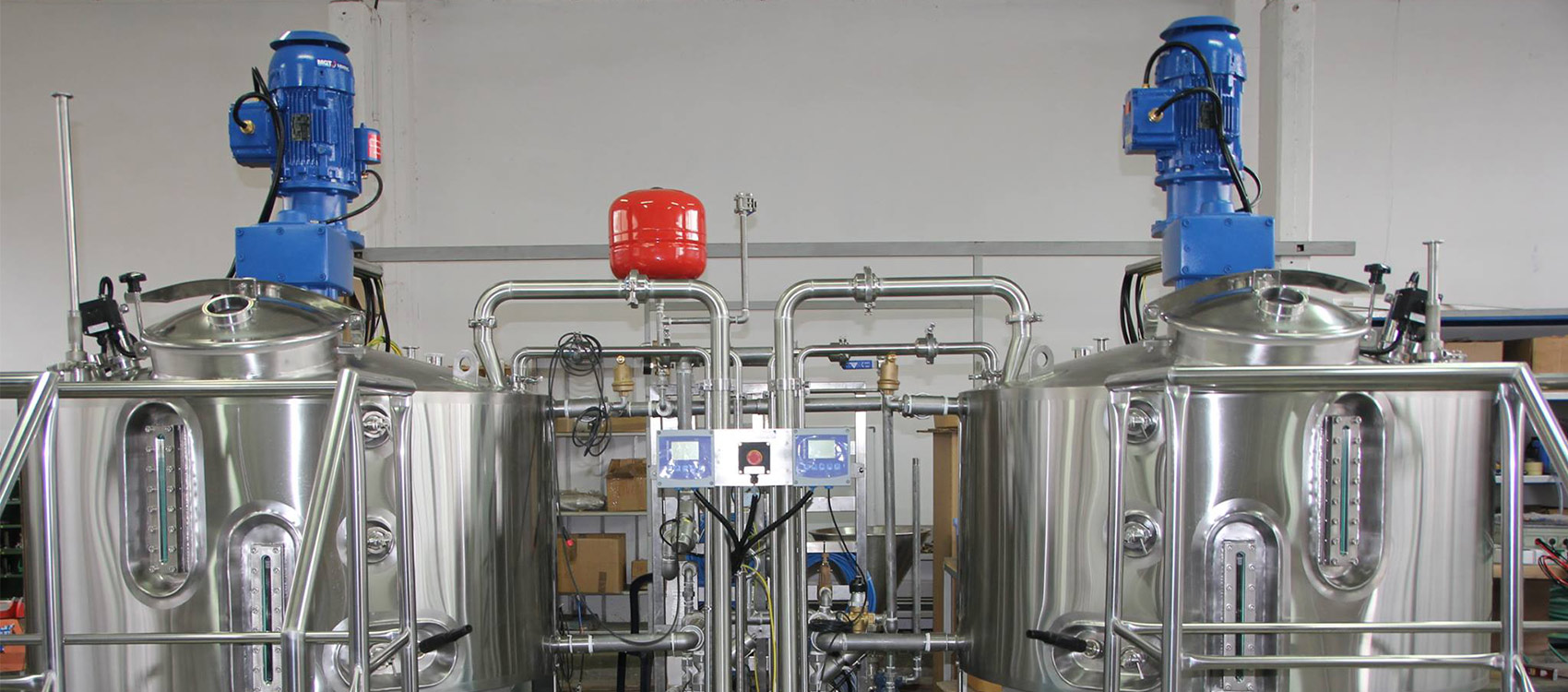
The design of the mixing tank is very important. Tanks with the right agitators and impellers can mix ingredients evenly. This is key for new drinks with complex flavors. SKE designs tanks with precision TIG welding and mirror polishing . This ensures perfect sanitation and mixing. Large breweries need this flexibility to meet changing consumer tastes.
Advantage 2: Low-Carbon and Energy-Saving Operations
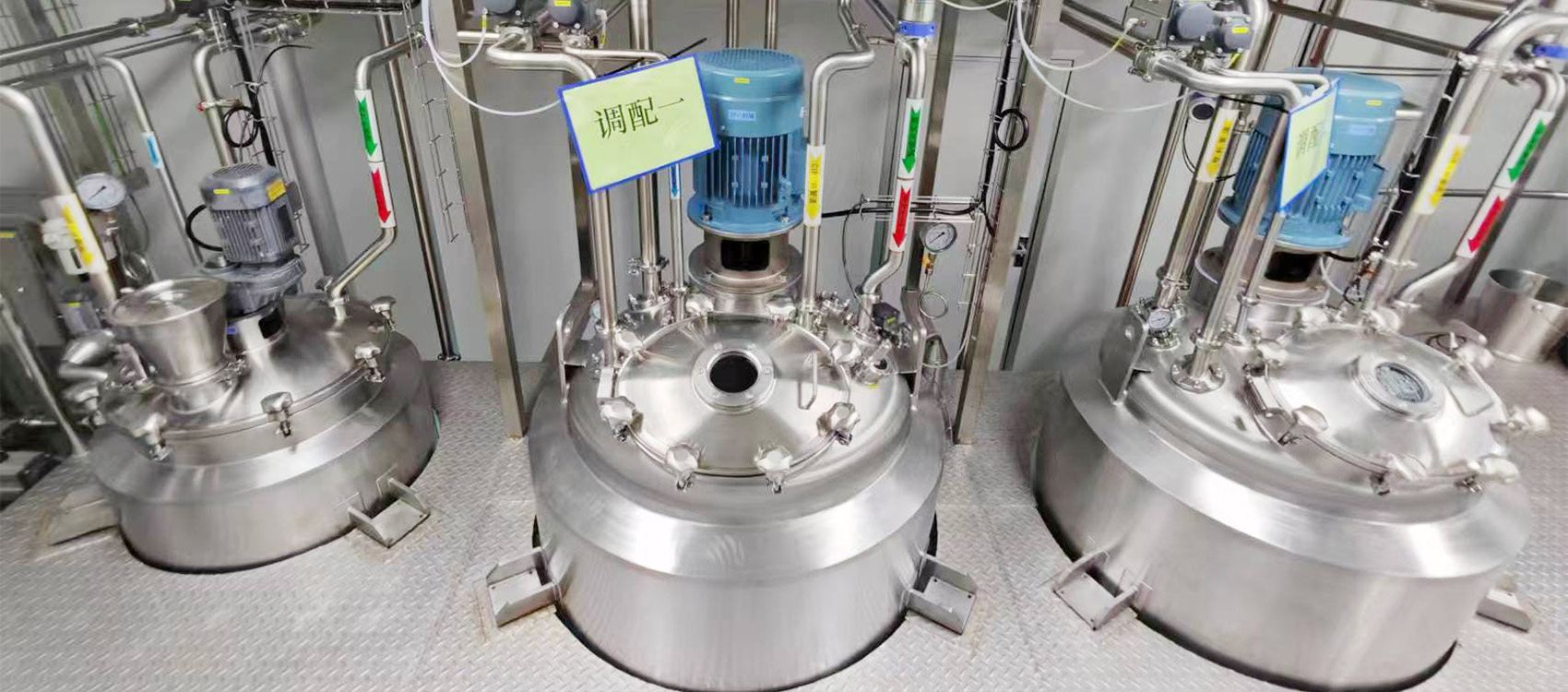
Sustainability is a major focus for the largest beer companies. They want to reduce their carbon footprint. They also want to save money on energy. Modern brewing equipment helps with both goals. Advanced stainless mixing tank systems are designed to use less energy.
New automation technologies help save energy. ABB and B&R show how automation can reduce energy use in breweries . Their systems optimize the brewing process. They control temperature and pressure more precisely. This means less energy is wasted. It also means less water is used.
Smart CIP (Clean-In-Place) systems are another way to save resources. SKE’s CIP solutions can reduce water use by 25-30% . This is a big saving for large breweries. They use thousands of liters of water every day. By using less energy and water, brewers can lower their costs. They can also meet their sustainability goals. This is good for the planet and good for business.
| Feature | Benefit |
|---|---|
| Smart Energy Management | Reduces electricity use during brewing |
| Efficient CIP Systems | Saves water and chemicals |
| Precise Temperature Control | Prevents energy waste |
| Insulated Tanks | Keeps temperature stable with less energy |
| Heat Recovery Systems | Reuses heat from the brewing process |
| Automated Valve Control | Prevents leaks and waste |
Advantage 3: Intelligent Digitalization and Automation
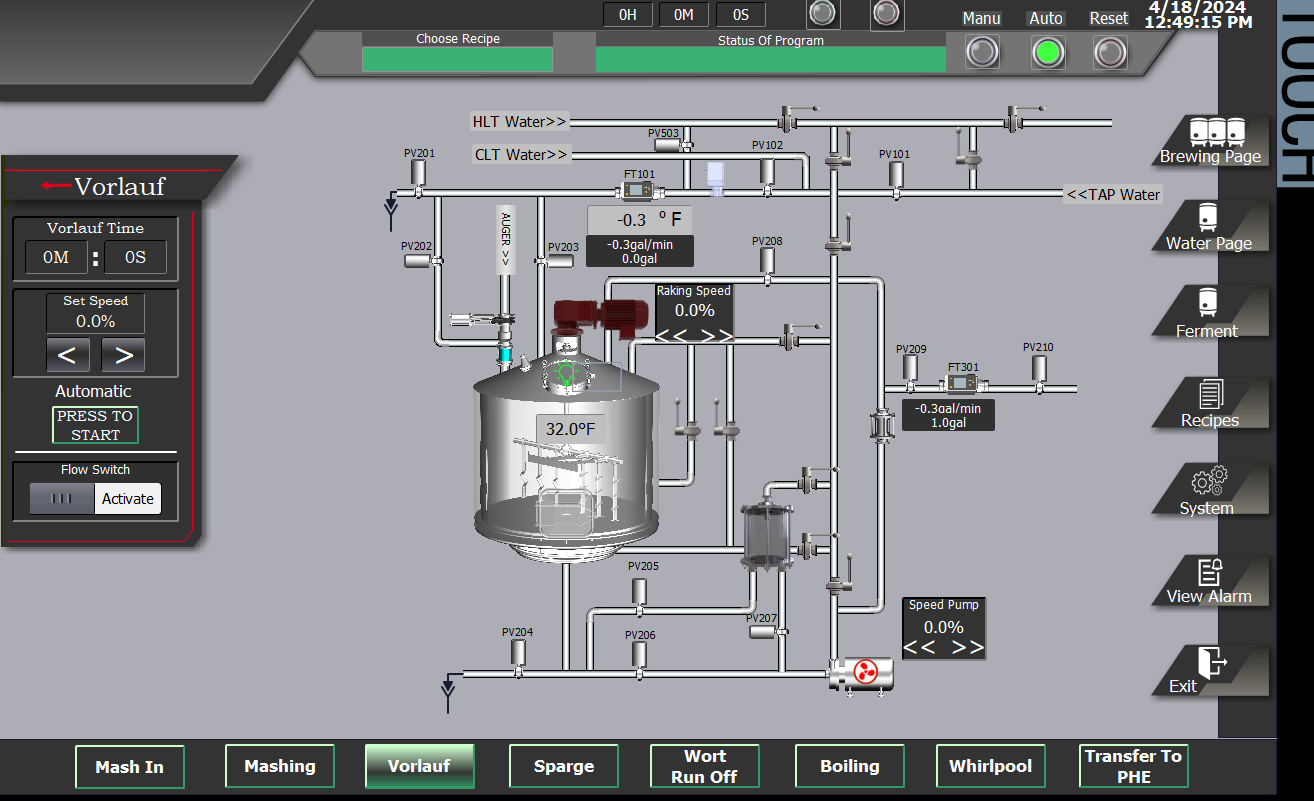
The best breweries use data to make better beer. Intelligent digitalization is a core advantage. Modern stainless mixing tank systems have smart sensors. These sensors monitor temperature, pressure, and flow. They send data to a central control system. This allows brewers to control the process from a smartphone or tablet.
Automation ensures consistency. A recipe can be saved in the system. The system will follow the recipe every time. This is important for large-scale production. It ensures that every batch tastes the same. It also reduces human error. SKE uses PLC and SCADA platforms to integrate these controls . This gives brewers real-time data. They can see what is happening in every tank.
This data is also useful for troubleshooting. If something goes wrong, brewers can find the problem quickly. They can make changes to fix it. This reduces downtime and saves money. Asahi, for example, uses advanced R&D to develop de-alcoholization technologies . These technologies rely on precise digital control. Intelligent systems are not just for big companies. They are also used by smaller craft brewers to improve quality.
Advantage 4: Clean Production Upgrades with Advanced CIP
Cleanliness is the most important thing in brewing. Any contamination can ruin a batch of beer. Modern clean production systems make sanitation easier and more effective. The latest tank mixing systems include advanced CIP features. These systems clean tanks automatically. They do not need manual scrubbing.
Advanced CIP systems use special nozzles. These nozzles spray cleaning solution on every surface. They provide 360-degree coverage. This ensures that no residue is left behind. SKE’s CIP systems use rotary nozzles for complete cleaning . They also use automated recipes. The system runs an alkali wash, then an acid wash, and then a rinse. This happens at the push of a button.
This automation improves safety and quality. It also saves time. Manual cleaning can take hours. An automatic CIP system can do the job in 15-20 minutes . This means more time for brewing. It also means less work for staff. The system keeps a digital record of every cleaning cycle. This is important for audits. Large breweries use these systems to meet strict food safety standards.
Advantage 5: Modular Turnkey Construction
Building a new brewery or upgrading an old one is a big project. Modular turnkey solutions make it easier. In a turnkey project, one company manages everything. They handle the design, fabrication, installation, and training. This reduces stress for the brewery owner. SKE offers complete turnkey brewery solutions . They take care of everything from start to finish.
Modular equipment is pre-built in a factory. It is then delivered to the site. This speeds up the construction process. It can cut project timelines by up to 30% . The modular design also makes it easy to expand later. A brewery can start with a few tanks. They can add more tanks as their business grows.
This is flexible and cost-effective. Large breweries can choose modular sizes from 500 liters to 20,000 liters . This allows them to scale production easily. The turnkey approach also ensures that all parts work together. The tanks, pumps, pipes, and control panels are designed as one system. This prevents problems and delays. It is a smart way to build a new production facility.
The SKE Approach to Modern Brewing
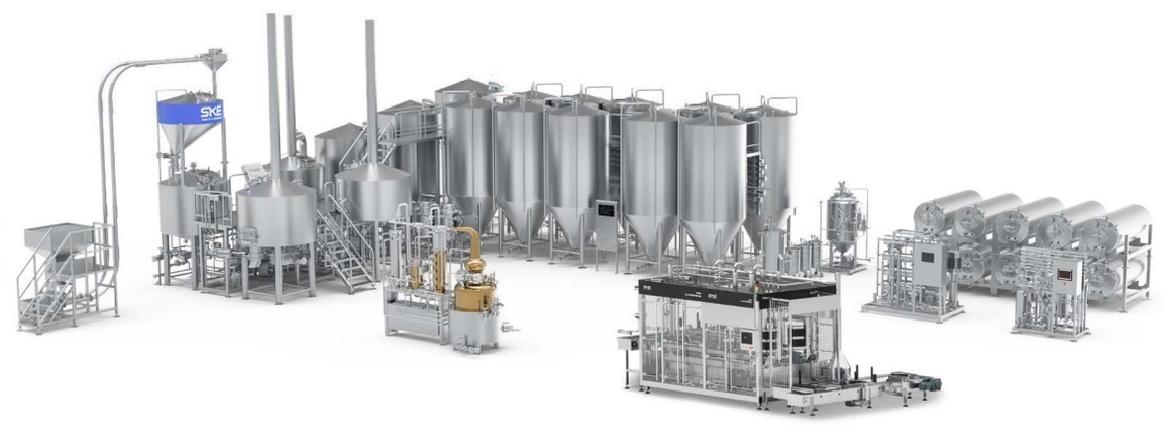
SKE is an equipment supplier with deep experience in the brewing industry. We provide a range of solutions for modern breweries. We understand the shift toward healthier drinks. Our equipment is designed to handle new challenges, including the production of low-alcohol and mixed fermentation beverages.
We offer customized solutions and work closely with each client to meet their specific needs. Our tanks are made from high-quality stainless steel, which ensures durability and purity. We also use the latest automation technology. Our systems are designed for efficiency and ease of use. We focus on helping brewers produce consistent, high-quality products.
We also provide lifetime support, including 24/7 technical assistance and spare parts supply. This is especially important for large breweries that cannot afford downtime. Our turnkey solutions cover everything from initial design to staff training. This makes us a valuable partner for any brewing project. We help brewers adapt to new market trends and stay competitive.
Comparison of Traditional and Modern Systems
| Feature | Traditional Brewery System | Modern SKE-Inspired System |
|---|---|---|
| Flexibility | Makes only one type of beer | Makes many types of low-alcohol and mixed drinks |
| Energy Use | High energy and water consumption | Low-carbon with heat recovery systems |
| Control | Manual controls | Fully automated, smart, and digital |
| Cleaning | Manual cleaning, takes hours | Automated CIP, takes 15 minutes |
| Installation | Long project timeline (12-18 months) | Modular turnkey, faster setup (cuts 30% time) |
| Product Quality | Inconsistent between batches | Consistent quality every batch |
| Data | No data collection | Full data logging for analysis and audits |
Conclusion
The beer industry is at a turning point. The largest beer companies are moving toward health and innovation. They are focusing on low-alcohol and mixed fermentation drinks. To succeed, they need the right equipment. Modern stainless mixing tank and tank mixing systems are essential. They offer five key advantages: flexibility, sustainability, intelligence, cleanliness, and ease of construction.
These systems help brewers respond to new consumer trends. They save energy and reduce waste. They provide data to improve quality. They make cleaning easier and safer. They also simplify the building process. Companies like SKE are leading this change. They provide the technology and support that modern breweries need.
The future of brewing is diverse, sustainable, and smart. Brewers who invest in this technology will be ready for the future. They will be able to make the high-quality, healthier drinks that consumers want.
Frequently Asked Questions (FAQ)
Q1: How do modern tanks help make no-alcohol beer?
Modern stainless mixing tank systems use precise temperature controls. This is important for de-alcoholization processes. They also allow for gentle mixing. This preserves the flavor of the beer after the alcohol is removed.
Q2: What is mixed fermentation, and why is it popular?
Mixed fermentation uses different types of yeast and bacteria. This creates unique flavors. It is popular for making sour beers and kombucha-based drinks. Specialized tank mixing systems are needed to manage these complex fermentations.
Q3: Is a turnkey solution better than building a brewery myself?
A turnkey solution is often faster and less stressful. One company manages all the parts of the project. This includes design, equipment, and installation. It reduces the risk of errors and delays.
Q4: How much time does a CIP system save?
A modern automated CIP system saves a lot of time. Manual cleaning can take over an hour per tank. A CIP system can clean a tank in 15-20 minutes. This means brewers can do more production cycles per day.
Q5: What makes a tank “smart” or “digital”?
A smart stainless mixing tank has sensors. These sensors send data to a computer. Brewers can see the data on a screen. They can control the temperature and mixing remotely. This ensures consistent quality and helps find problems quickly.
Contact Us
If you have any further questions, feel free to reach out!
- Facebook: SKE Equipment Facebook
- Email: info@skeequipment.com
Fill out the contact form below for customized solutions. We fully support all your production equipment demands for breweries and beverage plants.