
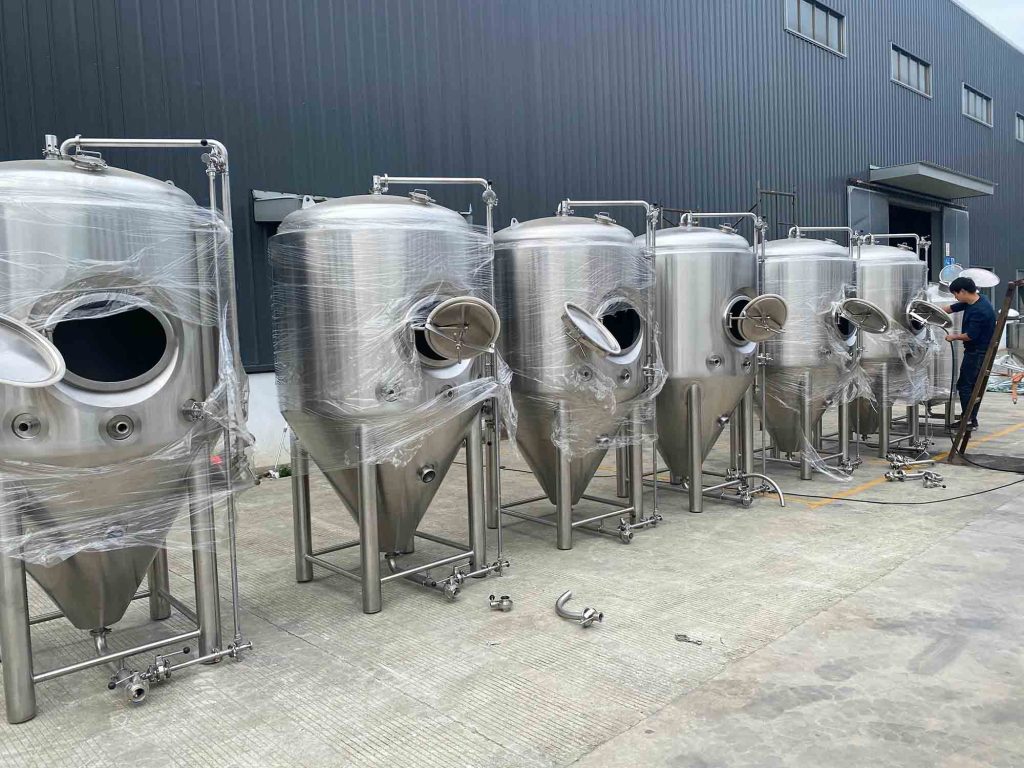
Introduction to Stainless Beer Fermenters
At the heart of every great beer lies a controlled and efficient fermentation process. While various materials have been used for fermentation vessels throughout history, the stainless beer fermenter has emerged as the gold standard for both professional breweries and serious homebrewers. This robust and versatile equipment plays a crucial role in transforming sweet wort into the complex, flavorful beverage we know and love. A high-quality stainless steel beer fermenter offers unparalleled advantages in terms of hygiene, temperature control, durability, and ultimately, the consistency and quality of the final product.
For those passionate about brewing, understanding the intricacies of a stainless beer fermenter is essential. It’s not just a container; it’s a critical piece of engineering designed to provide optimal conditions for yeast activity. From small-batch conical fermenters to large-scale cylindrical-conical tanks, each stainless steel beer fermenter is crafted to meet specific brewing needs. The material itself, food-grade stainless steel, is chosen for its inertness, resistance to corrosion, and ease of cleaning—factors paramount in preventing contamination and ensuring pure flavor profiles.
As we delve deeper into this guide, we’ll explore the myriad reasons why a stainless beer fermenter is an indispensable asset, discuss the different types available, highlight key features to consider when making a purchase, and provide insights into proper maintenance. Whether you’re upgrading your homebrewing setup or planning a commercial brewery, investing in the right stainless beer fermenter from a reputable supplier like SKE is a decision that will pay dividends in the quality and consistency of your brews. The journey from grain to glass is complex, and accurate fermentation with a reliable stainless beer fermenter is a cornerstone of that journey.
Why Choose a Stainless Steel Beer Fermenter?
The choice of fermentation vessel is a pivotal decision for any brewer, and stainless steel consistently outperforms other materials. There are compelling reasons why a stainless beer fermenter is the preferred choice for countless brewers worldwide. The fundamental advantages stem from the intrinsic properties of stainless steel itself, making it an ideal environment for yeast to thrive and beer to develop its character.
Superior Hygiene and Sanitation
One of the most critical aspects of brewing is sanitation. Stainless steel is non-porous, meaning it does not harbor bacteria or yeast in microscopic scratches or crevices, unlike plastic. This makes a stainless beer fermenter significantly easier to clean and sanitize effectively, drastically reducing the risk of contamination and off-flavors. Its smooth surface allows for thorough cleaning with appropriate cleaners and sanitizers, ensuring that each batch of beer starts in a pristine environment. SKE’s stainless steel fermenters are designed with seamless welds and polished interiors to further enhance cleanability.
Exceptional Durability and Longevity
A stainless steel beer fermenter is built to last. Unlike glass carboys, which can shatter, or plastic fermenters, which can degrade over time and scratch easily, stainless steel offers incredible resilience. It can withstand impacts, temperature fluctuations, and repeated cleaning cycles without losing its structural integrity or hygienic properties. This durability translates into a long-term investment, as a well-maintained stainless beer fermenter can serve a brewery for decades, providing consistent performance and reliability.
Precise Temperature Control Capabilities
Temperature control during fermentation is paramount for creating high-quality beer. Fluctuations can lead to undesirable esters, fusel alcohols, or stalled fermentation. A stainless beer fermenter excels in this area. Stainless steel is an excellent conductor of heat, allowing for efficient heat transfer when jacketed, and its thermal mass helps maintain stable temperatures. Many stainless steel beer fermenters come with built-in cooling jackets or are designed to be easily integrated with external temperature control systems, offering brewers the precise command needed for specific yeast strains and beer styles. For instance, processes like flash pasteurization require extremely precise temperature regulation, showcasing the importance of robust temperature control in brewing equipment.
Oxygen Barrier Protection
Oxygen is a friend in the initial stages of wort aeration for yeast propagation, but a sworn enemy once fermentation begins. Exposure to oxygen during fermentation and conditioning can lead to oxidation, resulting in stale, cardboard-like flavors. A stainless beer fermenter provides an impenetrable barrier against oxygen ingress, ensuring that your beer remains protected throughout its time in the vessel. This is a significant advantage over many plastic fermenters, which can be permeable to oxygen over time.
Professional Aesthetic and Resale Value
Beyond the functional benefits, a stainless beer fermenter also contributes to a professional brewery aesthetic. Its sleek, industrial appearance is often associated with quality and precision. Furthermore, due to their durability and timeless appeal, stainless steel brewing vessels generally hold a strong resale value, making them a wise financial decision for any brewing operation. For those looking to set up a new brewery or expand an existing one, considering a complete craft beer brewery equipment package that includes top-tier stainless steel fermenters is highly recommended.
Types of Stainless Beer Fermenters
The world of brewing offers a variety of stainless beer fermenter designs, each tailored to different brewing scales, styles, and preferences. Understanding these types is crucial for selecting the most appropriate vessel for your specific needs, whether you’re a small-batch artisan or a large-scale commercial operation. SKE offers a diverse range of stainless steel beer fermenters to cater to every brewing demand, emphasizing quality and efficiency.
Conical Fermenters
Conical fermenters are arguably the most popular type of stainless steel beer fermenter, especially in professional settings and among serious homebrewers. Their distinctive cone-shaped bottom is designed for efficient yeast harvesting and trub (sediment) removal. As yeast and other solids settle, they collect at the bottom of the cone, allowing for easy draining without disturbing the clear beer above. This design facilitates multiple transfers (such as racking to secondary or bright tank) without exposing the beer to oxygen, and also makes cleaning much simpler.
- Advantages: Easy yeast harvesting, simple trub removal, minimal oxygen exposure during transfers, ability to ferment and condition in the same vessel.
- Applications: Ideal for all-grain brewing, lagering, and any process requiring clean beer transfers and yeast management. SKE excels in manufacturing high-performance conical fermenters that are a cornerstone of efficient brewing.
Cylindrical-Conical Fermenters (CCTs)
Often referred to as CCTs, these are the workhorses of commercial breweries. They are essentially larger versions of conical fermenters, designed for volume production. Cylindrical-conical fermenters feature advanced temperature control capabilities, often with multiple cooling jackets on the cylinder and cone sections, allowing for precise fermentation profiles and lagering temperatures. SKE produces robust CCTs that are vital for scalable brewing operations, ensuring consistent product quality across large batches. These are often integrated with other bright beer tank systems to streamline the entire brewing process.
- Advantages: Large capacity, superior temperature control, efficient yeast collection, suitability for both fermentation and conditioning.
- Applications: Commercial breweries, craft breweries, production-oriented brewing facilities.
Unitanks
A unitank is a highly versatile type of stainless beer fermenter that can function as both a fermenter and a brite tank (bright beer tank). This means beer can be fermented, conditioned, carbonated, and even served from the same vessel, eliminating the need for multiple transfers and reducing the risk of oxidation and contamination. Unitanks typically feature higher pressure ratings to handle carbonation. SKE’s unitanks are engineered for maximum efficiency, enabling brewers to reduce equipment footprint and labor.
- Advantages: Reduced oxygen exposure (fewer transfers), space-saving, streamlined brewing process, suitable for both fermentation and carbonation.
- Applications: Breweries aiming for efficiency, smaller breweries with limited space, specialty beer production.
Open Fermenters
While less common with a typical sealed stainless beer fermenter, open fermenters are sometimes used for specific traditional styles, particularly certain Belgian or German ales. They are open-top vessels, allowing for ambient yeast interaction and unique flavor development. However, they demand extremely stringent sanitation practices to prevent unwanted microbial ingress.
- Advantages: Traditional character, unique yeast interaction.
- Applications: Niche traditional beer styles, experimental brewing (less common in modern stainless steel designs).
The selection of the appropriate stainless beer fermenter is a reflection of a brewery’s vision, scale, and commitment to quality. Each type offers distinct benefits, and a careful evaluation of these options will lead to a more efficient and effective brewing process.
Key Features to Look for in a Stainless Fermenter
When investing in a stainless beer fermenter, whether for a burgeoning homebrew operation or a commercial production facility, a discerning eye for quality features can make a significant difference in your brewing success. These features contribute not only to the ease of use and longevity of the stainless steel beer fermenter but also directly impact the quality and consistency of your beer. SKE prioritizes these critical design elements in all its fermentation equipment.
Food-Grade Stainless Steel (304 or 316)
The quality of the stainless steel itself is paramount. Opt for a stainless beer fermenter made from 304 or, for enhanced corrosion resistance (especially useful for breweries using aggressive cleaning chemicals or brewing sour beers), 316 food-grade stainless steel. These grades are non-reactive, easy to clean, and durable. Ensure the interior welds are smooth and polished, as rough welds can harbor bacteria and are difficult to sanitize effectively.
Temperature Control Capabilities (Jacketing)
Precision temperature control is non-negotiable for consistent fermentation. Look for a stainless beer fermenter with ample jacketed surface area for cooling. Single-jacketed fermenters are suitable for smaller operations or ambient temperature control, while larger commercial fermenters often feature multiple jackets (cone and sidewall) for independent temperature zones, allowing for finer control over the fermentation profile. Integrated glycol ports are essential for connecting to your chilling system.
Pressure Rating and PRV (Pressure Relief Valve)
If you plan to carbonate in the fermenter (as with unitanks) or perform pressure transfers, a stainless steel beer fermenter with a higher pressure rating is crucial. Always ensure the vessel comes with a properly rated and regularly inspected Pressure Relief Valve (PRV) to prevent over-pressurization, a critical safety feature. SKE fermenters are built with safety and compliance in mind, featuring robust PRVs.
Sample Port and Thermowell
A convenient sample port allows you to take gravity readings and assess fermentation progress without opening the fermenter, minimizing oxygen exposure. A thermowell is a must-have for accurately monitoring the beer’s internal temperature, providing truly representative readings rather than just ambient temperature around the vessel.
Access Manway and CIP Sprayball
For larger commercial stainless beer fermenters, a top or side manway is essential for interior access for cleaning, inspection, and sometimes dry hopping. A well-designed Clean-In-Place (CIP) system, typically involving a sprayball, thoroughly cleans the interior surfaces without manual scrubbing, saving time and improving hygiene. The effectiveness of the CIP system is a hallmark of a professional-grade stainless beer fermenter.
Butterfly Valves and Tri-Clamp Fittings
High-quality butterfly valves on the racking arm and dump port are crucial for reliable operation and sanitation. Tri-clamp fittings, standard in professional brewing, provide secure, leak-proof, and easy-to-disassemble connections for pumps, hoses, and other accessories. They also facilitate quick and thorough cleaning.
Adjustable Legs and Casters (for Smaller Units)
For smaller homebrew-scale stainless beer fermenters, adjustable legs are useful for leveling the vessel, and casters can provide mobility. For larger industrial stainless beer fermenters, robust, anchorable legs are essential for stability and safety.
Considering these features when selecting your stainless beer fermenter will ensure you acquire a piece of equipment that is durable, efficient, safe, and contributes to brewing excellent beer consistently. SKE’s design philosophy incorporates all these critical elements to deliver superior brewing solutions.
Maintenance and Longevity of Your Stainless Beer Fermenter
A stainless beer fermenter is a significant investment for any brewery, and proper maintenance is key to ensuring its longevity, performance, and the continued quality of your beer. While stainless steel is renowned for its durability and ease of cleaning, neglecting basic maintenance can lead to issues that compromise your brewing process. Regular care will keep your stainless steel beer fermenter in pristine condition for years, even decades, of reliable service.
Immediate Post-Fermentation Cleaning
The most important rule for maintaining your stainless beer fermenter is to clean it immediately after it’s emptied. Dried-on krausen, yeast, and trub are much harder to remove. Flush the fermenter with cold water first to remove loose debris, then proceed with a thorough cleaning regimen. For smaller units, this might involve manual scrubbing with a soft brush and brewery-specific cleaners. For larger commercial stainless beer fermenters, implement a strict Clean-In-Place (CIP) protocol.
Proper Cleaning Agents and Techniques
Use only cleaners specifically designed for brewing equipment and stainless steel. Caustic cleaners (like sodium hydroxide-based solutions) are highly effective at dissolving organic matter (krausen, yeast, proteins) but require careful handling and thorough rinsing. Acid cleaners (like phosphoric acid-based solutions) are excellent for removing mineral deposits (beer stone) and passivating the stainless steel surface, which helps prevent corrosion. Always follow the manufacturer’s instructions for concentration, temperature, and contact time.
Avoid abrasive pads or brushes that can scratch the stainless steel surface, as these scratches can become breeding grounds for bacteria. If manual scrubbing is necessary, use a soft cloth or sponge. For CIP systems, ensure the sprayball is clear and operates effectively to cover all interior surfaces. Proper rinsing with clean, potable water after cleaning is crucial to remove all chemical residues.
Routinely Inspect Seals, Gaskets, and Valves
Gaskets and seals (e.g., on the manway, sample ports, and valves) are often made of rubber or silicone and can degrade over time. Regularly inspect them for cracks, hardening, or signs of wear. Replace them as needed to prevent leaks and ensure a proper seal, which is vital for preventing oxygen ingress. Similarly, inspect all butterfly valves and tri-clamp fittings for proper function and cleanliness. It’s often recommended to fully disassemble and clean valves periodically.
Passivation
Stainless steel forms a passive layer of chromium oxide that protects it from corrosion. This layer can be damaged by harsh chemicals, scratches, or welding. Periodically “”passivating”” your stainless beer fermenter with a mild acid solution (like nitric or phosphoric acid) helps restore and strengthen this protective layer. This is an important step to prevent rust and maintain the integrity of the stainless steel surface. SKE equipment is designed for easy passivation procedures, ensuring maximum lifespan.
Storage Considerations
If a stainless beer fermenter is going to be stored empty for an extended period, ensure it is thoroughly cleaned, sanitized, and completely dry. Store it with the manway slightly ajar or a small vent open to allow for air circulation and prevent stale air buildup, but covered to prevent dust or pests. Some brewers prefer to store their fermenters “”wet”” with a sanitizing solution, but this requires more frequent monitoring and replenishment.
By adhering to these maintenance practices, your stainless steel beer fermenter from SKE will continue to deliver excellent results, safeguarding your beer’s quality and ensuring a long, productive life for your brewing equipment. For further details on maintaining your equipment, refer to our articles on how to choose the right brewing equipment, which often include maintenance tips.
SKE’s Commitment to Quality Fermentation with Stainless Steel Beer Fermenters
At SKE, we understand that the fermenter is the heart of any brewery. It’s where the magic of yeast transforms wort into beer, and the quality of this process directly dictates the quality of the final product. That’s why our range of stainless beer fermenter solutions is engineered with precision, reliability, and the brewer’s success in mind. We are dedicated to providing equipment that not only meets but exceeds the exacting demands of the brewing industry, from burgeoning craft breweries to established commercial operations.
Uncompromising Material Quality
Every stainless beer fermenter manufactured by SKE utilizes premium food-grade stainless steel (typically SS304 or SS316L for critical components). We ensure that all contact surfaces are meticulously polished to a sanitary finish, minimizing the potential for microbial adhesion and simplifying cleaning. Our welding processes are top-tier, resulting in seamless, smooth joints that eliminate harbor points for contaminants, a critical factor for consistent beer quality.
Designed for Optimal Fermentation Control
SKE’s stainless steel beer fermenters are designed to give brewers unparalleled control over the fermentation process. Our conical and cylindrical-conical fermenters feature advanced jacketed cooling systems, often with multiple independent zones, allowing for precise temperature management throughout the fermentation cycle. This level of control is crucial for managing yeast health, preventing off-flavors, and achieving desired flavor profiles consistently. Whether it’s a cold crash for clarity or maintaining a specific fermentation temperature for a lager, our fermenters deliver.
Innovation in Features and Functionality
We continuously innovate to equip our stainless beer fermenters with features that enhance efficiency, safety, and ease of use. This includes robust pressure ratings for unitank capabilities, ergonomically designed manways for easy access, highly accurate thermowells, sanitary sample ports, and efficient CIP spray balls for automated cleaning. Each component is carefully selected and integrated to contribute to a superior brewing experience and a reliable stainless beer fermenter that performs day-in and day-out.
Scalability and Customization
Whether you need a compact stainless beer fermenter for a pilot system or large-volume CCTs for a production brewery, SKE offers scalable solutions. We understand that every brewery has unique needs, and we provide customization options to ensure our equipment integrates perfectly with your existing setup and future expansion plans. Our commitment to adaptable design means your SKE stainless beer fermenter can grow with your business.
Comprehensive Support and Expertise
Choosing SKE means partnering with a team that has deep expertise in brewing equipment. From initial consultation and design to installation support and after-sales service, we are here to ensure your SKE stainless beer fermenter performs optimally throughout its lifespan. Our goal is to empower brewers with reliable equipment so they can focus on their craft—producing exceptional beer. SKE fermenters are more than just tanks; they are a foundation for brewing excellence.
Conclusion
The journey through the world of the stainless beer fermenter reveals its undeniable importance to both the art and science of brewing. From its superior hygiene and remarkable durability to its unparalleled temperature control capabilities and oxygen barrier protection, the stainless steel beer fermenter stands as the ultimate choice for achieving consistent quality and expanding brewing possibilities.
Whether you are a homebrewer striving for perfection or a commercial operation scaling for success, understanding the different types of stainless beer fermenters—conical, cylindrical-conical, or unitanks—and the critical features to look for will empower you to make an informed decision. Proper maintenance, including diligent cleaning, regular inspection, and occasional passivation, will ensure your investment continues to yield exceptional results for many years to come.
At SKE, we pride ourselves on designing and manufacturing stainless steel beer fermenters that embody precision engineering, robust construction, and innovative features. Our commitment to quality ensures that every SKE stainless beer fermenter is not just a vessel, but a cornerstone of your brewing success, facilitating precise control, optimal sanitation, and ultimately, outstanding beer. Embrace the reliability and performance of a high-quality stainless beer fermenter, and elevate your brewing craft to new heights.
Frequently Asked Questions About Stainless Beer Fermenters
What are the main advantages of using a stainless beer fermenter over plastic or glass?
Stainless steel fermenters offer superior hygiene due to their non-porous surface, exceptional durability resisting damage and degradation, precise temperature control capabilities often with cooling jackets, and an impenetrable oxygen barrier. Unlike plastic, they won’t scratch easily or absorb flavors, and unlike glass, they won’t shatter, making them safer and more reliable for long-term use in a brewery.
How do I properly clean and sanitize a stainless beer fermenter?
After emptying, first rinse the stainless steel beer fermenter with cold water to remove loose debris. Then, use a brewery-specific alkaline cleaner (like a caustic solution) at the recommended temperature and contact time to break down organic matter. Follow this with a thorough rinse, then an acid cleaner to remove mineral deposits and passivate the steel. Finally, sanitize with an appropriate no-rinse sanitizer just before transferring wort. Avoid abrasive brushes to prevent scratching the interior surface.
What is a conical fermenter, and why is it preferred by many brewers?
A conical fermenter is a type of stainless beer fermenter characterized by its cone-shaped bottom. This design allows yeast and trub (sediment) to collect efficiently at the bottom, making it easy to harvest yeast or dump spent solids without disturbing the clear beer above. This minimizes oxygen exposure during transfers, improves beer clarity, and simplifies the overall fermentation and conditioning process. SKE’s conical fermenters are built with these advantages in mind.
Can I carbonate my beer in a stainless steel fermenter?
Yes, if you have a stainless beer fermenter that is also a unitank (designed to handle pressure) and equipped with a spunding valve and a carbonation stone, you can carbonate your beer directly in the fermenter. This eliminates the need for transferring to a separate bright tank for carbonation, reducing oxygen exposure and streamlining the brewing process. Always ensure your fermenter has the appropriate pressure rating and a functional Pressure Relief Valve (PRV).
How important is temperature control in a stainless beer fermenter?
Temperature control is critically important during fermentation. Yeast performance is highly sensitive to temperature; deviations can lead to off-flavors (like diacetyl or fusel alcohols), stalled fermentation, or an incomplete attenuation. A stainless beer fermenter with reliable temperature control (e.g., jacketed cooling) allows brewers to maintain precise fermentation profiles, ensuring optimal yeast health and consistent, high-quality beer. SKE fermenters offer excellent temperature management capabilities.
Contact SKE today to discuss your specific needs and find the perfect fermentation solution.
Find us on Facebook |
Email: info@skeequipment.com
Or, fill out our contact form at the bottom of the page for a personalized consultation!