
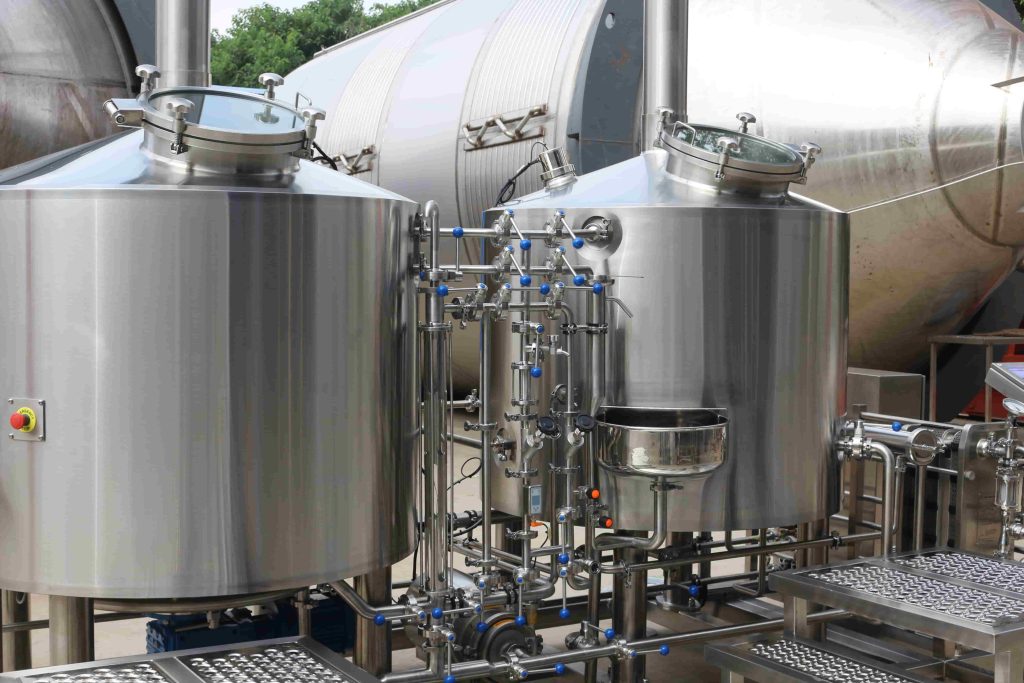
Introduction to Stainless Brewing Equipment
The art and science of brewing beer, once a task performed with rudimentary tools, has evolved dramatically, with modern brewing processes heavily relying on sophisticated technology and materials. At the heart of this evolution lies stainless steel brewing equipment. For any brewer, from the enthusiastic homebrewer to the large-scale commercial operator, the choice of materials for their primary contact surfaces with the wort and beer is paramount. Stainless steel stands out as the material of choice due to its inertness, durability, and ease of sanitation. This robust material ensures that the delicate flavors and aromas developed during the brewing process are unimpeded by metallic off-notes or contamination, crucial for producing a consistent, high-quality product. The investment in quality stainless steel brewing equipment is an investment in the integrity of the brew itself, creating a foundation for success and allowing brewers to focus on the creative aspects of their craft rather than worrying about equipment degradation or contamination. Whether you’re considering a new venture or upgrading an existing setup, understanding the benefits and requirements of stainless steel is the first step towards brewing excellence.
From the precise temperature control needed in the mash tun to the fermenter where yeast works its magic, every piece of stainless steel brewing equipment plays a critical role. The selection of proper gauges, welding techniques, and finishes directly impacts performance and longevity. SKE, for instance, understands these intricacies, providing brewing solutions that meet the rigorous demands of the industry. Our commitment to using high-grade stainless steel ensures that our clients receive equipment that not only performs exceptionally but also withstands the test of time, brew after brew. The material’s resistance to corrosion, even in the presence of acidic wort and strong cleaning agents, makes it an ideal choice, safeguarding both the equipment and the beer it produces. This unwavering reliability is why stainless steel brewing equipment remains the gold standard across the globe, facilitating the creation of countless varieties of beer enjoyed by millions.
The Unparalleled Advantages of Stainless Steel in Brewing
When it comes to brewing, the choice of material for your equipment is not just a preference; it’s a critical decision that impacts sanitation, flavor, and the overall efficiency of your operation. Stainless steel brewing equipment offers a suite of advantages that no other material can truly match, making it the industry standard. Firstly, its exceptional hygiene properties are paramount. Stainless steel is a non-porous surface, meaning there are no microscopic crevices for bacteria, yeast, or other contaminants to hide and proliferate. This makes cleaning and sanitizing vastly more effective, reducing the risk of infection and ensuring the purity of your brew. For any brewer, preventing spoilage is a top priority, and stainless steel provides the best line of defense.
Secondly, durability and longevity are key benefits. Brewing environments are often demanding, involving high temperatures, varying pH levels, and exposure to strong cleaning chemicals. Stainless steel brewing equipment is inherently resistant to corrosion, rust, and degradation in these conditions. This robust nature means a significant upfront investment translates into a long-term asset, requiring less frequent replacement and offering consistent performance for decades. This resistance to wear also minimizes downtime for repairs, allowing for more continuous production cycles. Furthermore, the thermal conductivity of stainless steel is beneficial for various stages of the brewing process, allowing for efficient heating and cooling, which leads to better control over enzymatic activity and fermentation temperatures. For maintaining precise control over your brew, the right equipment is essential, and stainless steel delivers.
Finally, the inert nature of stainless steel means it won’t leach undesirable flavors or compounds into your wort or beer. Unlike some plastics or lesser metals, stainless steel preserves the authentic taste profile you’re striving for. This chemical stability is vital for maintaining product consistency across batches, a hallmark of professional brewing. The versatility of stainless steel also allows for intricate designs and precise fabrication, enabling manufacturers like SKE to produce highly specialized components from bioreactors to complete brewing systems. This adaptability ensures that stainless steel brewing equipment can be tailored to meet the specific demands of any brewing operation, regardless of scale or complexity, solidifying its position as the ultimate material for brewers seeking quality, efficiency, and purity in their craft.
Key Stainless Steel Brewing Equipment Components
A comprehensive brewing setup, whether for a small craft brewery or a large industrial operation, relies on a series of interconnected stainless steel brewing equipment components, each serving a crucial function. Understanding these key pieces is fundamental to appreciating the entire brewing process.
Mash Tuns / Lauter Tuns
The journey begins with the mash tun, where crushed malt is mixed with hot water to convert starches into fermentable sugars. Made entirely of high-grade stainless steel, mash tuns are designed to maintain precise temperatures for enzymatic activity. Following mashing, the wort is transferred to a lauter tun, which is essentially a specialized vessel, often integrated with the mash tun, also made of stainless steel. Here, the sweet wort is separated from the spent grain through a false bottom. The excellent thermal retention properties and ease of cleaning of stainless steel are critical at this stage to ensure efficient extraction and prevent contamination from residual sugars.
Brew Kettles / Whirlpools
After lautering, the wort enters the brew kettle, another indispensable piece of stainless steel brewing equipment. In the kettle, the wort is boiled vigorously, a process essential for sterilizing the wort, isomerizing hop acids for bitterness and aroma, and coagulating proteins. Modern brew kettles often feature internal steam jackets or direct fire heating elements. Following the boil, the wort is typically transferred to a whirlpool vessel, designed to separate unwanted trub (protein and hop solids) from the clarified wort. The smooth, inert surface of stainless steel in both kettles and whirlpools ensures that no unwanted flavors are imparted and that sanitation is paramount, crucial for the quality and stability of the final beer.
Fermenters / Brite Tanks
Perhaps the most iconic pieces of stainless steel brewing equipment are the fermenters. These conical-bottomed vessels, ranging from small homebrew sizes to massive commercial tanks, provide the controlled environment where yeast converts sugars into alcohol and CO2. The conical design facilitates yeast harvesting and efficient cleaning. Following primary fermentation, many brewers transfer the beer to brite tanks, also made of high-grade stainless steel. Brite tanks are used for conditioning, carbonation, and often for filtering the beer, preparing it for packaging. The ability of stainless steel to handle pressure, maintain sanitation, and provide excellent temperature control through cooling jackets makes these tanks vital for producing clear, consistent, and stable beer. SKE excels in fabricating these critical vessels, offering various capacities and custom designs to suit specific brewing needs, ensuring optimal performance and longevity for all stainless steel brewing equipment in a facility.
Quality of Materials: What to Look for in Stainless Steel
The term “”stainless steel”” encompasses a wide array of alloys, and not all are created equal, especially when it comes to the stringent requirements of brewing. For optimal performance and longevity of your stainless steel brewing equipment, understanding the specific grades and characteristics to look for is crucial. The most common and highly recommended grade for brewing is 304 (or 304L for welding applications) and 316 (or 316L). Grade 304 is an excellent general-purpose stainless steel, offering superb corrosion resistance against most acids and chemicals encountered in brewing. However, for environments that might expose the equipment to higher concentrations of chlorides, such as certain cleaning solutions or water sources, 316 stainless steel, with its added molybdenum, provides superior resistance to pitting corrosion.
Beyond the alloy grade, the thickness or gauge of the stainless steel used is another critical factor. Thicker gauges provide greater structural integrity, especially for large vessels that hold significant volumes of liquid or operate under pressure. This impacts durability and resistance to dents and deformation over time. A polished interior finish, often specified in Ra (Roughness average) values, is also vital. A smoother internal surface (lower Ra value) significantly reduces the areas where microbes can adhere, making cleaning and sanitization much more effective. This is a subtle yet profound detail that separates professional-grade stainless steel brewing equipment from lesser alternatives. High-quality welds, free from porosity and crevices, are equally important as they eliminate potential harborages for bacteria and prevent structural weaknesses.
When sourcing stainless steel brewing equipment, inquire about the certifications of the steel used and the manufacturing processes. Reputable manufacturers like SKE adhere to strict quality control measures, ensuring that all materials meet industry standards for sanitary applications. This includes proper passivation treatments, which enhance the steel’s corrosion resistance by forming a protective oxide layer on the surface. Investing in equipment made with the correct grade, gauge, and finish of stainless steel not only ensures compliance with sanitary regulations but also safeguards your product’s quality and your long-term operational efficiency. Paying attention to these material specifics is foundational to building a reliable and high-performing brewery that will stand the test of time, an essential consideration for any investment in stainless steel brewing equipment.
Maintaining Your Stainless Steel Brewing Equipment for Longevity
Proper maintenance of your stainless steel brewing equipment is not just about keeping it clean; it’s about extending its lifespan, ensuring consistent product quality, and maximizing your return on investment. While stainless steel is renowned for its durability and resistance to corrosion, it still requires diligent care to perform optimally for decades. The foundation of good maintenance lies in immediate and thorough cleaning after each use. Residual wort, yeast, and beer can become stubbornly adherent and lead to staining or even localized corrosion if left untreated. Using appropriate cleaners designed for stainless steel and brewing applications is crucial. Avoid abrasive pads or harsh chemicals that can scratch the surface or compromise the passive layer of the steel, as this can create sites for bacterial growth and corrosion.
Regular visual inspections are another simple yet effective maintenance practice. Look for any signs of pitting, discoloration, or damage to welds. Addressing minor issues promptly can prevent them from escalating into major problems that require costly repairs or replacement. For instance, tiny pits can become points of failure or infection sources over time. Additionally, proper storage of components when not in use, ensuring they are dry and protected from undue physical impact, contributes significantly to their longevity. For systems with pumps, valves, and gaskets, routine checks and replacement of worn parts are essential. Gaskets, especially, can degrade over time, leading to leaks and potential contamination.
Beyond daily cleaning, periodic passivation of your stainless steel brewing equipment is highly recommended. Passivation is a process that restores the passive chromium oxide layer on the surface of the stainless steel, which is its primary defense against rust and corrosion. Over time, this layer can be damaged by cleaning agents, acids, or physical abrasion. Products like SKE’s range of vessels are built with consideration for easy cleaning and maintenance access, demonstrating a commitment to operational practicality. Understanding and implementing a comprehensive maintenance schedule, including thorough cleaning, regular inspections, and timely passivation, will ensure your stainless steel brewing equipment remains a reliable and hygienic workhorse, consistently contributing to the creation of exceptional brews for many years to come.
SKE: Your Partner in Premium Stainless Steel Brewing Solutions
In the competitive world of brewing, the choice of equipment can be the deciding factor between a mediocre product and an exceptional one. At SKE, we understand this critical distinction, which is why we are dedicated to providing the highest quality stainless steel brewing equipment designed for both functionality and longevity. Our extensive range of products, from precision-engineered mash tuns and brew kettles to state-of-the-art fermenters and bright tanks, are all crafted from premium-grade stainless steel to meet the rigorous demands of professional brewing environments. We don’t just sell equipment; we offer comprehensive brewing solutions tailored to the unique needs of each client, whether they are establishing a new microbrewery or expanding an existing large-scale operation.
What sets SKE apart is our unwavering commitment to quality and innovation. We meticulously select only the finest 304 and 316 stainless steel grades, ensuring maximum corrosion resistance, hygiene, and durability for all our stainless steel brewing equipment. Our fabrication processes integrate advanced welding techniques and polished internal finishes, which are essential for preventing microbial contamination and simplifying cleaning protocols. We know that every detail matters, from the precise dimensions of a conical fermenter to the efficiency of a heat exchanger. Our engineering team works closely with brewers to design systems that optimize efficiency, enhance beer quality, and streamline operations, embodying practical excellence in every piece of stainless steel brewing equipment we produce.
Furthermore, SKE prides itself on exceptional customer support. From initial consultation and system design to installation and ongoing technical assistance, we stand by our clients every step of the way. We believe that a successful brewing operation is built on reliable equipment and strong partnerships. By choosing SKE, you’re not just purchasing stainless steel brewing equipment; you’re investing in a future of consistent quality, operational efficiency, and scalable growth. Our goal is to empower brewers with the tools they need to craft outstanding beers, batch after batch, making SKE the trusted name in stainless steel brewing solutions for breweries worldwide. Discover how our commitment to excellence can elevate your brewing endeavors. For a deeper dive into how craft beer brewing equipment from SKE can transform your operations, visit our dedicated sections online.
Frequently Asked Questions About Stainless Steel Brewing Equipment
What are the primary advantages of using stainless steel brewing equipment over other materials?
Stainless steel offers superior hygiene due to its non-porous surface, making it easy to clean and sanitize, thus preventing contamination. It’s also highly durable, corrosion-resistant, and chemically inert, meaning it won’t leach flavors into your beer, ensuring purity and longevity.
Which grades of stainless steel are best for brewing equipment?
For most brewing applications, 304 (or 304L) stainless steel is excellent due to its corrosion resistance. For environments with higher chloride exposure or specific acidic solutions, 316 (or 316L) stainless steel is preferred as it contains molybdenum, offering enhanced resistance to pitting corrosion.
How often should I clean and maintain my stainless steel brewing equipment?
All stainless steel brewing equipment should be thoroughly cleaned and sanitized immediately after each use. Regular visual inspections for damage or discoloration are also recommended. Periodic passivation (every 6-12 months, or as needed based on use and cleaning regimens) helps maintain the steel’s protective layer and corrosion resistance.
Can SKE custom-design stainless steel brewing equipment for my specific brewery needs?
Yes, SKE specializes in providing comprehensive and custom brewing solutions. Our engineering team works closely with clients to design and fabricate stainless steel brewing equipment tailored to specific brewery layouts, production capacities, and unique operational requirements, ensuring optimal efficiency and performance.
Ready to Elevate Your Brew?
Connect with SKE today to explore our premium stainless steel brewing equipment solutions. Let us help you craft the perfect system for your brewing aspirations.
Or, simply fill out the contact form at the bottom of our page, and our experts will get in touch with you shortly!