
Table of Contents
Introduction to Stainless Distilling Equipment
The world of distillation, whether for spirits, essential oils, or industrial applications, relies heavily on the quality and reliability of its machinery. At the heart of many successful operations lies robust stainless distilling equipment. This indispensable category encompasses a wide array of tools and systems designed to facilitate the separation of liquids through heating and cooling, a process fundamental to achieving purity and concentration. From amateur enthusiasts to large-scale commercial distilleries, the demand for high-performance equipment that ensures product integrity and operational efficiency is paramount. Understanding the intricacies of stainless distilling equipment is crucial for anyone looking to enter or advance in this field.
Stainless steel, as a material, offers unparalleled advantages in distillation. Its chemical inertness means it doesn’t react with the substances being distilled, preventing contamination and preserving the desired flavor profiles or chemical properties. This neutrality is especially critical when producing consumables like spirits or pharmaceuticals. Furthermore, its durability, resistance to corrosion, and ease of cleaning make it a sustainable and hygienic choice. The longevity of stainless steel equipment translates into a sound investment, reducing the need for frequent replacements and minimizing downtime. This section will delve into the foundational aspects of stainless distilling equipment, setting the stage for a comprehensive exploration of its various components, benefits, and applications. From still pots to condensers and fermentation tanks, each piece plays a vital role in the overall distillation process, all benefiting from the inherent qualities of stainless steel.
The journey of distillation begins with raw materials and culminates in a refined product, a transformation made possible by meticulously engineered equipment. For instance, in the production of spirits, the fermentation process often takes place in large beer fermentation tanks, which are ideally constructed from stainless steel to maintain sterile conditions and control temperature effectively. Following fermentation, the wash is transferred to a still, where it is heated. The vapor rises and then cools in a condenser, reverting to liquid form, now more concentrated and purified. Every step requires specialized stainless distilling equipment, from the initial preparations to the final collection of the distillate. The precision engineering of these systems not only impacts the efficiency of the process but also significantly influences the final product’s quality, consistency, and safety. Choosing the right equipment, therefore, becomes a critical decision for any distiller committed to excellence.
Why Stainless Steel is the Preferred Choice for Distillers
When it comes to selecting materials for distilling equipment, stainless steel consistently stands out as the top choice for a multitude of reasons. Its unique metallurgical properties make it exceptionally well-suited for the demanding environment of distillation. The two primary grades predominantly used are 304 and 316 stainless steel, each offering specific advantages depending on the application. Grade 304 is widely used for its general resistance to corrosion and affordability, making it ideal for most standard distilling operations. Grade 316, with its added molybdenum content, offers superior resistance to chlorides and other aggressive chemicals, making it suitable for processes involving highly corrosive substances or in marine environments. This material flexibility ensures that every piece of stainless distilling equipment, from basic stills to complex rectification columns, can be tailored for optimal performance and longevity.
One of the most significant benefits of stainless steel is its unparalleled hygiene. Its non-porous surface prevents bacterial growth and makes it incredibly easy to clean and sanitize. This is a critical factor in industries like food and beverage, pharmaceuticals, and essential oil production, where product purity and safety are non-negotiable. Unlike other materials that can harbor contaminants or impart unwanted flavors, stainless steel maintains the integrity of the distillate. This hygiene factor contributes directly to the consistent quality of the final product, an attribute highly valued by consumers and regulatory bodies alike. Furthermore, the robust nature of stainless distilling equipment means it can withstand repeated chemical cleanings and high temperatures without degradation, ensuring a long service life and a high return on investment.
Beyond hygiene and corrosion resistance, stainless steel offers exceptional durability and structural integrity. It can withstand high pressures and temperatures encountered during distillation without deforming or cracking. This robustness is essential for the safety of the operation and the reliable performance of the equipment. For instance, in commercial settings, the constant use and rigorous cleaning cycles demand materials that can endure such stresses over many years. The thermal conductivity of stainless steel, while not as high as copper, is nonetheless adequate for efficient heat transfer, and its strength allows for thinner walls in vessels, which can improve heat exchange rates. The overall reliability and performance of stainless distilling equipment contribute significantly to the efficiency and profitability of any distilling enterprise. Such considerations are fundamental when investing in microbrewery equipment or large-scale industrial distillation systems, where long-term operational costs and maintenance play a crucial role.
Types of Stainless Distilling Equipment and Their Applications
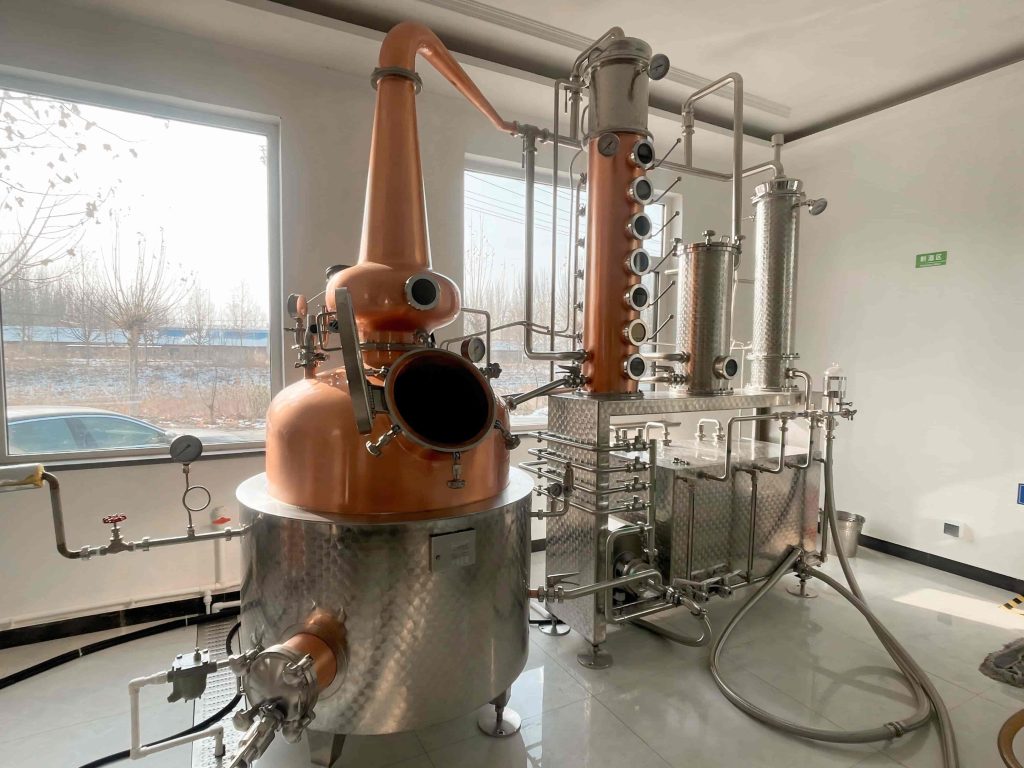
The world of distillation is diverse, and so is the range of stainless distilling equipment required to meet its various demands. From simple pot stills for crafting artisanal spirits to complex fractional distillation columns for industrial chemicals, stainless steel plays a pivotal role. The most common type of equipment encountered is the still, which comes in several configurations. Pot stills, often favored for producing aromatic spirits like whiskey or rum, consist of a pot, a swan neck, and a condenser, all typically made from stainless steel or a combination of stainless steel and copper. Stainless steel ensures durability and ease of cleaning, while copper may be used in specific sections for its catalytic properties, removing sulfur compounds and improving flavor. SKE specializes in providing robust and efficient equipment that meets these varied operational requirements, ensuring optimal performance and product quality.
Beyond pot stills, reflux stills and column stills represent other important categories of stainless distilling equipment. Reflux stills are designed for higher purity and alcohol content, often used for vodka or neutral spirits. They feature a column packed with various materials or trays, which facilitates multiple distillation cycles within a single run. These columns are almost exclusively constructed from stainless steel due to the need for structural integrity, precise temperature control, and resistance to corrosion over extended operating periods. Column stills, on the other hand, are continuous distillation systems widely used in industrial applications for large-scale production of high-purity alcohols or for separating complex mixtures. Their modular design, primarily composed of stainless steel sections, allows for customization and scalability.
The applications of stainless distilling equipment extend far beyond alcoholic beverages. In the pharmaceutical industry, high-purity water and solvent recovery systems rely heavily on stainless steel components to prevent contamination and ensure compliance with stringent regulatory standards. Essential oil extraction, another growing sector, utilizes stainless steel stills to produce therapeutic-grade oils from botanicals. The food and chemical industries also employ stainless steel distillation systems for various purification and separation processes, highlighting the versatility and essential nature of this material. Whether it’s a small-batch artisan distiller seeking precision or a large industrial plant requiring continuous operation, the longevity and hygienic properties of stainless steel ensure that the equipment can perform reliably, safely, and efficiently for years to come. In essence, the proper functioning of a distillery, regardless of its scale, hinges on the quality and design of its stainless distilling equipment. This includes not just the stills themselves, but also jacketed tanks and heat exchangers that are crucial for temperature management during the distillation process, a core offering from SKE. Check our comprehensive guide on Jacketed Tank: Working Principle, Types, Applications and Maintenance for more insights.
Maintaining Your Stainless Distilling Equipment for Longevity
Investing in high-quality stainless distilling equipment is just the first step; proper maintenance is crucial to ensure its longevity, efficiency, and continued production of high-quality distillates. Stainless steel, while highly durable and resistant to corrosion, still requires regular care to prevent issues like pitting, discolouration, or the buildup of residues that can affect performance and product purity. A consistent cleaning regimen is paramount. After each use, equipment should be thoroughly rinsed to remove bulk solids and then cleaned with appropriate detergents. For typical organic residues, a hot water rinse followed by an alkaline cleaner is usually sufficient. For stubborn mineral deposits or scaling, an acidic cleaner can be used, but always ensure it’s compatible with stainless steel and follow manufacturer guidelines carefully. The robust construction of SKE’s stainless distilling equipment makes these cleaning processes straightforward, ensuring your investment remains in prime condition for years to come.
Beyond routine cleaning, periodic deep cleaning and inspection are essential. This involves disassembling components where possible to clean hard-to-reach areas and inspect for any signs of wear, hairline cracks, or damage to gaskets and seals. Gaskets, especially, are consumable parts that should be replaced regularly to prevent leaks and maintain a closed system, which is crucial for efficient distillation. When cleaning, avoid abrasive materials like steel wool or harsh brushes that can scratch the passive layer of stainless steel, potentially leading to localized corrosion. Instead, use soft cloths, sponges, or specialized stainless steel cleaning pads. After cleaning, equipment should be thoroughly rinsed with clean water and allowed to air dry, or wiped dry to prevent water spots and mineral deposits.
Proper storage is another key aspect of maintaining stainless distilling equipment. When not in use, ensure all components are completely dry before storing to prevent moisture-related issues. Store equipment in a clean, dry environment away from corrosive chemicals or fumes. For larger pieces of equipment, such as stills or fermentation tanks, ensure covers or caps are in place to prevent dust and debris from accumulating inside. Regular observation of your equipment is vital; any unusual smells, changes in performance, or visible signs of corrosion should be addressed promptly. Adhering to these maintenance best practices will not only extend the life of your stainless distilling equipment but also ensure that your distillation process remains efficient, hygienic, and consistently produces the desired high-quality product. This diligence directly supports the long-term success and sustainability of your distilling operations, reflecting the commitment to quality that SKE embodies in all its products and services.
The SKE Advantage: Reliability in Stainless Distillation
In the competitive landscape of distillation, the choice of equipment can be the deciding factor between success and struggle. SKE stands as a beacon of reliability and innovation in the manufacturing of stainless distilling equipment. With years of expertise and a commitment to engineering excellence, SKE provides solutions that meet the stringent demands of modern distillers, from craft breweries to large-scale industrial plants. Our equipment is meticulously designed and fabricated using only the highest grades of stainless steel, primarily 304 and 316, ensuring maximum durability, corrosion resistance, and hygienic operation. We understand that every distilling operation has unique requirements, and our offerings reflect this understanding through customizable designs and a comprehensive range of products, including advanced reflux columns and robust fermentation vessels.
What truly sets SKE apart is our holistic approach to supporting our clients. It’s not just about selling individual pieces of stainless distilling equipment; it’s about providing complete, integrated solutions that optimize the entire distillation process. From initial consultation and design to fabrication, installation, and ongoing support, SKE partners with distillers to achieve their production goals. Our engineering team leverages cutting-edge technology and deep industry knowledge to create efficient and user-friendly systems. This commitment to quality extends to every weld, every polished surface, and every control system within our equipment, ensuring flawless operation and consistent product output. We pride ourselves on the precision and long-term value that our stainless distilling equipment delivers.
Furthermore, SKE recognizes the importance of sustainability and operational efficiency. Our stainless distilling equipment is designed not only for performance but also for energy efficiency, helping distillers reduce their operational costs and environmental footprint. The ease of cleaning and maintenance inherent in our designs further contributes to lower labor costs and less downtime. By choosing SKE, distillers are not just purchasing a piece of machinery; they are investing in a partnership that offers unparalleled technical support, access to spare parts, and a team dedicated to their success. This unwavering commitment to quality, backed by a strong service ethos, makes SKE the preferred provider for those seeking reliable, high-performance stainless distilling equipment built to last. Our reputation is built on the success of our clients, and we continuously strive to exceed expectations, demonstrating our expertise and trustworthiness in every project.
Selecting the Right Stainless Distilling Equipment for Your Needs
Choosing the appropriate stainless distilling equipment is a critical decision that significantly impacts the efficiency, safety, and ultimate success of any distillation venture. The selection process should be guided by several key factors, including the type of product you intend to distill, your production volume, available space, and budget. For instance, a small craft distillery producing artisanal spirits will have vastly different needs than a large industrial plant manufacturing biofuels or pharmaceutical compounds. SKE offers a diverse portfolio of stainless distilling equipment, from compact pilot systems to large-scale custom installations, ensuring there’s a perfect match for every requirement.
Consider the desired end product. If you’re aiming for high-purity alcohol, a column still with multiple plates or packing will be necessary to achieve the desired separation and refinement. For more flavorful and aromatic spirits, a traditional stainless steel pot still, sometimes combined with copper elements, might be more suitable. Production volume is another crucial aspect; a 50-gallon still will suffice for small batches, while commercial operations might require systems capable of processing hundreds or thousands of gallons. Always evaluate the expandability of the equipment as well – can it grow with your business? SKE’s modular designs provide this flexibility, allowing for future upgrades and capacity expansion without completely overhauling your existing setup.
Aside from the core still itself, don’t overlook ancillary stainless distilling equipment. This includes fermenters, storage tanks, pumps, chillers, and heat exchangers, all of which should ideally be made from stainless steel to maintain consistency and hygiene throughout the entire process. The quality of these supporting components is just as important as the still itself. Investing in high-grade stainless steel for all contact surfaces ensures that no foreign contaminants or undesirable flavors are introduced at any stage. Furthermore, consider the level of automation and control you require. Modern systems from SKE often incorporate advanced PLC controls for temperature, pressure, and flow, providing precise operation and greater safety. By carefully considering these factors and consulting with experts like those at SKE, you can make an informed decision and acquire stainless distilling equipment that serves as a robust foundation for your distilling ambitions for many years to come.
Innovations and the Future of Stainless Distilling
The distillation industry is continuously evolving, driven by advancements in technology, increasing demand for specific products, and a growing emphasis on sustainability. The future of stainless distilling equipment is undoubtedly tied to these trends, promising even greater efficiency, automation, and environmental responsibility. One major area of innovation lies in enhanced process control and automation. Modern SKE distilling equipment integrates sophisticated sensor technology and intelligent control systems that allow for real-time monitoring and adjustment of parameters such as temperature, pressure, and flow rates. This precision not only optimizes the distillation process for maximum yield and purity but also significantly reduces human error and energy consumption. The ability to precisely manage these variables translates into more consistent products and reduced operational costs.
Another exciting development is the integration of advanced heat recovery systems. Distillation is an energy-intensive process, and innovations aimed at capturing and reusing waste heat are becoming increasingly prevalent. New designs for stainless steel heat exchangers are more efficient, allowing distilleries to recycle energy back into their systems, thereby minimizing their carbon footprint and contributing to greener operations. Furthermore, the design of stainless distilling equipment is becoming more modular and scalable. This allows businesses of all sizes, from nascent craft distilleries to established industrial giants, to customize their setups according to specific needs and easily expand their capacity as demand grows. This flexibility is crucial in a dynamic market where adaptability is key to longevity. SKE continues to lead these advancements, offering innovative solutions that keep our clients at the forefront of the industry.
The evolution of materials science also bodes well for the future of stainless distilling equipment. While 304 and 316 stainless steel remain industry standards, ongoing research into new alloys and surface treatments promises even greater corrosion resistance, enhanced hygiene, and improved thermal performance. Nanotechnology, for example, could lead to surfaces that are even more resistant to fouling and easier to clean, further extending equipment lifespan and reducing maintenance efforts. Furthermore, the role of data analytics and artificial intelligence in optimizing distillation processes is growing. By analyzing vast amounts of operational data, AI can suggest optimal running conditions, predict maintenance needs, and even anticipate potential issues before they arise. This predictive capability ensures maximum uptime and operational efficiency for stainless distilling equipment, marking a significant leap forward in process management. The commitment of manufacturers like SKE to research and development means that distillers can look forward to even more advanced, efficient, and sustainable stainless distilling equipment in the years to come, empowering them to produce higher quality products while reducing their environmental impact and operational expenditures.
Frequently Asked Questions About Stainless Distilling Equipment
What are the primary benefits of using stainless steel for distilling equipment compared to other materials?
Stainless steel is highly favored for stainless distilling equipment due to its exceptional chemical inertness, which prevents it from reacting with the distillate and preserves product purity. It’s also highly resistant to corrosion, incredibly durable, and very easy to clean and sanitize, making it a hygienic choice suitable for food-grade and pharmaceutical applications. Its longevity makes it a cost-effective investment over time.
Which grades of stainless steel are commonly used in distilling equipment?
The most common grades of stainless steel used for stainless distilling equipment are 304 and 316. Grade 304 offers good general corrosion resistance and is widely used for many standard distillation needs. Grade 316, with added molybdenum, provides superior resistance to chlorides and other aggressive chemicals, making it suitable for more demanding applications or highly corrosive substances.
How does SKE ensure the quality and longevity of its stainless distilling equipment?
SKE ensures the quality and longevity of its stainless distilling equipment through meticulous design, using only high-grade stainless steel (304 and 316), and adhering to stringent manufacturing standards. Our equipment features robust construction, precision welding, and polished surfaces to enhance hygiene and durability. We also provide comprehensive support, including installation assistance and maintenance guidance, to ensure optimal performance and extended lifespan for all our products.
What maintenance practices are recommended for stainless distilling equipment?
Regular cleaning with non-abrasive detergents, thorough rinsing, and complete drying after each use are essential. Periodic deep cleaning, inspection of seals and gaskets for wear, and immediate replacement of damaged parts are also critical. Avoid using harsh abrasive tools that can scratch the stainless steel surface. Proper storage in a dry environment further aids in maintaining your stainless distilling equipment‘s condition.
Ready to elevate your distillation process?
Discover SKE’s premium range of stainless distilling equipment designed for efficiency, purity, and longevity. Our experts are here to help you find the perfect solution for your specific needs.
Connect on Facebook
Email Us
Or fill out the contact form at the bottom of our page to get started!