
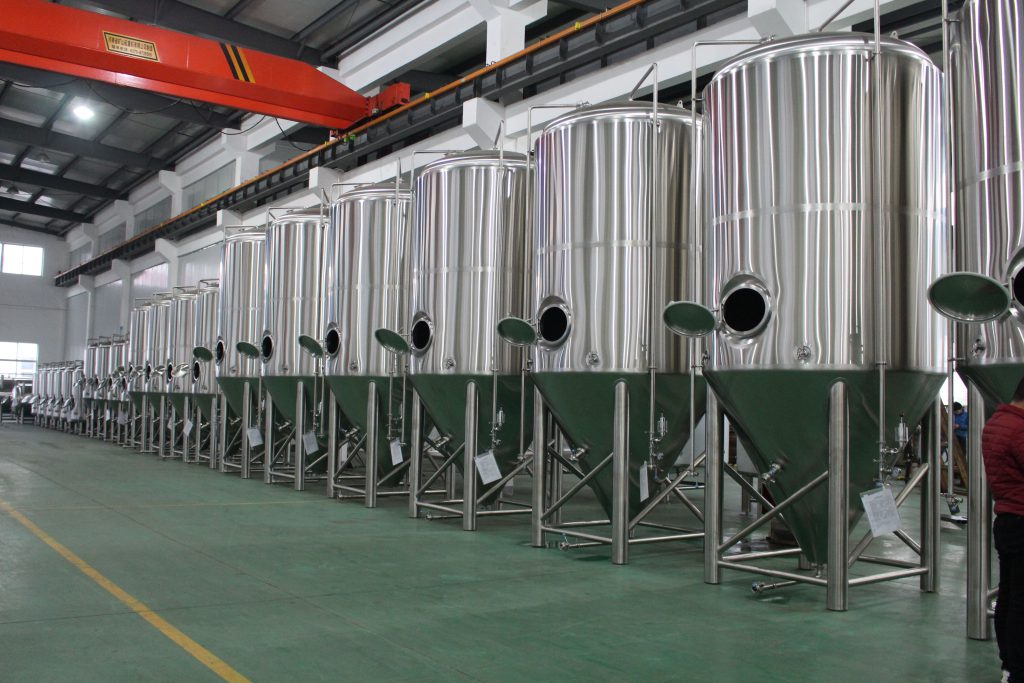
Introduction: Why the Stainless Steel Beer Fermenter is Paramount to Quality Brewing
In the intricate world of craft brewing, every piece of equipment plays a vital role. However, few are as critical as the fermenter itself. The heart of any brewery, from microbrewery to industrial plant, beats within the vessel where yeast transforms wort into beer. Among the myriad of options available, the stainless steel beer fermenter stands out as the ultimate choice for both professional brewers and serious homebrewers. Its superior characteristics ensure the perfect environment for fermentation, directly impacting the final product’s quality, consistency, and flavor profile.
The journey from grain to glass is complex, involving numerous stages, but fermentation is arguably the most crucial. It’s during this phase that the yeast, the unsung heroes of brewing, convert sugars into alcohol and CO2, while also contributing a vast array of esters, phenols, and other compounds that define a beer’s aroma and taste. Using a high-quality stainless steel beer fermenter provides an unparalleled advantage, offering a controlled, sterile, and stable environment that is essential for cultivating specific yeast strains and achieving desired flavor outcomes.
At SKE, we understand that a fermenter is more than just a container; it’s an investment in your craft and your brand. Our commitment to excellence is reflected in every stainless steel beer fermenter we design and manufacture. We believe that by providing brewers with the best possible equipment, we empower them to push the boundaries of brewing innovation and consistency. This comprehensive guide will delve deep into why the stainless steel beer fermenter is not just an option, but a necessity for anyone serious about producing exceptional beer.
The material itself—stainless steel—offers a host of benefits that other materials simply cannot match. Its non-porous surface is resistant to bacterial contamination, making sanitation straightforward and highly effective. This is critical in preventing off-flavors and spoilage that can devastate an entire batch. Furthermore, stainless steel’s thermal conductivity allows for precise temperature control, a factor that can make or break the success of a fermentation. As we explore the various facets of these essential vessels, you’ll gain a deeper appreciation for the engineering and design principles that make a stainless steel beer fermenter the gold standard in brewing.
Design Innovation and Material Excellence in Stainless Steel Beer Fermenters
The modern stainless steel beer fermenter is a marvel of engineering, specifically designed to optimize the fermentation process. Beyond just being made of stainless steel, it’s the intelligent design choices and the specific grade of stainless steel used that truly elevate its performance. Most high-quality fermenters, including those from SKE, utilize food-grade stainless steel such as 304 or 316, known for its exceptional corrosion resistance and inertness, ensuring no metallic flavors leach into the beer.
One of the most significant design innovations is the conical bottom. This feature is not merely aesthetic; it serves a crucial functional purpose. The conical shape allows yeast and trub (sediment) to settle efficiently at the bottom, compacting into a small cone. This makes harvesting yeast for repitching much cleaner and easier, reducing product loss and minimizing the risk of reintroducing undesirable materials into the fermenting beer. Furthermore, the conical design facilitates easier cleaning, as all solids are directed to a single point for drainage.
Jacketed fermenters represent another leap in design. These vessels incorporate an outer jacket through which cooling or heating fluids can be circulated. This allows for precise temperature control throughout the fermentation process, which is absolutely vital since different yeast strains perform optimally at specific temperature ranges. Maintaining a consistent temperature prevents temperature spikes that can stress the yeast, leading to off-flavors. SKE’s stainless steel beer fermenter models often feature multiple cooling zones, allowing for even more granular control over different parts of the vessel, which is particularly beneficial for larger fermenters where temperature gradients can occur.
The internal surface finish is another critical, yet often overlooked, aspect of fermenter design. A polished interior surface, typically 2B or mirror-polished, minimizes microscopic pitting and crevices where bacteria can hide. This smooth surface not only contributes to easier cleaning and sanitization but also prevents nucleation sites that can prematurely release CO2, leading to excessive foaming and potential loss of aromatic compounds. The welds within the fermenter are also smoothly ground and polished, eliminating potential harborages for microbes and ensuring structural integrity.
Other essential components include CIP (Clean-In-Place) spray balls, pressure relief valves, sample ports, and thermowells. CIP spray balls ensure thorough internal cleaning without disassembly, saving time and labor. Pressure relief valves are safety devices that prevent over-pressurization from CO2 buildup, while sample ports allow brewers to take aseptic samples to monitor gravity and fermentation progress without introducing contaminants. Thermowells provide an accurate measure of the internal liquid temperature, safeguarding the integrity of your brew. All these elements combined illustrate why the sophisticated design of a stainless steel beer fermenter is paramount for modern brewing operations.
Sanitation and Hygiene: The Core of Quality Brewing with Stainless Steel
In brewing, the old adage “”brewers make wort, yeast makes beer”” holds true, but equally important is the principle that “”cleanliness is next to godliness.”” Maintaining impeccable sanitation and hygiene is not just a best practice; it’s a fundamental requirement for producing high-quality beer free from off-flavors and spoilage. This is where the choice of a stainless steel beer fermenter truly shines.
The non-porous nature of stainless steel is its greatest asset in hygiene. Unlike plastic, wood, or even some coated metals, stainless steel does not harbor bacteria, wild yeasts, or other microorganisms within its structure. Its smooth, impermeable surface makes it incredibly difficult for contaminants to adhere or penetrate, ensuring that once cleaned and sanitized, the vessel is genuinely sterile. This reduces the risk of infection, a brewer’s worst nightmare, which can manifest as sour, phenolic, diacetyl, or solvent-like off-flavors, rendering a batch undrinkable.
Cleaning-In-Place (CIP) systems are almost universal in professional stainless steel beer fermenters. These systems utilize high-pressure spray balls strategically placed within the fermenter to ensure complete coverage of all internal surfaces with cleaning solutions and sanitizers. This allows for thorough cleaning without the need for manual scrubbing or disassembly, significantly reducing labor and the risk of damaging equipment or introducing contaminants during handling. SKE’s fermenters are designed with optimal CIP coverage, guaranteeing an effective and efficient sanitization process every time.
The chemical compatibility of stainless steel is another key advantage. It can withstand a wide range of cleaning chemicals, including caustic solutions, acids, and halogen-based sanitizers, without corroding or degrading. This allows brewers to use powerful, effective cleaning agents necessary for breaking down organic matter and killing pathogens. The durability of stainless steel means that these rigorous cleaning regimes can be performed repeatedly over many years without compromising the integrity or sanitary properties of the fermenter.
Furthermore, the ability to withstand high temperatures allows for steam sterilization, an option for the highest level of sanitization. While not always necessary for every batch, the capacity for heat-based sterilization offers an additional layer of security for sensitive brews or when dealing with persistent contamination issues. In essence, the intrinsic properties and thoughtful design of a stainless steel beer fermenter provide brewers with the tools necessary to maintain the highest standards of hygiene, ensuring that every batch of beer is clean, consistent, and reflective of their brewing expertise.
Precision Temperature Control: A Hallmark Feature of an Advanced Fermenter
Temperature control is not merely a feature; it is the linchpin of successful fermentation, defining the character and quality of the final beer. The sophisticated design of a stainless steel beer fermenter provides brewers with the unparalleled ability to precisely manage fermentation temperatures, a critical factor for influencing yeast activity and flavor development.
Different yeast strains have optimal temperature ranges for fermentation. Lagers, for example, typically require cooler temperatures (45-55°F / 7-13°C) for a clean, crisp profile, while ales thrive in warmer conditions (60-72°F / 15-22°C) to develop fruity esters and complex phenols. Deviations from these optimal ranges can lead to undesirable off-flavors, stuck fermentations, or premature yeast flocculation. A robust stainless steel fermenter with an integrated chilling system allows brewers to set and maintain these precise temperatures, isolating the beer from ambient temperature fluctuations and ensuring a stable environment for yeast health.
Jacketed fermenters, commonly found in commercial brewing operations and advanced homebrewing setups, are the cornerstone of this precision. These fermenters incorporate double walls, creating a cavity through which a coolant (typically glycol) can be circulated. This glycol jacket allows for rapid cooling or heating of the fermenter’s contents. SKE’s stainless steel beer fermenters are often equipped with multiple zoning capabilities within the jacket, allowing for different sections of the fermenter to be cooled independently. This is particularly advantageous in larger vessels where thermal stratification can occur, ensuring uniform temperature distribution throughout the entire batch.
Beyond maintaining a constant temperature, a high-quality stainless steel beer fermenter also enables brewers to execute complex fermentation schedules. This can include temperature ramping (gradually increasing temperature towards the end of fermentation to encourage yeast to clean up byproducts), diacetyl rests (a period at a slightly elevated temperature to allow yeast to reabsorb diacetyl, preventing a buttery off-flavor), or cold crashing (rapidly dropping the temperature at the end of fermentation to clarify the beer and drop yeast out of suspension). Each of these steps contributes significantly to the final beer’s clarity, flavor stability, and overall sensory profile.
The thermal conductivity of stainless steel, combined with accurate temperature probes and automated controllers, provides a responsive system that immediately reacts to any temperature deviations. This level of control is simply not achievable with simpler fermenters made from less conductive materials. Investing in a stainless steel beer fermenter with advanced temperature control features is investing in consistent beer quality, allowing brewers to unlock the full potential of their yeast and recipes.
Scalability and Versatility: Adapting Your Stainless Steel Beer Fermenter to Any Brew Size
One of the compelling advantages of the stainless steel beer fermenter lies in its inherent scalability and versatility, making it the ideal choice for breweries ranging from small artisanal operations to large-scale industrial producers. Whether you’re experimenting with new recipes on a pilot system or churning out thousands of barrels of your flagship ale, there’s a stainless steel beer fermenter designed to meet your specific needs.
For independent craft breweries, flexibility is key. A stainless steel beer fermenter can be chosen in various sizes, from small 1-barrel (BBL) pilot fermenters for recipe development and experimental batches, up to 120 BBL or larger for primary production tanks. This allows breweries to grow their capacity incrementally, adding fermenters as demand increases, without needing to overhaul their entire system. The modular nature of stainless steel equipment means that new fermenters can be seamlessly integrated into existing setups, leveraging shared utilities like glycol chilling and CIP systems.
Versatility also extends to the types of beer that can be produced. A single, well-designed stainless steel beer fermenter can be used for ales, lagers, sours, and even non-alcoholic beverages requiring fermentation. With precise temperature control, brewers can switch between different yeast strains and fermentation profiles with confidence, knowing that the vessel itself is clean, inert, and capable of maintaining the specific conditions required for each unique product. This adaptability is crucial for breweries looking to diversify their product line and respond to changing market trends.
Beyond just capacity, the design features of stainless steel fermenters contribute to their versatility. The ability to pressurize the fermenter allows for spunding (natural carbonation) and pressure transfers, reducing oxygen exposure and preserving delicate hop aromas. Dry hopping ports facilitate late-stage hop additions without introducing contaminants, a common practice in modern IPA production. Multiple ports for temperature probes, carb stones, and sample valves further enhance the brewer’s ability to monitor and manipulate the fermentation process for a wide range of beer styles.
For operations considering future expansion, investing in quality stainless steel beer fermenters from the outset is a strategic decision. SKE offers a comprehensive range of custom-fabricated equipment, understanding that each brewery has unique demands. Our expertise in tailoring stainless steel solutions ensures that your fermenter not only meets your current production targets but also accommodates future growth and stylistic exploration. This foresight in equipment selection ensures long-term efficiency and profitability, making the stainless steel beer fermenter a cornerstone of any successful brewing venture.
Maintenance and Longevity: Ensuring Your Investment Lasts with a Stainless Steel Beer Fermenter
Investing in a high-quality stainless steel beer fermenter is a significant decision for any brewery. Beyond the initial purchase, understanding the long-term maintenance and anticipating the longevity of these vessels is crucial for maximizing your return on investment. The good news is that stainless steel, when properly cared for, offers exceptional durability and a lifespan that can span decades, far outlasting other materials.
The inherent properties of stainless steel, such as its corrosion resistance and structural integrity, contribute significantly to its longevity. However, even the most robust materials benefit from proper maintenance. Regular and thorough cleaning, as discussed in the sanitation section, is not just about preventing contamination; it also prevents the buildup of scale, mineral deposits, and organic residues that can, over time, impact the steel’s surface finish and efficiency. Adhering to manufacturer guidelines for CIP (Clean-In-Place) procedures, including recommended concentrations and exposure times for cleaning agents, is vital.
Periodic inspections are also a key component of a comprehensive maintenance plan. Brewers should regularly check all welds, seals, gaskets, valves, and gauges for any signs of wear, leaks, or damage. Gaskets, being softer materials, will eventually degrade and need replacement to maintain a sterile and pressure-tight environment. Pressure relief valves, crucial safety devices, should be inspected and recalibrated periodically to ensure they function correctly in emergency situations. Thermowells and temperature probes should be checked for accuracy.
Protecting the exterior of the stainless steel beer fermenter is also important. While stainless steel is rugged, impacts or superficial scratches can occur. Keeping the exterior clean and free from harsh chemicals that might stain or pit the surface will help maintain its aesthetic appeal and overall integrity. For jacketed fermenters, regular checks of the glycol system — ensuring proper glycol concentration, flow, and absence of leaks — are essential for continuous temperature control performance.
The commitment to quality by manufacturers like SKE ensures that our stainless steel beer fermenters are built to the highest standards, designed for demanding commercial environments. With proper installation, consistent cleaning protocols, and routine preventative maintenance, a SKE stainless steel beer fermenter will be a reliable workhorse in your brewery for many years, paying dividends in consistent beer quality and operational efficiency. Choosing a reputable manufacturer also means access to parts and technical support, further safeguarding your investment for the long haul.
Choosing the Right Stainless Steel Beer Fermenter: The SKE Advantage
When it comes to selecting a stainless steel beer fermenter, the market offers a wide array of options. However, for brewers who prioritize quality, reliability, and precision, partnering with a reputable manufacturer like SKE offers a distinct advantage. We don’t just supply equipment; we provide comprehensive solutions designed to elevate your brewing operation, ensuring that every stainless steel beer fermenter meets the rigorous demands of professional brewing.
At SKE, our expertise spans across all aspects of brewery equipment, with a particular focus on fermentation tanks that are the backbone of any successful brewing enterprise. We understand that each brewery has unique needs, whether it’s a startup microbrewery, an expanding regional player, or a well-established production facility. Our range of stainless steel beer fermenters is designed with this versatility in mind, offering various sizes, configurations, and customization options to perfectly integrate with your existing setup and future growth plans.
What sets an SKE stainless steel beer fermenter apart? It starts with the materials. We commit to using only premium food-grade stainless steel (typically 304 or 316), ensuring maximum hygiene, corrosion resistance, and longevity. Our fabrication processes adhere to stringent quality control standards, resulting in seamlessly welded, mirror-polished interior surfaces that facilitate impeccable sanitation and prevent microbial contamination. Every detail, from the precise conical bottoms for optimal yeast harvesting to the efficient glycol jacketing for superior temperature control, is engineered for performance.
Beyond the physical product, SKE provides invaluable support. Our team offers expert consultation to help you specify the right stainless steel beer fermenter for your needs, ensuring optimal capacity, desired features, and compliance with industry standards. We also understand the importance of timely delivery and robust after-sales service, providing peace of mind from installation through years of operation. When you choose SKE, you’re not just buying a tank; you’re investing in a partnership with a company dedicated to your brewing success.
Consider the long-term benefits: consistent beer quality, reduced risk of spoilage, efficient use of resources, and a system that grows with your business. These are the hallmarks of an SKE stainless steel beer fermenter. We invite you to explore our comprehensive range and discover how our advanced brewing solutions can empower you to brew better, more consistently, and more profitably. Make the smart choice for your brewery’s future—choose SKE for your next stainless steel beer fermenter.
Frequently Asked Questions about Stainless Steel Beer Fermenters
Why is stainless steel considered the best material for a beer fermenter?
Stainless steel is superior for beer fermenters due to its non-porous surface, which prevents microbial contamination and is easy to clean and sanitize. It’s also highly durable, corrosion-resistant, and inert, meaning it won’t impart off-flavors to the beer. Furthermore, its thermal conductivity allows for precise temperature control, essential for consistent fermentation.
What are the key features to look for in a commercial stainless steel beer fermenter?
Key features include a conical bottom for efficient yeast harvesting and trub removal, glycol jacketing for precise temperature control, a polished interior finish for easy sanitation, a CIP (Clean-In-Place) spray ball, pressure relief valve, sample valve, thermowell, and options for proper dry hopping and carbonation. Look for food-grade stainless steel (304 or 316) and robust welding.
How does temperature control in a stainless steel beer fermenter impact beer quality?
Temperature control is paramount. Precise temperature regulation in a stainless steel beer fermenter allows brewers to guide yeast activity, cultivate specific flavor profiles, prevent off-flavors caused by temperature swings, and execute crucial steps like diacetyl rests and cold crashing. Consistent temperatures ensure consistent beer quality and optimal yeast health.
Can a single stainless steel beer fermenter be used for different beer styles?
Yes, absolutely. The versatility of a stainless steel beer fermenter, especially one with precise temperature control capabilities, means it can be thoroughly cleaned and sanitized between batches, and then set to the appropriate temperature for various beer styles, including lagers, ales, and even specialty beers, making it a highly adaptable piece of equipment for any brewery.
What maintenance is required for a stainless steel beer fermenter?
Regular and thorough cleaning via CIP is essential. Beyond that, periodic inspections of welds, gaskets, valves, and gauges for wear or damage are necessary. Pressure relief valves should be tested regularly. For jacketed fermenters, maintaining the glycol system is also crucial. Proper maintenance ensures longevity, optimal performance, and continued sanitary conditions for your stainless steel beer fermenter.
Ready to Upgrade Your Brewing Process?
Elevate your beer production with SKE’s state-of-the-art stainless steel beer fermenters. Our expertly engineered solutions are designed for precision, hygiene, and durability, ensuring your brewery consistently produces exceptional beer.
Connect with us on social media or reach out directly to learn more about how SKE can support your brewing ambitions.
Find us on Facebook
Email Us: info@skeequipment.com
Or, for a personalized consultation and customized solutions, fill out the contact form below, and our experts will be in touch!