
Introduction: The Unsung Hero of Brewing
In the intricate world of brewing, where art meets science, the choice of materials for your equipment is paramount. While ingredients like malt, hops, yeast, and water often grab the spotlight, the unsung hero that ensures quality, consistency, and longevity is undoubtedly stainless steel. For centuries, brewers have sought the perfect vessels to craft their liquid masterpieces, and today, stainless steel brewing equipment stands as the industry standard. Its ubiquitous presence in craft breweries, large-scale production facilities, and even sophisticated homebrewing setups speaks volumes about its unparalleled advantages.
From mash tuns to fermenters, every piece of equipment that comes into contact with your precious wort and beer plays a critical role. The material must be inert, easy to clean, durable, and capable of handling demanding sanitation cycles. This is precisely where stainless steel shines, offering a hygienic and robust environment for all stages of brewing. This comprehensive guide will delve deep into why stainless steel brewing equipment is the preferred choice, explore its various applications, discuss maintenance, and highlight how companies like SKE are at the forefront of providing exceptional brewing solutions.
Whether you’re a seasoned professional looking to upgrade your facility or a passionate homebrewer considering your next investment, understanding the nuances of stainless steel is crucial. We’ll uncover the technical specifications, the practical benefits, and the long-term value that this incredible material brings to your brewing endeavors. Prepare to gain a thorough understanding of why stainless steel isn’t just a choice but a necessity for quality brewing.
Why Stainless Steel Dominates the Brewing World
The reasons behind stainless steel’s dominance in the brewing industry are multifaceted, stemming from a unique combination of properties that are perfectly suited for food and beverage production. When you examine the operational demands of a brewery, it becomes clear why stainless steel brewing equipment is the material of choice for nearly every component.
Corrosion Resistance and Longevity
One of the primary benefits of stainless steel is its exceptional resistance to corrosion. Unlike other metals that might rust or degrade when exposed to the acidic nature of wort, cleaning chemicals, or sanitizer solutions, stainless steel remains steadfast. This is primarily due to the passive layer of chromium oxide that forms on its surface, protecting the underlying metal from oxidation. This resistance ensures that your brewing vessels, such as the brew kettle, maintain their structural integrity and hygienic surface for decades, offering an incredible return on investment. SKE, for instance, focuses on using high-grade stainless steel – typically 304 or 316 – for our equipment, providing superior resistance even in harsh brewery environments.
Hygiene and Sanitize-ability
Brewing is a battle against contamination. Any surface that touches your beer must be thoroughly cleaned and sanitized to prevent off-flavors or spoilage. Stainless steel provides an incredibly smooth, non-porous surface that doesn’t harbor bacteria or yeast. Its seamless welds and polished interiors, which are hallmarks of quality stainless steel brewing equipment, prevent microbial adhesion and make cleaning-in-place (CIP) processes highly effective. This ease of cleaning and sanitizing is critical for maintaining product consistency and preventing costly batch losses.
At SKE, we understand the critical role of hygiene; our tanks and systems are designed with sanitary connections and polished finishes that exceed industry expectations, ensuring every brew is immaculate. This commitment to cleanliness aligns perfectly with best practices in the brewing industry, providing brewers with confidence in their product.
Thermal Conductivity and Retention
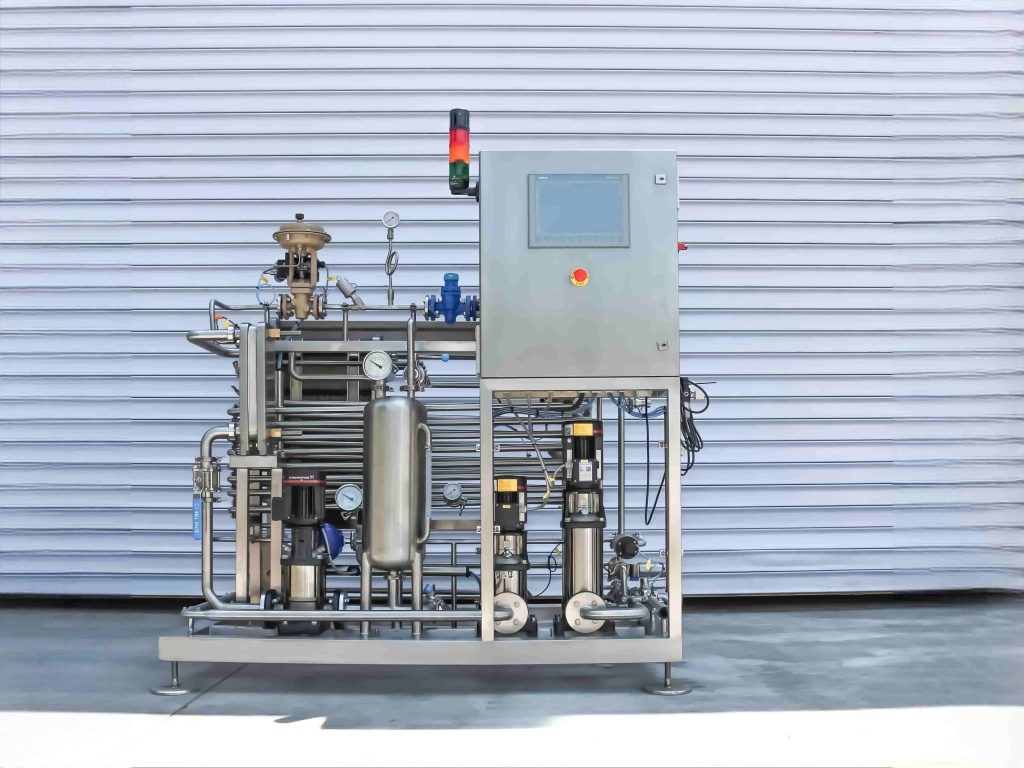
While stainless steel isn’t the most conductive metal, its other properties make it ideal for brewing processes where precise temperature control is paramount. For instance, in a flash pasteurization system, the ability of stainless steel tubes to withstand rapid temperature changes and maintain sterility is crucial. For vessels like mash tuns and kettles, jacketed stainless steel allows for excellent temperature management, either heating or cooling as needed. Its strength and stability mean it can handle the stress of chilling liquids rapidly or boiling wort at high temperatures without warping or compromising structural integrity. This precise control over temperature is essential for enzyme activity during mashing and efficient boiling for hop utilization and sterilization.
Durability and Mechanical Strength
Breweries are busy, often demanding environments. Equipment needs to withstand frequent use, movement, and the occasional bump. Stainless steel is incredibly robust, resisting dents, scratches, and fatigue better than many other materials. This inherent durability translates to less downtime for repairs and a longer lifespan for your investment. When you choose SKE’s stainless steel brewing equipment, you’re investing in robust, long-lasting machinery built to withstand the rigors of commercial brewing operations.
Inertness and Flavor Neutrality
Perhaps one of the most critical aspects for brewers is knowing that their equipment will not impart unwanted flavors or aromas to their beer. Stainless steel is an inert material, meaning it does not react with the wort or beer. This ensures that the delicate balance of flavors achieved through your recipe and fermentation process is preserved, delivering the true character of your brew to the consumer. This flavor neutrality is non-negotiable for producing high-quality, consistent beer.
Considering these profound advantages, it’s evident why stainless steel is not just a common choice, but the gold standard for brewing equipment. Its combination of hygiene, durability, and inertness creates the perfect environment for crafting exceptional beer, season after season.
Essential Stainless Steel Brewing Equipment in Your Brewhouse
A modern brewery is a symphony of interconnected processes, each relying on specialized stainless steel brewing equipment to transform raw ingredients into finished beer. Understanding the function of each piece is key to designing an efficient and productive brewhouse. SKE offers a comprehensive range of these essential components, all crafted to the highest standards.
1. Brewhouse Vessels (Mash Tun, Lauter Tun, Brew Kettle, Whirlpool Tun)
- Mash Tun: The heart of the brewing process, the mash tun, is where crushed malt and hot water combine to convert starches into fermentable sugars. SKE’s stainless steel mash tuns feature insulated jackets for precise temperature control, robust false bottoms for efficient grain separation, and agitators to ensure uniform mashing. The quality of the stainless steel here ensures no off-flavors are imparted during this critical enzymatic conversion.
- Lauter Tun: Often integrated with the mash tun or as a separate vessel, the lauter tun uses a slotted false bottom to separate the liquid wort from the spent grain. Our stainless steel lauter tuns are designed for optimal wort clarity and extract efficiency, equipped with rakes and sparging arms to maximize sugar extraction.
- Brew Kettle (Boil Kettle): After mashing and sparging, the wort is transferred to the brew kettle for boiling. This stage is crucial for sterilization, hop isomerization, and protein coagulation. SKE’s stainless steel brew kettles are built to withstand high temperatures, often featuring steam jackets or internal heating elements, and are perfectly suited for controlled, vigorous boils.
- Whirlpool Tun: Following the boil, the wort is typically transferred to a whirlpool tun. Here, centrifugal force is used to separate hop trub and other solids from the clear wort, preparing it for fermentation. Our stainless steel whirlpools are engineered for efficient separation, ensuring a clean wort transfer to the fermenter.
2. Fermentation and Conditioning Tanks (Fermenters, Bright Tanks)
- Fermentation Tanks (FV/Unitanks): These are perhaps the most iconic pieces of stainless steel brewing equipment. Fermenters, or unitanks, are where yeast converts sugars into alcohol and CO2. SKE offers conical stainless steel fermenters designed for primary fermentation, secondary fermentation, and even conditioning. Their conical bottoms facilitate easy yeast harvesting, and integrated cooling jackets allow for precise temperature control – a critical factor for healthy yeast activity and flavor development. The seamless, mirror-polished interiors prevent bacterial growth and simplify CIP.For more insights on optimal designs for fermentation, you might find our article on how to design a perfect brewery helpful, as it touches upon the strategic placement and sizing of these crucial tanks.
- Bright Beer Tanks (BBT): After fermentation, beer is often transferred to bright tanks for conditioning, carbonation, and clarification before packaging. SKE’s bright tanks are also constructed from stainless steel, ensuring the beer remains stable and free from contamination. They feature cooling jackets, carbonation stones, and sight glasses for monitoring.
3. Ancillary Stainless Steel Brewing Equipment
- Heat Exchangers: Rapidly cooling hot wort post-boil is vital to prevent off-flavors and prepare for yeast pitching. Plate heat exchangers, constructed from stainless steel, efficiently transfer heat from the hot wort to cooling water, dramatically reducing the cooling time.
- Piping and Valves: The circulatory system of any brewery, stainless steel pipes, fittings, and valves ensure sanitary transfer of wort and beer between vessels without compromising flavor or introducing contaminants. SKE provides a range of sanitary stainless steel piping solutions tailored to your unique brewery layout.
- CIP Skids: Clean-in-Place systems, often built on stainless steel skids, automate the cleaning and sanitizing of tanks and lines, ensuring that strict hygiene standards are met consistently and efficiently throughout the entire stainless steel brewing equipment setup.
- Filters and Separators: Depending on the brewing style, stainless steel filters (e.g., plate and frame filters, diatomaceous earth filters) or centrifuges are used for clarifying beer, enhancing its brilliance and stability.
From the initial mash to the final bright tank, each piece of stainless steel equipment plays an indispensable role. Investing in high-quality, well-engineered stainless steel brewing equipment like that offered by SKE is an investment in the quality, consistency, and future success of your brewery. The rigorous standards applied in manufacturing these components directly impact the final product, ensuring that every drop tastes as intended.
The SKE Advantage: Quality, Innovation, and Reliability in Stainless Steel
When it comes to outfitting a brewery, the choice of supplier for your stainless steel brewing equipment is as important as the equipment itself. SKE is a name synonymous with precision engineering, robust construction, and an unwavering commitment to quality in the brewing industry. We understand that a brewery is more than just a collection of tanks; it’s a carefully designed system where every component, especially those made from stainless steel, must perform flawlessly.
Uncompromising Material Selection
At the core of SKE’s renowned durability is our strict adherence to using only premium food-grade stainless steel. We primarily utilize Stainless Steel 304 and 316, materials celebrated for their superior corrosion resistance, strength, and hygienic properties. This foundational commitment ensures that every piece of SKE equipment, from a simple valve to a complex beer fermentation tank, is built to last and maintain product integrity. We avoid shortcuts, understanding that the quality of the raw material directly affects the lifespan and performance of your brewing system.
Precision Engineering and Craftsmanship
The aesthetic appeal and functional superiority of SKE’s stainless steel brewing equipment are a direct result of our precision engineering and skilled craftsmanship. Our manufacturing processes involve advanced welding techniques that create smooth, crevice-free interiors, crucial for preventing microbial harborage and ensuring effective Clean-in-Place (CIP) operations. Every detail, from the seamless internal welds to the polished finishes, is meticulously executed. This attention to detail not only makes our equipment easier to clean and sanitize but also contributes to the longevity and reliability of the entire system.
Customization and Scalability
Breweries come in all shapes and sizes, each with unique needs and spatial constraints. SKE prides itself on offering highly customizable stainless steel brewing equipment solutions. Whether you’re planning a nano-brewery, expanding a microbrewery, or establishing a large-scale production facility, we can design and fabricate equipment to your exact specifications. Our team works closely with clients to tailor tank dimensions, jacket configurations, control integration, and ancillary components, ensuring a perfect fit for your operational goals and brewing philosophy. This flexibility means you’re not just buying equipment; you’re investing in a bespoke brewing solution designed for your success.
Integrated Solutions and Support
Beyond individual pieces of equipment, SKE also offers integrated brewing systems. We understand that a successful brewery relies on more than just the quality of its stainless steel vessels; it depends on how seamlessly these components work together. Our expertise extends to designing complete brewhouses, fermentation cellars, and utility systems, providing a holistic solution that optimizes workflow and efficiency. Furthermore, SKE provides comprehensive after-sales support, including installation guidance, operational training, and ongoing maintenance advice, affirming our commitment to your continuous success.
Innovation for the Future of Brewing
The brewing industry is constantly evolving, and SKE is dedicated to continuous innovation. We integrate the latest technologies and design principles into our stainless steel brewing equipment to enhance energy efficiency, improve process control, and simplify operations. From advanced glycol jacketing for precise temperature management to sophisticated automation capabilities, SKE is committed to equipping brewers with the tools they need to stay competitive and creative in a dynamic market.
Choosing SKE means partnering with a company that understands the science and art of brewing. Our passion for quality, innovation, and customer success is reflected in every piece of stainless steel brewing equipment we produce, helping you craft exceptional beer with confidence and efficiency.
Maintaining Your Stainless Steel Brewing Equipment for Longevity
Investing in high-quality stainless steel brewing equipment is a significant commitment, and proper maintenance is crucial to protect that investment and ensure decades of reliable service. While stainless steel is renowned for its durability and corrosion resistance, it is not impervious to neglect or improper care. A consistent and thoughtful maintenance regimen will not only extend the lifespan of your equipment but also guarantee the hygienic conditions essential for producing consistently excellent beer.
Regular Cleaning and Sanitization: The Cornerstone of Brewery Hygiene
The most important aspect of maintaining stainless steel brewing equipment is rigorous cleaning and sanitization after each use. This prevents the buildup of organic matter, mineral deposits (like beer stone), and microbial contaminants. SKE designs its equipment with smooth, polished surfaces and accessible ports to facilitate effective Clean-in-Place (CIP) processes.
- Rinsing: Immediately after emptying a tank, rinse it thoroughly with cold water to remove as much residual organic material as possible before it dries and hardens.
- Caustic Wash: Follow with a hot caustic solution (e.g., sodium hydroxide) to break down proteins and other organic soils. Circulation of the caustic for a specified duration and temperature is key.
- Acid Wash: Periodically, an acid wash (e.g., phosphoric or nitric acid) is essential to remove mineral deposits (beer stone) and to re-passivate the stainless steel surface, regenerating its protective chromium oxide layer. This is particularly important for stainless steel brewing equipment that sees extensive use. It’s vital to follow manufacturer guidelines for acid concentration and contact time.
- Rinsing: Neutralize and rinse thoroughly with clean water after both caustic and acid cycles.
- Sanitization: Before filling with fresh wort or beer, sanitize the equipment using an approved sanitizer (e.g., peracetic acid, iodine, chlorine dioxide). Ensure proper contact time and concentration. Always rinse with sterile water if required by the sanitizer.
Incorrect use of cleaning chemicals, especially strong acids or chlorine-based sanitizers, can damage stainless steel if contact times or concentrations are exceeded. Always refer to chemical supplier guidelines and SKE’s recommendations for safe and effective cleaning practices.
Avoiding Damage and Corrosion
While robust, stainless steel can be damaged by certain practices. Understanding these can significantly prolong the life of your stainless steel brewing equipment.
- Avoid Abrasive Materials: Never use steel wool, abrasive pads, or brushes on stainless steel surfaces, as these can scratch the passive layer and introduce microscopic iron particles, leading to rust. Stick to soft brushes, sponges, or high-pressure sprayers.
- Prevent Pitting Corrosion: Pitting often occurs when chloride ions (common in some sanitizers or hard water) are allowed to concentrate on the surface of stainless steel, especially in areas like stagnant connections or under gaskets. Regular flushing and proper rinsing are critical to prevent this.
- Galvanic Corrosion: Avoid direct contact between stainless steel and dissimilar metals (like carbon steel or copper in some older setups) in a conductive liquid environment, as this can lead to accelerated corrosion of the less noble metal. Ensure all components of your stainless steel brewing equipment system are compatible.
- Stress Cracking: While rare with proper design, prolonged exposure to harsh chemicals under stress can lead to stress corrosion cracking. This is another reason to adhere to proper chemical concentrations and rinsing protocols.
Regular Inspections and Upkeep
Beyond cleaning, routine physical inspections are vital:
- Gaskets and Seals: Regularly check all gaskets, O-rings, and seals for wear, cracks, or hardening. Replace them as needed to prevent leaks and maintain a sanitary seal.
- Valves and Fittings: Inspect valves for smooth operation and ensure all fittings are secure and leak-free. Lubricate moving parts with food-grade lubricants if necessary.
- Temperature Probes and Sensors: Calibrate temperature probes periodically to ensure accurate readings, which are crucial for process control, especially in SKE’s jacketed fermenters and kettles.
- Exterior Surfaces: Even though the interior is critical, the exterior of your stainless steel brewing equipment benefits from cleaning to prevent dust buildup and maintain a professional appearance.
By implementing a diligent cleaning schedule, understanding the limitations of the material, and conducting regular inspections, brewers can ensure their stainless steel brewing equipment remains in pristine condition, consistently delivering the performance expected from a high-quality investment like SKE systems. This proactive approach saves time, prevents costly repairs, and, most importantly, protects the quality of your beer.
Advanced Considerations for Stainless Steel Brewing Equipment
Beyond the basics of selection and maintenance, there are several advanced considerations that can significantly impact the long-term performance, efficiency, and safety of your stainless steel brewing equipment. Understanding these nuances can help brewers optimize their operations and maximize their investment in high-quality systems like those provided by SKE.
Stainless Steel Grades: 304 vs. 316
While both 304 and 316 stainless steel are commonly used in brewing, there are critical differences. Type 304 stainless steel, an austenitic chromium-nickel alloy, is the most common and excellent for general brewing applications due to its corrosion resistance, formability, and hygiene. However, Type 316 stainless steel incorporates molybdenum, which provides superior resistance to pitting and crevice corrosion, especially in environments exposed to chlorides or more aggressive acids. For specific applications, such as tanks in coastal breweries exposed to salt air, or where highly acidic or corrosive CIP chemicals are used more frequently, SKE might recommend 316 stainless steel for enhanced longevity and reduced maintenance risks. Making an informed choice about the grade of stainless steel for specific components of your stainless steel brewing equipment can be a strategic decision.
Exploring the detailed specifications of different stainless steel grades is a critical component of factory standards for craft brewery equipment, ensuring that every SKE product meets specific performance criteria.
Surface Finish and Electropolishing
The surface finish of stainless steel tanks is not just about aesthetics; it profoundly impacts cleanability and resistance to bacterial adhesion. Standard brewery equipment typically features a 2B finish or a polished interior to a specific Ra (Roughness average) value. A smoother finish (lower Ra number) means fewer microscopic crevices for bacteria to hide in, making cleaning more effective. Electropolishing is an advanced finishing technique that removes a thin layer of metal, resulting in an even smoother, brighter, and more passive surface. This reduces surface tension and improves resistance to corrosion and fouling, leading to superior hygiene characteristics and potentially longer lifespan for your stainless steel brewing equipment in critical areas like fermenters or heat exchangers.
Pressure Ratings and Safety Features
Many pieces of stainless steel brewing equipment, particularly fermenters and bright tanks, operate under pressure. It is crucial that these vessels are designed, fabricated, and rated for the appropriate maximum working pressure. SKE’s tanks are built to comply with relevant pressure vessel codes (e.g., ASME, PED), ensuring their structural integrity and safety. Beyond the inherent strength of stainless steel, key safety features like pressure relief valves (PRVs) and vacuum relief valves are essential to prevent over-pressurization or collapse, protecting both personnel and product.
Jacket Design and Temperature Control
Precise temperature control is vital throughout the brewing process. Jacket design on fermenters, bright tanks, and brew kettles directly impacts heat exchange efficiency. SKE often incorporates dimpled or channel jackets that offer excellent heat transfer surface area and are rated for high-pressure cooling media (e.g., glycol). The number and placement of jackets can also be customized to manage temperature during various stages, from crashing fermentation to maintaining serving temperature. Proper insulation further enhances efficiency, minimizing energy loss and maintaining stable internal temperatures in your stainless steel brewing equipment.
Automation and Integration
Modern breweries increasingly rely on automation to enhance consistency, efficiency, and data logging. SKE’s stainless steel brewing equipment is designed to integrate seamlessly with various automation systems, from basic pump controls to sophisticated PLC-based systems. This includes precise temperature sensors, automated valve configurations, flow meters, and level sensors, all housed within sanitary stainless steel components. Integrated automation not only reduces manual labor but also provides valuable data for process optimization and quality control, making your stainless steel investment work smarter.
By considering these advanced aspects, brewers can make more informed decisions when specifying or upgrading their stainless steel brewing equipment, ultimately leading to a more efficient, safer, and higher-quality brewing operation. SKE’s expertise allows us to guide clients through these complex choices, ensuring they receive a system perfectly tailored to their advanced needs.
Frequently Asked Questions about Stainless Steel Brewing Equipment
Why is stainless steel the preferred material for brewing equipment?
Stainless steel is highly valued in brewing due to its exceptional durability, corrosion resistance, ease of cleaning and sanitization, and its inert nature which prevents flavor contamination. These properties ensure a consistent and high-quality product, making it ideal for both professional and home brewers.
What are the key benefits of investing in high-quality stainless steel brewing equipment?
Investing in high-quality stainless steel brewing equipment offers numerous advantages including enhanced product longevity, superior temperature control, reduced risk of contamination, easier cleaning and maintenance, and ultimately, a more reliable and consistent brewing process, leading to better tasting beer and significant cost savings over time.
How does SKE ensure the quality of its stainless steel brewing equipment?
SKE is committed to manufacturing brewing equipment from premium food-grade stainless steel (typically 304 or 316), employing advanced welding techniques, and adhering to stringent quality control standards. We focus on precision engineering, robust construction, and sanitary designs to deliver equipment that meets the highest demands of the brewing industry, ensuring reliability and performance for our clients.
What are the common types of stainless steel brewing equipment used in a brewery?
Common types of stainless steel brewing equipment include mash tun, lauter tun, brew kettle, whirlpool tun, fermentation tanks (fermenters and bright tanks), heat exchangers, and various piping and fittings. Each plays a crucial role in different stages of the brewing process, from wort production to fermentation and conditioning, all benefiting from the hygienic properties of stainless steel.
What kind of maintenance is required for stainless steel brewing equipment?
Maintaining stainless steel brewing equipment primarily involves thorough cleaning and sanitization after each use to prevent bacterial growth and off-flavors. Regular inspection for scratches or pitting, proper storage, and avoiding harsh abrasive cleaners are also important to preserve the metal’s integrity and extend its lifespan. For SKE equipment, we recommend following specific cleaning protocols to optimize performance.
Facebook | Email: info@skeequipment.com
For detailed inquiries and custom solutions, please fill out the contact form at the bottom of the page, and our experts will get in touch with you shortly!