
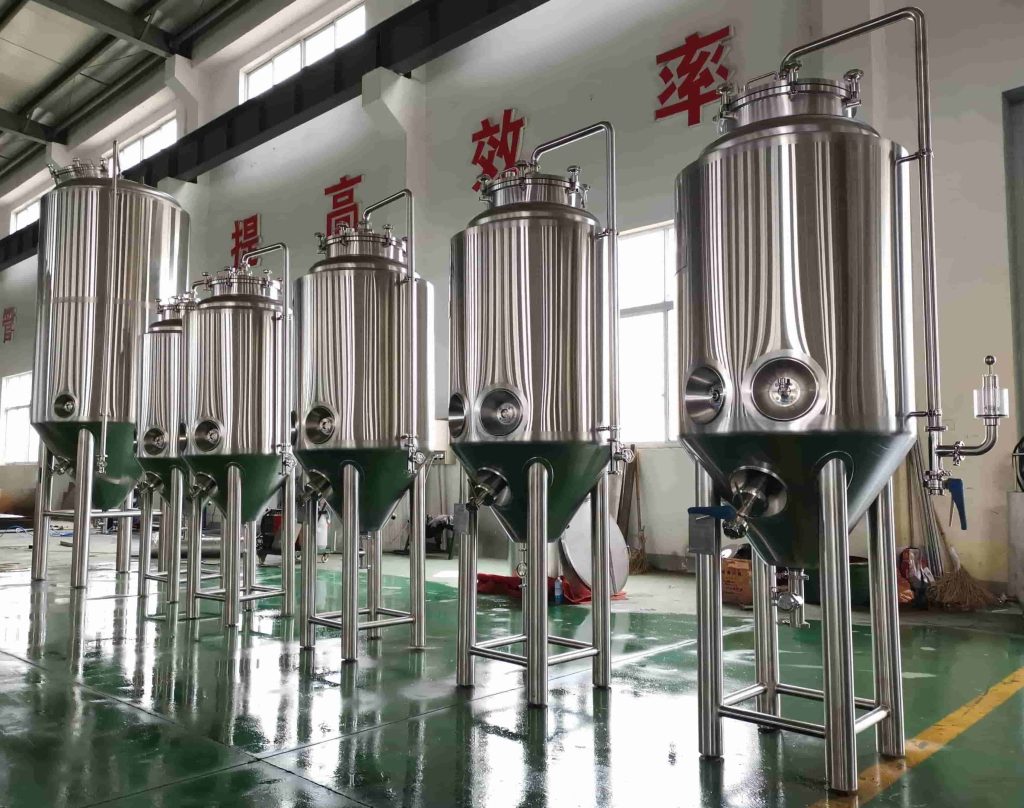
Introduction: Why Stainless Steel Brewing Tanks are Game-Changers in Craft Production
In the vibrant and ever-evolving world of craft brewing, the quality of your equipment is paramount to the success of your product. Among all the components of a brewery, stainless steel brewing tanks stand out as the undisputed champions for fermentation, conditioning, and storage. Their widespread adoption isn’t just a trend; it’s a testament to their unparalleled hygienic properties, durability, and versatility. From microbreweries to large-scale operations, these tanks are the backbone of consistent, high-quality beer production.
The journey from grain to glass relies heavily on the environment in which the beer matures. Stainless steel provides an inert, non-reactive surface that protects the delicate flavors and aromas developed during fermentation. Unlike other materials, stainless steel does not leach undesirable compounds into the beer, nor does it harbor bacteria or yeast, which is crucial for preventing off-flavors and ensuring product safety. This makes stainless steel brewing tanks an investment that pays dividends in product integrity and consumer satisfaction.
At SKE, we understand that every brewer’s vision is unique. We dedicate ourselves to engineering brewing solutions that meet and exceed industry standards, ensuring that our stainless steel brewing tanks are crafted with precision and an acute understanding of the brewing process. Our commitment to quality means brewers can focus on their craft, knowing their beer is in the best possible environment. The meticulous design and construction of these tanks ensure optimal temperature control, easy cleaning, and robust performance, key factors in producing exceptional beverages consistently.
Unparalleled Benefits of Stainless Steel Brewing Tanks for Optimal Beer Production
The choice of material for brewing vessels significantly impacts the final product. Stainless steel brewing tanks offer a suite of benefits that make them the preferred option for professional brewers worldwide. Their inherent properties contribute directly to product quality, operational efficiency, and long-term cost savings.
Hygiene and Sanitation Excellence
Perhaps the most critical advantage of stainless steel brewing tanks is their superior hygiene. The smooth, non-porous surface of stainless steel prevents the adhesion of microorganisms, making it incredibly easy to clean and sanitize. This is vital in brewing, where contamination can quickly ruin an entire batch. With proper sanitation protocols, like those used with modern flash pasteurization systems, brewers can virtually eliminate the risk of bacterial spoilage, ensuring a clean and consistent flavor profile. The resistance to corrosion also means that harsh cleaning chemicals can be used effectively without damaging the tank itself, preserving its structural integrity and hygienic properties over time.
Durability and Longevity
Investing in stainless steel brewing tanks is a decision for the long haul. These tanks are exceptionally durable, capable of withstanding the rigors of a busy brewery environment. They resist dents, scratches, and, most importantly, corrosion, even in the presence of acidic beer and strong cleaning agents. This robust construction translates into a lifespan that far exceeds that of tanks made from other materials, reducing the need for costly replacements and ensuring a consistent brewing operation for decades. SKE’s commitment to using high-grade stainless steel in our manufacturing processes guarantees that our fermenters and bright tanks are built to last, offering brewers peace of mind.
Temperature Control and Efficiency
Precise temperature control is non-negotiable in brewing, particularly during fermentation and conditioning. Stainless steel brewing tanks are designed to facilitate this with integrated jacketed cooling systems. These jackets allow liquid coolants to circulate around the inner vessel, maintaining exact temperature profiles essential for yeast health and flavor development. This efficiency in temperature management not only secures the quality of the beer but also optimizes energy consumption. SKE’s insulated tanks are engineered for maximum thermal efficiency, helping brewers maintain stable temperatures with less energy expenditure, an important factor for both product consistency and operational costs.
Versatility and Scalability
Brewers often start small and grow. Stainless steel brewing tanks offer unparalleled versatility and scalability. They come in a wide range of sizes and configurations, from small pilot systems to large commercial fermenters, allowing breweries to expand their capacity as demand increases. Their modular nature also means that additional tanks can be integrated seamlessly into existing setups. This flexibility ensures that as your brewing operation grows, your equipment can grow with it, adapting to new processes and increased volumes without requiring a complete overhaul of your infrastructure. This scalability is a significant advantage when planning for long-term growth and adapting to market demands.
Key Types of Stainless Steel Brewing Tanks and Their Functions
A modern brewery utilizes several types of stainless steel brewing tanks, each designed for a specific stage of the brewing process. Understanding their functions is crucial for optimizing your workflow and ensuring the quality of your beer. SKE offers a comprehensive range of these tanks, tailored to various brewing needs.
Fermentation Tanks (Fermenters)
These are arguably the most critical stainless steel brewing tanks. Fermenters are where wort transforms into beer as yeast converts sugars into alcohol and CO2. Conical fermenters are particularly popular due to their design, which allows yeast to collect in the conical bottom for easy harvesting and removal after fermentation. This conical shape also facilitates cleaner beer by allowing trub and other sediment to settle out effectively. Controlling temperature in fermenters is vital, and SKE’s jacketed fermenters provide precise temperature regulation, critical for specific yeast strains and fermentation profiles. Ensuring a stable environment during fermentation is key to preventing off-flavors and achieving the desired beer characteristics.
Bright Beer Tanks (BBTs)
Bright beer tanks are conditioning tanks where beer is clarified, carbonated, and stored before packaging. After fermentation, beer is transferred to these stainless steel brewing tanks for secondary conditioning, often cold crashing, and carbonation. They are designed to hold beer under pressure, allowing for natural or forced carbonation. A well-designed BBT ensures that the beer is perfectly clear, stable, and carbonated to the desired level before it reaches bottles, cans, or kegs. SKE’s BBTs are built with highly polished interior surfaces and precise pressure control mechanisms to ensure optimal conditioning and a perfectly finished product ready for consumption or distribution.
Hot Liquor Tanks (HLTs) and Cold Liquor Tanks (CLTs)
While not directly involved in fermentation, HLTs and CLTs are integral stainless steel brewing tanks in the brewhouse. Hot Liquor Tanks heat and hold water for mashing and sparging, ensuring a consistent water temperature for enzymatic activity. Cold Liquor Tanks store chilled water used for cooling wort after boiling, often passing through a heat exchanger. These tanks are crucial for efficient brewhouse operations and contribute to the overall quality and consistency of the brewing process. SKE provides robust HLTs and CLTs designed for energy efficiency and reliable performance, critical components for any serious brewery operation. Discover more about crucial brewhouse components by exploring our insights on hot liquor tanks.
Unitanks
Unitanks are versatile stainless steel brewing tanks that combine the functions of a fermenter and a bright beer tank. This means fermentation, conditioning, and even carbonation can all occur in a single vessel. This design can save space, reduce product transfers (thus minimizing oxygen exposure and potential contamination), and streamline the brewing process. Unitanks are increasingly popular in smaller breweries or those looking for greater operational flexibility. SKE’s unitanks are engineered to provide maximum versatility and efficiency, allowing brewers to optimize their space and process seamlessly. Their multi-functional design makes them an attractive option for breweries aiming for streamlined production.
Serving Tanks
Also known as “”pub tanks”” or “”dish tanks,”” serving tanks are stainless steel brewing tanks specifically designed to hold finished beer for direct serving, often in brewpubs. They are typically refrigerated and pressurized, allowing beer to be dispensed directly without further transfers, ensuring freshness and reducing packaging costs. These tanks are a visual centerpiece in many brewpubs, showcasing the fresh beer on tap. SKE provides custom-designed serving tanks that integrate seamlessly into any brewpub setting, combining functionality with aesthetic appeal, making them a focal point for customers enjoying the freshest pour.
Materials and Design: What Makes a Superior Stainless Steel Brewing Tank
The performance and longevity of stainless steel brewing tanks are largely determined by the quality of the materials used and the precision of their design and fabrication. Every detail, from the grade of stainless steel to the weld finish, contributes to the tank’s efficiency, hygiene, and durability.
The Importance of 304 and 316 Stainless Steel
The vast majority of high-quality stainless steel brewing tanks are constructed from either 304 or 316-grade stainless steel. Both are austenitic stainless steels known for their excellent corrosion resistance and hygienic properties. 304 stainless steel is the industry standard, offering superb resistance to rust and oxidation, making it ideal for most brewing applications. However, 316 stainless steel includes molybdenum in its alloy, which significantly enhances its resistance to chlorides and other aggressive chemicals, making it even more resilient in highly corrosive environments or for specialized brewing processes. SKE carefully selects top-grade stainless steel, primarily 304 or 316L (low carbon) for critical components, to ensure maximum longevity and product safety for all our brewery equipment, including our brewing tanks.
Internal Finish and Welding Standards
The interior surface finish of stainless steel brewing tanks is paramount for sanitation. A highly polished interior (often to a 2B or mirror-finish standard) reduces microscopic pores and crevices where bacteria can harbor, making cleaning and sanitizing more effective. SKE tanks feature exceptionally smooth internal welds and finishes to minimize contamination risks and ensure thorough CIP (Clean-In-Place) operations. The quality of welds is also critical; poor welds can harbor bacteria, lead to leaks, or become stress points. Our skilled fabricators utilize advanced welding techniques to create smooth, strong, and sanitary seams, which are essential for the integrity and hygienic performance of the tanks.
Jacketed Design and Insulation
Effective temperature control in stainless steel brewing tanks relies on superior jacketing and insulation. Jacketed tanks feature a secondary wall through which cooling or heating fluids circulate, allowing brewers to precisely control the internal temperature. Proper insulation around these jackets is crucial for preventing heat loss or gain, ensuring stable temperatures with minimal energy consumption. SKE’s tanks incorporate robust dimpled jackets for efficient heat exchange and thick, high-density polyurethane insulation to maintain desired temperatures, regardless of ambient conditions. This meticulous design detail translates into energy savings and consistent product quality for brewers.
Manways, Valves, and Fittings
Thoughtful design extends to all peripheral components of stainless steel brewing tanks, including manways, valves, and fittings. Manways should be strategically placed for easy access during cleaning and inspection, and their seals must be robust and leak-proof. High-quality sanitary valves and fittings, often specified as Tri-Clamp, ensure clean connections, easy disassembly for cleaning, and prevent product loss or contamination. SKE prioritizes access and ease of use, equipping our tanks with well-positioned, large manways, and standard sanitary fittings that simplify operations for brewers and ensure long-term reliability. These small components collectively contribute to the overall efficiency and cleanliness of the brewing process.
Maintenance and Longevity of Your Stainless Steel Brewing Tanks
To maximize the lifespan and ensure the consistent performance of your stainless steel brewing tanks, proper maintenance is essential. While stainless steel is inherently durable, a proactive approach to cleaning, inspection, and care will prevent issues and maintain the hygienic integrity of your vessels. SKE aims to provide tanks that are not only robust but also easy to maintain, minimizing downtime and operational headaches for brewers.
Regular Cleaning and Sanitization (CIP)
The cornerstone of maintaining stainless steel brewing tanks is diligent cleaning in place (CIP). After each batch, tanks must be thoroughly rinsed, cleaned with appropriate detergents (typically caustic solutions), and then acid-washed to remove beer stone and other mineral deposits. Following cleaning, the tanks are sanitized using chemicals or steam to eliminate any remaining microorganisms. It’s crucial to follow recommended concentrations and contact times for cleaning agents to ensure effectiveness without damaging the tank’s surface. Regular and thorough CIP not only prevents contamination but also preserves the tank’s internal finish, extending its usable life. Neglecting proper CIP can lead to biofilm formation, off-flavors, and costly batch losses.
Inspection and Preventative Measures
Beyond routine cleaning, periodical inspection of your stainless steel brewing tanks is vital. Look for any signs of pitting, discoloration, or corrosion on both internal and external surfaces. Pay close attention to welds, gaskets, and seals, as these are common areas for wear and tear. Gaskets should be replaced regularly to prevent leaks and maintain a sanitary seal. Pressure relief valves (PRVs) and vacuum relief valves (VRVs) must be inspected and calibrated according to manufacturer recommendations to ensure they function correctly, protecting your tanks from over-pressurization or collapse. SKE recommends establishing a preventative maintenance schedule to address potential issues before they become serious problems.
Handling and Storage
Although robust, stainless steel brewing tanks can be damaged by improper handling. Moving tanks, especially larger ones, requires specialized equipment and trained personnel to prevent dents or structural damage. When tanks are not in use for extended periods, they should be thoroughly cleaned, dried, and stored in a clean, dry environment, preferably pressurized with CO2 or nitrogen to prevent oxygen ingress and bacterial growth. Proper storage helps maintain the tank’s pristine condition, ready for its next brew cycle. For brewers looking to optimize their entire operational flow, understanding the nuances of turnkey solutions for brewery efficiency is also highly beneficial.
Water Chemistry and Chemical Compatibility
The type of water used for cleaning and the chemicals employed can influence the longevity of stainless steel brewing tanks. Highly chlorinated water can, over time, contribute to pitting corrosion, especially on 304 stainless steel. Ensure proper water treatment if your water supply has high chlorine levels. Similarly, avoid prolonged contact with strong hydrochloric acid or other corrosive substances not recommended for stainless steel. Always refer to chemical manufacturers’ guidelines for safe use on stainless steel. By being mindful of these factors, brewers can significantly extend the life and appearance of their valuable brewing equipment.
Choosing the Right Manufacturer for Your Stainless Steel Brewing Tanks
The decision of who supplies your stainless steel brewing tanks is as important as the tanks themselves. A reputable manufacturer doesn’t just sell equipment; they provide expertise, support, and a product designed for your long-term success. SKE embodies these values, striving to be a trusted partner for brewers around the globe.
Experience and Reputation
Look for manufacturers with a proven track record in the brewing industry. Experience indicates a deep understanding of brewing processes, engineering challenges, and the specific needs of brewers. A strong reputation, backed by testimonials and case studies, offers peace of mind regarding product quality and customer service. SKE has years of experience in designing and fabricating high-quality stainless steel brewing tanks, earning the trust of numerous breweries worldwide. Our reputation is built on delivering reliable, efficient, and durable equipment.
Customization and Flexibility
Every brewery has unique requirements, space constraints, and production goals. The best manufacturers offer customizable stainless steel brewing tanks to fit these diverse needs. This includes variations in size, jacket configuration, port placement, and types of fittings. A manufacturer’s ability to tailor equipment ensures that your tanks integrate seamlessly into your existing or planned brewery layout, optimizing workflow and efficiency. SKE prides itself on its flexible manufacturing capabilities, working closely with brewers to design bespoke brewing solutions that perfectly match their operational needs and aesthetic preferences.
Quality of Materials and Craftsmanship
As discussed earlier, the grade of stainless steel and the quality of fabrication are paramount. Insist on manufacturers who clearly specify the materials used (e.g., 304 or 316L stainless steel) and demonstrate exceptional welding and finishing standards. Ask about their quality control processes. Superior craftsmanship minimizes the risk of issues down the line, such as leaks, rust, or sanitation challenges. At SKE, our rigorous quality control procedures ensure that every stainless steel brewing tank leaving our facility meets the highest standards of material integrity and construction excellence. We believe in transparency and stand by the quality of our craft.
Support and After-Sales Service
A purchase of stainless steel brewing tanks is a significant investment. Therefore, robust after-sales support is crucial. This includes installation assistance, operational training, warranty coverage, and readily available spare parts. A manufacturer that offers comprehensive support demonstrates a commitment to your long-term success. SKE provides extensive technical support and a dedicated service team to ensure that our customers get the most out of their brewing equipment for years to come. Our relationship with clients doesn’t end after the sale; it’s just the beginning of a partnership.
The Future of Brewing with Advanced Stainless Steel Solutions
The brewing industry is constantly innovating, and stainless steel brewing tanks are evolving alongside it. Manufacturers like SKE are at the forefront of this evolution, integrating smart technologies and sustainable practices into their designs to meet the demands of tomorrow’s brewers. The focus remains on enhancing efficiency, precision, and environmental responsibility.
Integration of Automation and Smart Technologies
The next generation of stainless steel brewing tanks will feature even greater levels of automation and smart technology integration. This includes advanced sensors for real-time monitoring of fermentation parameters (temperature, pressure, pH, density), automated valve control, and seamless integration with brewery management software. These innovations allow for finer control over the brewing process, reduce human error, and enable data-driven decision-making, leading to more consistent and higher-quality beer. SKE is actively researching and developing smart tank solutions to empower brewers with unparalleled control and insight into their brewing operations, moving towards fully integrated and intelligent brewhouses.
Sustainable and Efficient Designs
Sustainability is becoming increasingly important in all industries, including brewing. Future stainless steel brewing tanks will prioritize energy efficiency, water conservation, and reduced waste. This involves optimizing jacket designs for more efficient cooling and heating, improving insulation to minimize energy loss, and incorporating features that facilitate water recirculation and recovery during cleaning. Lightweight yet robust designs could also contribute to reduced transportation costs and carbon footprint. SKE is committed to developing eco-friendly solutions, ensuring our tanks not only perform excellently but also help breweries operate more sustainably, aligning with global efforts to reduce environmental impact. Our designs consider the entire lifecycle of the product and its environmental interaction.
Enhanced Customization and Ergonomics
As the craft beer market diversifies, so too will the need for specialized brewing processes. This means future stainless steel brewing tanks will likely offer even greater degrees of customization, allowing brewers to configure tanks precisely for unique beer styles or experimental techniques. Ergonomics will also play a larger role, with designs that improve operator safety and ease of use, reducing physical strain and improving overall workflow efficiency. This includes better access points, more intuitive controls, and safer cleaning procedures. SKE is constantly working with brewers to understand their evolving needs, pushing the boundaries of what stainless steel brewing tanks can achieve in terms of adaptability and user experience, truly making them a craft brewer’s best friend in every sense.
Frequently Asked Questions About Stainless Steel Brewing Tanks
Why are stainless steel brewing tanks preferred over other materials like plastic or wood?
Stainless steel brewing tanks are highly preferred due to their superior hygiene, durability, and non-reactive nature. Unlike plastic, stainless steel doesn’t harbor bacteria or scratch easily, and it doesn’t leach unwanted flavors. Compared to wood, stainless steel is much easier to clean and sanitize, offers precise temperature control (especially with jacketed designs), and doesn’t impart variable flavors, ensuring consistent beer quality batch after batch. SKE leverages these inherent advantages to provide brewers with reliable, top-performing vessels.
What is the difference between 304 and 316 stainless steel for brewing tanks?
Both 304 and 316 stainless steel are excellent for brewing, offering great corrosion resistance. The key difference is that 316 stainless steel contains molybdenum, which provides enhanced resistance to chlorides and other aggressive chemicals, making it more suitable for highly corrosive environments or specialized applications. For most standard brewing operations, 304 stainless steel is perfectly adequate and widely used. SKE carefully selects appropriate grades of stainless steel to match the specific demands of each piece of equipment, ensuring optimal performance and longevity.
How do jacketed stainless steel brewing tanks contribute to beer quality?
Jacketed stainless steel brewing tanks are crucial for maintaining precise temperature control during fermentation and conditioning. A consistent and controlled temperature profile is vital for yeast health, preventing off-flavors, and achieving desired beer characteristics. The jackets allow for the circulation of cooling or heating fluids, enabling brewers to react quickly to temperature fluctuations and ensure stable conditions throughout the brewing process. SKE’s jacketed tanks are designed for maximum thermal efficiency, contributing directly to the production of high-quality, consistent beer.
What is the typical lifespan of stainless steel brewing tanks?
With proper care and maintenance, high-quality stainless steel brewing tanks can last for decades, often 20-30 years or more. Factors influencing longevity include the grade of stainless steel used, quality of fabrication, frequency of use, and adherence to proper cleaning and maintenance protocols. Regular inspection and timely replacement of wear parts like gaskets are key. SKE builds its stainless steel tanks to be incredibly durable, providing brewers with a long-lasting investment that withstands the rigors of commercial brewing.
Ready to Elevate Your Brewery with SKE’s Stainless Steel Brewing Tanks?
Whether you’re starting a new brewery or upgrading your existing setup, SKE offers world-class stainless steel brewing tanks and comprehensive solutions designed for quality, efficiency, and longevity. Our team of experts is ready to assist you in finding the perfect equipment to meet your unique brewing needs.
Connect with us today and let’s bring your brewing vision to life!
Alternatively, fill out the contact form at the bottom of the page, and one of our specialists will get back to you shortly!