
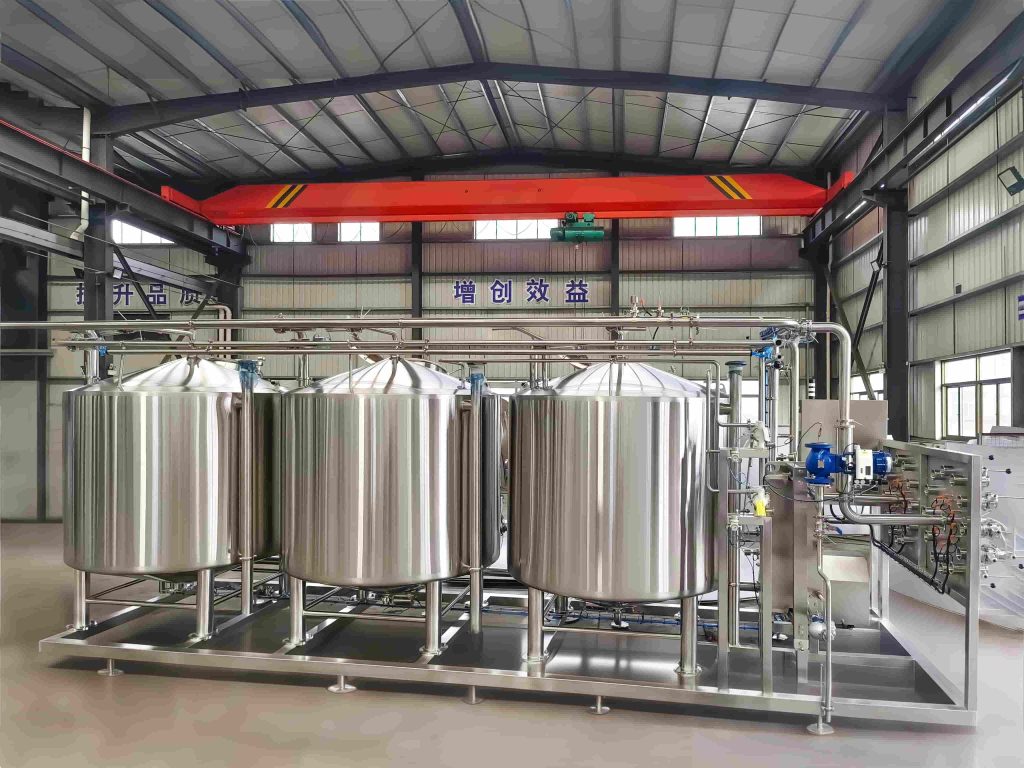
Introduction to Stainless Steel Bulk Tanks
In many industrial and commercial settings, the secure and efficient storage of liquids, gases, and granular materials is paramount. This is where the robust and versatile stainless steel bulk tank comes into its own. These tanks are more than just simple containers; they are sophisticated engineering solutions designed to meet stringent requirements for hygiene, purity, durability, and resistance to corrosion. From the dairy farm storing milk to breweries aging craft beer, and chemical plants holding various reagents, a high-quality stainless steel bulk tank performs a critical role, ensuring product integrity and operational safety.
The ubiquity of the stainless steel bulk tank across diverse sectors is a testament to its inherent advantages. Unlike other materials, stainless steel offers a unique combination of strength, resistance to extreme temperatures, and an inert surface that prevents contamination. This makes them indispensable in industries where product quality cannot be compromised. Understanding the nuances of these tanks—from their various types and internal design features to their external configurations—is crucial for anyone looking to invest in reliable bulk storage solutions. This guide will delve deep into what makes these tanks an industry standard, their applications, and how to select the best one for your specific needs.
Whether you’re new to industrial storage or looking to upgrade existing facilities, a comprehensive understanding of stainless steel bulk tanks will prove invaluable. They represent a significant investment, but one that pays dividends in terms of longevity, reduced maintenance, and superior product protection. Furthermore, modern manufacturing techniques, like those employed by SKE, enhance the performance and lifespan of these essential pieces of equipment, making them an even more attractive proposition for long-term operational efficiency.
Why Stainless Steel? Material Science and Benefits
The choice of material for bulk storage is critical, and stainless steel consistently emerges as the preferred option for a multitude of reasons, primarily due to its unique metallurgical properties. At its core, stainless steel bulk tank construction leverages the material’s high chromium content (typically 10.5% or more), which reacts with oxygen to form a passive, tenacious layer of chromium oxide on the surface. This invisible layer is what provides stainless steel with its extraordinary corrosion resistance, protecting it from rust and degradation—a stark contrast to plain carbon steel that would quickly corrode when exposed to moisture or corrosive substances.
Beyond corrosion resistance, stainless steel offers remarkable strength and durability. It can withstand significant pressure, temperature fluctuations, and mechanical stresses, making it ideal for large-volume storage and processes involving agitation or thermal cycling. This robust nature translates into a longer service life, reducing the frequency and cost of replacement. Furthermore, stainless steel is non-porous and easy to clean, which is a massive advantage in industries requiring strict hygiene, such as food, beverage, and pharmaceuticals. Its inert surface does not react with stored products, preventing flavor changes, contamination, or leaching of undesirable substances into the contents of the bulk tank.
Environmental factors also play a role in the material choice. Stainless steel is 100% recyclable, making it an environmentally friendly option. Its long lifespan further reduces its environmental footprint compared to materials that require more frequent replacement. When considering the total cost of ownership (TCO) for a stainless steel bulk tank, the initial investment is often outweighed by the long-term benefits of reduced maintenance, superior product quality, and extended operational life. SKE’s commitment to using high-grade stainless steel in our manufacturing processes ensures that our tanks consistently deliver on these promises, adhering to the highest industry standards for material integrity and performance. For more insights into the principles of processing equipment, you might find our article on flash pasteurization systems relevant, as it discusses the importance of material quality in heat exchange processes.
Diverse Applications of Stainless Steel Bulk Tanks
The versatility of the stainless steel bulk tank means it finds use across an astonishing array of industries, each with its own specific requirements and challenges. Its inherent properties of cleanliness, resistance to corrosion, and thermal stability make it an irreplaceable asset in contexts where product purity and safety are paramount. Let’s explore some of the key sectors where these tanks are not just beneficial, but often essential.
Food and Beverage Industry
Perhaps one of the most prominent applications, stainless steel bulk tanks are the backbone of the food and beverage industry. Think of dairy farms, where milk is stored and cooled in large stainless steel bulk tanks immediately after milking, maintaining its freshness and preventing bacterial growth. Breweries utilize these tanks for fermentation, lagering, and bright beer storage, where precise temperature control and an inert environment are crucial for crafting quality beverages. In wineries, they serve as fermentation vessels and aging tanks. For juice producers, soft drink manufacturers, and even edible oil processors, the hygienic and non-reactive surface of stainless steel protects the product’s flavor, aroma, and safety from farm to table. The ease of cleaning and sanitation associated with stainless steel further reduces the risk of cross-contamination, adhering to strict food safety regulations.
Pharmaceutical and Biotechnology
In the pharmaceutical and biotechnology sectors, the standards for cleanliness and purity are arguably the highest. Here, stainless steel bulk tanks are used for mixing pharmaceutical ingredients, storing culture media, and holding finished drug products. Their smooth, non-porous surfaces prevent microbial adhesion and are easily sterilized (CIP/SIP capable), ensuring aseptic conditions. The precise fabrication and finishing of these tanks, often to specific ASME BPE standards, are critical to prevent rouging and ensure compliance with regulatory bodies. SKE provides tanks specifically designed for these demanding environments, understanding that product integrity directly impacts patient health.
Chemical and Petrochemical Industry
While often dealing with more aggressive substances, the chemical and petrochemical industries also heavily rely on stainless steel bulk tanks. Specialized grades of stainless steel, such as duplex or super duplex, are often employed to resist highly corrosive chemicals, acids, and high temperatures. These tanks are used for storing raw materials, intermediate products, and finished chemicals, often equipped with robust agitation systems or heating/cooling jackets to manage temperature-sensitive reactions or maintain viscosity. The safety and containment provided by a well-engineered stainless steel bulk tank are crucial in preventing leaks and environmental hazards.
Water Treatment and Utilities
Even in water treatment facilities, stainless steel tanks play a role, particularly where purified or demineralized water needs to be stored without contamination or interaction with the tank material. Their long lifespan and resistance to general corrosion make them a practical choice for long-term infrastructure. Additionally, industries requiring steam and hot water often utilize stainless steel for their smaller storage tanks to resist corrosion from treated water.
The extensive range of applications underscores the adaptability and essential nature of a high-quality stainless steel bulk tank. Each industry leverages the material’s strengths, from hygiene to chemical resistance, proving that a well-designed and properly maintained tank is a cornerstone of efficient and safe operations. For installations requiring precise temperature control, an understanding of temperature control tanks is vital to integrate effectively with bulk storage.
Key Design Considerations for Stainless Steel Bulk Tanks
Designing a stainless steel bulk tank is a meticulous process that goes far beyond simply creating a container. It involves a deep understanding of fluid dynamics, material science, structural engineering, and specific industry regulations. The goal is always to create a tank that not only meets the immediate storage requirements but also ensures long-term operational efficiency, safety, and product integrity. Several critical factors come into play during the design phase.
Material Grade and Thickness
The specific grade of stainless steel is often the first and most critical decision. While 304 and 316L are common for many applications (316L offering superior corrosion resistance, especially against chlorides), specialized grades like 201, duplex, or super duplex stainless steel might be necessary for highly corrosive environments or high-pressure applications. The thickness of the stainless steel bulk tank walls, bottom, and top heads is calculated based on the volume, density of the stored material, internal/external pressure, and seismic considerations. Proper calculations prevent structural failure and ensure a safe working environment.
Tank Geometry and Configuration
Bulk tanks come in various shapes and sizes. Cylindrical tanks, both vertical and horizontal, are the most common. Vertical tanks are space-efficient for larger volumes, while horizontal tanks might be preferred for lower head height requirements or mobility. The type of bottom (flat, sloped, conical, dished) depends on drainage requirements. Conical or dished bottoms are excellent for complete drainage and cleaning, particularly for viscous liquids or those with solids in suspension. The top head can be dished, conical, or flat, often incorporating manways, vents, and inlets.
Agitation and Mixing Systems
For applications requiring blending, homogenization, or suspension of solids, integrated agitation systems are crucial. The design of the agitator (propeller, turbine, paddle), its speed, and baffling within the stainless steel bulk tank must be carefully engineered to achieve the desired mixing effect without damaging the product or tank structure. SKE specializes in designing and manufacturing tanks with custom agitation solutions tailored to specific process needs, ensuring efficient blending and consistent product quality.
Temperature Control
Many stored products require precise temperature management. This necessitates the incorporation of heating or cooling jackets, internal coils, or patented dimple jacket designs. Jackets allow for heating or cooling media (steam, hot water, glycol) to circulate around the tank, maintaining desired temperatures. Insulation further enhances efficiency by minimizing heat loss or gain, reducing energy consumption. The design of these systems must ensure uniform temperature distribution within the bulk tank.
Fittings, Connections, and Instrumentation
A well-designed stainless steel bulk tank includes all necessary ports and connections for efficient operation. This includes manways for access and cleaning, inlet/outlet nozzles, sample ports, level indicators (sight glasses, load cells, pressure transmitters), temperature sensors, and CIP spray balls for automated cleaning. Each fitting’s placement and welding quality are vital for preventing leaks and ensuring hygienic conditions. SKE pays meticulous attention to these details, ensuring all components are integrated seamlessly and meet operational demands. If you’re considering expanding your processing capabilities, our insights into milk processing plant equipment can offer a broader view of how tanks fit into a larger system.
Regulatory Compliance and Safety Features
Adherence to industry standards (e.g., ASME, PED, TSSA) and local regulations is non-negotiable. This includes pressure relief valves, emergency vents, seismic anchoring, and sometimes fire suppression systems. The design must also consider operator safety during filling, emptying, and cleaning operations. SKE’s design process incorporates these safety and regulatory requirements from the initial concept, ensuring that every stainless steel bulk tank we deliver is not only functional but also compliant and safe.
Maintenance and Longevity of Your Stainless Steel Bulk Tank
Investing in a stainless steel bulk tank is a significant decision, and maximizing its lifespan and performance hinges largely on a robust and consistent maintenance regimen. While stainless steel is renowned for its durability and corrosion resistance, it is not impervious to all forms of wear and tear. Proper care, regular inspections, and timely interventions can dramatically extend the operational life of your tank, reduce downtime, and ensure the continued integrity of your stored products.
Regular Cleaning and Sanitation
For almost all applications, especially in the food, beverage, and pharmaceutical industries, regular and thorough cleaning is paramount. This typically involves a Clean-in-Place (CIP) system, where cleaning solutions, rinses, and sanitizers are circulated through the tank without disassembly. The design of the stainless steel bulk tank, particularly its internal finish and the presence of spray balls, significantly influences the effectiveness of CIP. For tanks holding products with residues, physical cleaning may also be necessary, requiring access through manways. Proper cleaning prevents the buildup of contaminants, microbial growth, and ensures the tank remains hygienic and free from product carryover.
Routine Inspections
A critical component of maintenance is scheduled visual and, where necessary, non-destructive testing (NDT) inspections. Operators should regularly check for:
- Surface Integrity: Look for signs of pitting, crevice corrosion, stress corrosion cracking, or rouging. While stainless steel is resistant, specific chemical exposures or improper cleaning can sometimes lead to localized corrosion.
- Welds: Inspect welds for cracking, pinholes, or signs of fatigue. High-quality welds, like those achieved by SKE, are crucial for tank integrity.
- Fittings and Connections: Check all nozzles, valves, gaskets, and seals for leaks, wear, or damage. Worn gaskets can lead to contamination or product loss.
- Instrumentation: Verify that temperature sensors, level indicators, pressure gauges, and safety relief valves are functioning correctly and calibrated.
- Agitators and Motors: If equipped with an agitator, inspect impellers for wear, shaft alignment, and motor performance. Lubricate bearings as per manufacturer guidelines.
- Support Structure and Insulation: Ensure the tank’s support legs or skirt are free from damage and corrosion. Check insulation for breaches that could compromise thermal control.
Addressing Issues Promptly
Any signs of corrosion, leaks, or mechanical issues should be addressed immediately. Small problems can quickly escalate if neglected. For instance, minor pitting corrosion might indicate a localized environmental issue or a compatibility problem with a specific cleaning agent, which can be corrected before it compromises the entire stainless steel bulk tank. SKE offers support and guidance on troubleshooting and repairs, ensuring the longevity of our equipment.
Preventative Measures
Understanding the chemical compatibility of your stored product and cleaning agents with the stainless steel grade is a key preventative measure. Avoid using abrasive tools or harsh chemicals that could damage the passive layer of the stainless steel. Proper storage and operational procedures, such as avoiding overfilling or exceeding temperature/pressure limits, also contribute significantly to the tank’s longevity. By adhering to a comprehensive maintenance schedule and leveraging the inherent quality of a SKE-engineered stainless steel bulk tank, you can ensure decades of reliable service and optimal performance.
Choosing the Right Stainless Steel Bulk Tank: The SKE Advantage
When the time comes to select a stainless steel bulk tank, the choice extends beyond mere capacity and dimensions. It’s about partnering with a manufacturer who understands the intricacies of your industry, adheres to the highest engineering standards, and provides solutions that are both reliable and cost-effective in the long run. This is where SKE distinguishes itself, offering a compelling advantage in a competitive market.
Expertise and Customization
At SKE, we recognize that no two applications are exactly alike. Our strength lies in our ability to provide highly customized stainless steel bulk tank solutions. Whether you require specific material grades, unique agitation systems, specialized heating/cooling jackets, or particular internal finishes, our team of experienced engineers works closely with you to design a tank that perfectly integrates into your existing processes and meets your unique operational demands. We don’t just sell tanks; we provide tailored engineering solutions.
Uncompromising Quality and Craftsmanship
Quality is at the heart of every stainless steel bulk tank produced by SKE. We utilize only high-grade stainless steel, sourced from reputable suppliers, and employ advanced manufacturing techniques to ensure superior weld integrity, precise fabrication, and impeccable surface finishes. Our commitment to quality control at every stage of production—from material selection to final inspection—ensures that each tank meets or exceeds stringent industry standards and client expectations. This dedication to craftsmanship translates into tanks that are not only durable and efficient but also aesthetically pleasing and built to last.
Compliance and Safety
Navigating the complex landscape of industrial regulations and safety standards can be challenging. SKE designs and manufactures its stainless steel bulk tanks in full compliance with relevant international and national codes, such as ASME, PED, and local safety ordinances. We prioritize safety in every design, incorporating features like appropriate pressure relief systems, secure manways, and robust support structures. Our rigorous testing procedures further guarantee that our tanks are safe, reliable, and compliant, giving you peace of mind.
Lifecycle Support and Value
Choosing SKE means more than just purchasing a piece of equipment; it means gaining a long-term partner. We offer comprehensive support throughout the lifecycle of your stainless steel bulk tank, from initial consultation and design to installation guidance and after-sales service. Our focus is on delivering exceptional value, where the superior quality, extended lifespan, and reduced maintenance needs of our tanks provide a compelling return on your investment. When you invest in an SKE tank, you’re investing in reliability, performance, and a partner dedicated to your success.
Consider SKE for your next stainless steel bulk tank project. Contact us today to discuss your specific needs and discover how our expertise can provide the optimal storage solution for your enterprise. We pride ourselves on delivering solutions that are not just tanks, but cornerstones of efficient and reliable industrial operations.
Frequently Asked Questions About Stainless Steel Bulk Tanks
What are the primary advantages of using a stainless steel bulk tank over other materials?
Stainless steel bulk tanks offer superior corrosion resistance, high hygienic properties due to their non-porous and easy-to-clean surface, excellent durability and strength, and inertness which prevents contamination of stored products. They also withstand extreme temperatures and pressures, making them highly versatile.
How do different grades of stainless steel impact tank selection?
Different grades of stainless steel have varying properties. For instance, 304 stainless steel is common for general use, while 316L offers enhanced corrosion resistance, especially in chloride-rich environments, making it suitable for pharmaceutical or certain chemical applications. Specialized grades like duplex stainless steel provide even higher strength and corrosion resistance for demanding conditions. The choice depends on the specific product stored and environmental factors.
What kind of maintenance is required for a stainless steel bulk tank?
Maintenance primarily involves regular cleaning (often through Clean-in-Place systems), routine visual inspections for signs of corrosion or damage to welds and surfaces, and checking the functionality of all fittings, instruments, and agitators (if applicable). Promptly addressing any issues and adhering to manufacturer guidelines will ensure longevity and optimal performance of your stainless steel bulk tank.
Can SKE customize bulk tanks to specific industry needs?
Absolutely. SKE specializes in providing highly customized stainless steel bulk tank solutions. Our engineering team works closely with clients to design tanks with specific dimensions, material grades, agitation systems, heating/cooling jackets, internal finishes, and regulatory compliance features to meet the precise requirements of various industries, including food & beverage, pharmaceutical, and chemical.
Ready to invest in a reliable and high-quality stainless steel bulk tank for your operations?
SKE is here to provide bespoke solutions tailored to your exact needs. Contact us today to discuss your project requirements or to request a quote.
Connect with us on Facebook
Email us: info@skeequipment.com
Alternatively, fill out the contact form at the bottom of the page, and our experts will get in touch with you shortly!