Introduction to Stainless Steel Milk Tanks
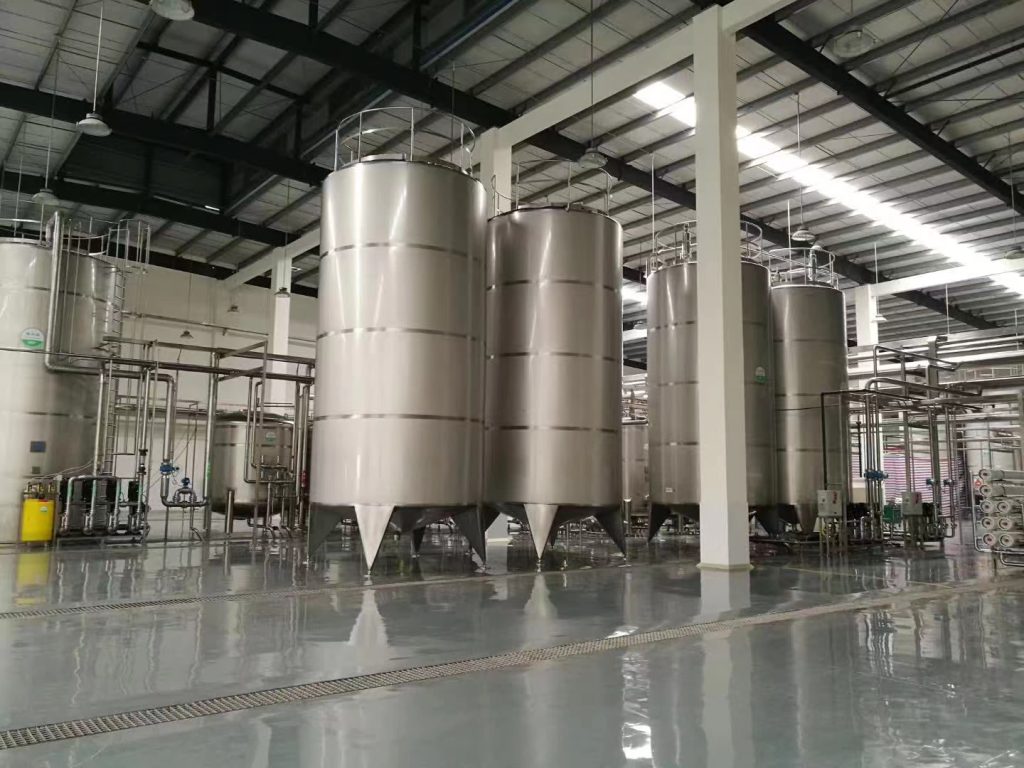
In the vast and ever-evolving world of dairy production, the integrity and safety of milk are paramount. From the moment it leaves the udder to when it reaches the consumer’s table, maintaining its quality is a complex process. At the heart of this process, particularly during storage and transportation, lies a critical piece of equipment: the stainless steel milk tank. More than just a container, a stainless steel milk tank is a sophisticated engineering solution designed to preserve the freshness, nutritional value, and hygienic standards of milk. Its robust construction and specialized features are indispensable for dairy farms, processing plants, and transporters alike.
The journey of milk from farm to factory demands impeccable hygiene and precise temperature control. A high-quality stainless steel milk tank ensures that these critical parameters are met consistently, safeguarding against bacterial growth, contamination, and spoilage. The choice of material, specifically stainless steel, is not arbitrary. It is chosen for its unique properties that are perfectly suited for food-grade applications, especially for a sensitive product like milk. This introduction will delve into the fundamental importance of these tanks, setting the stage for a deeper exploration into their design, benefits, and the role they play in the modern dairy industry. Understanding the nuances of a well-designed stainless steel milk tank is key to appreciating the efforts involved in bringing safe and healthy dairy products to everyone.
Why Stainless Steel? The Unmatched Advantages for Milk Storage
Firstly, the superior hygiene properties of stainless steel are perhaps its most significant attribute. Its non-porous surface provides no refuge for bacteria, making it incredibly easy to clean and sanitize. Unlike other materials that can harbor microbes in microscopic crevices, stainless steel inhibits bacterial growth, drastically reducing the risk of contamination. This translates directly to safer milk and extended shelf life, which are crucial for both small farms and large-scale processing facilities. The smooth, inert surface prevents any interaction between the tank material and the milk, ensuring that the milk’s taste, aroma, and nutritional composition remain untainted. Regular, effective cleaning cycles are effortless to implement with a stainless steel surface, ensuring that every batch of milk starts with a pristine environment.
Secondly, stainless steel boasts exceptional durability and corrosion resistance. Milk, especially raw milk, can contain various components that might react with less robust materials over time. Stainless steel, particularly grades like 304 and 316, is highly resistant to corrosive elements found in milk and cleaning agents. This resistance ensures a long operational lifespan for the stainless steel milk tank, representing a sound long-term investment for any dairy business. These tanks can withstand rigorous daily use, varying temperatures, and repeated cleaning cycles without degradation, pitting, or rust. This inherent strength means fewer replacements, lower maintenance costs, and consistent performance over decades, offering unparalleled reliability.
Furthermore, temperature control is vital for milk preservation, and stainless steel excels in this regard. Its thermal conductivity properties, especially when combined with efficient insulation, allow for precise temperature regulation. Many modern stainless steel milk tanks are designed with advanced cooling jackets and insulation layers that maintain milk at optimal temperatures, halting bacterial proliferation and preserving freshness. This capability is paramount for maintaining the quality of milk from collection to processing, ensuring that it remains cool and safe, particularly during periods of transport or temporary storage. The structural integrity of a stainless steel milk tank also allows for the integration of sophisticated cooling systems without compromising the tank’s overall strength or hygiene.
Finally, the versatility of stainless steel permits highly customizable designs. Manufacturers like SKE can craft stainless steel milk tanks in various shapes, sizes, and configurations to meet specific operational needs, whether it’s a small farm tank or a large industrial silo. This adaptability, combined with weldability and formability, allows for the creation of seamless tanks with minimal joints, further enhancing hygiene. The aesthetic appeal of a clean, polished stainless steel milk tank also speaks to a commitment to quality and professionalism. For dairy operations that prioritize both efficiency and hygiene, the choice of a high-quality stainless steel milk tank is not just beneficial; it’s absolutely essential. SKE, for instance, focuses on delivering optimized solutions, ensuring every stainless steel milk tank meets and exceeds industry expectations for performance and longevity. You can learn more about our commitment to quality in Quality Control in Manufacturing Sanitary Stainless Steel Equipment for Dairy and Food Processing Plants.
Types and Key Features of Advanced Stainless Steel Milk Tanks
The world of dairy processing requires specialized equipment, and the stainless steel milk tank is no exception. With diverse operational scales and specific needs across the industry, a variety of stainless steel milk tank types have been developed, each with distinct features tailored for optimal milk handling and preservation. Understanding these types and their advanced functionalities is crucial for making informed decisions and ensuring the longevity and efficiency of your dairy operation.
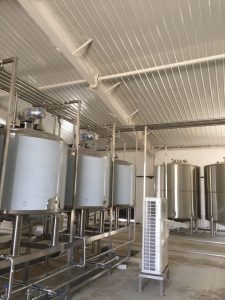
Broadly, stainless steel milk tanks can be categorized by their application: farm pickup tanks, storage tanks, and processing tanks. Farm pickup tanks, often horizontal and insulated, are designed for rapid cooling and temporary storage directly at the dairy farm before collection. These typically feature direct expansion cooling systems and agitators to ensure uniform temperature throughout the milk batch. Storage tanks, found at processing plants, can range from vertical silos of immense capacity to smaller, jacketed tanks for intermediary storage. Processing tanks are specialized for certain operations like pasteurization preparation, mixing, or culture development, often including heating elements, high-speed agitators, and precise temperature control mechanisms. The common thread among all these is the robust stainless steel construction, ensuring food-grade hygiene and durability.
Key features that define an advanced stainless steel milk tank go beyond mere containment. Modern tanks incorporate state-of-the-art technologies to enhance efficiency, reduce spoilage, and simplify operations. One fundamental feature is superior insulation, typically employing high-density polyurethane foam. This insulation minimizes heat transfer, greatly reducing energy consumption for cooling and maintaining stable temperatures even in fluctuating external conditions. A well-insulated stainless steel milk tank is crucial for preserving milk quality during extended storage or transport. SKE’s tanks, for example, are meticulously insulated to uphold these critical temperature standards, showcasing our dedication to energy efficiency and product integrity.
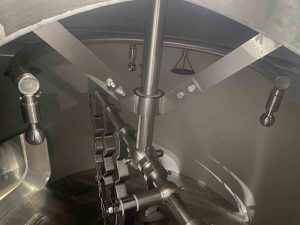
Another vital feature is the cooling system. While some smaller tanks might use direct expansion refrigeration, larger tanks often integrate sophisticated chilled water or glycol cooling jackets. These jackets provide uniform cooling over a larger surface area, preventing “”hot spots”” and ensuring rapid, even temperature reduction. Agitation systems are equally important, ranging from gentle, slow-speed stirrers to high-shear mixers depending on the tank’s purpose. Agitators prevent cream separation and ensure consistent temperature distribution throughout the milk, which is particularly important in a large stainless steel milk tank. Furthermore, many tanks include advanced cleaning-in-place (CIP) systems. These automated systems use spray balls and nozzles to thoroughly clean and sanitize the tank’s interior without manual intervention, drastically improving hygiene and worker safety. This automation is a game-changer for maintaining the rigorous sanitary conditions required in dairy processing.
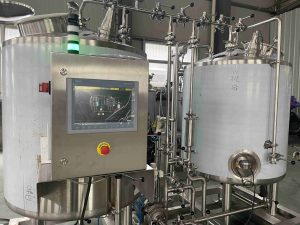
Beyond these, advanced monitoring and control systems are increasingly becoming standard. Integrated sensors for temperature, level, and even pH can provide real-time data to operators. Programmable Logic Controllers (PLCs) allow for automated control of cooling, agitation, and CIP cycles, optimizing efficiency and reducing human error. Safety features such as pressure relief valves, overflow prevention, and ergonomic access points for inspection further contribute to the overall utility of a modern stainless steel milk tank. For detailed insights into the specialized cooling methods employed, you might find our article on Dairy Chiller System particularly informative. SKE prides itself on integrating these cutting-edge features into our stainless steel milk tank offerings, providing solutions that are not only robust but also intelligent and highly efficient, ensuring that our clients receive the best possible equipment for their dairy processing needs.
Maintenance and Longevity: Maximizing Your Stainless Steel Milk Tank Investment
Investing in a high-quality stainless steel milk tank is a significant decision for any dairy operation, promising years of reliable service and pristine milk storage. However, the longevity and optimal performance of this critical equipment are directly tied to diligent maintenance practices. Proper care not only extends the life of the stainless steel milk tank but also ensures the consistent hygienic conditions necessary for milk quality and safety, thereby maximizing your return on investment.
The cornerstone of stainless steel milk tank maintenance is regular and thorough cleaning. Due to milk’s sensitive nature, any residue left behind can become a breeding ground for bacteria, compromising subsequent batches. Daily cleaning, ideally after each emptying, is non-negotiable. This usually involves a multi-step process: an initial rinse with lukewarm water to remove visible milk solids, followed by a hot water wash with an approved alkaline detergent to break down fats and proteins. This is then often followed by an acid wash to tackle mineral deposits (milkstone) and finally, a sanitizing rinse. Manual scrubbing with soft brushes or pads may be necessary for stubborn areas, but abrasive materials that could scratch the stainless steel surface must be strictly avoided, as scratches can create micro-crevices where bacteria can hide. Many modern stainless steel milk tanks are equipped with automated Clean-in-Place (CIP) systems, simplifying this process and ensuring consistent, effective sanitation. Regular checks of the CIP spray balls and nozzles are vital to ensure full coverage during cleaning cycles. For more insights on general processing plant maintenance, check out our piece on Maintenance Guide for Juice Vending Machine and Processing Plant Equipment – many principles apply universally.
Beyond daily cleaning, periodic maintenance checks are essential. This includes inspecting seals, gaskets, and O-rings for wear and tear. Over time, these components can degrade, leading to leaks or compromised insulation, which directly impacts the efficiency of your stainless steel milk tank. Replacing worn seals promptly prevents costly downtime and maintains the tank’s hygienic barrier. The cooling system, whether direct expansion or a chilled water jacket, also requires attention. Refrigerant levels, compressor functionality, and condenser coils should be inspected by qualified technicians regularly. Blocked condenser coils, for instance, can drastically reduce cooling efficiency and increase energy consumption. Agitator motors and gearboxes should be checked for unusual noises, vibrations, or leaks, and lubricated according to manufacturer’s specifications.
The external condition of the stainless steel milk tank also warrants observation. While stainless steel is highly durable, physical damage can occur. Dents or scratches should be assessed, as severe damage could affect the tank’s structural integrity or insulation. Regular visual inspections can catch potential issues before they escalate into major problems. Proper training for all personnel operating and cleaning the tank is critical. Understanding the specific operating procedures, cleaning protocols, and troubleshooting steps can dramatically extend the life of the equipment and ensure consistent product quality. When it comes to replacements or upgrades, choosing high-quality parts and reputable service providers is crucial. At SKE, we not only offer premium stainless steel milk tank solutions but also provide guidance on best practices for maintenance, ensuring that your investment delivers reliable performance for decades. Our commitment extends beyond the sale, aiming to support your operational excellence.
Choosing the Right Stainless Steel Milk Tank: Why SKE Leads the Industry
Selecting the optimal stainless steel milk tank is a pivotal decision for any dairy operation, directly impacting efficiency, hygiene, and ultimately, profitability. With numerous options available, discerning the best solution requires careful consideration of quality, engineering, and supplier reliability. This is where SKE distinguishes itself, offering a range of superior stainless steel milk tank solutions designed with precision, durability, and the highest sanitary standards in mind. Choosing SKE means investing in a legacy of excellence and innovation.
What sets SKE’s stainless steel milk tanks apart in a competitive market? It begins with an unwavering commitment to material quality. We exclusively utilize food-grade stainless steel, typically AISI 304 or 316, ensuring maximum corrosion resistance, ease of cleaning, and an inert surface that preserves the purity of your milk. Every stainless steel milk tank manufactured by SKE undergoes stringent quality control at every stage of production, from raw material inspection to final product testing. This meticulous attention to detail guarantees that our tanks are not only compliant with international food safety standards but also exceed industry expectations for robustness and longevity. Our engineering team focuses on seamless welds and polished interiors, eliminating potential bacterial traps and simplifying your cleaning-in-place (CIP) processes, which is essential for maintaining optimal hygiene in dairy applications. This dedication to craftsmanship ensures that every SKE stainless steel milk tank delivers peace of mind along with performance.
Beyond materials, SKE’s engineering expertise translates into highly efficient and innovative designs. Our stainless steel milk tanks are optimized for superior temperature control, featuring advanced insulation techniques and efficient cooling systems tailored to your specific operational needs. Whether you require a vertical storage silo, a horizontal farm tank, or a specialized processing vessel, SKE offers customized solutions. Our tanks integrate state-of-the-art agitation systems to ensure uniform milk temperature and prevent cream separation, alongside precise temperature monitoring and control interfaces. This level of technical sophistication results in reduced energy consumption, preserves milk quality, and enhances overall operational efficiency. We understand that every dairy operation has unique demands, and our ability to engineer bespoke stainless steel milk tank solutions is a core strength.
Furthermore, SKE is not just a manufacturer; we are a partner in your dairy success. Our team of experts provides comprehensive support, from initial consultation and design to installation and after-sales service. We pride ourselves on understanding the specific challenges and requirements of modern dairy processing. Our stainless steel milk tank solutions are designed for ease of installation, intuitive operation, and minimal maintenance, thereby reducing operational overhead for our clients. By choosing an SKE stainless steel milk tank, you are not just purchasing equipment; you are gaining access to reliable support, expert advice, and a commitment to innovation that keeps your operation at the forefront of the industry. This holistic approach ensures that your investment in an SKE stainless steel milk tank delivers exceptional value and performance for years to come. Explore our range of tanks and services by connecting with us directly.
The Future of Dairy: Innovations and Your Stainless Steel Milk Tank
The dairy industry is constantly evolving, driven by consumer demand for higher quality, greater efficiency, and increased sustainability. As technology advances, so too does the role and sophistication of critical equipment like the stainless steel milk tank. Looking ahead, innovations in tank design, materials science, and integrated systems are set to redefine how milk is stored, processed, and tracked, making the stainless steel milk tank an even more intelligent and integral component of the dairy supply chain.
One major area of innovation for the stainless steel milk tank is enhanced connectivity and intelligent monitoring. The rise of the Internet of Things (IoT) means that future tanks will likely feature more advanced sensor arrays capable of real-time monitoring of not just temperature and fill levels, but also milk composition, pH, and even early indicators of bacterial presence. This data, transmitted wirelessly to central control systems or mobile devices, will enable predictive maintenance, optimized cooling schedules, and immediate alerts for any deviations from optimal conditions. Imagine a stainless steel milk tank that can proactively signal a potential issue before it impacts milk quality, allowing for intervention and minimizing waste. This level of data-driven insight will empower dairy producers to make more informed decisions, enhancing efficiency and product safety. SKE is actively researching and developing solutions that integrate these smart technologies into our stainless steel milk tank designs, ensuring our clients remain at the leading edge of dairy technology.
Sustainability is another driving force for innovation. Future stainless steel milk tanks will likely incorporate even more energy-efficient cooling systems, potentially utilizing natural refrigerants or advanced heat recovery mechanisms. The insulation capabilities will continually improve, further reducing the energy footprint. There’s also a growing emphasis on minimizing water usage during CIP cycles through optimized spray patterns and more efficient detergent systems. Even the production process of the stainless steel itself is becoming greener, with a focus on recycled materials and reduced energy consumption. As the global push for environmental responsibility intensifies, the stainless steel milk tank will play a crucial role in lowering the dairy industry’s carbon footprint, becoming an even more eco-friendly piece of equipment. Our commitment to sustainable practices is evident in our product development, aiming to provide solutions that are both high-performing and environmentally conscious.
Furthermore, advancements in materials and coatings could lead to even more resilient and hygienic tanks. While stainless steel is already excellent, research into antimicrobial surfaces or novel non-stick coatings could further enhance cleaning efficiency and prevent biofilm formation. Modular designs for a stainless steel milk tank might also become more prevalent, allowing for easier scaling of capacity or reconfiguration of processing lines without entirely replacing existing infrastructure. Robotics and automation will continue to play a larger role in everything from tank cleaning to sampling, further improving safety and reducing labor costs. The future of the stainless steel milk tank is bright, promising a blend of robust engineering with smart technology to create an even more reliable, efficient, and sustainable foundation for the global dairy industry. Operators will benefit from equipment that is not only built to last but also intelligently designed to adapt to the challenges and opportunities of tomorrow’s dairy landscape. SKE remains committed to being at the forefront of these advancements, continually innovating to provide the best stainless steel milk tank solutions for our valued customers.
Frequently Asked Questions about Stainless Steel Milk Tanks
What makes stainless steel the ideal material for a milk tank?
Stainless steel is ideal for a milk tank due to its non-porous, corrosion-resistant, and hygienic surface. It prevents bacterial growth, does not react with milk, is easy to clean and sanitize, and provides exceptional durability, ensuring the purity and quality of the stored milk. Grades like AISI 304 and 316 are commonly used for their superior food-grade properties.
How do I choose the right size and type of stainless steel milk tank for my dairy farm?
Choosing the right stainless steel milk tank depends on your daily milk production volume, expected growth, and available space. Consider your current daily output plus at least 25% for future expansion. Horizontal tanks are common for farms, while vertical silos suit larger processing plants. SKE offers various sizes and configurations, and our experts can help you assess your needs for an optimal solution.
What is the expected lifespan of a stainless steel milk tank, and how can I maximize it?
A well-maintained stainless steel milk tank can last 20-30 years or more. To maximize its lifespan, adhere to strict daily cleaning protocols using approved detergents, perform regular inspections of seals and cooling systems, avoid abrasive cleaning tools, and ensure professional servicing of refrigeration components. Proper operation and a proactive maintenance schedule are key.
Are SKE stainless steel milk tanks compliant with food safety regulations?
Yes, all SKE stainless steel milk tanks are designed and manufactured to meet or exceed international food safety standards. We use only food-grade stainless steel and adhere to stringent quality control processes, ensuring our equipment is hygienic, safe, and suitable for the dairy industry’s rigorous requirements. Our commitment to quality ensures compliance and peace of mind for our clients.
What are the key cooling mechanisms used in modern stainless steel milk tanks?
Modern stainless steel milk tanks primarily use direct expansion cooling systems for smaller capacities or chilled water/glycol jackets for larger tanks. These systems are designed for rapid and uniform temperature reduction, often complemented by efficient insulation and agitation to maintain milk quality, prevent bacterial growth, and optimize energy consumption. SKE incorporates advanced cooling technologies for superior preservation.
Ready to Upgrade Your Dairy Operations?
Discover how SKE’s cutting-edge stainless steel milk tank solutions can transform your dairy farm or processing plant. Our expertly engineered tanks ensure optimal hygiene, efficiency, and longevity, safeguarding your milk quality.
Connect with us today:
Facebook: SKE Equipment on Facebook
Email: info@skeequipment.com
Want to speak with an expert or receive a personalized quote? Fill out the contact form below, and our team will get back to you promptly to discuss your specific needs!