Table of Contents
Introduction to Stainless Steel Pump Carts
In today’s fast-paced industrial landscape, the efficient and hygienic transfer of fluids is paramount. From food and beverage production to pharmaceuticals and fine chemicals, the demand for reliable and mobile pumping solutions is ever-increasing. This is where the stainless steel pump cart emerges as an indispensable asset. Far more than just a piece of equipment, a quality stainless steel pump cart represents a complete solution for fluid handling, offering unparalleled mobility, durability, and cleanliness. Its robust construction ensures longevity and resistance to corrosive environments, making it a critical component in maintaining operational integrity and product quality.
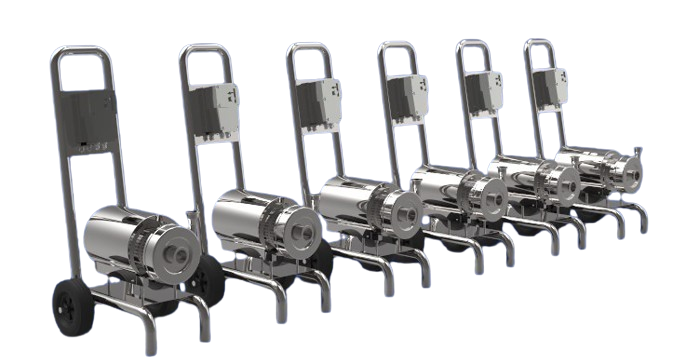
A stainless steel pump cart is essentially a mobile platform equipped with a pump, motor, and necessary control components, all mounted on a sturdy stainless steel frame with wheels. This design allows for easy relocation of the pumping system to various points within a facility, significantly reducing downtime and increasing flexibility. The material of choice, stainless steel, provides numerous benefits, which we will delve into further. Its smooth, non-porous surface is ideal for hygienic applications, preventing bacterial growth and simplifying cleaning processes. For industries where cross-contamination is a significant concern, the inherent properties of a stainless steel pump cart are not just a preference but a necessity.
The versatility of a stainless steel pump cart means it can be configured with various types of pumps, including centrifugal, positive displacement, and sanitary lobe pumps, depending on the fluid characteristics and operational requirements. This adaptability ensures that whether you’re dealing with viscous liquids, shear-sensitive products, or aggressive chemicals, there’s a stainless steel pump cart solution available. The comprehensive approach to fluid transfer offered by these units underscores their value, making them a strategic investment for businesses looking to optimize their production lines and uphold the highest standards of safety and efficiency. Understanding the core functionality and advantages of a stainless steel pump cart is the first step towards realizing its full potential in your operations.
Why Stainless Steel? Benefits for Fluid Transfer
The choice of material for any industrial equipment is crucial, and for pump carts, stainless steel stands head and shoulders above other options. The myriad benefits offered by stainless steel are directly responsible for the superior performance and widespread adoption of the stainless steel pump cart across diverse sectors. Its unique metallurgical properties make it exceptionally well-suited for demanding fluid transfer applications where hygiene, corrosion resistance, and structural integrity are non-negotiable.
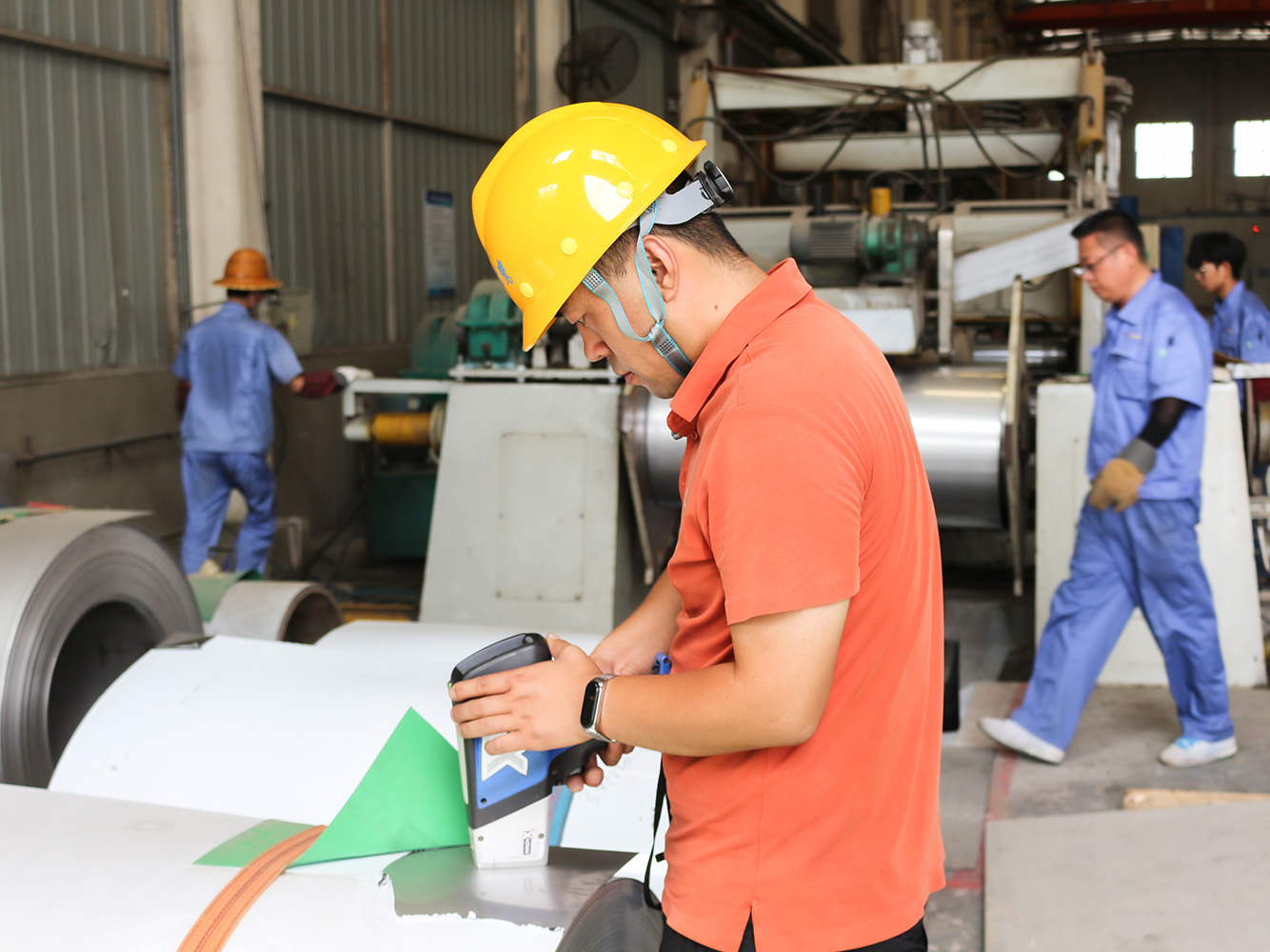
Firstly, corrosion resistance is arguably the most significant advantage. Stainless steel, particularly grades like 304 and 316, contains chromium, which forms a passive layer on its surface, protecting it from rust and degradation even when exposed to harsh chemicals, acids, or high-moisture environments. This characteristic ensures that the structural integrity of the stainless steel pump cart remains uncompromised over time, even with continuous exposure to the media being pumped or aggressive cleaning agents. This longevity translates into a lower total cost of ownership and reduced need for frequent replacements, a key consideration for industrial operations.
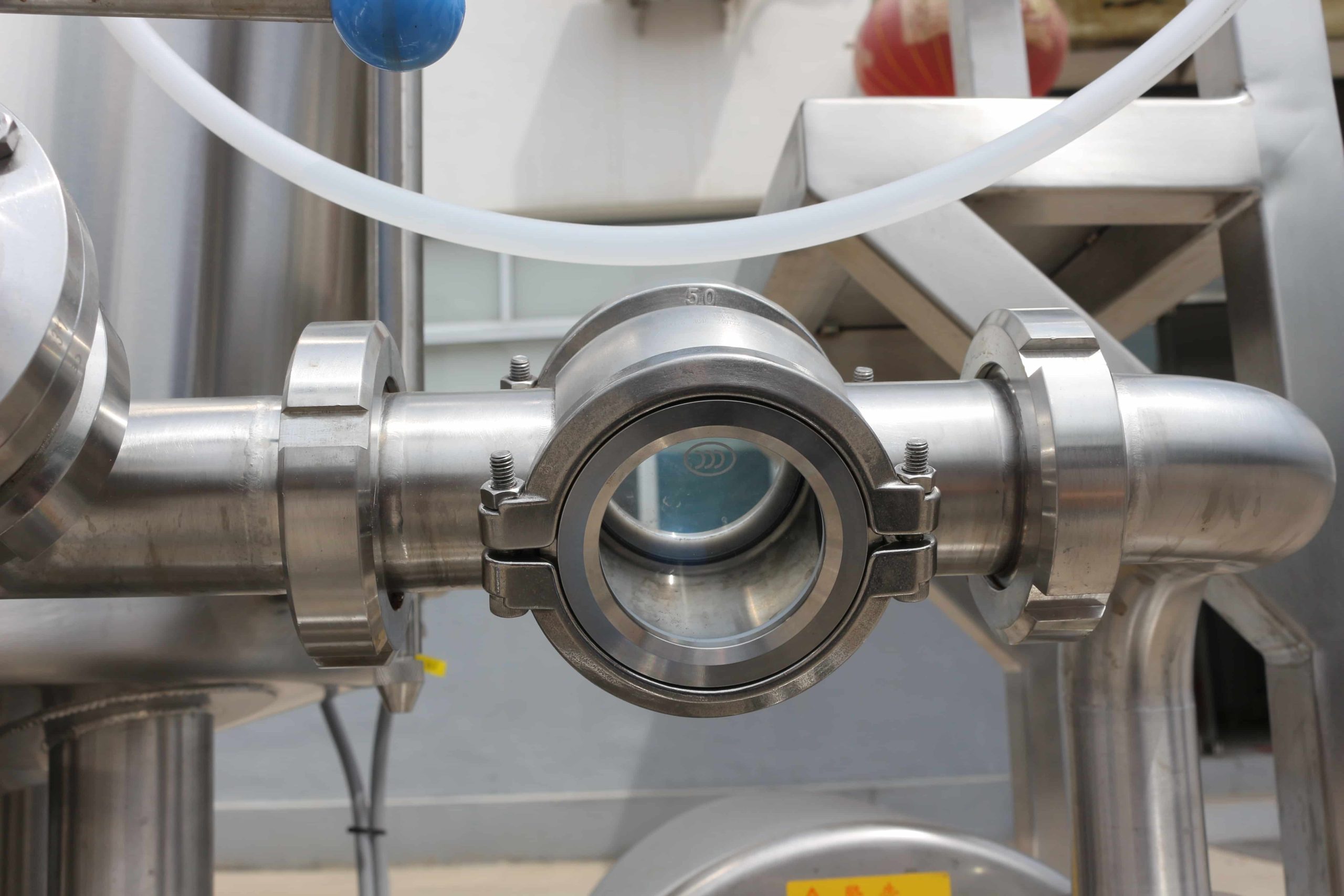
Secondly, hygiene and ease of cleaning are paramount, especially in food, beverage, pharmaceutical, and biotech industries. The non-porous, smooth surface of stainless steel prevents the adherence of bacteria, fungi, and other microorganisms. This makes a stainless steel pump cart incredibly easy to sanitize and sterilize, a critical factor for preventing contamination and adhering to stringent regulatory standards like FDA or HACCP. Systems from SKE Equipment, for instance, are designed with these sanitary principles at their core, ensuring that product purity is maintained at every stage of the transfer process. The ability to perform thorough Clean-in-Place (CIP) and Sterilize-in-Place (SIP) procedures with confidence is a direct benefit of stainless steel construction.
Beyond corrosion and hygiene, stainless steel offers exceptional durability and strength. It can withstand significant mechanical stress, impact, and temperature fluctuations without deforming or failing. This robustness is essential for equipment that is frequently moved and subjected to the rigors of an industrial environment. A well-built stainless steel pump cart is designed to maintain its structural integrity and operational efficiency decade after decade, proving to be a reliable workhorse for routine and specialized tasks. The resistance to pitting and crevice corrosion, particularly in chloride-rich environments, further solidifies its position as the material of choice for critical fluid handling.
Moreover, stainless steel is aesthetically pleasing and environmentally friendly. Its bright, clean appearance contributes to a professional and organized working environment. From an environmental perspective, stainless steel is 100% recyclable, making it a sustainable choice for environmentally conscious companies. The long lifespan of equipment made from stainless steel also means less waste generated over time. Collectively, these benefits underscore why investing in a stainless steel pump cart is not just a decision about material, but a strategic move towards operational excellence, compliance, and sustainability.
Key Applications of a Stainless Steel Pump Cart
The inherent versatility and robust characteristics of a stainless steel pump cart make it an indispensable tool across a vast spectrum of industries. Its ability to offer mobile, hygienic, and efficient fluid transfer solutions means that it finds critical applications where precision, safety, and purity cannot be compromised. Understanding these diverse uses highlights why investing in such a system is a strategic decision for many businesses.
In the food and beverage industry, the stainless steel pump cart is a cornerstone of operations. It is widely used for transferring a variety of products, including milk, juices, edible oils, sauces, purees, and even viscous batters. The sanitary design of the stainless steel pump cart ensures that cross-contamination is minimized, and product integrity is maintained, adhering to strict food safety regulations. Manufacturers rely on these mobile units for batch transfers, product recirculation, filling line supply, and ingredient mixing, providing flexibility that fixed piping systems often cannot match. Imagine moving a pump to different tanks for processing, without the need for extensive pipe networks; this is where the stainless steel pump cart shines.
The pharmaceutical and biotechnology sectors also heavily leverage the benefits of a stainless steel pump cart. Here, the sterile transfer of active pharmaceutical ingredients (APIs), cell culture media, buffers, and finished products is critical. The smooth, easy-to-clean surfaces and corrosion resistance of stainless steel are vital for preventing contamination and ensuring compliance with Good Manufacturing Practices (GMP). These carts often feature highly polished surfaces and specialized seals to meet the stringent demands of aseptic processing. Facilities use them for pilot plant operations, research and development, and small-batch production where flexibility in pump location is advantageous.
Beyond these highly regulated industries, a stainless steel pump cart is equally valuable in the chemical and industrial sectors. For transferring various chemicals, alcohols, solvents, and other industrial fluids, the corrosion resistance of stainless steel prevents equipment degradation and ensures safe handling. Applications include transferring chemicals between storage tanks, supplying process reactors, and waste fluid management. The mobility of the cart allows operations to adapt quickly to changing production layouts or emergency situations, offering a level of operational agility that is difficult to achieve otherwise. For example, a sanitary pump is often crucial in these setups, ensuring that even non-food contact applications benefit from clean operation.
Even in specific applications like breweries and distilleries, the stainless steel pump cart plays a pivotal role. It is used for transferring wort, beer, spirits, and cleaning solutions, where sanitation and the prevention of off-flavors are essential. The robust construction can withstand the demanding environments of these facilities, offering reliable performance for years. Whether it’s for transferring liquids from fermenters to bright tanks, or assisting with CIP cycles, the ease of movement and hygienic design make it an invaluable asset. In essence, any operation requiring the flexible, reliable, and hygienic transfer of fluids can significantly benefit from incorporating a well-designed stainless steel pump cart into its workflow.
Essential Design Features of an Effective Stainless Steel Pump Cart
The effectiveness of a stainless steel pump cart hinges on more than just its material. A truly efficient and reliable unit incorporates specific design features that optimize performance, ease of use, longevity, and adherence to industry standards. When evaluating or selecting a stainless steel pump cart, understanding these critical elements is key to ensuring it meets the unique demands of your operation.
Firstly, the pump selection and integration are paramount. A high-quality stainless steel pump cart will be designed to accommodate a range of pump types, such as centrifugal, positive displacement (e.g., lobe, progressive cavity, peristaltic), or diaphragm pumps, depending on the fluid’s viscosity, shear sensitivity, flow rate requirements, and pressure demands. The pump should be hygienically designed, often with sanitary connections (e.g., Tri-Clamp) and easily disassemblable for cleaning and maintenance. The motor, typically an
NEMA or IEC standard motor, should be appropriately sized for the pump’s duty and, in many high-hygiene cases, be washdown-rated (IP65 or higher) for safe and thorough cleaning.
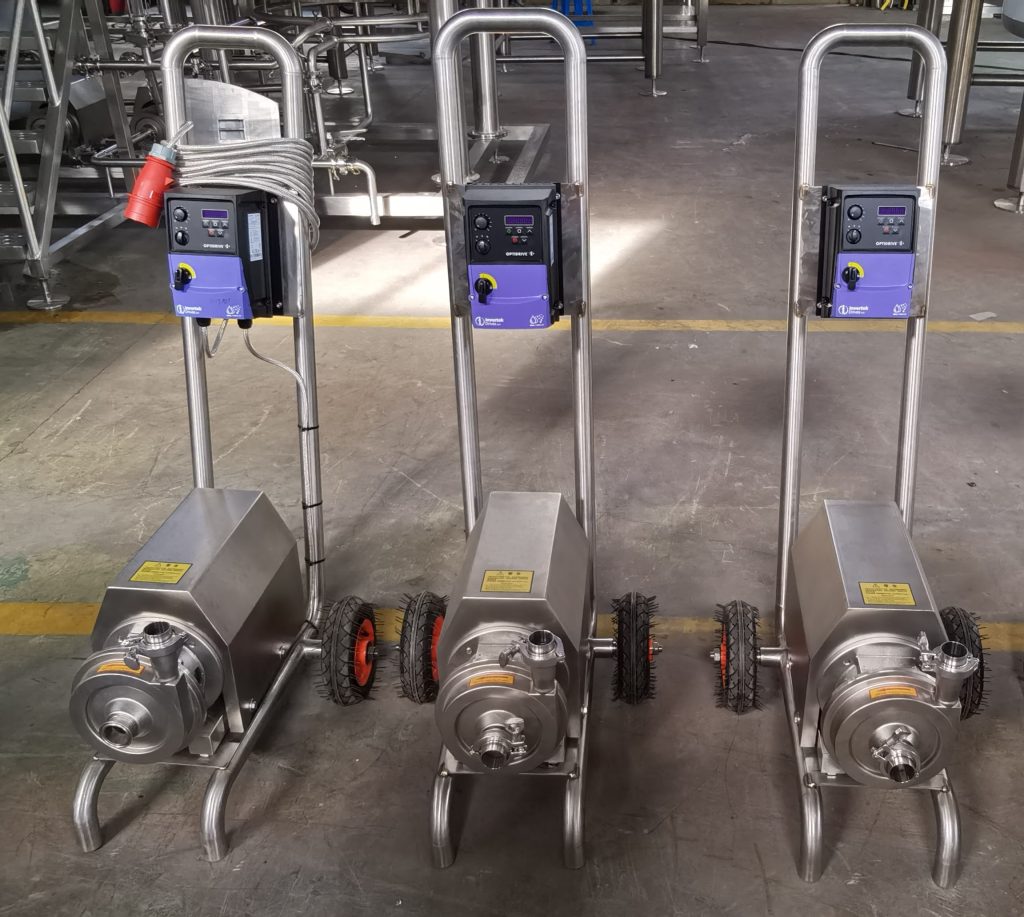
Secondly, the cart frame and wheel design are vital for mobility and stability. The frame itself should be constructed from heavy-gauge stainless steel tubing or sheets, offering robust support for the pump, motor, and control panel. Welds should be smooth, continuous, and polished, especially in sanitary applications, to eliminate crevices where bacteria could harbor. The wheels are critical for mobility; they should be industrial-grade, often with swivel capabilities and locking brakes, made from materials resistant to chemicals and high temperatures. Large diameter wheels (e.g., 6-inch or 8-inch) are often preferred for easier navigation over uneven floor surfaces, reducing operator strain.
Thirdly, control and safety features enhance both operational efficiency and personnel safety. A well-designed stainless steel pump cart typically includes an NEMA 4X rated control panel (for washdown protection) with an ON/OFF switch, emergency stop button, and possibly a Variable Frequency Drive (VFD). A VFD is a particularly valuable addition, allowing for precise control over pump speed and flow rate, which is crucial for handling different products or adjusting to varying process demands. Overload protection for the motor and grounding provisions are also standard safety features. For applications requiring specific fluid temperatures, the cart might also incorporate temperature sensors and control loops.
Finally, sanitary and ergonomic considerations tie these features together. All contact parts should be made from appropriate grades of stainless steel (e.g., 316L for enhanced corrosion resistance) and have a specified surface finish (e.g., mechanical polish or electropolish to Ra 32 microinch or better). The cart’s design should facilitate easy access for cleaning and maintenance, avoiding dead legs or difficult-to-reach areas. Ergonomic handles, balanced weight distribution, and comfortable operating heights contribute to operator comfort and reduce the risk of injury. SKE, for example, prioritizes these design elements to deliver a stainless steel pump cart that not only performs reliably but also integrates seamlessly into demanding operational environments, ensuring compliance and productivity.
Choosing the Right Stainless Steel Pump Cart: The SKE Advantage
When the time comes to invest in a stainless steel pump cart, the market offers various options, but discerning businesses understand the importance of quality, reliability, and expert support. This is where SKE stands out. As a leader in providing high-quality process equipment, SKE offers stainless steel pump cart solutions engineered to meet the rigorous demands of modern industries, ensuring efficiency, hygiene, and long-term value.
The SKE advantage begins with an unwavering commitment to superior engineering and material quality. Every SKE stainless steel pump cart is constructed using premium-grade stainless steel, typically 304 or 316L, ensuring maximum corrosion resistance, durability, and sanitary compliance. Our design philosophy focuses on robust construction, with clean, continuous welds and polished finishes that exceed industry standards for hygienic applications. This meticulous attention to material and fabrication guarantees a product that not only performs exceptionally but also withstands the test of time, even in challenging operational environments.
Furthermore, SKE emphasizes customization and versatility. We understand that no two applications are exactly alike. Our stainless steel pump carts are highly configurable, allowing for the integration of a wide range of pump types—from gentle lobe pumps for shear-sensitive products to high-flow centrifugal pumps for rapid transfer—each precisely matched to your specific fluid characteristics and process requirements. We can also incorporate advanced control features, such as Variable Frequency Drives (VFDs) for precise flow control, pressure sensors, temperature monitoring, and integrated HMI panels for intuitive operation. This tailor-made approach ensures that your SKE stainless steel pump cart is not just a standard solution, but an optimized tool for your unique fluid transfer needs.
Beyond the product itself, SKE provides comprehensive support and expertise. Our team of engineers and technical specialists works closely with clients to understand their operational challenges and recommend the ideal stainless steel pump cart configuration. We offer guidance on pump selection, motor sizing, control panel design, and sanitary requirements, ensuring that every aspect of the solution is optimized for performance and compliance. This partnership approach ensures that when you choose an SKE stainless steel pump cart, you’re not just buying equipment; you’re gaining a reliable partner dedicated to your operational success. Our commitment to after-sales support, including spare parts and technical assistance, further secures your investment.
Maintenance and Longevity of Your Stainless Steel Pump Cart
To maximize the lifespan and ensure continuous, reliable operation of your stainless steel pump cart, proper maintenance is not merely recommended—it’s essential. The inherent durability of stainless steel provides a robust foundation, but a proactive maintenance regimen will prevent unexpected downtime, maintain performance efficiency, and protect your investment for years to come. Understanding key maintenance practices is crucial for any operator utilizing these vital pieces of equipment.
Firstly, regular cleaning and sanitation are paramount, especially for sanitary stainless steel pump carts. After each use or at scheduled intervals, the pump and all fluid contact surfaces should be thoroughly cleaned and sanitized. This typically involves disassembling the pump head (if designed for it), flushing lines, and using appropriate cleaning agents followed by rinsing and sanitizing solutions. For industries like food & beverage or pharma, this is often a rigorous Clean-in-Place (CIP) or Sterilize-in-Place (SIP) process. Ensuring that all components are fully dry before reassembly helps prevent bacterial growth and extends the life of seals and gaskets. Always refer to the manufacturer’s guidelines for specific cleaning protocols relevant to your pump and product.
Secondly, inspections and component checks should be conducted routinely. This includes visually inspecting the entire stainless steel pump cart for any signs of wear, corrosion, or damage to the frame, wheels, and control panel. Particular attention should be paid to the pump seals, gaskets, and impellers (for centrifugal pumps) or rotors and stators (for positive displacement pumps). These wear parts are often consumable and require periodic replacement to maintain pumping efficiency and prevent leaks. Checking the motor for unusual noises, vibrations, or excessive heat buildup is also critical. Electrical connections should be verified for tightness and integrity, especially after washdowns.
Thirdly, lubrication and calibration are often necessary for optimal performance. Depending on the pump type, bearings may require periodic lubrication. For sophisticated stainless steel pump carts equipped with Variable Frequency Drives (VFDs) or other control systems, occasional calibration might be necessary to ensure accurate flow rates and process parameters. It’s also wise to check the tightness of all fasteners and bolts across the entire unit, as vibration from operation can sometimes loosen them over time. Documenting these maintenance activities is good practice, helping to track the lifespan of components and schedule future interventions effectively.
By adhering to a consistent and thorough maintenance schedule, the longevity of your stainless steel pump cart can be significantly extended. This not only safeguards product quality and operational efficiency but also reduces the long-term operational costs associated with repairs and premature replacements. Companies like SKE provide detailed maintenance recommendations for their equipment, ensuring that with proper care, your stainless steel pump cart will continue to be a reliable and high-performing asset for many years.
Frequently Asked Questions about Stainless Steel Pump Carts
What are the primary benefits of using a stainless steel pump cart?
The primary benefits include superior corrosion resistance, exceptional hygiene and ease of cleaning, high durability and strength, and overall operational flexibility due to its mobility. These properties make a stainless steel pump cart ideal for industries requiring stringent cleanliness and reliable fluid transfer.
Which industries most commonly utilize a stainless steel pump cart?
Stainless steel pump carts are widely used in the food and beverage, pharmaceutical, biotechnology, dairy, cosmetic, and chemical industries. These sectors demand high sanitary standards, resistance to corrosive or abrasive fluids, and the flexibility of mobile pumping solutions.
Can a stainless steel pump cart handle different types of liquids?
Yes, a stainless steel pump cart is highly versatile and can be configured with various types of pumps—such as centrifugal, positive displacement (lobe, progressive cavity), or diaphragm pumps—to handle a wide range of liquids from thin water-like fluids to highly viscous products, shear-sensitive materials, and corrosive chemicals.
What are the key maintenance considerations for a stainless steel pump cart?
Key maintenance considerations include regular and thorough cleaning and sanitization (often via CIP/SIP), routine inspection of wear parts like seals and gaskets, checking for corrosion or damage, lubrication of bearings (if applicable), and verifying the integrity of electrical connections and controls.
Ready to Optimize Your Fluid Transfer Operations?
Discover how SKE’s expertly engineered stainless steel pump cart solutions can enhance efficiency and hygiene in your facility. Our team is ready to assist you in finding the perfect fit for your specific needs.
Connect with us:
Find us on Facebook
Email Us: info@skeequipment.com
Or, fill out the contact form below for a personalized consultation!