
Table of Contents:
Introduction to Stainless Steel Fermenters
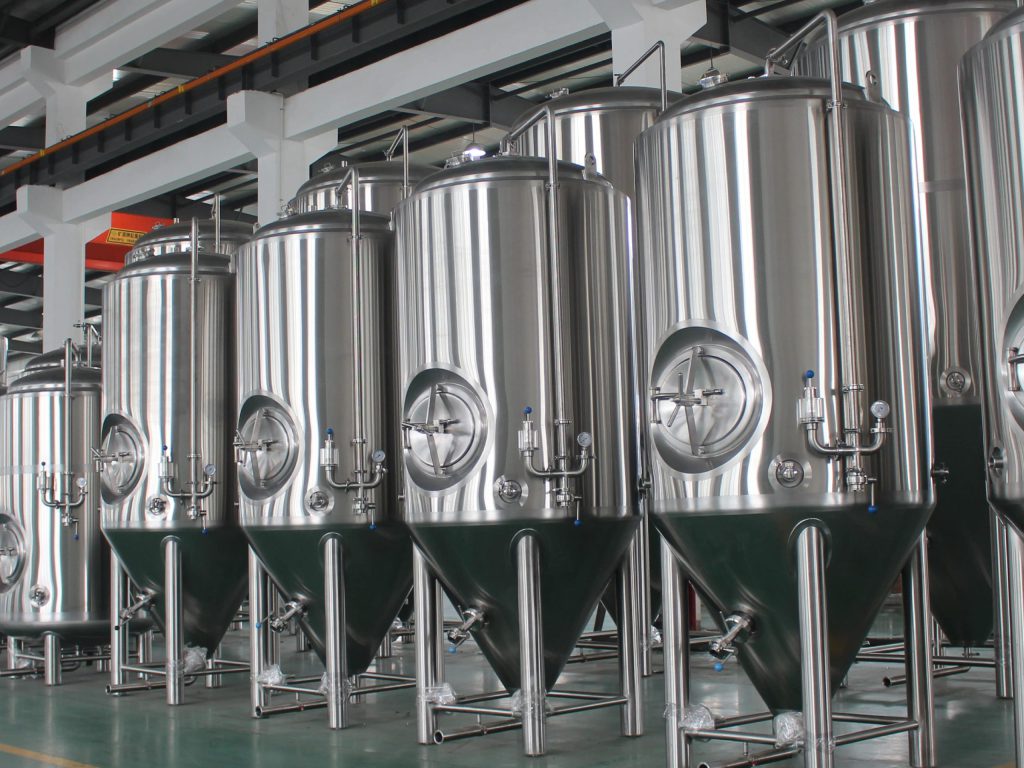
The choice of material for fermentation equipment is critical, and stainless steel stands out as the superior option for numerous reasons. Its inert nature ensures that it does not react with the fermenting medium, preventing contamination and off-flavors. Furthermore, its smooth, non-porous surface makes cleaning and sanitization remarkably effective, crucial for preventing bacterial growth and ensuring product safety. This inherent cleanliness is a significant advantage over other materials, directly impacting the quality and consistency of the final product. SKE, a leader in processing equipment, designs and manufactures brewery equipment and other fermentation solutions, meticulously ensuring that every stainless steel fermenter meets the highest industry standards for hygiene and operational efficiency. The durability of stainless steel also means these fermenters are a long-term investment, capable of withstanding the rigors of industrial use for many years, making them both economically sound and environmentally responsible.
Understanding the intricate design and operational principles of a stainless steel fermenter is key to unlocking its full potential. Modern fermenters often incorporate advanced features such as automatic temperature control, pH monitoring, dissolved oxygen sensors, and sophisticated agitation systems tailored to specific microbial needs. These features allow for fine-tuning of the fermentation environment, leading to optimized yields and product characteristics. Whether you’re a small-batch producer or a large industrial operation, the right stainless steel fermenter can significantly enhance your process control and product quality, solidifying its status as a cornerstone in various industries where biological transformations are at the heart of production.

Key Benefits of Stainless Steel Fermenters
The widespread adoption of stainless steel fermenters across diverse industries is no accident; it is the result of a multitude of compelling benefits that these vessels offer. At the core of these advantages is the material itself: high-grade stainless steel, typically 304 or 316, known for its exceptional corrosion resistance. This property is vital as fermentation media can often be acidic or contain other corrosive agents. Stainless steel withstands these conditions without degrading, leaching harmful substances into the product, or compromising the structural integrity of the fermenter over time. This longevity translates directly into a lower total cost of ownership and fewer operational disruptions.
Sanitation and sterility are paramount in fermentation, and this is where a stainless steel fermenter truly shines. Its smooth, non-porous surface makes it incredibly easy to clean-in-place (CIP) and sterilize-in-place (SIP), processes critical for eliminating contaminants and ensuring product purity. Unlike porous materials that can harbor bacteria and biofilms, stainless steel provides an impenetrable barrier, drastically reducing the risk of microbial spoilage. This ease of cleaning also contributes to faster turnaround times between batches, increasing overall production efficiency. SKE’s commitment to quality ensures that their stainless steel beer tanks and other fermentation solutions are designed with optimal cleanability in mind, featuring polished interior surfaces and strategically placed spray balls for comprehensive cleaning.
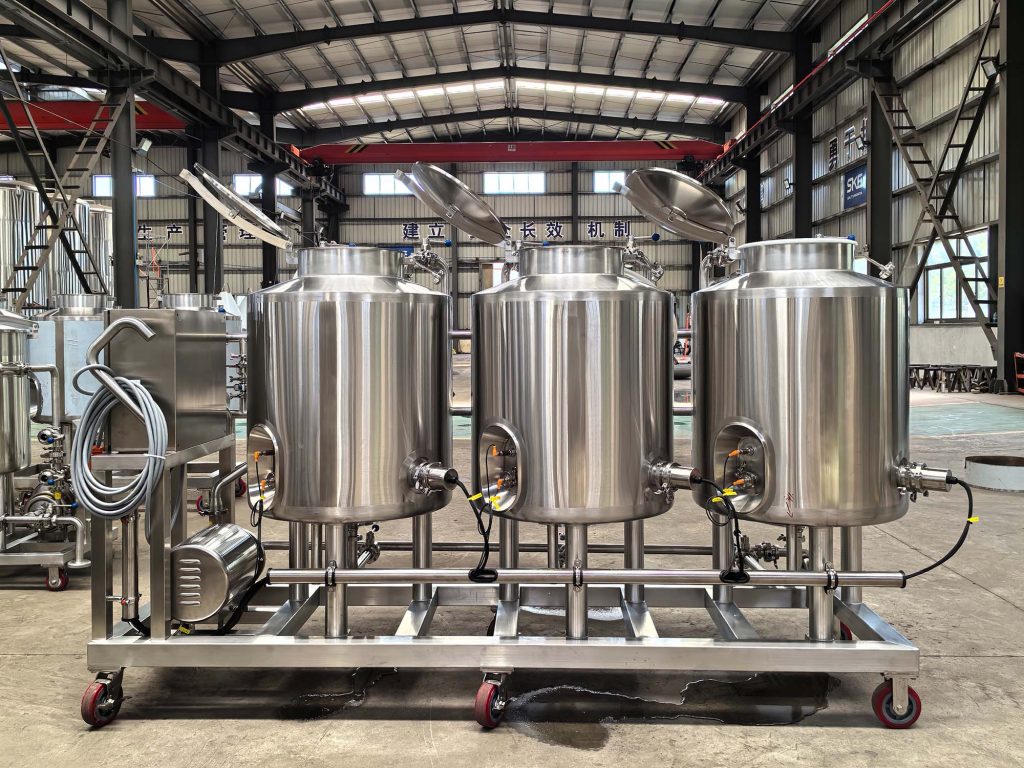
Beyond cleanliness, precise control over the fermentation environment is another key benefit. Stainless steel fermenters are excellent thermal conductors, allowing for efficient heating and cooling through integrated jackets or internal coils. This precise temperature regulation is crucial for managing yeast activity, enzyme reactions, and microbial growth rates, all of which directly influence the final product attributes. Furthermore, the structural strength of stainless steel allows for the incorporation of various sensors, agitators, and aeration systems, providing operators with granular control over parameters like pH, dissolved oxygen, and mixing intensity. This level of control is indispensable for achieving repeatable results and optimizing fermentation yields, making the stainless steel fermenter an intelligent choice for any quality-focused operation.
Types and Applications of Stainless Steel Fermenters
The versatility of the stainless steel fermenter means it comes in various designs, each optimized for specific applications across a multitude of industries. Understanding these types and their primary uses is essential for selecting the most appropriate equipment for a given production goal. One of the most common configurations is the conical fermenter, particularly popular in brewing. Its distinct conical bottom allows for easy collection and removal of yeast and trub (sediment) without disturbing the fermenting liquid, which is crucial for preventing off-flavors and simplifying the harvesting of yeast for repitching. This design streamlines the entire fermentation and maturation process within a single vessel, showcasing the efficiency of a well-designed stainless steel fermenter.
SKE offers a comprehensive range of stainless steel fermenters, from standard conical designs for breweries to bespoke bioreactors for specialized applications. Each stainless steel fermenter is engineered with specific industry requirements in mind, ensuring optimal performance, longevity, and adherence to regulatory standards. Whether for primary fermentation, secondary fermentation, or aging, the appropriate stainless steel fermenter is a critical component influencing product quality and consistency.
Choosing the Right Stainless Steel Fermenter
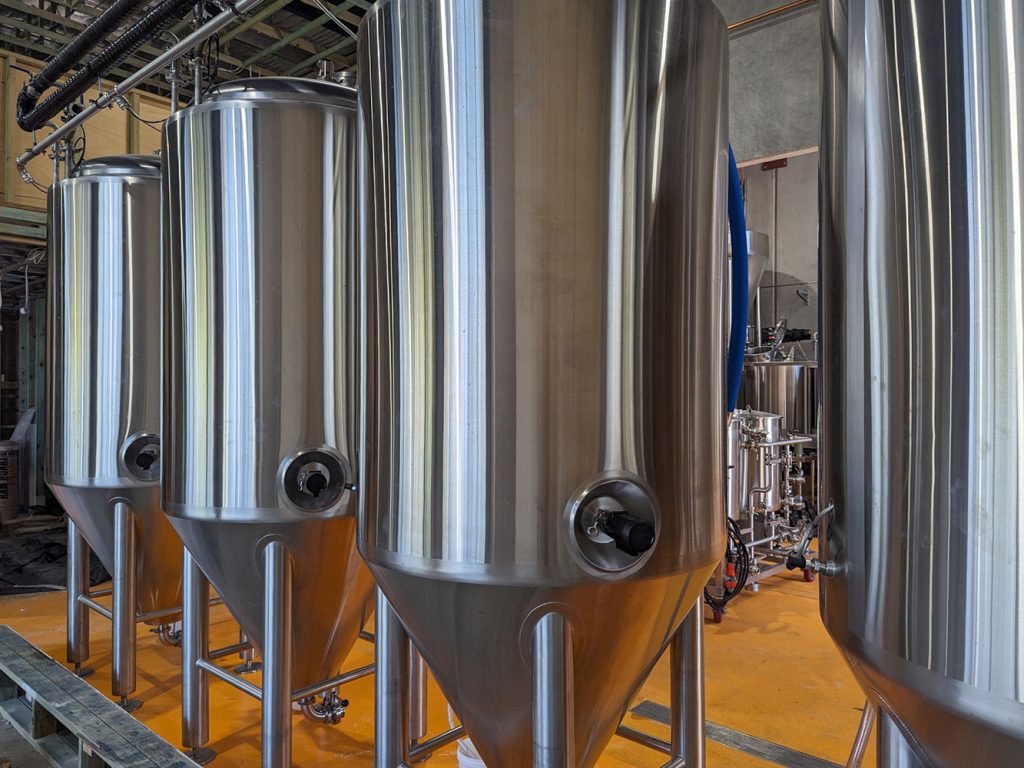
Selecting the ideal stainless steel fermenter is a decision that significantly impacts efficiency, product quality, and long-term operational costs. It requires a thorough consideration of several key factors tailored to your specific process and industry. The first and most crucial aspect is capacity. Accurately assessing your current production volume and anticipating future growth is vital. Oversizing can lead to inefficient use of space and resources, while undersizing can limit expansion and necessitate premature upgrades. A well-chosen stainless steel fermenter should offer a balance between present needs and future scalability, ensuring that your investment remains viable for years.
Material grade is another critical consideration. While 304 stainless steel is common for many food and beverage applications, 316 stainless steel offers enhanced corrosion resistance, particularly desirable in environments with high chloride content or aggressive chemicals often found in pharmaceutical or chemical fermentation. The finish of the interior surface is equally important; a highly polished (e.g., 2B or mirror polish) stainless steel surface greatly facilitates cleaning and reduces the risk of bacterial adhesion, a non-negotiable for aseptic processes. SKE provides detailed specifications on material grades and surface finishes for all their fermentation tanks, allowing clients to make informed decisions based on their regulatory and operational requirements for their stainless steel fermenter.
|
Material Grade
|
Core Characteristics | Corrosion Resistance | Suitable Industry Scenarios | Recommended Surface Treatment |
| 304 Stainless Steel | High versatility & cost-effectiveness | Resistant to conventional acids and alkalis; not suitable for high-chloride environments | Food & beverage (beer, dairy products), small-scale fermentation workshops | 2B finish, standard mirror polishing |
| 316 Stainless Steel | Molybdenum-alloyed, superior corrosion resistance | Resistant to high-chloride and strongly corrosive fermentation media | Pharmaceutical, biochemical engineering, fermentation systems supporting seawater desalination | Electropolishing, high-precision mirror polishing |
Operational features and control mechanisms heavily influence the functionality of a stainless steel fermenter. Consider the type of cooling/heating jacket (dimpled, baffled, or half-pipe), agitation system (top-mounted, side-mounted, magnetic drive), and the array of available ports for sensors (temperature, pH, DO), sampling, and transfers. Automated control systems, often integrated with PLC or SCADA, can offer precise environmental management, leading to more consistent results and reduced manual intervention. For specialized applications, features like aseptic connections, clean steam sterilization capabilities, and specific pressure ratings will be paramount. Evaluating these options ensures that your chosen stainless steel fermenter aligns perfectly with your process parameters and desired level of automation.
Finally, reputable manufacturers and after-sales support are crucial. A high-quality stainless steel fermenter is a significant capital investment, and choosing a supplier known for reliable engineering, robust construction, and comprehensive customer service is paramount. Warranties, availability of spare parts, and technical assistance are all factors that contribute to the long-term success and peace of mind associated with your purchase. SKE prides itself on delivering not just equipment, but complete solutions, ensuring that every stainless steel fermenter offers superior performance and is backed by exceptional support throughout its lifespan.
Maintenance and Longevity of Stainless Steel Fermenters
Ensuring the longevity and optimal performance of a stainless steel fermenter is largely dependent on proper maintenance routines. While stainless steel is inherently durable, a proactive approach to care can significantly extend its lifespan, prevent costly downtime, and maintain product quality. Regular cleaning and sanitization are the cornerstones of fermenter maintenance. Adhering to strict Clean-in-Place (CIP) and Sterilize-in-Place (SIP) protocols using appropriate detergents and sanitizers is crucial. These processes prevent biofilm formation, eliminate microbial contaminants, and ensure that the stainless steel fermenter remains a sterile environment for each new batch. It’s essential to use chemicals specifically approved for stainless steel to avoid corrosion or surface damage.
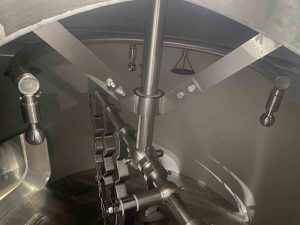
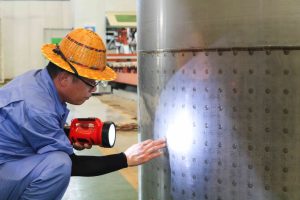
Beyond daily cleaning, periodic inspections are vital. This includes checking all seals, gaskets, valves, and connections for wear, leaks, or damage. Worn-out components can lead to contamination, pressure loss, or inefficient operation. The agitator shafts, bearings, and motors should also be inspected for smooth operation and signs of stress. Any rust spots, however small, should be addressed immediately; while rare on high-grade stainless steel, they can indicate surface damage or improper cleaning. Early detection and repair of minor issues can prevent them from escalating into major, expensive problems, thus preserving the integrity of your stainless steel fermenter.
Temperature control systems, including jacketed areas and associated piping, also require attention. Blockages or inefficiencies in these systems can lead to inadequate temperature regulation, jeopardizing the fermentation process. Regular flushing and descaling of jackets can maintain thermal efficiency. Additionally, calibration of sensors—such as temperature, pH, and dissolved oxygen probes—is essential to ensure accurate readings and precise process control. A well-maintained stainless steel fermenter is not just a vessel; it’s a finely tuned piece of equipment that requires ongoing care to perform at its peak.
SKE understands the importance of reliability, which is why their stainless steel fermenters are built with robust components designed for easy maintenance and long service life. They recommend following manufacturer guidelines for all maintenance procedures and using genuine replacement parts where necessary. Investing in regular maintenance not only protects your capital investment but also safeguards the quality and consistency of your fermented products, proving that a well-cared for stainless steel fermenter is an invaluable asset to any production line.
Frequently Asked Questions about Stainless Steel Fermenters
Why is stainless steel the preferred material for fermenters?
Stainless steel is preferred for fermenters due to its excellent corrosion resistance, non-reactivity with fermentation media, and outstanding hygienic properties. Its smooth, non-porous surface is easy to clean and sterilize, preventing bacterial growth and ensuring product purity. It also offers structural integrity and durability for long-term use.
What kind of maintenance does a stainless steel fermenter require?
Maintenance for a stainless steel fermenter primarily involves rigorous cleaning-in-place (CIP) and sterilize-in-place (SIP) procedures after each batch. Regular inspections of seals, gaskets, valves, and agitator components are also crucial. Periodic calibration of sensors and flushing of cooling jackets are recommended to ensure optimal performance and longevity.
Can stainless steel fermenters be customized for specific processes?
Absolutely. Stainless steel fermenters are highly customizable. They can be manufactured with various capacities, specific jacket configurations for heating/cooling, different agitator types, numerous ports for sensors and additions, and specialized surface finishes to meet the unique requirements of brewing, pharmaceutical, dairy, or other industrial fermentation processes. SKE offers comprehensive customization options.
How does a stainless steel fermenter contribute to product quality?
A stainless steel fermenter contributes significantly to product quality by providing a sterile, non-reactive environment that prevents contamination and off-flavors. Its ability to facilitate precise temperature control, oxygen management, and nutrient addition ensures optimal conditions for microbial activity, leading to consistent, high-quality end products.
Need a Custom Fermentation Solution?
SKE is dedicated to providing superior stainless steel fermenters and processing equipment tailored to your exact specifications. If you’re looking to optimize your fermentation process with reliable, high-quality solutions, don’t hesitate to reach out.
Facebook | Email: info@skeequipment.com
Fill out the contact form at the bottom of the page to discuss your project and get a custom quote today!