
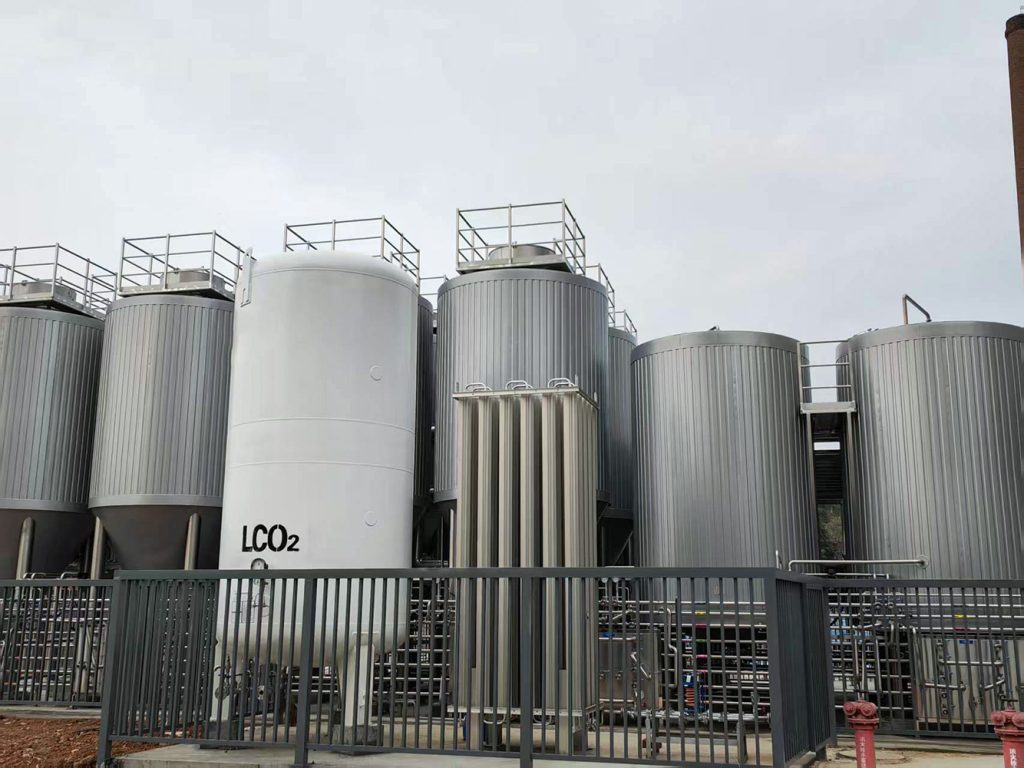
Introduction to Stainless Steel Water Tanks
In countless industrial and commercial settings, the need for safe, reliable, and durable water storage is paramount. From food and beverage processing to chemical manufacturing and even municipal water distribution, the integrity of stored water directly impacts product quality, operational safety, and public health. This is where the stainless steel water tank emerges as the superior choice, distinguishing itself from conventional materials through its unparalleled strength, hygiene, and longevity. A stainless steel water tank is not merely a container; it’s a long-term investment in operational efficiency and water quality.
The demand for high-quality, corrosion-resistant storage solutions has driven innovation in tank manufacturing. Today, a stainless steel water tank is engineered for a myriad of specific applications, offering resistance to extreme temperatures, corrosive substances, and environmental stressors. This comprehensive guide will delve into the multifaceted world of stainless steel water tanks, exploring their inherent advantages, diverse applications, and the vital role they play in modern infrastructure. We’ll also highlight how SKE’s commitment to excellence ensures that every stainless steel water tank we produce meets the highest standards of quality and performance, contributing to sustainable and efficient water management systems.
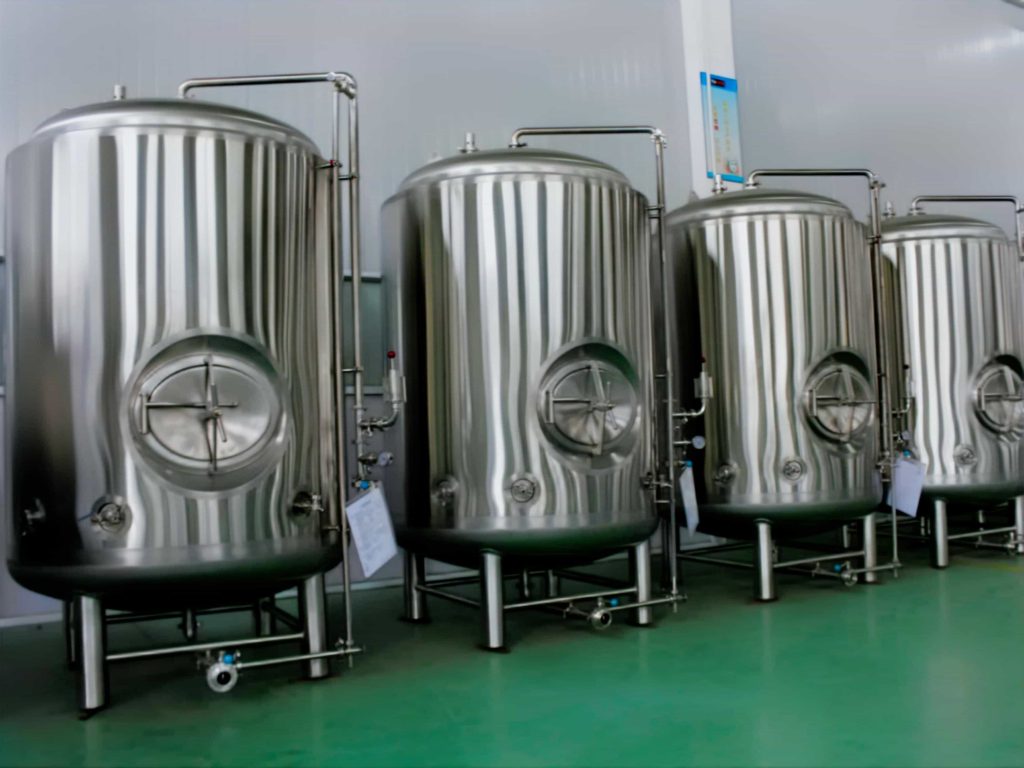
Why Choose a Stainless Steel Water Tank?
The material of choice for water storage can significantly impact a system’s overall performance, safety, and cost-effectiveness. When it comes to reliability and hygiene, a stainless steel water tank stands head and shoulders above its counterparts. The inherent properties of stainless steel make it an ideal material for storing potable water, chemicals, and various other liquids, ensuring minimal contamination and maximum durability.
Superior Corrosion Resistance
One of the primary reasons for opting for a stainless steel water tank is its exceptional resistance to corrosion. Unlike carbon steel or plastics, stainless steel forms a passive chromium oxide layer on its surface, which acts as a protective barrier against rust and chemical degradation. This is particularly crucial for applications involving water, which can be corrosive due to its mineral content or pH levels. For industries that require stringent hygiene standards, such as pharmaceuticals or food and beverage, this corrosion resistance ensures the stored medium remains pure and free from metallic contamination.
Unmatched Hygiene and Cleanliness
Maintaining sanitary conditions is non-negotiable in many sectors. A stainless steel water tank offers a non-porous, smooth surface that inhibits bacterial growth and biofilm formation. This makes it incredibly easy to clean and sterilize, a critical advantage in industries where product integrity relies heavily on preventing contamination. SKE’s fermentation tank solutions, for instance, leverage the hygienic properties of stainless steel to ensure optimal conditions for sensitive biological processes, demonstrating the material’s versatility beyond just plain water storage. The ease of cleaning contributes significantly to reduced operational costs and enhanced safety protocols.
Durability and Longevity
The robust nature of stainless steel translates directly into the longevity of a stainless steel water tank. These tanks are designed to withstand significant mechanical stress, temperature fluctuations, and harsh environmental conditions without compromising their structural integrity. Their resilience means a longer operational lifespan compared to tanks made from less durable materials, resulting in fewer replacements and lower long-term costs. This durability makes them a sustainable choice, aligning with contemporary environmental and economic goals.
Temperature Regulation and Insulation
Stainless steel possesses excellent thermal properties. While it can conduct heat, a properly designed and insulated stainless steel water tank can maintain desired temperatures for extended periods. This is invaluable for processes requiring precise temperature control, such as industrial process water or hot water storage. SKE’s expertise in designing advanced processing equipment, including various types of storage tanks, ensures that our stainless steel water tank solutions are not only robust but also optimized for thermal efficiency.
Environmental Friendliness and Recyclability
In an era of increasing environmental consciousness, the sustainability of materials is a key consideration. Stainless steel is 100% recyclable, making a stainless steel water tank an environmentally responsible choice. At the end of its long service life, the material can be repurposed, reducing waste and minimizing its ecological footprint. This commitment to sustainability is reflected in SKE’s manufacturing practices and product offerings.
Choosing a stainless steel water tank is an investment in superior performance, hygiene, and environmental responsibility. Its multifaceted advantages make it the preferred solution for demanding applications across various industries, ensuring peace of mind and operational excellence.
Applications of Stainless Steel Water Tanks
The versatility and inherent advantages of a stainless steel water tank make it indispensable across a spectrum of industries. From critical infrastructure to specialized processing, these tanks provide reliable and hygienic storage solutions tailored to specific needs. Their robust construction and resistance to corrosion ensure they perform optimally in diverse and challenging environments.
Food and Beverage Industry
In the food and beverage sector, hygiene is paramount. A stainless steel water tank is the material of choice for storing potable water, ingredients, and final products due to its non-reactive surface, which prevents contamination and preserves taste. They are used for storing purified water for brewing, dairy processing, beverage mixing, and ingredient batching. SKE provides state-of-the-art solutions, including aging tanks and other specialized vessels, all manufactured with high-grade stainless steel to meet the stringent sanitary requirements of this industry, ensuring product safety and quality from raw material to consumption.
Pharmaceutical and Biotechnology
The pharmaceutical and biotechnology industries demand the highest standards of sterility and purity. A stainless steel water tank is crucial for storing purified water (PW), water for injection (WFI), and various active pharmaceutical ingredients (APIs). Their smooth, non-porous surfaces prevent microbial growth and facilitate easy sterilization, making them ideal for these sensitive applications. The chemical inertness of stainless steel also prevents leaching and interaction with sensitive formulations, ensuring the integrity of pharmaceutical products.
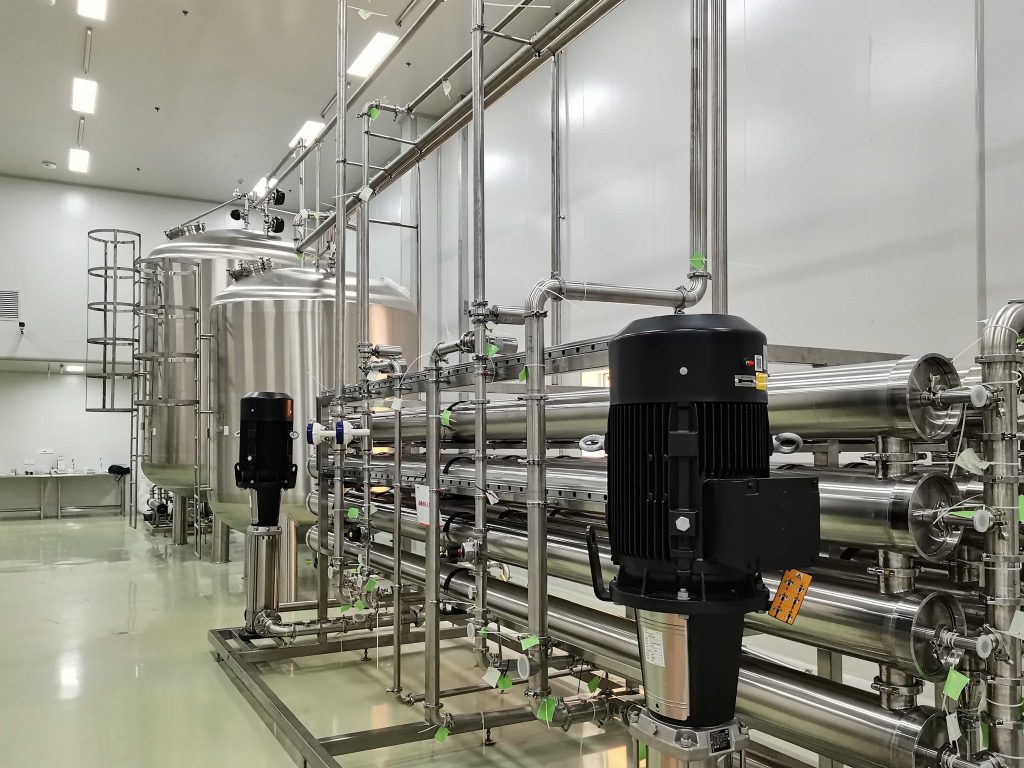
Water Treatment and Distribution
In municipal and industrial water treatment plants, stainless steel water tank solutions are used for storing treated water, buffer tanks, and chemical dosing tanks. Their durability and corrosion resistance make them suitable for long-term outdoor installation and exposure to varying water qualities. They ensure that treated water remains clean and safe for distribution, contributing to public health and reliable water supply networks.
Dairy Industry
The dairy industry relies heavily on hygienic storage. A stainless steel water tank is integral for storing raw milk, pasteurized milk, cream, and other dairy products. Their smooth, easy-to-clean surfaces prevent bacterial build-up and maintain the freshness and quality of dairy products. Tanks equipped with agitators and cooling jackets, often offered by SKE, provide optimal conditions for milk storage before further processing or packaging.
Brewing and Wineries
Breweries and wineries utilize stainless steel water tank for every stage of beverage production, from water storage to fermentation and aging. The material’s inertness ensures that the flavor and aroma of beer and wine are not affected, while its ease of cleaning maintains sanitary conditions crucial for product quality. SKE provides highly specialized brewery equipment, including fermenters and storage tanks that are pivotal to crafting premium beverages.
Types and Key Features of Stainless Steel Water Tanks
The world of a stainless steel water tank is diverse, offering a range of configurations and specialized features to meet the exact requirements of different industries and applications. Understanding these types and their key features is crucial for selecting the optimal storage solution for your specific needs, ensuring efficiency, safety, and compliance.
Types of Stainless Steel Water Tanks
Stainless steel tanks can be broadly categorized by their construction and application:
- Vertical Storage Tanks: These are the most common type, saving floor space and suitable for large volumes. They are often found in industrial settings for bulk liquid storage.
- Horizontal Storage Tanks: Ideal for areas with height restrictions or for mobile applications. They offer good stability and can be easily transported.
- Insulated Tanks: Essential for applications requiring temperature maintenance, either to keep liquids hot or cold. They typically feature an outer jacket and insulation material (e.g., rock wool, foam) to minimize heat transfer.
- Jacketted Tanks (Heating/Cooling): Beyond simple insulation, these tanks are designed with an outer jacket through which a heating or cooling medium circulates. This allows for precise temperature control of the stored product, critical for processes like pasteurization or chilling. SKE specializes in such advanced temperature-controlled vessels.
- Pressure Tanks: Built to withstand internal pressure, these tanks are used for processes that involve gases or require sterile conditions maintained under pressure.
- Atmospheric Tanks: Designed for storage at ambient pressure, these are suitable for a wide range of non-pressurized liquid storage.
Key Features and Design Considerations
Beyond the basic configuration, several features define the functionality and suitability of a stainless steel water tank:
- Material Grade: The choice of stainless steel grade is critical.
- SS304: A common and versatile grade, offering good corrosion resistance for general-purpose applications, especially with potable water and many food products.
- SS316L: Superior corrosion resistance, particularly against chlorides and acidic solutions, making it ideal for pharmaceutical, chemical, and marine applications. The “”L”” denotes low carbon, which improves weldability and reduces carbide precipitation during welding, enhancing corrosion resistance in heat-affected zones.
- Surface Finish: The internal surface finish greatly impacts hygiene and cleanability. A highly polished interior (e.g., mirror finish) minimizes bacterial adhesion and simplifies cleaning, crucial for sanitary applications.
- Agitation Systems: Many industrial processes require mixing or blending. A stainless steel water tank can be equipped with various agitators (propeller, turbine, anchor, frame type) to ensure homogeneity, prevent sedimentation, or facilitate reactions. This is a common feature in SKE’s pressure tanks and mixing vessels.
- Instrumentation and Controls: Modern tanks integrate level sensors, temperature probes, pressure gauges, and control systems for precise monitoring and automated operation.
- CIP/SIP Compatibility: Clean-in-Place (CIP) and Sterilize-in-Place (SIP) systems are essential for maintaining hygiene in process industries. Tanks designed for CIP/SIP feature spray balls, hygienic connections, and proper drainage.
- Fittings and Connections: Hygienic fittings (e.g., Tri-Clamp, DIN, SMS) are standard in sanitary stainless steel water tank designs, ensuring leak-proof connections and easy disassembly for cleaning.
- Manways and Sight Glasses: For inspection, maintenance, and visual monitoring of the tank’s contents.
- Drainage and Sloping Bottom: Proper drainage is vital for complete emptying and efficient cleaning. A sloped bottom facilitates this, preventing stagnant liquid accumulation.
- Insulation and Cladding: For temperature-sensitive applications, effective insulation (e.g., polyurethane foam, mineral wool) covered by an outer cladding (often polished stainless steel) maintains product temperature and improves safety.
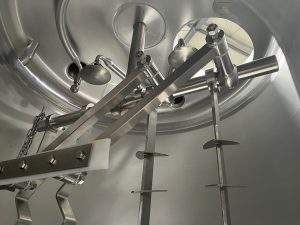
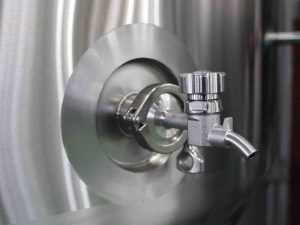
SKE leverages its extensive engineering expertise to design and fabricate a stainless steel water tank that integrates these features seamlessly. Our focus on customization ensures that each tank is perfectly aligned with the client’s operational demands, whether it’s for simple storage or complex process integration. The right selection of features and materials ensures your investment in a stainless steel water tank delivers optimal performance and many years of reliable service.
Maintenance and Longevity of Your Stainless Steel Water Tank
Investing in a stainless steel water tank is a decision for durability and long-term performance. While stainless steel is renowned for its robustness and corrosion resistance, proper maintenance is key to maximizing its lifespan and ensuring continued optimal operation. A well-maintained stainless steel water tank can serve for decades, offering excellent return on investment and consistent reliability.
Routine Cleaning and Inspection
The cornerstone of maintaining a stainless steel water tank is regular cleaning and inspection. Even with stainless steel’s hygienic properties, deposits can accumulate over time, especially in environments with hard water or process water containing suspended solids.
-
- Internal Cleaning: For sanitary applications, this typically involves Clean-in-Place (CIP) systems using detergents and sterilizing agents, followed by thorough rinsing. For non-sanitary tanks, periodic manual cleaning with appropriate brushes and cleaners can remove scale and sediment.
- External Cleaning: While less critical for internal hygiene, keeping the exterior clean prevents accumulation of dirt and exposure to external corrosive elements, maintaining the tank’s aesthetic and structural integrity.
- Visual Inspection: Regularly inspect the tank’s interior and exterior for any signs of corrosion (pitting, crevice corrosion), cracks, scratches, or weld defects. Pay particular attention to connections, nozzles, and welds, as these can be vulnerable points.
Addressing Common Issues
While a stainless steel water tank is highly resilient, certain conditions can affect its performance:
-
-
- Pitting Corrosion: This localized form of corrosion can occur in environments with high chloride concentrations or stagnant water. Prompt identification and surface passivation (e.g., with nitric acid) can mitigate this. Ensuring proper drainage to prevent stagnant areas is also crucial.
- Crevice Corrosion: Similar to pitting, this occurs in tight spots where oxygen access is limited (e.g., under gaskets, poorly welded areas). Regular inspection and using appropriate gaskets can prevent this.
- Stress Corrosion Cracking (SCC): Rare but possible with specific stainless steel grades under high stress and certain environmental conditions (e.g., high temperatures and chlorides). Proper material selection (e.g., duplex stainless steels or specific 316L alloys) is key in high-risk applications.
- Biofilm Formation: Although stainless steel inhibits bacterial growth, biofilms can still form under certain conditions, especially with prolonged stagnant water. Regular cleaning and, if necessary, sterilization procedures (SIP) are essential.
-
Preventive Measures and Best Practices
To ensure the maximum lifespan of your stainless steel water tank:
-
-
- Material Selection: Always choose the correct grade of stainless steel for your specific application and the liquids being stored. For very aggressive environments, specialized alloys or surface treatments might be necessary.
- Proper Installation: Ensure the tank is installed on a stable, level foundation and properly anchored. Incorrect installation can lead to structural stresses.
- Water Quality Monitoring: If storing process water, regularly monitor its chemical composition, especially for chloride levels, pH, and dissolved oxygen, to prevent unexpected corrosion risks.
- Ventilation: For atmospheric tanks, ensure proper venting to prevent vacuum formation during emptying or pressure buildup during filling/heating. Screened vents prevent entry of pests and debris.
- Professional Servicing: Periodically, engage qualified professionals for thorough inspections and maintenance. This is particularly important for large industrial tanks or those storing hazardous materials.
-
By adhering to these maintenance protocols, a stainless steel water tank from SKE, designed and manufactured with precision, can continue to deliver exceptional service for many years. Our commitment to quality extends beyond manufacturing to supporting our clients with advice on maintaining their equipment for optimal performance and longevity.
Choosing the Right Stainless Steel Water Tank with SKE
When it comes to selecting a stainless steel water tank, the choice of manufacturer is as critical as the choice of material itself. Your water storage solution is a long-term asset, and partnering with a reputable and experienced provider ensures you receive a product that is not only high-quality but also perfectly aligned with your operational needs and regulatory requirements. SKE (Safe & Key Equipment) stands as a beacon of excellence in the design, engineering, and manufacturing of premium stainless steel tanks and processing equipment.
SKE’s Commitment to Quality and Innovation
At SKE, our philosophy is anchored in providing “”Safe & Key Equipment”” that our clients can rely on. Every stainless steel water tank we produce is a testament to our unwavering commitment to quality. We utilize only the highest grades of stainless steel, such as SS304 and SS316L, sourced from trusted suppliers, ensuring optimal corrosion resistance, hygienic properties, and structural integrity. Our manufacturing processes adhere to stringent international standards, including ASME, CE, and ISO certifications, guaranteeing that each tank meets global benchmarks for safety and performance.
Customization and Engineering Expertise
We understand that no two industrial operations are exactly alike. That’s why SKE excels in offering highly customized stainless steel water tank solutions. Our team of experienced engineers works closely with clients from conceptualization to final fabrication, ensuring every aspect of the tank—from volume and dimensions to agitation systems, heating/cooling jackets, insulation, and instrumentation—is precisely tailored. Whether you need a simple storage vessel or a complex blending tank for sensitive pharmaceutical ingredients, SKE has the expertise to deliver. Our ability to integrate advanced features like CIP/SIP systems, precise temperature control, and various access points ensures your stainless steel water tank is not just a container, but an integral part of an optimized process flow.
Comprehensive Solutions for Diverse Industries
SKE’s extensive portfolio of processing equipment complements our range of stainless steel water tanks. Our solutions are trusted across a multitude of sectors, including:
- Food & Beverage: Ensuring hygienic and efficient storage and processing of ingredients and finished products.
- Pharmaceutical & Biotech: Providing sterile and precise containment for sensitive compounds and purified water.
- Chemical Processing: Delivering robust tanks capable of safely handling corrosive and reactive substances.
- Dairy: Offering specialized tanks for milk storage, processing, and fermentation.
This broad experience means that when you choose SKE for your stainless steel water tank, you’re not just getting a product; you’re gaining a partner with deep industry knowledge and a proven track record of delivering reliable, high-performance solutions. For example, our expertise in mixing tank technology often goes hand-in-hand with our water tank solutions, providing complete systems for blending and reaction processes where water is a key component.
Long-Term Support and Client Partnership
Our relationship with clients extends far beyond the point of sale. SKE is dedicated to providing exceptional after-sales support, technical assistance, and maintenance guidance, ensuring your stainless steel water tank continues to perform flawlessly for its entire operational lifespan. We believe in building long-term partnerships, based on trust, reliability, and mutual success.
By choosing SKE, you are opting for a superior stainless steel water tank solution backed by engineering excellence, rigorous quality control, and a commitment to customer satisfaction. Let us help you select and design the perfect stainless steel water tank that meets your challenges and exceeds your expectations.
Conclusion
The importance of a reliable, hygienic, and durable water storage solution cannot be overstated in today’s demanding industrial landscape. As this guide has thoroughly explored, the stainless steel water tank stands out as the unparalleled choice, offering a host of advantages that cement its position as a superior investment. From its exceptional corrosion resistance and inherent hygienic properties to its remarkable durability and environmental sustainability, a stainless steel water tank consistently outperforms alternative materials across a vast array of applications.
Whether the need is for ultra-pure water storage in pharmaceuticals, sanitary processing in the food and beverage industry, or robust containment in chemical manufacturing, the inherent qualities of a stainless steel water tank provide the assurance of safety, product integrity, and long-term operational efficiency. Its adaptability, coupled with the ability to integrate advanced features like temperature control, agitation, and comprehensive instrumentation, makes it a cornerstone of modern industrial infrastructure.
At SKE, we take immense pride in our role as a leading provider of high-quality stainless steel solutions. Our commitment to precision engineering, adherence to international quality standards, and deep understanding of diverse industry requirements enable us to design and fabricate a stainless steel water tank that not only meets but exceeds expectations. We believe in crafting solutions that are not just containers, but critical components that contribute to the success and sustainability of your operations.
Choosing the right partner for your water storage needs is vital. With SKE, you gain access to unparalleled expertise, customized designs, and dedicated support, ensuring your investment in a stainless steel water tank delivers optimal performance and peace of mind for decades to come. Embrace the future of hygienic and durable water storage—choose stainless steel, choose SKE.
Frequently Asked Questions About Stainless Steel Water Tanks
What are the primary advantages of a stainless steel water tank over plastic or fiberglass tanks?
A stainless steel water tank offers superior corrosion resistance, particularly due to its passive chromium oxide layer, making it highly durable and long-lasting. Its non-porous surface is exceptionally hygienic, inhibiting bacterial growth and being easy to clean and sterilize, which is crucial for sensitive applications like food, beverage, and pharmaceutical industries. Unlike plastic, stainless steel doesn’t leach chemicals into the stored water and can withstand higher temperatures and pressures.
Which grade of stainless steel is best suited for a water tank, and why?
The best grade for a stainless steel water tank depends on the specific application. SS304 is a common and cost-effective choice for general water storage, including potable water, as it offers good corrosion resistance. However, for more corrosive environments, such as those with high chloride content (e.g., coastal areas or when storing process water with specific chemicals), SS316L is preferred. SS316L contains molybdenum, which significantly enhances its resistance to pitting and crevice corrosion, making it ideal for pharmaceutical, chemical, and marine applications. SKE engineers can help determine the optimal grade for your specific needs.
How often does a stainless steel water tank need to be cleaned and maintained?
The frequency of cleaning and maintenance for a stainless steel water tank largely depends on its application, the quality of the stored water, and industry regulations. For sanitary applications in food, beverage, or pharma, routine Clean-in-Place (CIP) or Sterilize-in-Place (SIP) cycles are performed daily or after each batch. For general water storage, annual or semi-annual inspections and cleaning may suffice to remove sediment and check for any signs of corrosion. Regular visual inspections are always recommended to preempt potential issues and ensure the longevity of the stainless steel water tank.
Can a stainless steel water tank be customized for specific industrial processes?
Absolutely. One of the significant advantages of opting for a stainless steel water tank from a specialized manufacturer like SKE is the extensive customization options available. Tanks can be custom-designed with specific volumes, dimensions, and configurations (vertical, horizontal). Furthermore, they can be equipped with various features such as heating/cooling jackets, internal agitation systems (e.g., agitators, mixers), insulation, specific inlet/outlet connections, manways, sight glasses, and integrated instrumentation for temperature, level, and pressure control. This level of customization ensures the tank seamlessly integrates into any complex industrial process, delivering optimal performance for your specific needs.
Got questions about the perfect stainless steel water tank for your needs?
SKE is here to provide expert solutions and unparalleled service. Connect with us!
Find us on Facebook
Email us at info@skeequipment.com
Alternatively, fill out the contact form below, and our team will get back to you promptly to discuss your specific requirements and provide a tailored quote.