
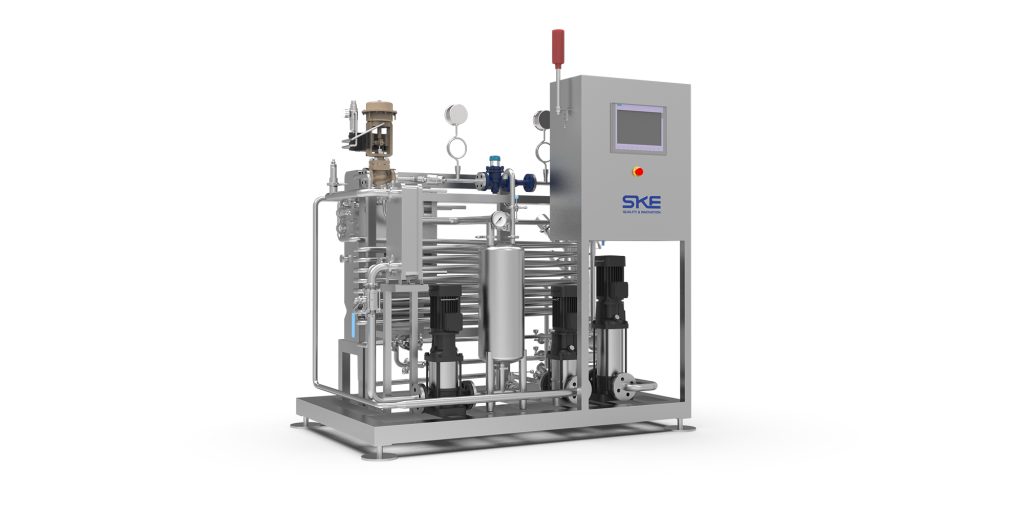
Beer is one of the most popular drinks in the world, but keeping it fresh for months at a time is not easy. This is where a beer flash pasteurizer becomes important. In this article, you will learn what flash pasteurization means, how large-scale breweries use it, and why it matters for beer quality.
If you are a brewer or a business owner, understanding flash pasteurization can help you make better decisions. SKE is a beer equipment manufacturer that builds flash pasteurizers for breweries of all sizes.
Key Takeaways
- A beer flash pasteurizer heats beer to roughly 72–75°C for 15–30 seconds, then cools it quickly — fast enough to place most beers in the 15–25 PU range used across the brewing industry.
- Flash pasteurization happens before packaging; tunnel pasteurization happens after. That single difference is why flash systems use far less floor space and energy.
- Regenerative plate heat exchangers, the core of a flash system, typically recover 90–95% of thermal energy in industrial beverage processing.
What Is a Beer Flash Pasteurizer?
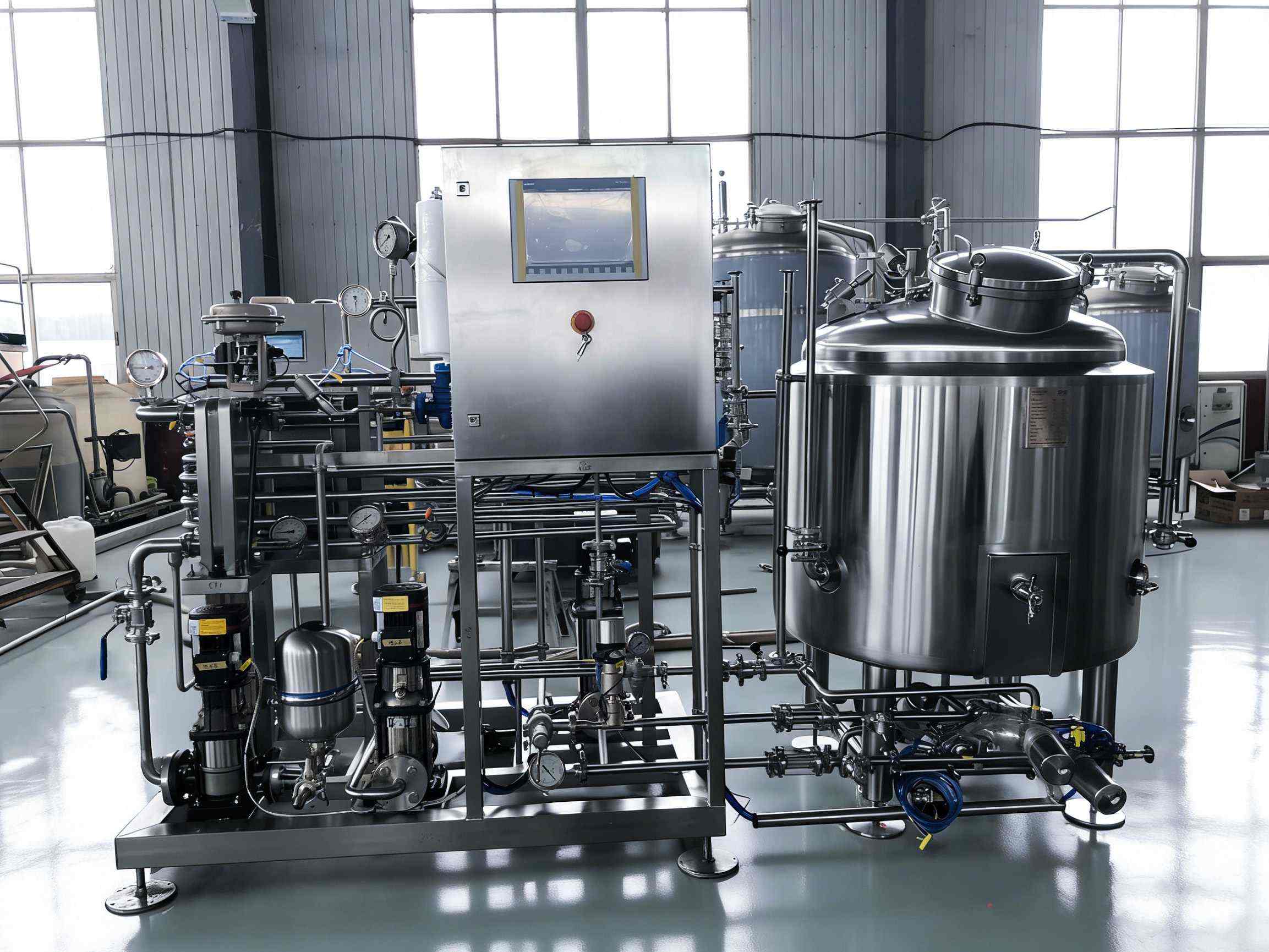
A beer flash pasteurizer is a machine that heats beer for a short time to kill harmful bacteria and yeast. The word “flash” means very fast: the beer is heated to about 72–75°C for only 15 to 30 seconds, which places most beers in the 15–25 PU range documented in brewing science literature (Brewing Science, “Flash Pasteurization of Beer – A Critical Review”). Then it is cooled down quickly.
This process makes the beer safe and stable. It also extends shelf life without changing the taste too much, which is why flash pasteurization is widely used across large-scale commercial brewing.
Flash pasteurization is different from tunnel pasteurization. Tunnel pasteurizers heat the beer after it is already in the bottle or can. Flash pasteurizers heat the beer before it goes into the package, which saves energy and time.
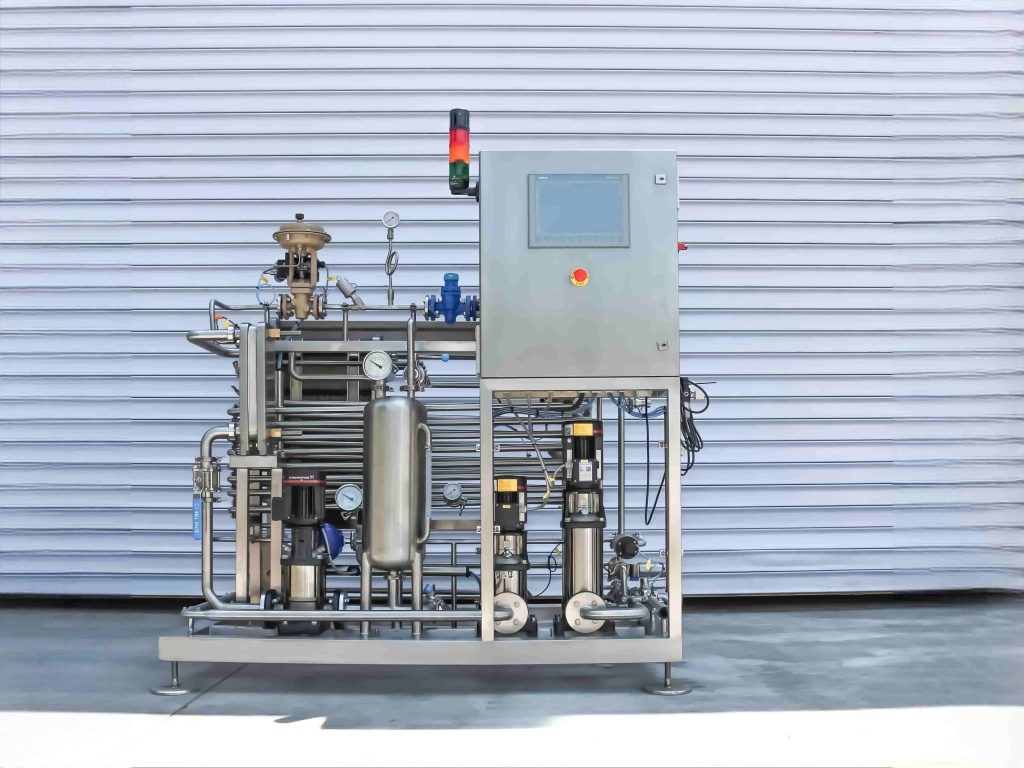
SKE designs flash pasteurizers that are easy to clean and control, built to keep beer fresh for months.
Why Do Breweries Need Flash Pasteurization?
Beer is a living product. It contains yeast and other microorganisms — some good for fermentation, but leftover yeast after fermentation can continue working and make the beer taste bad, and bacteria can spoil it. Peer-reviewed research on beer spoilage shows unpasteurized beer can begin showing quality degradation within 30 to 90 days of packaging as surviving microorganisms break the product down (Frontiers in Food Science and Technology, 2021).
Flash pasteurization stops this. It kills unwanted microorganisms while keeping the beer’s flavor mostly the same — important for commercial beers that need to stay on store shelves for a long time.
Large-volume breweries producing millions of liters rely on pasteurization every day: without it, their beer would spoil before reaching customers. SKE builds flash pasteurizers for high-capacity, high-reliability production, handling thousands of liters per hour.
How Does a Flash Pasteurizer Work?
A beer flash pasteurizer works in four main steps:
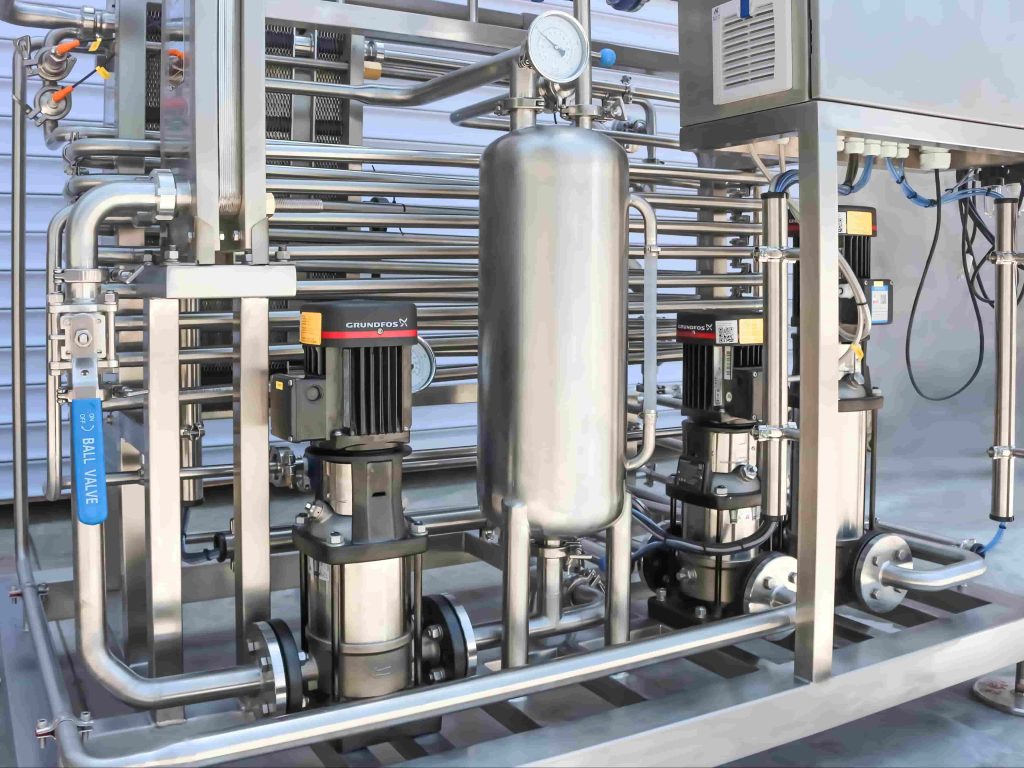
- Pre-heating – Cold beer from the storage tank passes through a heat exchanger, where it is warmed by beer that is already pasteurized and hot. Regenerative heat exchangers of this type typically recover 90–95% of thermal energy in industrial beverage processing (Tetra Pak Dairy Processing Handbook).
- Heating – The beer is quickly heated to 72–75°C using hot water or steam. This kills bacteria and yeast.
- Holding – The beer stays at this high temperature for 15–30 seconds in a special tube or chamber. This is the holding time.
- Cooling – The beer is cooled down immediately using cold water or glycol, then goes to the filling machine.
The whole process is continuous: beer flows through the system without stopping, which is why it is called “flash” or “continuous” pasteurization.
Here is a simple table comparing flash pasteurization and tunnel pasteurization:
| Feature | Flash Pasteurizer | Tunnel Pasteurizer |
|---|---|---|
| Heating time | 15–30 seconds | 20–60 minutes |
| Energy use | Lower | Higher |
| Space needed | Small | Large |
| Risk of taste change | Low | Medium to high |
| Best for | Large volumes | Small to medium volumes |
| Packaging type | Before filling | After filling |
As this comparison shows, flash pasteurization is significantly more space- and energy-efficient, which is why large-scale producers generally prefer it for mass production.
Flash Pasteurization at Industrial Scale
Large-scale brewery operations produce billions of liters of beer a year and need fast, reliable, consistent preservation methods to distribute that volume across long supply chains. The Brewers Association treats 15 PU as the minimum recommended pasteurization treatment for regular beer, a benchmark that both flash and tunnel systems are engineered to hit consistently at scale.
SKE works with breweries of all sizes and supplies flash pasteurizers that match the needs of growing businesses — from 10,000 liters to 1 million liters per year.
What Are the Benefits of Flash Pasteurization?
Using a beer flash pasteurizer offers several benefits:
1. Longer Shelf Life
Pasteurized beer can last 6–12 months, versus a few weeks for unpasteurized beer.
2. Better Food Safety
Killing bacteria makes the beer safe to drink and is required for export to many countries.
3. Less Energy Use
Flash pasteurizers use less energy and less water than tunnel pasteurizers, thanks to regenerative heat recovery.
4. Smaller Floor Space
These machines are compact enough to fit into smaller brewhouses.
5. Consistent Quality
The process is automatic and precise, so every batch gets the same treatment.
6. No Glass Bottle Stress
Because heating happens before filling, glass bottles do not break from heat stress.
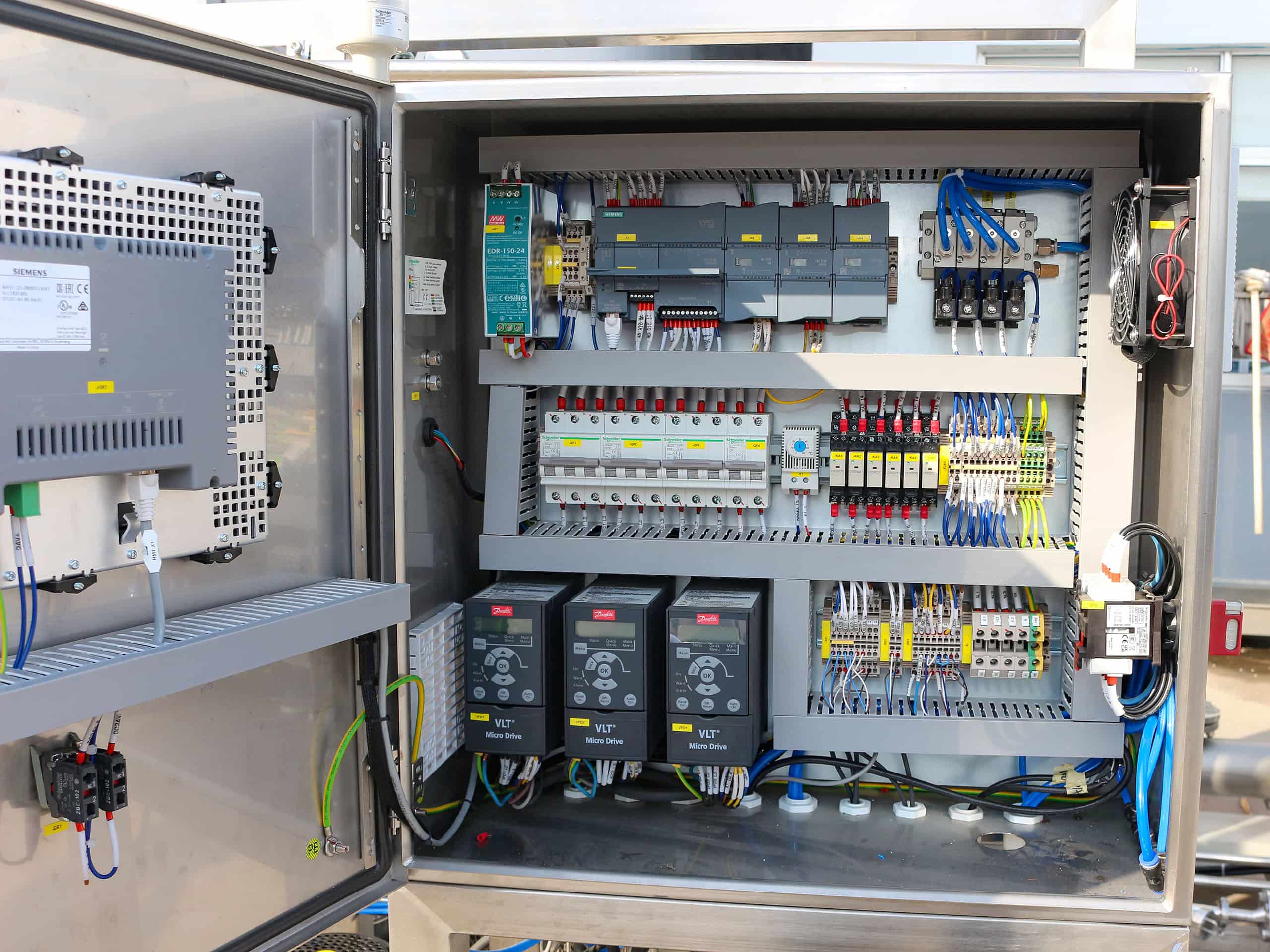
SKE builds flash pasteurizers with stainless steel and modern controls, designed to be easy to operate and maintain.
Flash Pasteurization vs. Filtration
Some breweries use filtration instead of heat. Filtration removes yeast and bacteria through fine filters — sometimes called “cold pasteurization” or sterile filtration.
Here is a comparison:
| Aspect | Flash Pasteurization | Sterile Filtration |
|---|---|---|
| Removes bacteria | Yes | Yes |
| Removes yeast | Yes | Yes |
| Changes flavor | Very little | Almost none |
| Equipment cost | Medium to high | High |
| Maintenance cost | Medium | High (filters) |
| Shelf life | 6–12 months | 3–6 months |
Flash pasteurization tends to give a longer, more predictable shelf life, which is why many large-volume producers choose heat over filtration for beer meant for long-distance distribution.
For breweries running CIP (clean-in-place) cycles between batches, pairing a flash pasteurizer with a well-designed CIP cleaning system keeps the whole line hygienic without adding downtime. Beer typically reaches the pasteurizer from a bright beer tank, so sizing that tank correctly also affects flow-rate stability — and therefore pasteurization consistency.
How to Choose a Beer Flash Pasteurizer
If you are buying a flash pasteurizer, consider these factors:
- Capacity – How many liters per hour do you need? SKE offers models from 2,000 L/h to 50,000 L/h.
- Heat recovery – Well-designed regenerative systems recover up to 90% of thermal energy, consistent with the 90–95% range documented for industrial beverage plate heat exchangers (Tetra Pak Dairy Processing Handbook). Good heat recovery saves money.
- Automation – Look for PLC controls and touch screens for easy operation.
- Cleaning – The system should have CIP (Cleaning in Place) capability.
- Materials – All parts touching beer must be food-grade stainless steel (304 or 316).
- Compliance – Check that the machine meets local and international standards.
SKE provides full documentation and training, and helps with installation and after-sales support.
FAQ – Frequently Asked Questions
1. Does flash pasteurization change beer taste?
Very little. The short heating time keeps most flavors intact, though some delicate hop aromas may reduce slightly.
2. Can I flash pasteurize craft beer?
Yes, but some craft brewers prefer no pasteurization at all — it depends on your distribution plan.
3. How long does pasteurized beer last?
Typically 6 to 12 months if stored away from light and heat.
4. What is the difference between flash and tunnel pasteurization?
Flash heats beer before packaging (15–30 seconds). Tunnel heats beer after packaging (20–60 minutes).
5. Is flash pasteurization safe for aluminum cans?
Yes, because heating happens before filling. Cans are not exposed to high heat.
6. Can SKE customize a flash pasteurizer?
Yes. SKE designs machines for your exact needs — just share your capacity and beer types.
7. How do I clean a flash pasteurizer?
Use CIP (Cleaning in Place). The machine has dedicated circuits for hot water, caustic, and acid rinses.
Conclusion
A beer flash pasteurizer is a smart investment for any brewery that wants to sell beer over long distances or keep it on shelves for many months. The process is fast, efficient, and gentle on flavor, which is why it is widely used across large-scale commercial brewing.
SKE’s engineering team can help breweries of any size choose the right flash pasteurizer, from small brewpubs to large factories.
- Facebook: SKE Equipment Facebook
- Email: info@skeequipment.com
Written and technically reviewed by the SKE Equipment engineering content team, drawing on SKE’s flash pasteurizer installation and commissioning experience for breweries of all sizes.
For more personalized assistance, please fill out the contact form at the bottom of this page. We look forward to helping you with your brewing needs!