Beer is one of the oldest and most popular fermented drinks alcoholic in the world.Every day, millions of people enjoy a cold beer. But few think about the science behind it.
At the heart of every beer is alcoholic fermentation.This natural process turns sugar into alcohol and carbon dioxide.
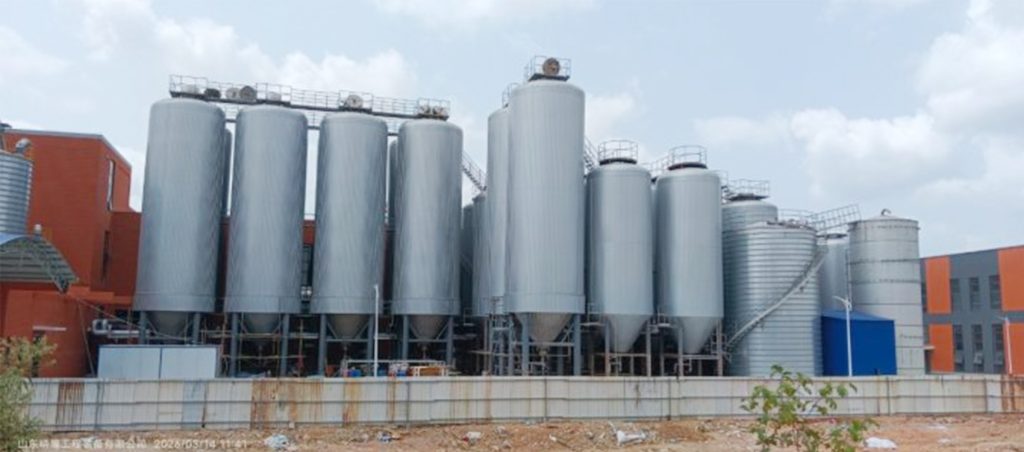
The largest beer brewers in the world rely on this process every single hour.They use enormous tanks, precise temperatures, and high-quality yeast.
In this article, we will explain how fermentation works.We will also look at the biggest players in the global beer market.
We are SKE, a professional manufacturer of beer brewing equipment.Our goal is to help you understand the science and technology behind great beer.
What Is Alcoholic Fermentation?
Alcoholic fermentation is a biological process.Yeast — a tiny fungus — consumes sugar and produces ethanol and CO₂.
This reaction happens without oxygen.That is why we call it “anaerobic.”
The simple formula looks like this:Sugar → Ethanol + Carbon Dioxide + Energy
For beer brewers, alcoholic fermentation is the most important step.
Without it, there is no alcohol, no bubbles, and no beer taste.
The two main ingredients for alcoholic fermentation are:
-
Sugar (from malted grains)
-
Yeast
Brewers control temperature, time, and yeast health.These factors decide the final taste, aroma, and alcohol level.
The Role of Yeast in Fermentation
Fermentation of yeast is a delicate dance.
Yeast is a living organism. If you treat it well, it rewards you with great beer.
There are two main types of yeast used in beer:
-
Ale yeast (Saccharomyces cerevisiae) – works warm (15–25°C)
-
Lager yeast (Saccharomyces pastorianus) – works cold (5–12°C)
The largest beer brewers in the world use both types.For example, many big lager brands use cold fermentation.
During the fermentation of yeast, several things happen at once:
-
Alcohol is produced
-
CO₂ creates natural carbonation
-
Flavor compounds called esters are formed
If fermentation goes wrong, the beer tastes bad.If it goes right, the beer is clean, crisp, and delicious.
A Brief History of Fermented Drinks Alcoholic
Humans have made fermented drinks alcoholic for thousands of years.The earliest evidence comes from China, around 7000 BC.
Ancient Egyptians and Mesopotamians brewed beer.They used bread and water to start fermentation.
Back then, no one knew about yeast.People thought fermentation was magic.
Today, we understand the science.But the basic process remains the same:
Grain + Water + Yeast → Beer
The largest beer brewers in the world follow this ancient recipe.But they do it with modern technology.
SKE builds the equipment that makes this possible on a huge scale.Our tanks, piping, and control systems help brewers manage fermentation perfectly.
Top 5 Largest Beer Brewers in the World (By Volume)
Let’s look at the companies that dominate the global beer market.
These brewers produce billions of liters every year.
| Rank | Company Name | Country | Annual Production (approx.) |
|---|---|---|---|
| 1 | Anheuser-Busch InBev | Belgium | 550 million hectoliters |
| 2 | Heineken | Netherlands | 250 million hectoliters |
| 3 | China Resources Snow | China | 120 million hectoliters |
| 4 | Carlsberg | Denmark | 110 million hectoliters |
| 5 | Molson Coors | USA/Canada | 85 million hectoliters |
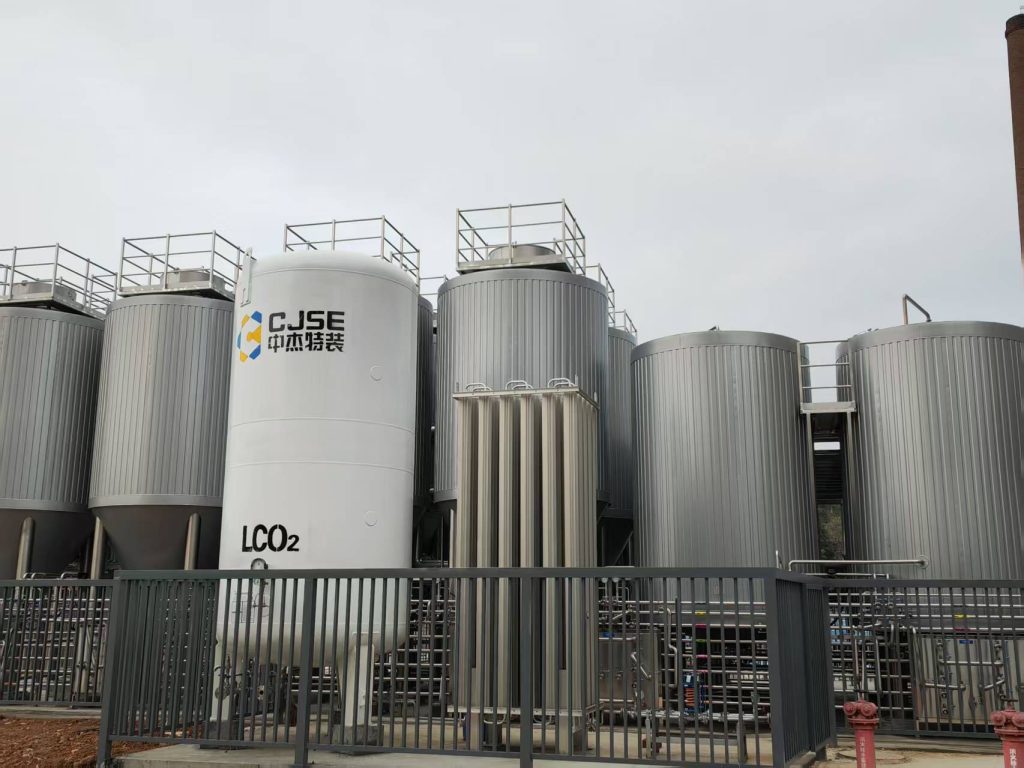
These companies rely on alcoholic fermentation in giant steel tanks.A single tank can hold 1,500 hectoliters or more.
That is 200,000 standard beer bottles — in just one tank.Managing fermentation of yeast at this scale is not easy.
That is why they need professional equipment.SKE provides solutions for breweries of all sizes, from micro to industrial.
How the Largest Brewers Control Fermentation of Yeast
For the largest beer brewers in the world, consistency is everything.
Every bottle must taste the same, anywhere in the world.
To achieve this, they control five main factors:
-
Yeast strain – They use pure, tested yeast cultures.
-
Temperature – Even 1°C change changes flavor.
-
Oxygen levels – Oxygen is needed at the start, but not during fermentation.
-
pH balance – Ideal range is 4.0–4.5 for most beers.
-
Time – Fermentation takes 5 to 14 days depending on beer type.
If any factor changes, the fermentation of yeast becomes unstable.
That leads to off-flavors, low alcohol, or even spoiled beer.
Big breweries use automated systems to monitor everything.
SKE manufactures these systems — including fermentation tanks, cooling jackets, and sensors.
Fermented Drinks Alcoholic: Beer vs. Wine vs. Cider
Beer is not the only fermented drinks alcoholic in the world.
Wine and cider are also made through alcoholic fermentation.
Here is a simple comparison table:
| Feature | Beer | Wine | Cider |
|---|---|---|---|
| Sugar source | Malted grains (barley) | Grapes | Apples |
| Yeast type | Ale or lager yeast | Wine yeast | Cider yeast |
| Fermentation | 5–14 days | Weeks to months | 7–21 days |
| ABV range | 3–12% | 8–15% | 3–8% |
All three are fermented drinks alcoholic.
But beer is the most complex to produce on a large scale.
Why? Because grains are not sweet like fruit.
Brewers first have to convert grain starch into sugar.
That process is called mashing.
After mashing, alcoholic fermentation can begin.
SKE builds equipment for all stages: milling, mashing, fermentation, and storage.
Why Quality Equipment Matters for Alcoholic Fermentation
You can have the best yeast and the best recipe.
But if your equipment is poor, your beer will be poor.
Alcoholic fermentation requires clean, stable, and safe tanks.
Here is why professional equipment is necessary:
-
Temperature control – Fermentation creates heat. Tanks need cooling jackets.
-
Hygiene – Any bacteria will ruin the beer. Tanks must be easy to clean (CIP systems).
-
Pressure management – CO₂ builds up. Tanks need pressure relief valves.
-
Scalability – A good tank design works for 100 liters or 10,000 liters.
The largest beer brewers in the world never cut corners on equipment.
Neither should you.
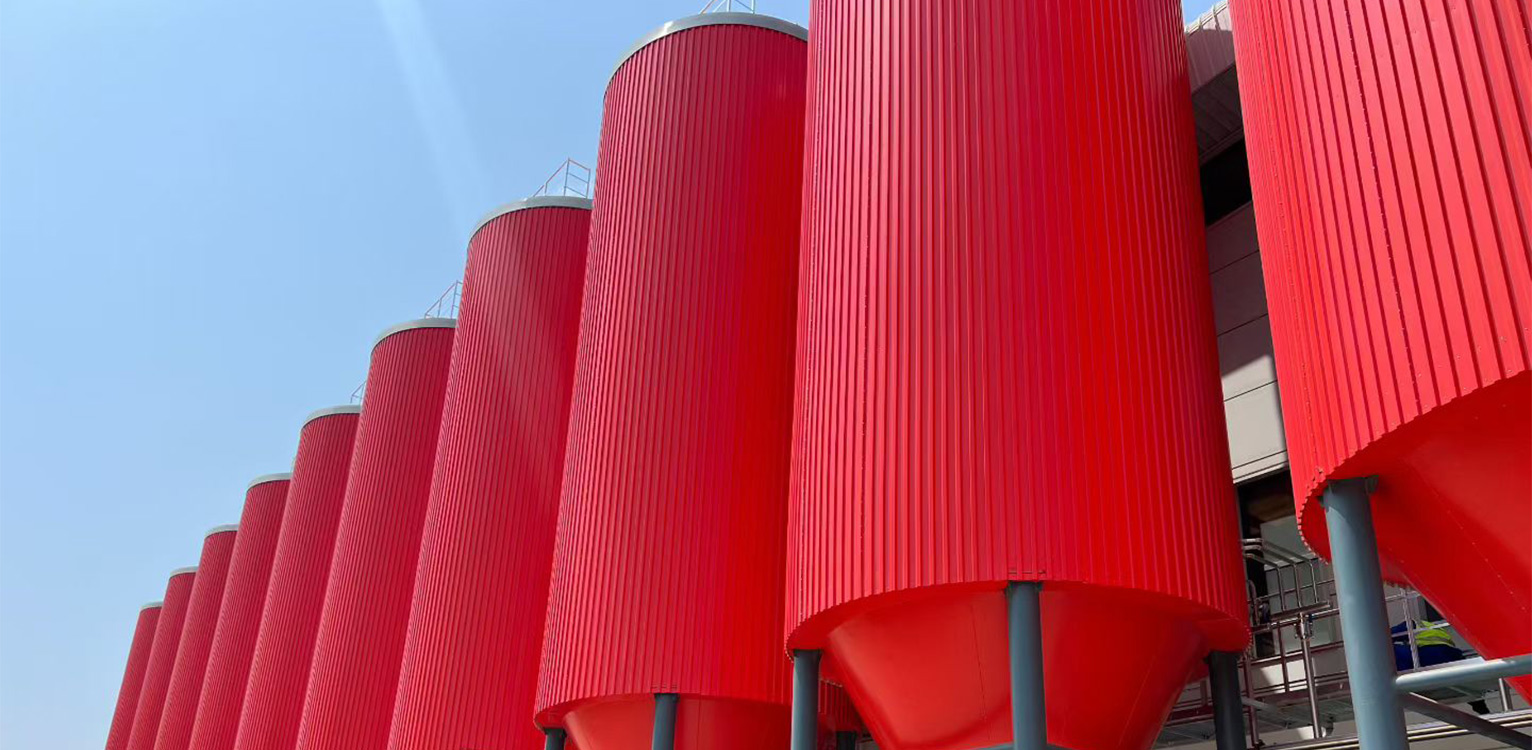
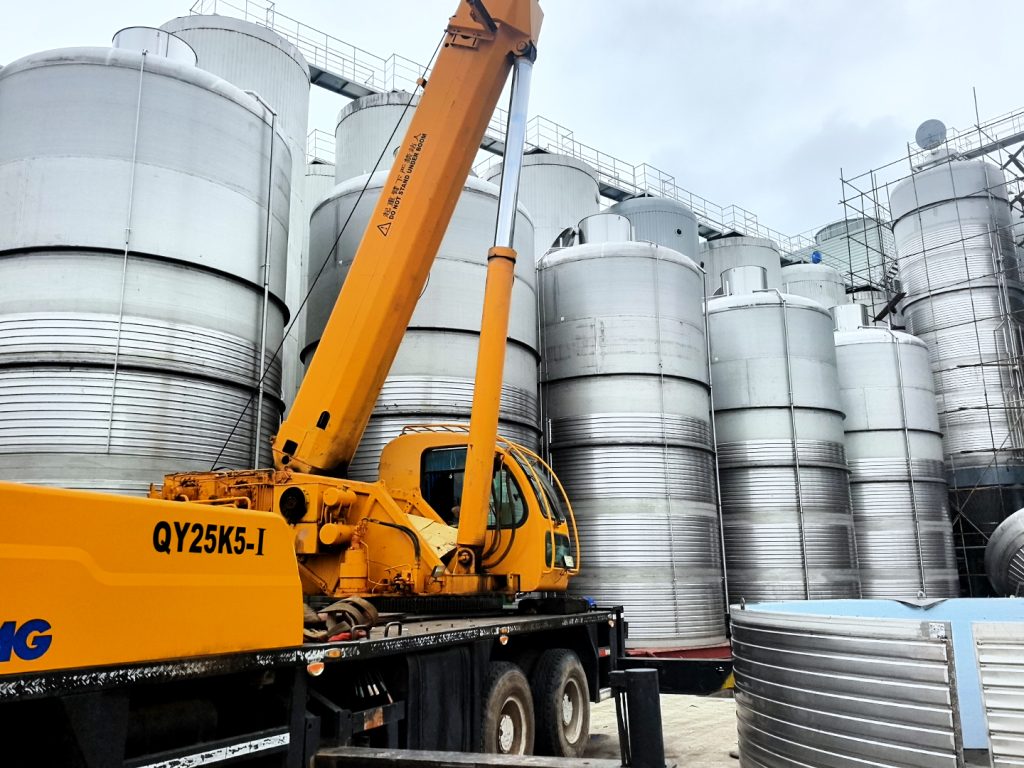
At SKE, we manufacture stainless steel fermentation tanks.
Our tanks are used by small brewpubs and large industrial breweries.
We also offer:
-
Bright beer tanks
-
Control panels
-
Piping and fittings
-
Complete brewhouses
Common Problems During Fermentation of Yeast
Even professionals face issues with fermentation of yeast.
Here are the most common problems and solutions:
| Problem | Cause | Solution |
|---|---|---|
| Slow fermentation | Too cold, old yeast, no nutrients | Warm up, add yeast nutrients |
| Too fast / too hot | Fermentation temperature too high | Use cooling jackets |
| Off-flavors (butter) | Bacterial infection | Clean all equipment thoroughly |
| Low alcohol | Poor yeast health or low sugar | Check original gravity |
| Stuck fermentation | Yeast died or pH crashed | Re-pitch fresh yeast |
Most of these problems come from bad equipment or bad process control.
SKE equipment is designed to prevent these issues.
For example, our tanks include:
-
Precise temperature probes
-
Insulated cooling jackets
-
Easy-access sample valves
With the right tools, alcoholic fermentation becomes predictable and repeatable.
The Future of Fermented Drinks Alcoholic
The global market for fermented drinks alcoholic is growing.
Beer remains the most popular, but new products are appearing.
These include:
-
Hard seltzers (fermented cane sugar)
-
Low-alcohol beers (fermentation stopped early)
-
Non-alcoholic beers (removing alcohol after fermentation)
The largest beer brewers in the world are investing in these categories.
They still use the same basic science: alcoholic fermentation.
But they need flexible equipment.
For example, low-alcohol beer requires special fermentation control.
At SKE, we design equipment that adapts to new trends.
Our tanks work for beer, hard seltzer, kombucha, and more.
Why Choose SKE for Your Brewery Equipment?
We are not just a seller. We are beer people.
SKE has been manufacturing brewing equipment for over 15 years.
Here is what makes us different:
-
Custom designs – We build tanks for your space and volume.
-
High quality – 304 and 316 stainless steel.
-
Full support – We help with installation and training.
-
Competitive price – Factory direct, no middlemen.
Whether you are opening a small brewpub or expanding a regional brewery,
SKE has the right solution.
We understand alcoholic fermentation because we work with brewers every day.
Let us help you brew better beer.
FAQ – Frequently Asked Questions
1. What is alcoholic fermentation in simple words?
Alcoholic fermentation is when yeast eats sugar and turns it into alcohol and bubbles (CO₂). This is how beer, wine, and cider are made.
2. Why is fermentation of yeast important for beer?
Without yeast fermentation, beer would be just sweet grain water. Yeast creates alcohol, carbonation, and most of the flavor.
3. How long does alcoholic fermentation take for beer?
For most beers, 5 to 14 days. Lagers take longer (up to 3 weeks). Some specialty beers ferment for months.
4. What are the largest beer brewers in the world?
The top 5 are Anheuser-Busch InBev, Heineken, China Resources Snow, Carlsberg, and Molson Coors.
5. Can I do alcoholic fermentation at home?
Yes. Many people brew beer at home. You need a fermenter, yeast, malt, water, and a way to control temperature.
6. Does SKE sell small fermentation tanks?
Yes. SKE sells tanks from 50 liters to 10,000+ liters. We work with homebrewers and professionals.
Conclusion
The largest beer brewers in the world have built their success on one thing:
perfect alcoholic fermentation.
They understand the fermentation of yeast better than anyone.
And they use the best equipment to control it.
Whether you are making fermented drinks alcoholic for a local pub or a global market,
the science is the same.
Start with good ingredients.
Control your temperature.
And use reliable equipment.
SKE is here to help you at every step.
From a single tank to a complete brewhouse — we deliver quality and performance.
Contact us today to learn more.
Let’s brew something great together.
- Facebook: SKE Equipment Facebook
- Email: info@skeequipment.com
For more personalized assistance, please fill out the contact form at the bottom of this page. We look forward to helping you with your brewing needs!