
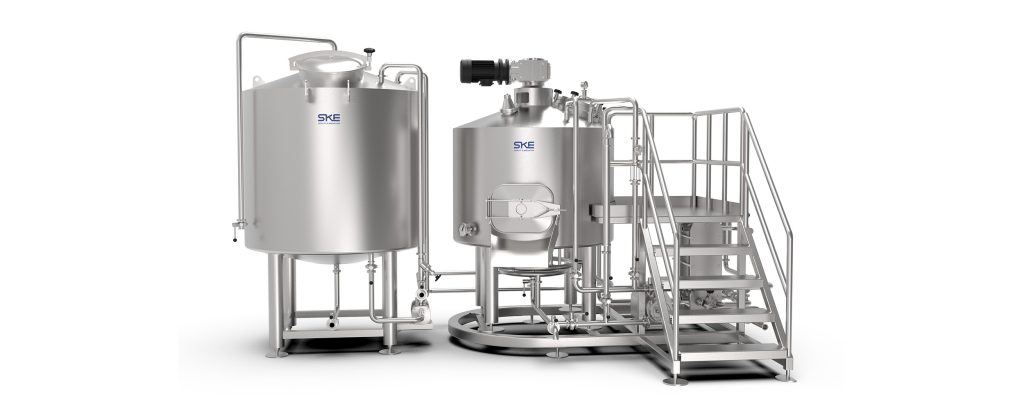
For a long time, big breweries have been the kings of industrial fermentation. They produce millions of liters of beer every year using large steel tanks and strict processes. However, the world of drinks is changing. More people today want healthy, fizzy, and low-sugar options. This is where kombucha fermentation comes into the picture.
In this article, we will explain how fermentation of kombucha works. We will compare it to beer making. We will also show you how SKE’s technology helps big breweries enter the fast-growing market of fermented tea kombucha. If you already have a brewery, you are already 80% ready to make this healthy drink.
What is Kombucha? A Simple Definition
Before we talk about machines, let us understand the product. Kombucha is a drink made from sweet tea. You start with black or green tea. Then you add sugar. Finally, you add a special culture. This culture is called SCOBY. SCOBY stands for “Symbiotic Culture Of Bacteria and Yeast.”
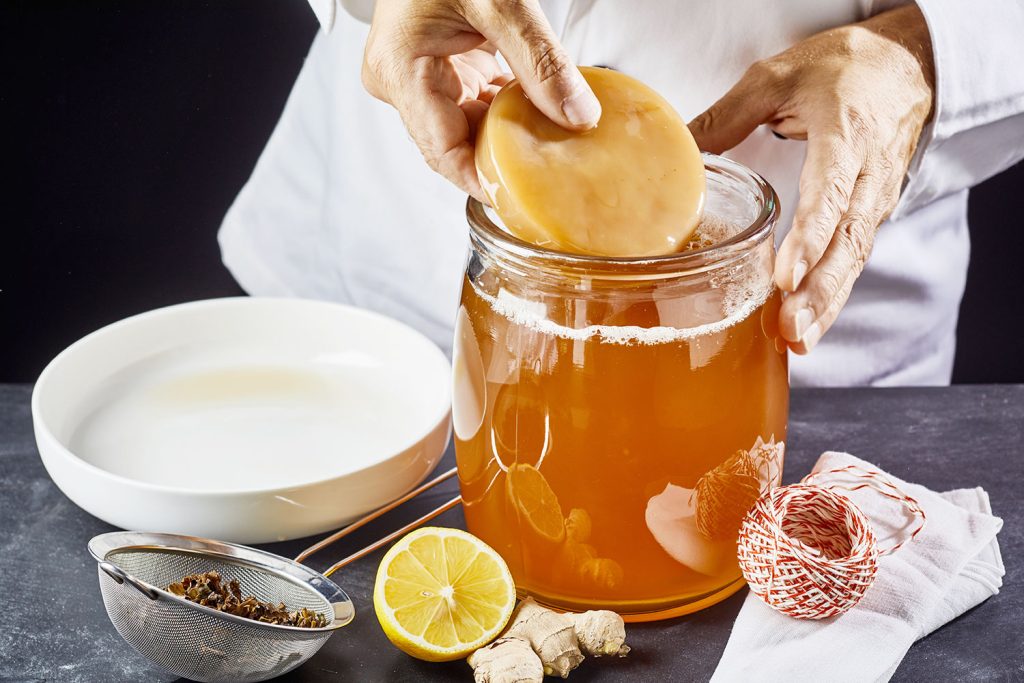
The SCOBY looks like a soft, beige pancake. It floats in the tea. The yeast in the SCOBY eats the sugar. It turns the sugar into alcohol and carbon dioxide. Then, the bacteria eat the alcohol. They turn the alcohol into organic acids. These acids make the tea sour and fizzy. This whole process is called kombucha fermentation.
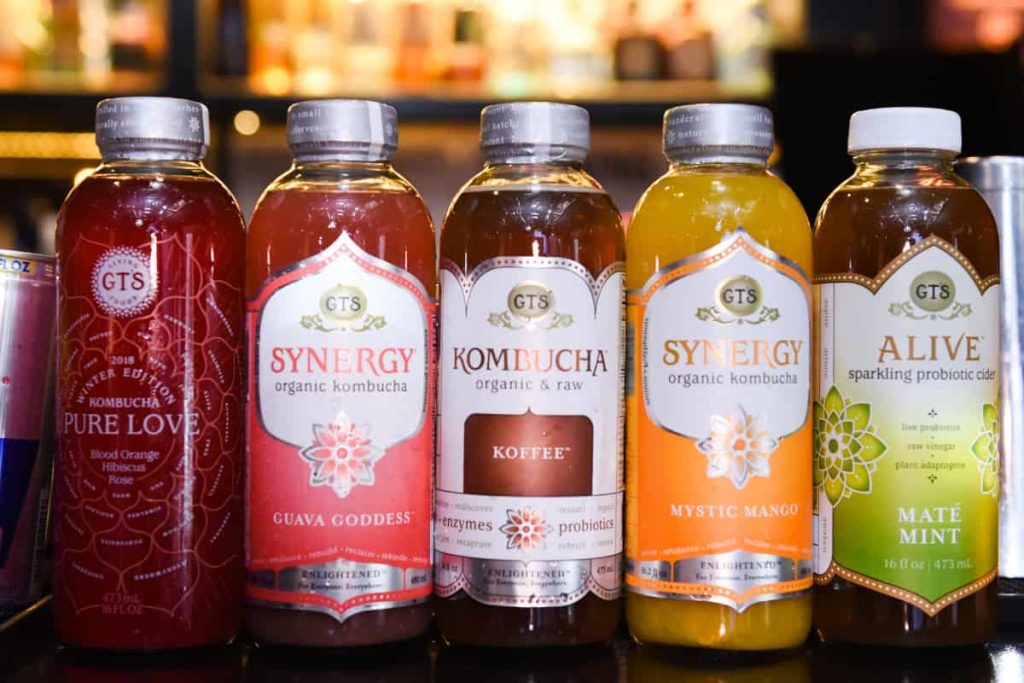
The final drink is fermented tea kombucha. It is sour, slightly sweet, and full of bubbles. It also has probiotics, which are good for your stomach. Unlike beer, kombucha has very little alcohol (usually less than 0.5%). This is why it is popular as a healthy soda. For big breweries, this is a perfect new product to sell next to beer.
How is Kombucha Different from Beer?
Many people ask: “If both use yeast, are they the same?” No, they are not the same. The difference is in the ingredients and the time. Beer uses grains like barley and hops. Kombucha uses tea and sugar. Beer fermentation happens in one week. Kombucha fermentation happens in 7 to 30 days.
Also, beer needs boiling. You boil the grains to get sugar. Kombucha does not need boiling. You just brew hot tea and dissolve sugar. After cooling, you add the SCOBY. The temperature for beer is cold (around 10°C for lagers). The temperature for fermentation of kombucha is warm (20-30°C).
However, both drinks need clean, stainless steel tanks. Both need temperature control. Both need careful cleaning to avoid bad bacteria. This is why big breweries have an advantage. They already own the machines. They just need to learn a new recipe. SKE helps them make this change easily.
Below is a simple table to show the differences.
| Feature | Beer Fermentation | Kombucha Fermentation |
|---|---|---|
| Main Ingredients | Barley, hops, water, yeast | Tea, sugar, water, SCOBY |
| Temperature | 5°C – 15°C (cold) | 20°C – 30°C (warm) |
| Time | 5 – 10 days | 7 – 30 days |
| Alcohol Level | 3% – 10% | <0.5% (non-alcoholic) |
| Bacteria | No (only yeast) | Yes (both yeast and bacteria) |
| Equipment | Stainless steel tanks | Stainless steel tanks (same!) |
The Science Behind Fermentation of Kombucha
Let us look deeper into the fermentation of kombucha. This is a two-step process. First, the yeast works. Second, the bacteria work. The yeast in the SCOBY is very strong. It can survive in tea and sugar. The yeast breaks down sucrose (table sugar) into glucose and fructose. Then it makes ethanol (alcohol) and CO2 (gas).
This is very similar to the first step of beer making. But here comes the difference. The bacteria in the SCOBY (mainly Gluconobacter) eat the ethanol. They turn it into gluconic acid and acetic acid. Acetic acid is what makes vinegar sour. This is why kombucha tastes like vinegar a little bit.
During this kombucha fermentation, a new SCOBY grows on top of the liquid. This is a sign of a healthy process. The fermentation stops when the tea becomes too sour for the bacteria. At this point, the pH is around 2.5 to 3.5. This is very acidic. Bad bacteria cannot live in this environment.
For big breweries, understanding this science is important. You cannot treat kombucha like beer. If you use beer yeast alone, you will get alcoholic tea, not real kombucha. You need the full SCOBY. You also need to monitor pH, not just sugar levels. SKE provides sensors that can measure both.
Equipment Needed for Fermented Tea Kombucha
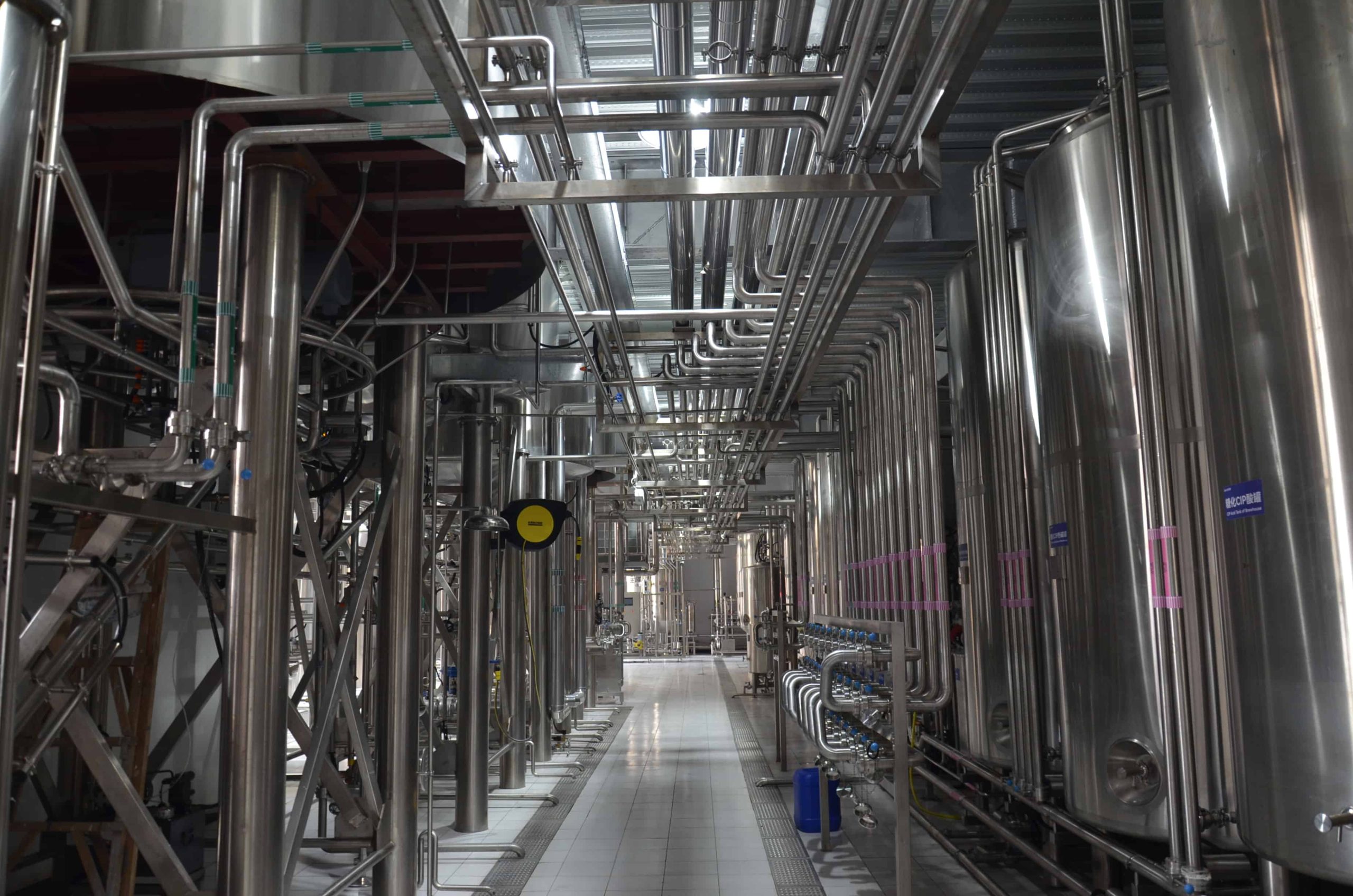
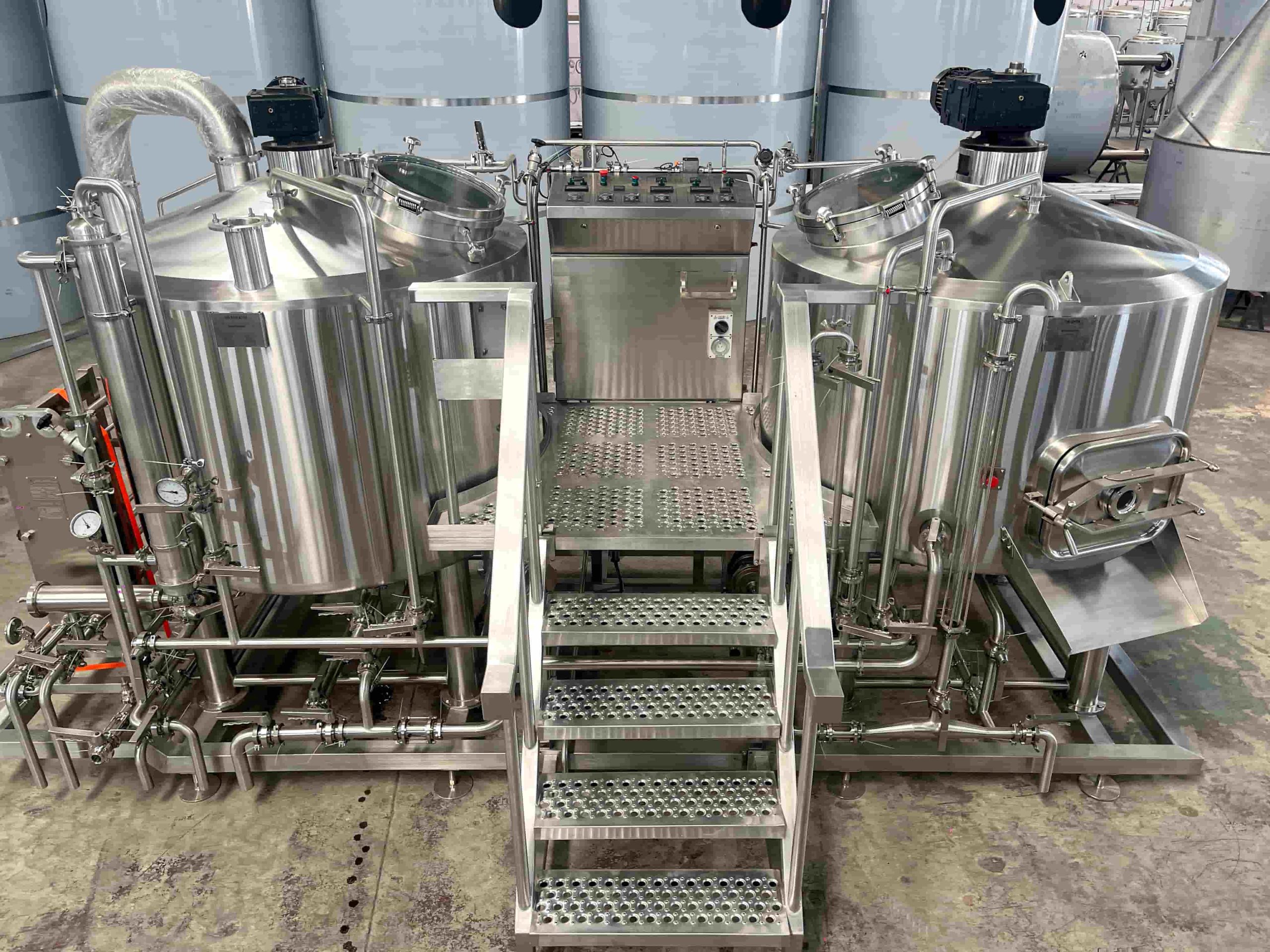
Now let us talk about the machines. To produce fermented tea kombucha at a large scale, you need the right setup. Many home brewers use glass jars. But for commercial production, glass is too weak and small. You need professional stainless steel tanks.
SKE manufactures these tanks. Our tanks are made of 304 or 316 stainless steel. This metal does not react with acid. Remember, kombucha is very acidic (pH 2.5). If you use plastic or low-quality metal, the acid will destroy it. The acid can also release toxic chemicals into the drink.
Here is the basic equipment list for a commercial kombucha brewery:
-
Tea brewing tank: A large kettle to make sweet tea.
-
Heat exchanger: To cool the tea quickly from 100°C to 25°C.
-
Fermentation tank: A closed or open stainless steel tank. Closed is better to avoid flies and dust.
-
Temperature control jacket: To keep the tank at 25°C.
-
Pumps and hoses: To move the liquid without contamination.
SKE provides all of these parts. We also offer training. Many of our customers are big breweries that want to add a kombucha line. They already have beer tanks. They just need to buy a few new parts, like pH meters and warmer jackets.
Why Big Breweries Are Switching (or Adding) Kombucha
The beer market is not growing very fast in some countries. People are drinking less alcohol. Young people want functional drinks. Big breweries are smart. They do not want to lose money. So they are adding new products. Fermented tea kombucha is a perfect choice.
First, kombucha has a “health halo.” People think it is good for digestion. It contains probiotics and antioxidants. You cannot say this easily with beer. Second, kombucha is non-alcoholic. You can sell it in schools, offices, and health clubs. Third, the profit margin is high. Tea and sugar are cheap. A bottle of kombucha can sell for $3 or $4.
SKE helps big breweries make this switch without buying all new equipment. We do an audit of your current tanks. We tell you what you need to change. Usually, you only need new temperature controls and a cleaning process for the SCOBY. The rest of your brewery works fine.
Challenges in Kombucha Fermentation for Large Tanks
Making kombucha at home is easy. Making it in a 10,000-liter tank is hard. Big breweries face special challenges. The first challenge is oxygen. Beer yeast does not need oxygen after the first day. But the bacteria in kombucha need oxygen to turn alcohol into acid. If the tank is sealed like a beer tank, the bacteria will die.
So you need a tank that allows air in but keeps dust and insects out. SKE sells “aerobic fermentation tanks.” These tanks have special air filters. They let oxygen in slowly. They also have a top opening so you can add the SCOBY.
The second challenge is cleaning. In beer making, you clean the tank with strong chemicals. Then you rinse. But SCOBY is very sensitive. If there is any chemical residue, the SCOBY will die. You cannot use standard brewery cleaners. You need to use hot water and special mild cleaners. SKE provides a cleaning guide for kombucha fermentation.
The third challenge is consistency. Every batch of fermented tea kombucha can taste different. The SCOBY changes over time. To solve this, big breweries use liquid starter instead of solid SCOBY. They also keep a “mother tank” to grow fresh SCOBY for each batch. SKE can design a multi-tank system to keep your flavor the same every week.
Quality Control and Safety
Safety is the most important part of fermentation of kombucha. Because the drink is acidic and non-alcoholic, bad bacteria can grow if you make a mistake. The most common problem is mold. Mold looks like green or black spots on the SCOBY. If you see mold, you must throw away the whole batch.
To avoid mold, you need three things. First, clean all equipment very well. Use hot water (80°C) to kill germs. Second, keep the SCOBY under the liquid. If it floats on top and gets dry, mold can grow. Third, control the temperature. Keep it at 25°C. Too cold, and the good bacteria sleep. Too hot, and the yeast dies.
SKE offers a digital control panel. This panel shows you the temperature, pH, and oxygen level in real time. You can set alarms. If the pH goes above 3.5, an alarm rings. This means the fermentation is too slow. You can fix it immediately. This is how big breweries make safe fermented tea kombucha every time.
FAQ: Frequently Asked Questions
Here are common questions from brewers who want to start making kombucha.
Q1: Can I use my existing beer tanks for kombucha?
A: Yes, but you need modifications. You must add air filters and heating jackets. The metal must be 304 or 316 stainless steel. SKE can check your tanks for free.
Q2: Is kombucha fermentation difficult to learn?
A: No. If you know how to make beer, you can learn kombucha in two weeks. The main difference is temperature and oxygen. SKE provides training and manuals.
Q3: How long does one batch take?
A: For regular kombucha, 7 to 14 days. For hard kombucha, about 20 days. This is faster than some lagers that need 30 days.
Q4: Do I need a special license to sell kombucha?
A: If the alcohol is below 0.5%, it is a soft drink. You do not need a beer license. But check your local laws. Hard kombucha needs an alcohol license. SKE can advise you on this.
Q5: How do I clean the SCOBY?
A: You do not clean it. You protect it. Do not let it touch soap or chemicals. Rinse it with clean, cold tea. SKE sells special cleaning solutions that are safe for SCOBY.
Conclusion: SKE Is Your Partner for Growth
The drink market is changing. Big breweries cannot only sell beer anymore. People want healthy, fermented, fizzy drinks. Kombucha fermentation offers a perfect answer. It uses the same skills and many of the same machines. The fermentation of kombucha is a natural next step for any serious brewery.
Fermented tea kombucha is not a small trend. It is a global category. Sales grow every year. By adding kombucha, you attract new customers. You also use your tanks for more days of the year. An empty tank makes no money. A tank making kombucha makes money.
If you have any further questions, feel free to reach out!
- Facebook: SKE Equipment Facebook
- Email: info@skeequipment.com
For more personalized assistance, please fill out the contact form at the bottom of this page. We look forward to helping you with your brewing needs!