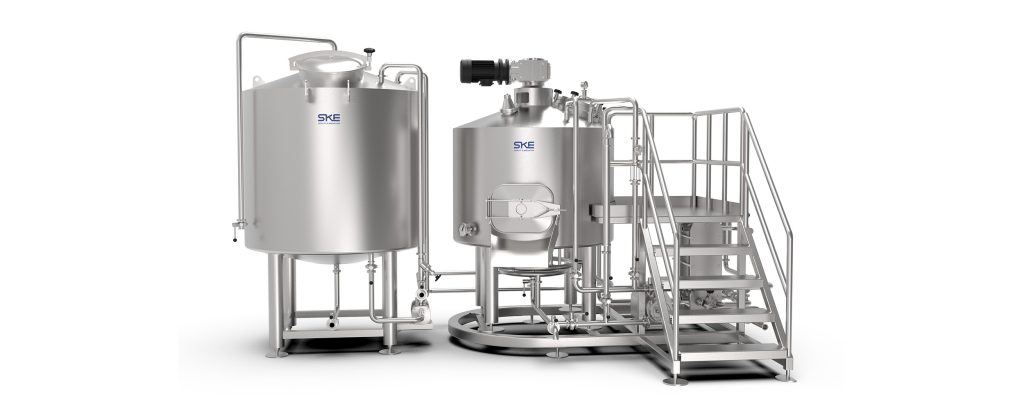
In this article, we will explore why kombucha is so popular. We will look at its health benefits and what makes it special. We will also discuss how large beer companies can use their experience to brew it on a large scale. Finally, we will show how SKE, a professional brewery equipment manufacturer, can help with this exciting new venture.
What is Kombucha and Why is it So Popular?
Kombucha is a fizzy, sweet-and-sour drink made from tea . People make it by adding a special culture to sweetened tea. This culture is called SCOBY. The SCOBY eats the sugar in the tea. This process is called fermentation. It creates many healthy compounds.
The fermentation process makes kombucha unique. It creates organic acids, vitamins, and probiotics . These are the things that give kombucha its health benefits. The drink also has a small amount of alcohol and caffeine from the tea. However, the alcohol content is usually very low, under 0.5%.
Kombucha’s popularity has grown for several reasons. First, people are more interested in their health today. They want functional drinks that do more than just quench their thirst. Kombucha fits this need perfectly. It is seen as a natural and healthy choice.
Second, kombucha is very versatile. Drink makers can add different fruit juices to create many flavors. You can find kombucha in flavors like ginger, berry, and lemon. This variety appeals to many different tastes.
Finally,kombucha is a great alternative to soda and other sugary drinks. It has less sugar and offers health benefits that soda does not. This makes it popular with health-conscious consumers.
The Health Benefits of Kombucha: What Does Science Say?
The health benefits of kombucha come from its many bioactive compounds. These include:
-
Organic acids: These may help with digestion and have antioxidant effects.
-
Vitamins: Kombucha contains B vitamins and vitamin C, which are important for energy and immunity.
-
Polyphenols: These are antioxidants found in tea. They can protect your cells from damage.
-
Probiotics: These good bacteria are created during fermentation. They are great for your gut health.
It is important to note that kombucha is not a medicine. It should not replace a healthy diet or medical treatment. However, it can be a healthy addition to your lifestyle. The clinical evidence is growing, and the results are very encouraging.
How Health-Ade Kombucha Sets the Standard
Health-Ade is a well-known brand in the kombucha world. It is famous for its high-quality products. The company follows strict standards in its brewing process.
Health-Ade uses only three main ingredients: organic tea, a unique culture, and organic cane sugar . They never use artificial flavors, colors, or preservatives. This makes their kombucha pure and natural. They brew their tea in stainless steel tanks. They also use reverse osmosis to filter their water. This removes impurities from the water.
The company is very careful about sourcing its ingredients. They require all suppliers to follow strict quality standards. They also make sure that all ingredients are certified organic. This means they are grown without synthetic pesticides or GMOs.
Health-Ade also tests every batch of kombucha after production. They test for taste, quality, pH, and alcohol levels. They also check for package integrity. This rigorous quality control ensures that every bottle is the same high quality.
The Growing Market for Kombucha: A Beer Industry Perspective
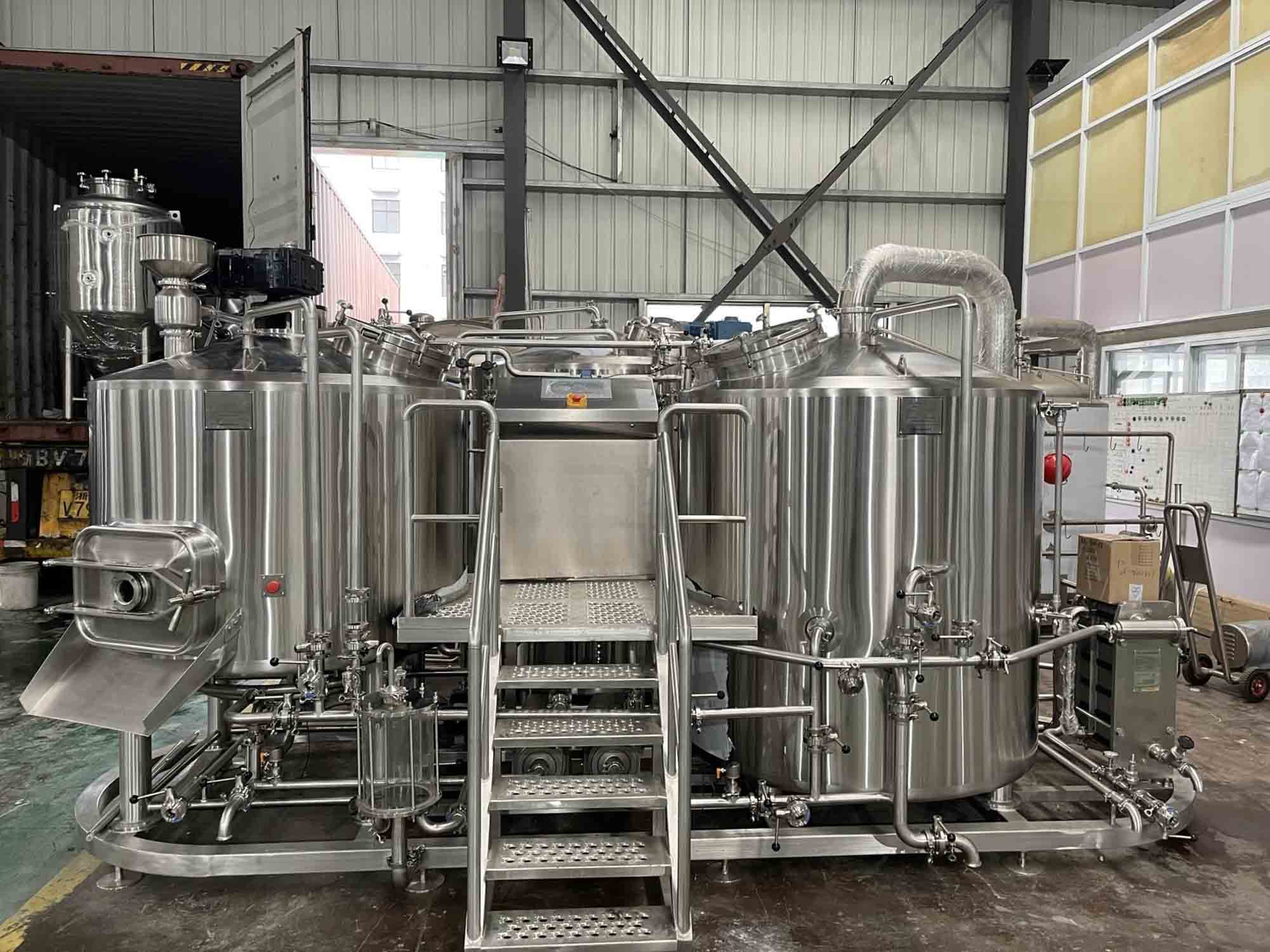
The kombucha market is growing very fast. This is an exciting opportunity for large beer companies. The non-alcoholic beer market has also grown by 90% in the last ten years . Kombucha is following a similar path.
Large beer companies have many advantages in this market. First, they have large-scale brewing facilities. They can produce kombucha in huge quantities. This allows them to lower costs and compete with smaller brands.
Second, beer companies have strong distribution networks. They can put their kombucha in many stores and restaurants. This is something smaller companies cannot do as easily. It gives large beer companies a big advantage.
Third, beer companies have experience in marketing. They know how to build a brand and create consumer demand. This is very important in the competitive beverage market.
The potential for profits is also very high. The hard kombucha market is expected to grow by almost 24% each year . This is much faster than the beer market. For large beer companies, this is a chance for big growth.
Another interesting trend is the rise of alcoholic kombucha, or “hard kombucha”. This drink has a higher alcohol content, similar to beer or hard seltzer . It is very popular with consumers who want a healthier alternative to beer. Large beer companies are very interested in this segment.
Adapting Beer Brewing Equipment for Kombucha
Large beer companies have a key advantage. They already have many of the systems needed for kombucha production. With some adjustments, they can use their existing equipment.
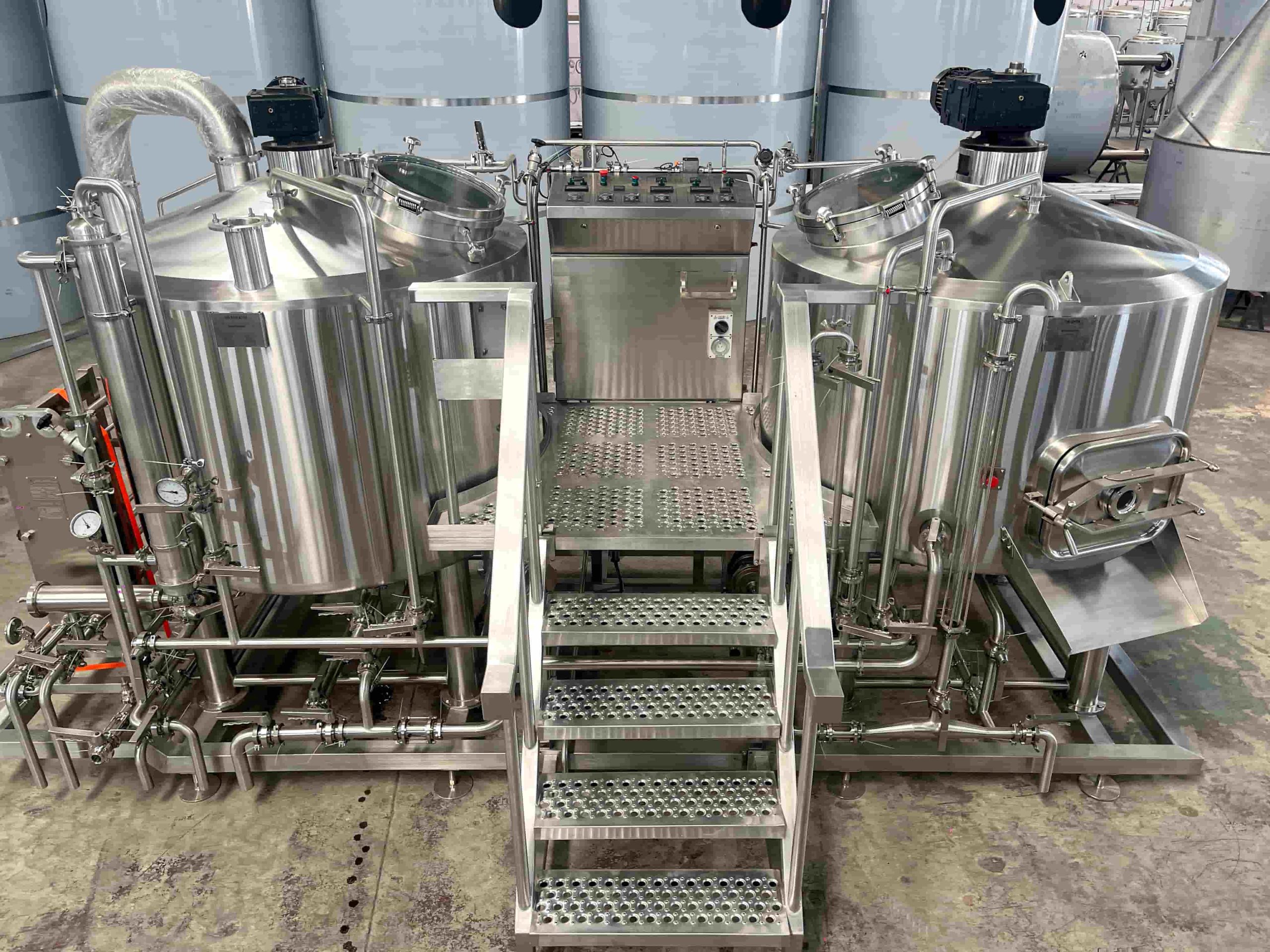
SKE, a company that has been making brewing equipment since 2000, specializes in helping breweries diversify . They understand how beer equipment works. They also understand what is needed for kombucha. They can modify existing systems to handle the unique requirements of kombucha.
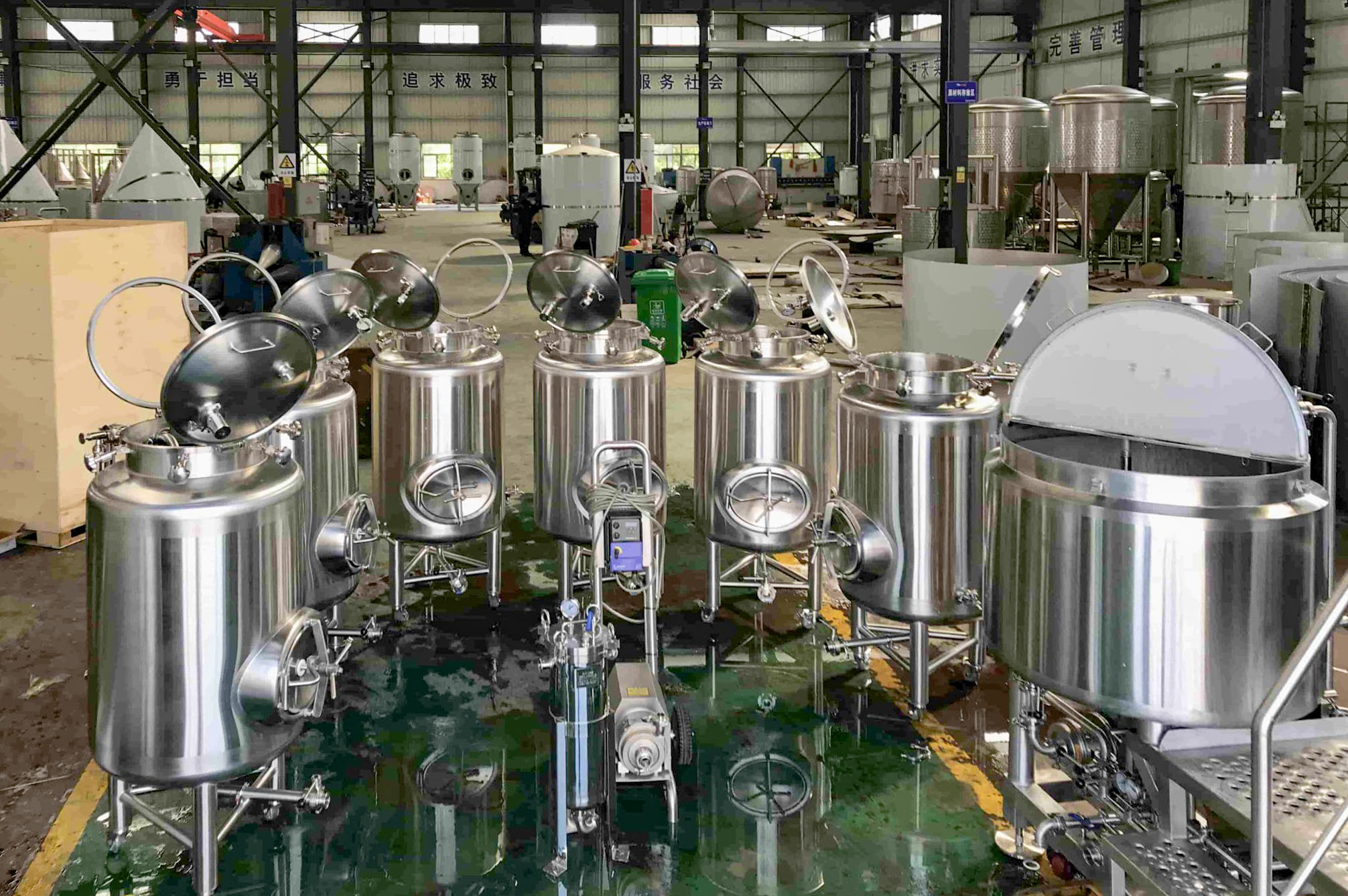
For example, the fermentation stage is different. Beer fermentation usually happens in closed conical fermenters. Kombucha often uses a two-stage process. Stage one is an open fermentation for the SCOBY. Stage two is a closed fermentation for carbonation. SKE can supply a hybrid system that handles both stages.
Stainless steel tanks are another key point. SKE builds all their tanks from food-grade 304 stainless steel . This material is sanitary and easy to clean. It is perfect for both beer and kombucha.
Temperature control is also important. Both beer and kombucha fermentation require precise temperatures. SKE’s equipment includes glycol jacket cooling systems. This maintains a consistent temperature for optimal fermentation.
With SKE’s help, a beer company can easily add kombucha to their production. This can be done with minimal disruption to their current beer operations. It is a smart way to diversify into a growing market.
A Comparison of Beer and Kombucha Brewing Processes
Understanding the differences between beer and kombucha is helpful. Here is a simple comparison table.
| Feature | Beer Brewing | Kombucha Brewing |
|---|---|---|
| Main Ingredients | Malted barley, hops, water, yeast | Tea, sugar, water, SCOBY (bacteria & yeast) |
| Fermentation | Anaerobic (no oxygen), in closed tanks | Two-stage: aerobic (oxygen) in open tanks, then anaerobic |
| Fermentation Time | Weeks to months | Days to weeks |
| Key Equipment | Mash tun, brew kettle, conical fermenters | Brew kettle, open fermentation tanks, pressure tanks |
| Alcohol | Created as a main product | Creates small amounts, often removed or limited |
| Microorganisms | Yeast is the primary actor | SCOBY, a mix of bacteria and yeast |
| Sanitation | Clean-in-place (CIP) is standard | Very strict, needs full CIP to avoid contamination |
| Final Product | Carbonated with CO2 from fermentation | Carbonated from fermentation, often with added CO2 |
This table shows that while the equipment is similar, the process is very different. This is why working with an experienced manufacturer is so important.
How SKE Supports Large Beverage Companies
SKE offers a wide range of equipment. This includes everything from 2hl (hectoliter) nano-breweries to 100hl microbreweries. They also make tanks from 1hl to 500hl. This means they can serve companies of any size.
Here are some of the key advantages of working with SKE:
-
Customization: SKE can design equipment to your specific needs. They understand that every company is different. They can build a system that fits your space and production goals.
-
Quality: SKE uses only high-quality materials. All equipment is made from food-grade 304 or 316 stainless steel. This ensures a sanitary and durable product.
-
Service: SKE provides excellent customer support. They can help with installation and training. They also have a global network of service technicians.
-
Innovation: SKE is constantly innovating. They are adding advanced automation and control systems to their equipment. This helps brewers achieve better results with less manual effort.
Choosing the Right Equipment: A Guide for Brewers
Here is a simple guide to the essential equipment for kombucha brewing:
-
Brew Kettle: For steeping the tea and adding sugar.
-
Fermentation Tanks: For the main fermentation process. These are often open-top tanks for the SCOBY.
-
Storage/Clarification Tanks: For aging and settling the kombucha.
-
Filtration System: To remove unwanted particles.
-
Carbonation System: To add the right amount of fizz.
-
Filling System: To fill bottles or cans.
Your choice of equipment will directly affect your final product. Working with a partner like SKE ensures you get the right equipment for your needs.
The Future of Kombucha: Trends and Predictions
The kombucha market is still young and changing. There are several exciting trends to watch. Large beer companies need to stay on top of these trends. This will help them remain competitive.
One trend is the continued growth of hard kombucha. This is a high-growth segment within the overall kombucha market. It appeals to consumers who want alcohol but also want the health benefits of kombucha.
Another trend is new flavors and functional ingredients. Consumers are always looking for new taste experiences. Brewers are experimenting with different teas, fruits, and spices. They are also adding functional ingredients like CBD or adaptogens.
Sustainability is also becoming more important. Consumers want brands that are kind to the environment. This includes using eco-friendly packaging and sustainable sourcing.
Finally, technology will continue to play a big role. New equipment will make production more efficient and consistent. Automation and data will help brewers control quality more precisely.
Frequently Asked Questions (FAQ)
Q1: What is kombucha?
Kombucha is a fermented tea drink. It is made by adding a special culture called SCOBY to sweetened tea. The SCOBY contains beneficial bacteria and yeast. It transforms the tea into a refreshing, fizzy drink with many potential health benefits.
Q2: Why are large beer companies interested in kombucha?
The kombucha market is growing very quickly. It offers beer companies a way to reach new customers who want healthier options. Beer companies also have the equipment, skills, and distribution to make kombucha very successfully.
Q3: Is kombucha better for you than beer?
Kombucha and beer are very different. Kombucha is often lower in calories and sugar. It also contains probiotics, organic acids, and antioxidants. These compounds may offer health benefits that beer does not.
Q4: What equipment does SKE make for kombucha?
SKE makes a full range of brewing equipment. This includes brew kettles, fermentation tanks, storage tanks, and filtration systems. They can design custom systems to meet your specific production needs.
Q5: How do you brew kombucha on a large scale?
Large-scale kombucha brewing is similar to beer brewing. However, there are special considerations. It usually involves a two-stage fermentation. It also requires very strict sanitation to avoid contamination. Specialized equipment is often needed for the best results.
Contact Us
If you have any further questions, feel free to reach out!
- Facebook: SKE Equipment Facebook
- Email: info@skeequipment.com
For more personalized assistance, please fill out the contact form at the bottom of this page. We look forward to helping you with your brewing needs!