Introduction
Kombucha is no longer a small health trend. It is now a major beverage category. Large breweries are taking notice. They see the growing demand and want to join this market.
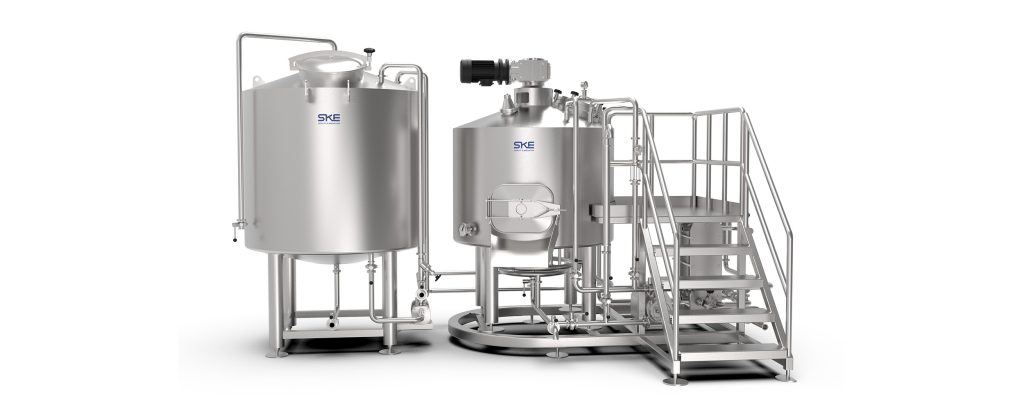
But brewing kombucha at a commercial scale is very different from homebrewing. It requires reliable, professional equipment. At SKE, we are a leading manufacturer of brewery equipment. We help breweries make this transition successfully.
This article explains the key benefits of professional kombucha brewing equipment. We will cover the process, the equipment, and the business case. If you are a brewery owner, this guide is for you.
1. Why Professional Equipment Matters
1.1 The Challenge of Scaling Up
Brewing a small batch of kombucha is easy. You need tea, sugar, water, and a SCOBY. But scaling up to thousands of liters is hard.
Homebrew methods do not work at a large scale. Temperature fluctuates. Oxygen levels vary. Sanitation is difficult. All these factors affect the final taste.
For a large brewery, consistency is everything. Customers expect the same flavor every time. Professional kombucha brewing equipment helps you achieve this.
1.2 The Benefits of Professional Systems
Professional systems are built for precision. They offer automated controls for temperature and pressure. They use high-grade stainless steel. This material is durable and easy to clean.
These systems also improve efficiency. They reduce manual labor and human error. They ensure each batch follows the same exact process.
Investing in professional equipment is an investment in quality. It protects your brand reputation. It also helps you meet production targets reliably.

2. The Core Components of a Commercial System
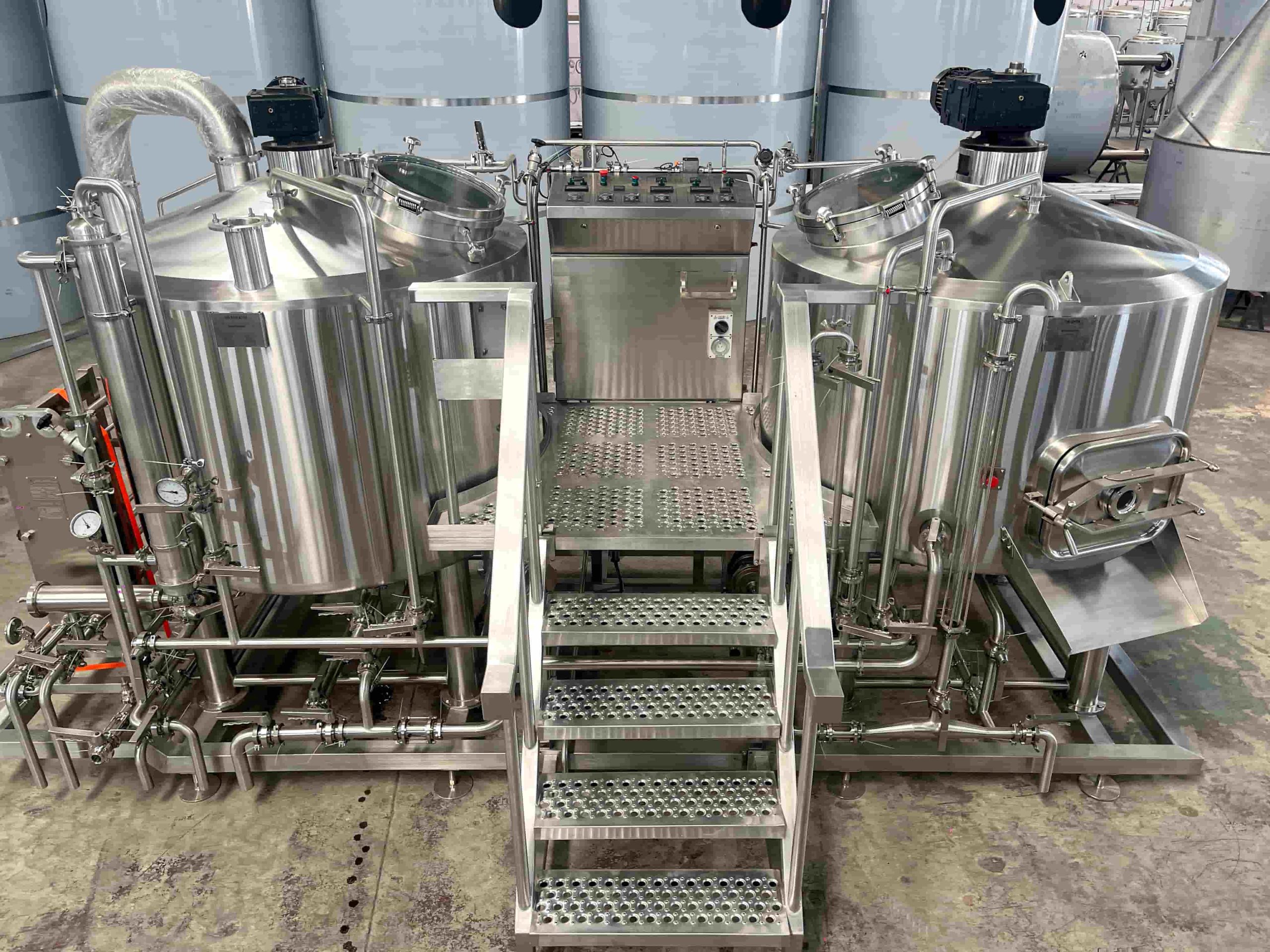
2.1 The Brewing Tank
The brewing tank is where it all begins. Here, water is heated. Tea leaves are steeped. Sugar is dissolved.
This tank is similar to a brewhouse in beer production. But it is optimized for the lower temperatures of tea extraction.
2.2 The Fermentation Tanks
Kombucha fermentation happens in two stages. For the first stage, brewers use open-top tanks. These allow the SCOBY to get oxygen. This is essential for the initial fermentation.
After 7-10 days, the liquid moves to closed tanks. These are pressurized vessels. They are used for the second fermentation. This is where flavors are added. Carbonation also builds in this stage.
2.3 The Bottling Line
The bottling line packages the finished product. It includes a filler, a capper, and a labeler. The system is designed to handle carbonated drinks. It also minimizes oxygen pickup. This keeps the kombucha fresh.
3. How Professional Equipment Improves Fermentation
3.1 Temperature Control
Fermentation is a sensitive process. Yeast and bacteria work together in kombucha fermentation. They need a stable environment.
Professional tanks come with cooling jackets. They use glycol to maintain a precise temperature. The system can hold the temperature within ±0.5°C. This ensures steady fermentation.
3.2 Oxygen Management
Oxygen plays a big role. In the first stage, bacteria need oxygen. So open tanks are used. In the second stage, oxygen is limited. This helps control carbonation.
Professional equipment lets you manage oxygen levels. You can switch from open to closed fermentation easily. This gives you full control over the final product.
3.3 Monitoring and Automation
Modern systems include PLC controls. These are computer-based controllers. They monitor temperature, pH, and pressure in real-time.
Automation reduces the risk of human error. It also provides data for each batch. You can analyze this data to improve your recipe and process.
4. Sanitation and Safety
4.1 The Importance of Cleanliness
Kombucha contains live cultures. But it is also vulnerable to harmful bacteria. If unwanted microbes get in, the product can spoil.
Sanitation is not optional in a commercial brewery. It is a critical part of the process. Professional equipment makes cleaning easier.
4.2 CIP Systems
CIP stands for Clean-In-Place. This system cleans tanks and pipes without disassembly. It uses high-pressure pumps to circulate cleaning solutions.
CIP is highly efficient. It saves labor and ensures consistent results. It also reduces the risk of contamination. This is a major advantage of professional equipment.
4.3 Hygienic Design
Good equipment is designed for hygiene. The surfaces are polished to a high finish. This prevents bacteria from sticking. Fittings and valves are made to sanitary standards. There are no hard-to-clean crevices.
5. SKE Equipment Advantages at a Glance
The table below shows the differences between basic setups and SKE professional equipment.
| Feature | Basic Setup | SKE Professional Setup |
|---|---|---|
| Temperature Control | Manual, unstable | Automatic, ±0.5°C precision |
| Sanitation | Manual cleaning | Automated CIP system |
| Fermentation Control | Limited visibility | PLC monitoring and data logging |
| Consistency | High batch variation | Uniform results every time |
| Material Quality | Unknown grade steel | High-grade 304 stainless steel |
| Scalability | Hard to expand | Modular and easy to upgrade |
6. Commercial Brewing Step by Step
6.1 Stage One: Tea Preparation
The process starts in the brewing tank. Hot water is mixed with tea and sugar. The temperature is carefully controlled. This step extracts the flavors from the tea.
6.2 Stage Two: Primary Fermentation
The sweet tea is cooled and transferred to open tanks. The SCOBY is added. Over the next 7-10 days, kombucha fermentation takes place. The bacteria produce acids. The pH drops. The flavor develops.
6.3 Stage Three: Secondary Fermentation
The liquid is moved to closed tanks. Flavorings like fruit juice or herbs are added. The tanks are sealed. Pressure builds up. This creates natural carbonation.
6.4 Stage Four: Packaging
Finally, the kombucha is filtered and bottled. The bottling line fills, caps, and labels each bottle. The finished product is ready for distribution.
7. The Value of a Complete Kombucha Brewing Kit
7.1 What Is a Commercial Brewing Kit?
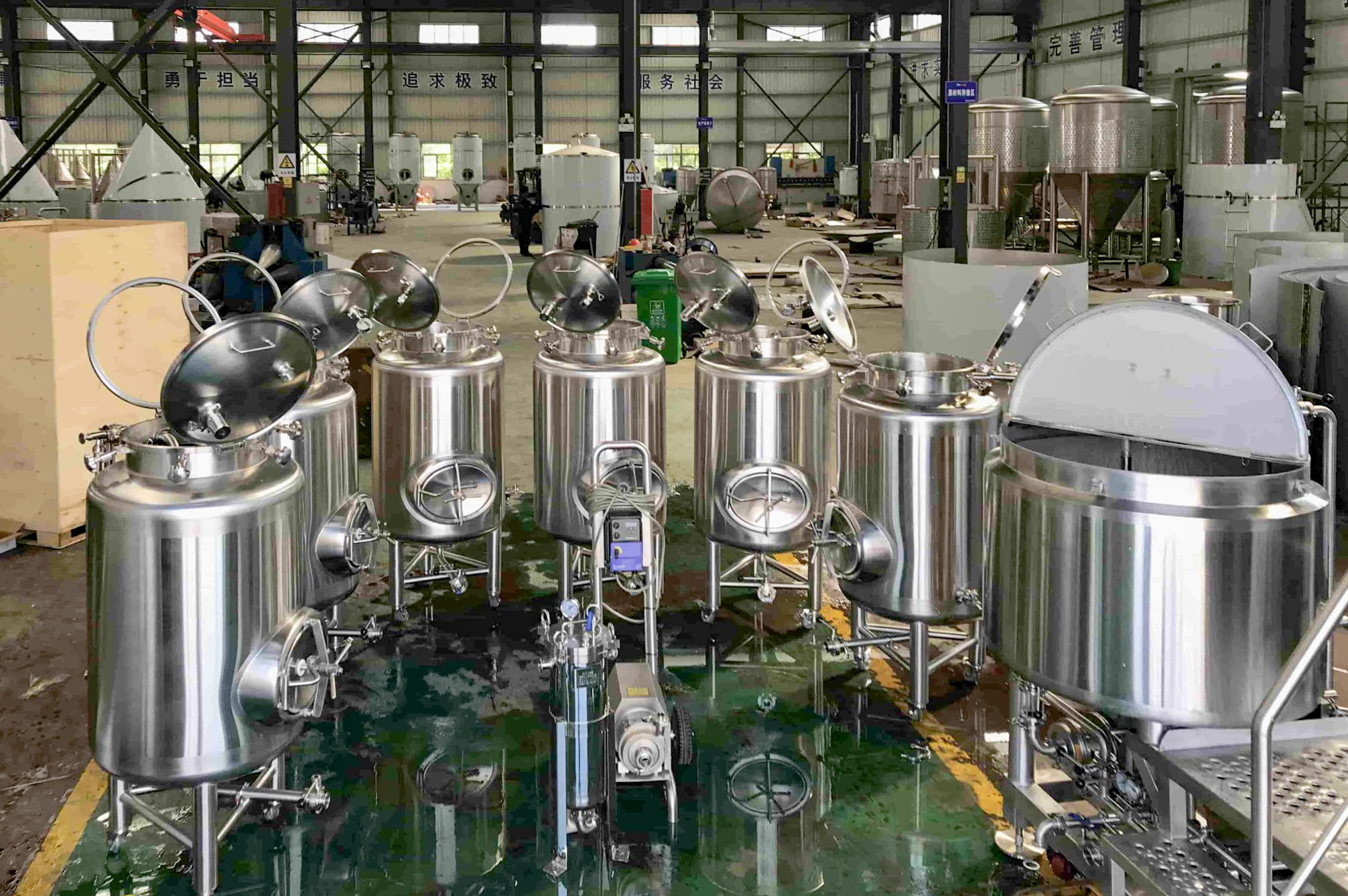
A commercial kombucha brewing kit is a complete system. It includes all the main components: brewing tank, fermenters, CIP, and bottling line.
This is not a homebrew kit. It is a turnkey solution for a production facility. Everything is designed to work together.
7.2 Why Choose a Kit Approach
Buying a kit simplifies the project. You do not have to source parts from different suppliers. This saves time and avoids compatibility issues.
A trusted supplier like SKE provides support. We help with installation, training, and maintenance. This ensures a smooth startup.
8. Frequently Asked Questions (FAQ)
Q1: Can I use my existing beer tanks for kombucha?
A: You can adapt some equipment. However, kombucha fermentation has different needs. It requires open tanks for the first stage. We recommend dedicated kombucha brewing equipment for the best quality.
Q2: How long does commercial fermentation take?
A: Primary kombucha fermentation takes about 7-10 days. The exact time depends on temperature and recipe. Professional equipment helps you keep the process on schedule.
Q3: What is the target pH for finished kombucha?
A: The ideal pH range is 2.5 to 3.5. This level ensures safety and good taste. Professional systems include pH sensors for real-time monitoring.
Q4: Is setting up a commercial facility expensive?
A: The cost depends on your production capacity. It is a significant investment, but comparable to a craft brewery setup. SKE offers scalable solutions and flexible pricing.
Q5: What support does SKE provide?
A: We offer full support. This includes project planning, equipment design, installation, and staff training. We also provide after-sales service and technical support.
9. Conclusion
Kombucha is a growing market with huge potential. For large breweries, it is a natural extension of their business. But success requires the right equipment.
Professional kombucha brewing equipment offers many benefits. It provides precise control over temperature and oxygen. It ensures consistent product quality. It simplifies cleaning and sanitation. It also helps you scale up production easily.
If you have any further questions, feel free to reach out!
- Facebook: SKE Equipment Facebook
- Email: info@skeequipment.com
Fill out the contact form below for customized solutions. We fully support all your production equipment demands for breweries and beverage plants.