Beer is one of the oldest and most popular drinks in the world. Have you ever wondered how is beer brewed? This guide explains the process in simple English. You will learn how large breweries make beer, how to make non-alcoholic beer, and what makes craft beer special. We also look at the largest America beer company and other big names in the US market.
Introduction: The Basics of Beer
Beer is made from four simple ingredients: water, malted grain (usually barley), hops, and yeast. But turning these into beer is both science and art.
Big breweries make millions of barrels every year. Small craft breweries make beer in small batches with unique flavors. More people also want non-alcoholic beer, which tastes like beer but has very little alcohol. To make all these beers, brewers need good recipes, careful control, and reliable equipment.
The Brewing Process: Step by Step
Most breweries follow these steps.
1. Malting: Preparing the Grain
Barley is soaked in water, allowed to start growing, then dried in a kiln. This is called malting. It creates enzymes that turn starch into sugar later. The roasting time changes the malt’s color and flavor—light malts for pale beers, dark ones for stouts.
2. Milling: Crushing the Malt
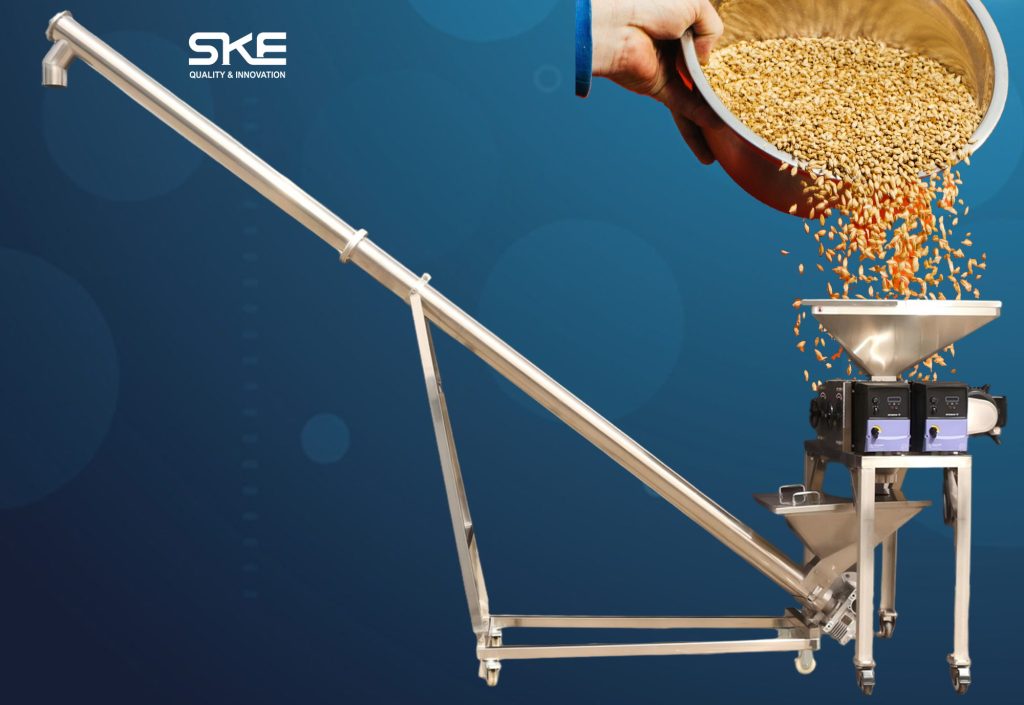
The dried malt is crushed in a mill. The crushed grain is called grist. It must be crushed just right—not too fine, not too coarse.
3. Mashing: Making Sweet Wort
The grist is mixed with hot water in a mash tun at 64–70°C (148–158°F). Enzymes break starch into sugars. The sweet liquid produced is called wort. This takes about one hour.
4. Lautering and Sparging: Separating Wort
The wort is separated from the grain pieces in a lauter tun. Hot water is sprayed over the grains to wash out remaining sugar. This is called sparging.
5. Boiling: Adding Hops
The wort is boiled in a brew kettle for 60–90 minutes. Boiling kills bacteria, stops enzymes, and extracts hop flavors. Hops added early give bitterness; mid-boil hops give flavor; late hops give aroma.
6. Cooling and Fermentation
The wort is cooled quickly to fermentation temperature—18–24°C for ales, 8–14°C for lagers. Then yeast is added. Yeast eats sugar and produces alcohol and CO₂. This is fermentation, which takes 5–10 days.
7. Conditioning: Maturing the Beer
The beer needs time to mature. This is conditioning. Flavors smooth out and unwanted compounds are removed. Lagers need longer conditioning (weeks or months) for their crisp taste.
8. Filtration and Packaging
Most beer is filtered to remove yeast and particles. Then it is packaged into bottles, cans, or kegs under pressure. Big breweries use fast, automated packaging lines.
How Is Non-Alcoholic Beer Brewed? Four Main Methods
Non-alcoholic beer (NA beer) has less than 0.5% alcohol. Here are the main methods.
1. Stopping Fermentation Early
The brewer stops fermentation before much alcohol is made. This keeps sweetness but can reduce complexity.
2. Removing Alcohol After Fermentation
This is the most common method. First, normal beer is made. Then alcohol is removed using:
-
Vacuum distillation: Heating beer under low pressure so alcohol evaporates at a lower temperature, protecting flavors.
-
Reverse osmosis: Using a filter that separates alcohol from flavor compounds.
3. Making Low-Alcohol Beer from the Start
The recipe is designed to make little alcohol. Higher mashing temperatures create unfermentable sugars, so yeast produces less alcohol.
4. Making Beer Without Fermentation
Malt extract, hop oils, water, and carbonation are mixed together. No yeast is used. This is fast but lacks depth.
Big challenge: Removing alcohol also removes some flavor. Good NA brewers add special hop oils back to improve taste.
How Is Craft Beer Brewed? Small Batches, Big Flavor
Craft beer focuses on quality and creativity. Craft breweries produce less than 6 million barrels a year.
What Makes Craft Beer Special?
-
Better ingredients: Premium malts, special hops, and unique yeast. They also add fruits, spices, or coffee.
-
Hands-on control: Small batches allow brewers to adjust each step.
-
Bold flavors: Hazy IPAs, sour beers, and barrel-aged stouts.
Equipment for Craft Breweries
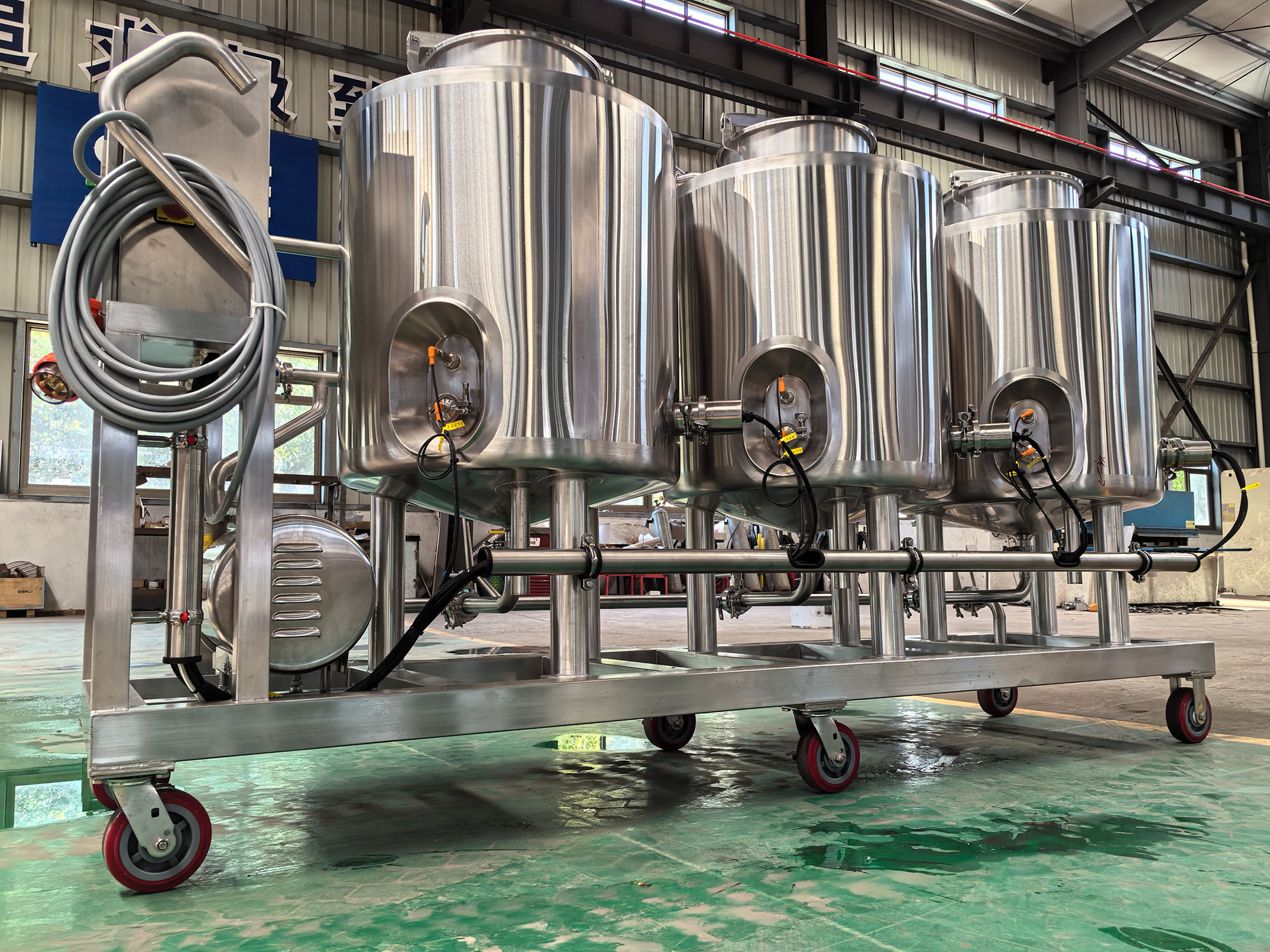
Craft breweries use smaller systems (500–5,000 liters per batch). Equipment must be flexible. Modular designs let brewers start small and add tanks as they grow.

Who Is the Largest America Beer Company? Major Players
Here are the biggest names in the US beer market.
| Company | Headquarters | Famous Brands | Key Fact |
|---|---|---|---|
| Anheuser-Busch InBev | St. Louis, MO | Budweiser, Bud Light | Largest America beer company and largest in the world. |
| Molson Coors | Chicago, IL | Miller Lite, Coors Light | Second-largest US brewer. |
| Constellation Brands | Victor, NY | Modelo Especial, Corona | Modelo is the top-selling US beer (2026). |
| Yuengling | Pottsville, PA | Yuengling Lager | Oldest US brewery (1829), largest American-owned. |
| Boston Beer Company | Boston, MA | Samuel Adams, Truly | Largest craft brewery group. |
Brewing Equipment: The Backbone of Good Beer
Good beer needs good equipment. Here’s what a brewery needs.
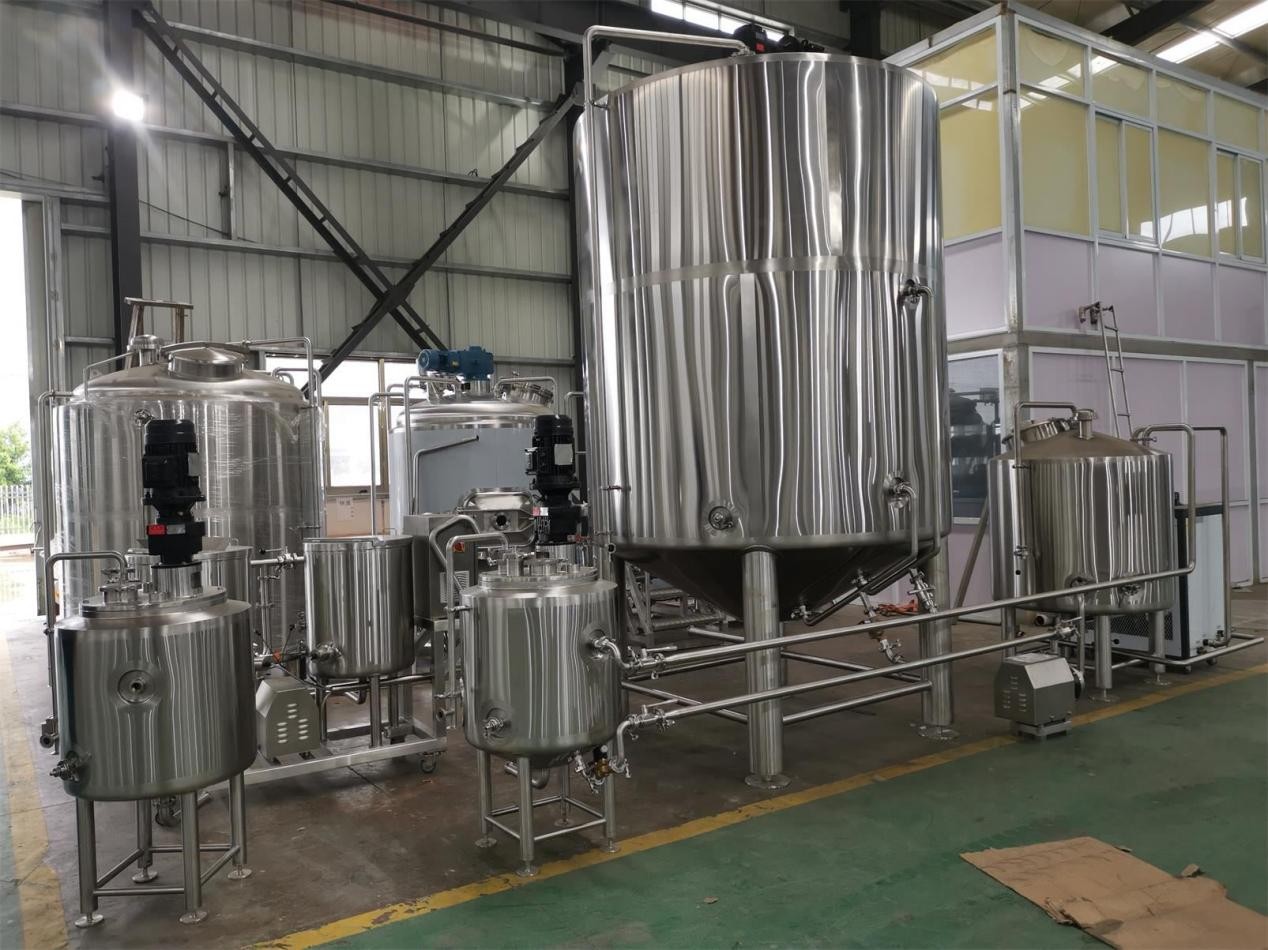
Key Equipment
-
Brewhouse: Mash tun, lauter tun, brew kettle, and whirlpool. Large breweries use computer-controlled automation for consistency.
-
Fermentation tanks: Stainless steel tanks with cooling systems. Sizes range from 500 to over 100,000 liters.
-
Dealcoholization systems: For NA beer production (vacuum or reverse osmosis).
-
CIP systems: Automated cleaning without taking tanks apart.
What to Look For
-
Quality: Food-grade stainless steel (304/316) with smooth, polished interiors.
-
Flexibility: Equipment that fits your space and can make different beer styles.
-
Support: Installation help, staff training, and after-sales service.
Good equipment saves energy, water, and helps you make consistent, high-quality beer every time.
Frequently Asked Questions
1. What are the four main ingredients in beer?
Water, malted barley, hops, and yeast. Water makes up about 90% of beer.
2. How long does it take to brew beer?
Ales: 2–4 weeks. Lagers: 4–8 weeks (longer cold conditioning). NA beer takes similar time, plus dealcoholization.
3. What is the difference between ale and lager?
Ales: Top-fermenting yeast, warm temperatures (18–24°C), fruity flavors, faster.
Lagers: Bottom-fermenting yeast, cool temperatures (8–14°C), clean and crisp, slower.
4. Can non-alcoholic beer get you drunk?
No. It has less than 0.5% ABV. You would need to drink many cans to feel anything.
5. How do large breweries keep beer consistent?
They use automation, standard recipes, and strict quality control. Temperature, time, and pressure are controlled precisely every batch.
6. What is the most popular beer style in the US?
Light lagers (Bud Light, Coors Light) sell most by volume. IPAs are very popular in craft beer. Modelo Especial is the top-selling brand today.
7. Can the same equipment make regular and non-alcoholic beer?
Yes. A standard brewhouse makes the wort for both. Just add a dealcoholization system after fermentation.
Conclusion
Now you know how is beer brewed—from grain to glass. Big breweries focus on consistency. Craft breweries focus on creativity. NA beer producers give us the taste without the alcohol. The US market is led by the largest America beer company, Anheuser-Busch InBev, but many smaller brewers are also successful. Behind every great beer is great equipment—tanks, controls, and cleaning systems that ensure quality.
If you have any further questions, feel free to reach out!
• Facebook: SKE Equipment Facebook
• Email: info@skeequipment.com
Fill out the contact form below for customized solutions. We fully support all your production equipment demands for breweries and beverage plants.