For any growing brewery, the keg washing machine is one of the most important pieces of equipment. It ensures that every keg leaving your facility is clean, safe, and ready for the customer. Without a reliable machine, you risk product contamination and unhappy clients. This guide will help you understand everything about keg washing technology.
When a brewery grows from a small operation to a medium or large facility, the manual cleaning of kegs becomes impossible. The volume is simply too high. A commercial keg washer is designed to handle this exact problem. It automates the cleaning process, saving time and labor costs.
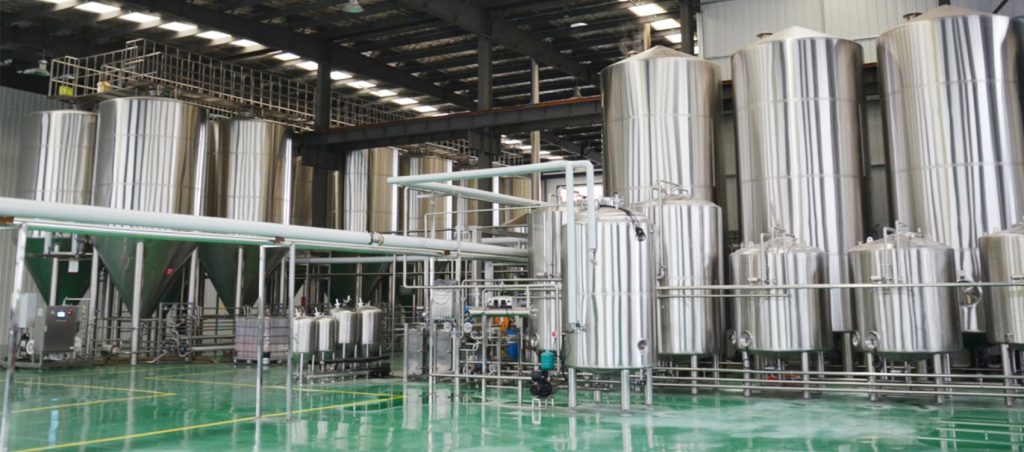
Many brewers ask what is the largest brewery in the world when they think about scaling up. Companies like AB InBev and Heineken use advanced equipment to maintain quality across millions of kegs. While your brewery may not be that big yet, the same principles apply. Clean equipment is the foundation of good beer.
At SKE, we understand the needs of brewers at every stage. Our keg washing machines are built for durability and efficiency. They are designed to handle the demands of a busy production schedule. In this article, we will explore the features, benefits, and best practices for choosing the right machine.
What Is a Keg Washing Machine?
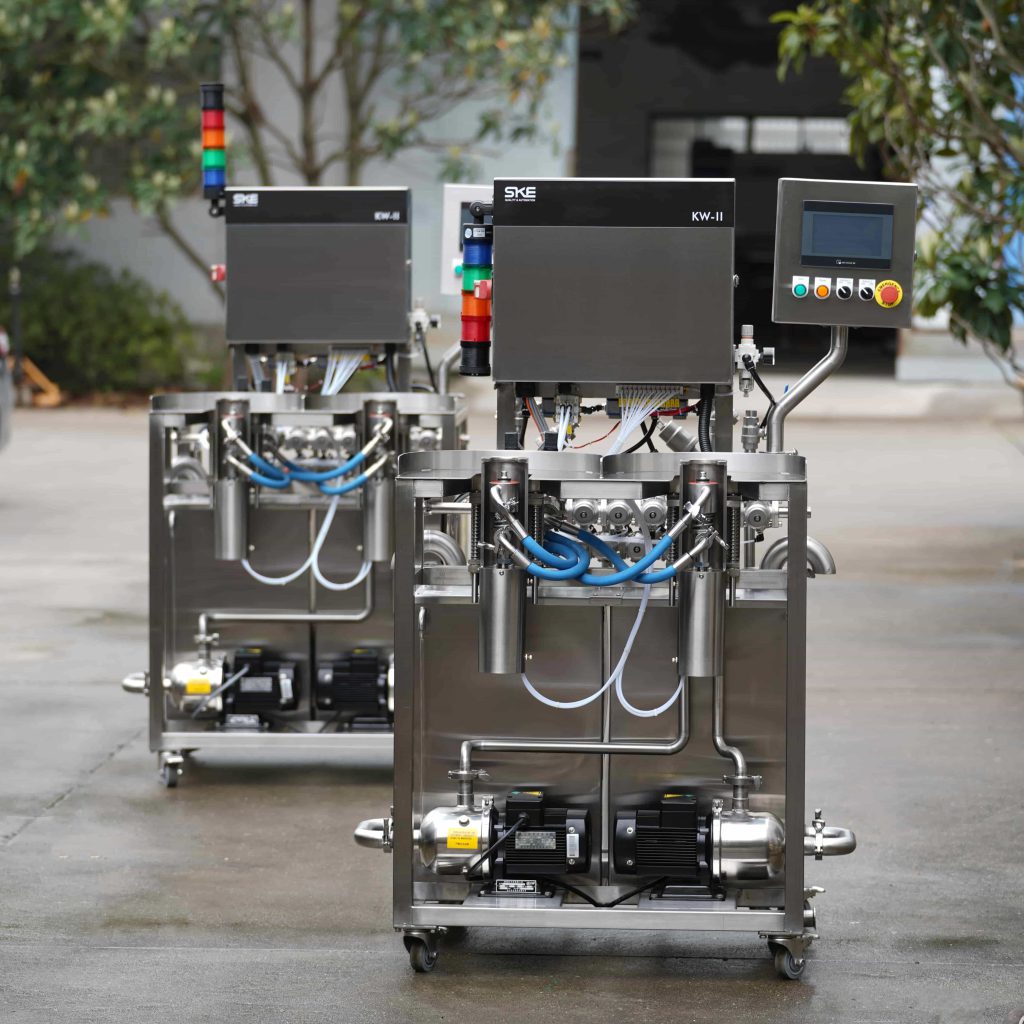
A keg washing machine is a piece of equipment that cleans and sanitizes beer kegs. It performs a series of automated steps to ensure that every keg is ready for refilling. The process typically includes draining, rinsing, washing with caustic solutions, and sanitizing with acid or steam.
These machines are essential for maintaining product quality. A dirty keg can ruin an entire batch of beer. This is why large breweries invest heavily in high-quality equipment. A commercial keg washer can handle between 30 and 120 kegs per hour, depending on the model.
For a medium-sized brewery, a semi-automatic machine might be enough. For larger operations, a fully automatic system is the better choice. The right machine depends on your production volume and budget. It also depends on the space available in your facility.
Modern keg washers are also more energy-efficient than older models. They use less water and chemicals while achieving better results. This makes them better for the environment and your operating costs.
Why Every Large Brewery Needs a Commercial Keg Washer
As your brewery grows, the need for automation becomes clear. A commercial keg washer is not just a luxury; it is a necessity. It allows you to process more kegs with fewer workers. This increases your overall efficiency and profitability.
One of the biggest challenges in large-scale brewing is consistency. Every keg must meet the same high standard. A commercial keg washer provides that consistency. It follows the same cleaning cycle every time, removing the risk of human error.
Another important factor is safety. Cleaning chemicals are dangerous if handled incorrectly. An automated system reduces the need for workers to handle these chemicals directly. This creates a safer work environment for your team.
In addition, a commercial keg washer reduces water and chemical usage. This is good for your budget and for the planet. Many modern machines also include heat recovery systems. These systems reuse heat from the cleaning process to save energy.
The Role of Mobile CIP in Modern Breweries
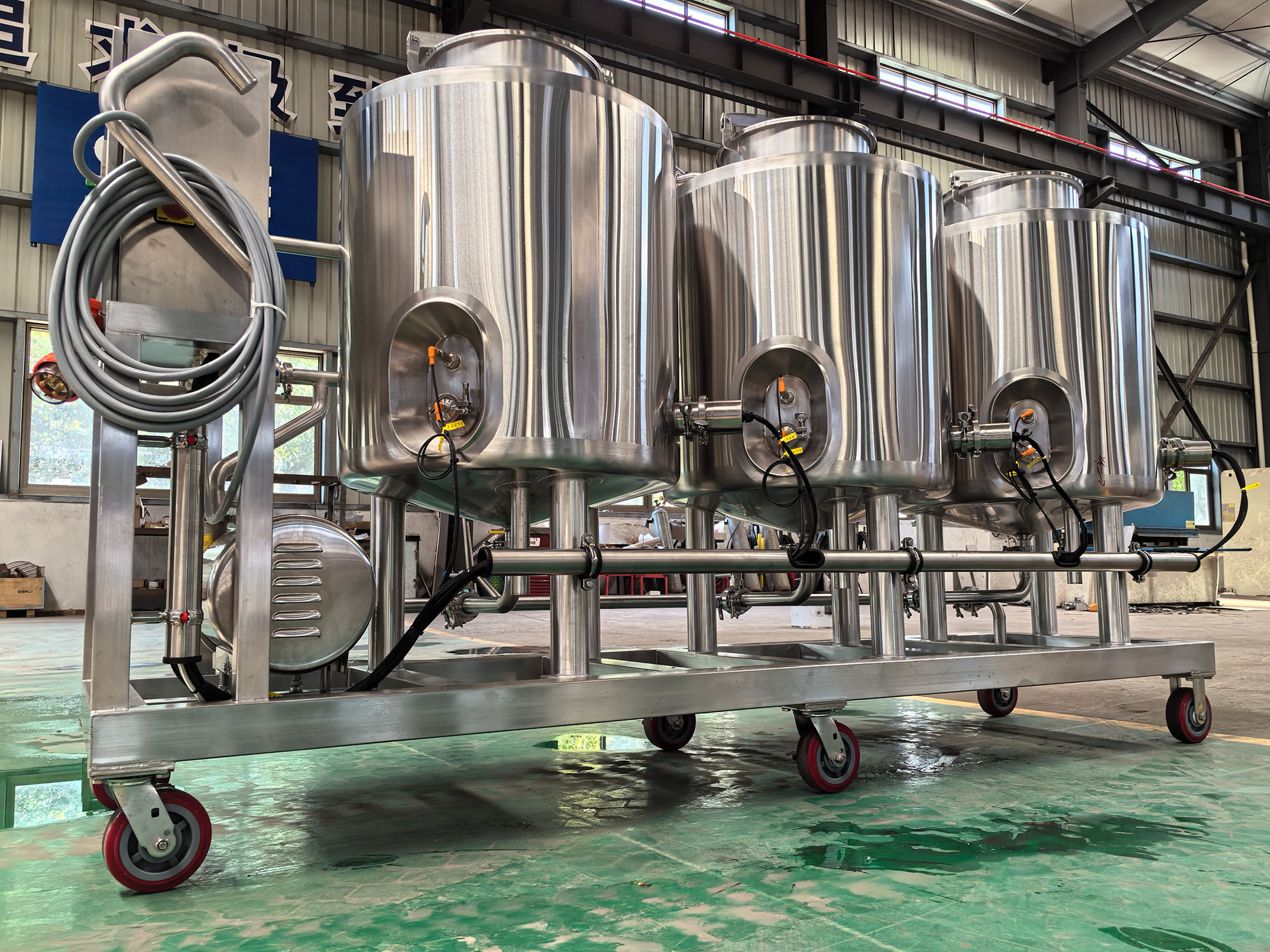
Cleaning is not just about kegs. Tanks, pipes, and other equipment also need regular cleaning. This is where a mobile CIP system becomes very useful. CIP stands for Clean-In-Place. It allows you to clean equipment without taking it apart.
A mobile CIP unit is a portable system that can be moved to different parts of the brewery. It connects to tanks and pipes to circulate cleaning solutions. This is much faster than manual cleaning and ensures better results.
For medium and large breweries, a mobile CIP system is a smart investment. It provides flexibility and reduces downtime. You can clean a fermenter while other parts of the brewery continue to operate.
Mobile CIP systems are also easy to use. Most come with programmable controls. This allows you to set specific cleaning cycles for different types of equipment. This customization is important for breweries that produce multiple beer styles.
Comparing Different Keg Washing Solutions
Choosing the right keg washing machine depends on several factors. These include your production volume, budget, and available space. Here is a comparison of common options for medium and large breweries.
| Feature | Basic Single-Station | Multi-Station Washer | High-Speed Rotary Washer |
|---|---|---|---|
| Capacity (kegs/hour) | 15-30 | 40-80 | 80-120+ |
| Automation Level | Semi-Automatic | Fully Automatic | Fully Automatic |
| Water Usage | Moderate | Low | Very Low |
| Price Range | Lower | Medium | High |
| Best For | Small to Medium Breweries | Growing Breweries | Large-Scale Production |
When you think about what is the largest brewery in the world, remember that they use the highest-capacity systems. For your brewery, the goal is to find the sweet spot between capacity and cost. You want a machine that meets your current needs but can also grow with you.
Key Features to Look For
When shopping for a keg washing machine, look for certain key features. First, check the number of cleaning stages. More stages usually mean better cleaning. Look for machines with at least five stages including rinse, caustic wash, and sanitization.
Second, consider the control system. Modern machines use PLC (Programmable Logic Controller) systems. These allow you to program different cycles for different keg types. This is very useful if you handle both standard and specialty kegs.
Third, check the build quality. Stainless steel is the best material for these machines. It is durable, easy to clean, and resists corrosion. Avoid machines with plastic components that may wear out quickly.
Fourth, think about maintenance. Choose a machine that is easy to service. Look for models with easily accessible parts and clear maintenance instructions. A machine that is hard to fix will cost you time and money in the long run.
FAQ
1. How often should I clean my keg washer?
Weekly cleaning is recommended for the machine itself. This prevents residue buildup and maintains consistent performance.
2. Can I wash different keg sizes on the same machine?
Yes, most modern keg washers are adjustable and allow easy switching between sizes. Some models even feature automatic size detection.
3. Is a mobile CIP system necessary for a mid-sized brewery?
It is highly recommended. It saves time, ensures thorough tank cleaning, and reduces cross-contamination risks.
4. What is the difference between fully automatic and semi-automatic keg washers?
Fully automatic machines run the entire cycle without manual help, ideal for high volume. Semi-automatic units require some manual steps like loading and starting cycles.
5. What makes SKE’s keg washer stand out?
SKE machines use 304 stainless steel, advanced PLC controls, and touchscreen operation. They consume less water and chemicals, and we offer strong after-sales support.
Conclusion
Investing in a high-quality keg washing machine is one of the best decisions you can make for your brewery. It improves product quality, increases efficiency, and reduces labor costs. For medium and large breweries, this investment is essential.
At SKE, we specialize in brewing equipment that helps your business grow. Our keg washing machines are designed to meet the needs of modern brewers. We also offer mobile CIP systems and other solutions to keep your brewery running smoothly.
Whether you are planning to expand or just upgrading your current setup, we are here to help. Contact us today to learn more about our products and services. Let us help you brew better beer, one clean keg at a time.
If you have any further questions, feel free to reach out!
- Facebook: SKE Equipment Facebook
- Email: info@skeequipment.com
Fill out the contact form below for customized solutions. We fully support all your production equipment demands for breweries and beverage plants.